
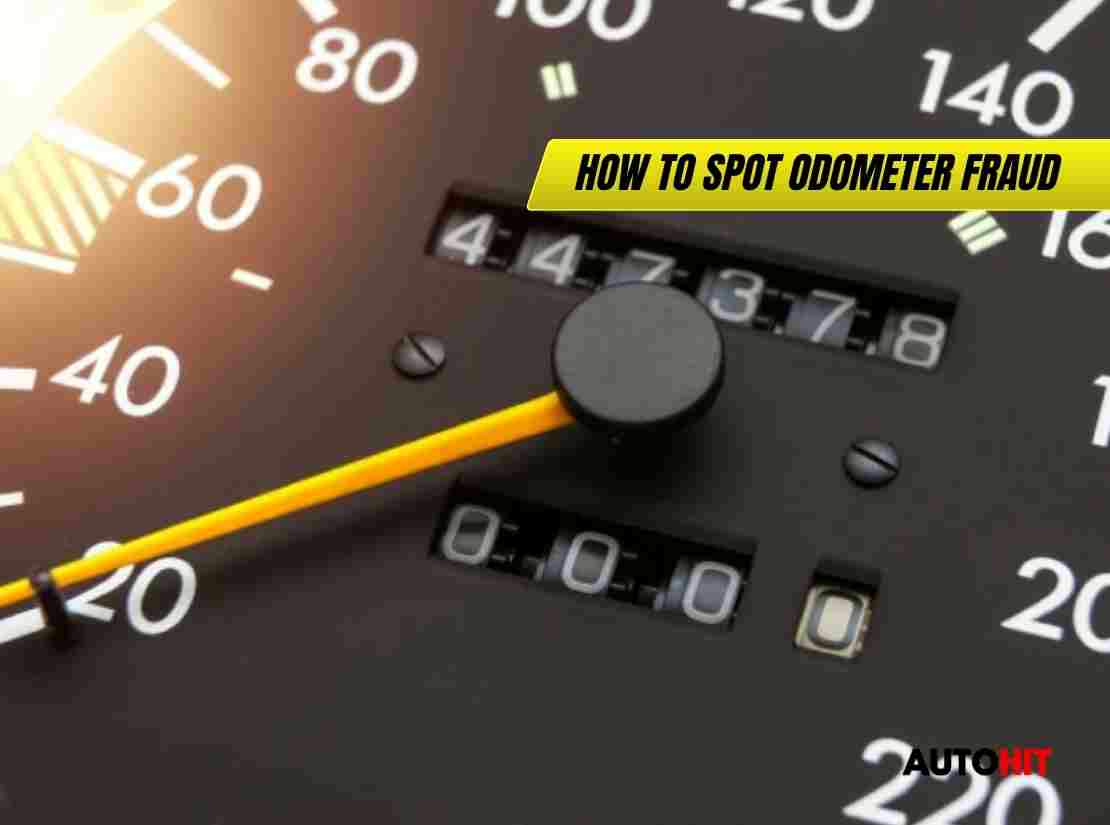
Worried about clocked cars? Learn how to spot odometer fraud, check mileage history, and protect yourself from costly used car scams. Essential UK buyer’s guide.
When our editorial team at AutoHit encounters stories about clocked cars, we’re reminded why the used car market can feel like a minefield for unsuspecting buyers. The practice of “clocking” – illegally reducing a vehicle’s recorded mileage – remains one of the most prevalent forms of automotive fraud in the UK, potentially costing victims thousands of pounds and leaving them with unreliable vehicles that require expensive repairs.
The motivation behind odometer fraud is straightforward: a car showing 30,000 miles commands significantly more money than the same vehicle with 80,000 miles on the clock. With modern diagnostic equipment making the process easier than ever, unscrupulous dealers and private sellers are increasingly willing to risk prosecution for substantial financial gain. Having investigated numerous cases of mileage fraud over the years, we’ve seen how devastating this crime can be for ordinary motorists who trusted what they saw on the dashboard.
This comprehensive guide provides UK car buyers with the knowledge and tools needed to identify clocked vehicles, understand their legal rights when fraud occurs, and take preventive measures to avoid becoming victims in the first place.
Key Highlights
- Estimated 1 in 16 used cars have had their mileage tampered with in the UK
- Digital odometers are easier to manipulate than many buyers realise
- Free checking tools available through official government sources
- Legal recourse exists but prevention is always better than cure
- Financial impact significant – clocked cars can cost £3,000-£8,000 more than actual value
- Insurance implications – undisclosed mileage can void coverage
- Professional inspection recommended for high-value purchases
Understanding Odometer Fraud: How Clocking Works
Traditional vs Modern Methods
According to our analysis at AutoHit, the methods used to clock cars have evolved significantly with automotive technology. Older vehicles with mechanical odometers required physical manipulation – typically involving drilling or rewinding the mechanism. While crude, these methods often left telltale signs that experienced buyers could spot.
Modern digital odometers present different challenges. Rather than physical tampering, criminals now use sophisticated computer equipment connected to the vehicle’s diagnostic port. Professional-grade tools can alter stored mileage data across multiple engine control units, making detection far more difficult for the average buyer.
The process has become alarmingly simple: a laptop, specialist software, and basic technical knowledge can reduce a car’s apparent mileage by tens of thousands of miles in under an hour. This accessibility has contributed to the growing prevalence of odometer fraud across the UK used car market.
Why Mileage Matters So Much
The financial incentive for clocking is substantial. Industry data suggests that reducing a car’s mileage from 80,000 to 30,000 miles can increase its market value by £3,000-£8,000, depending on the make, model, and age. For high-end vehicles, the difference can be even more dramatic.
Beyond immediate resale value, mileage affects insurance premiums, warranty coverage, and buyer confidence. A lower-mileage vehicle is perceived as more reliable, requiring less immediate maintenance, and likely to provide years of trouble-free motoring – perceptions that criminals exploit for financial gain.
Spotting the Warning Signs: Red Flags to Watch For
Physical Evidence in Older Vehicles
Despite technological advances, physical signs of tampering often remain visible in mechanically clocked vehicles. Dashboard panels that don’t align properly, scratches around the instrument cluster, or cables that appear disturbed can all indicate previous interference.
Common Warning Signs of Clocked Cars
| Warning Sign | What to Look For | Significance Level | Action Required |
|---|---|---|---|
| Excessive wear vs mileage | Worn pedals, seats, steering wheel | High | Detailed inspection |
| Service stamps inconsistent | Gaps in maintenance records | High | Request explanation |
| Key/remote wear | Heavily worn key fobs on “low mileage” cars | Moderate | Additional checks |
| Tyre condition | Mismatched or excessively worn tyres | Moderate | Investigate history |
| Interior condition | Excessive wear on controls, switches | High | Professional inspection |
| Dashboard alignment | Poor fitting around instrument cluster | High | Avoid purchase |
| Multiple previous owners | Frequent ownership changes | Moderate | Check ownership history |
We’ve tested enough vehicles to know that genuine low-mileage cars typically show consistent wear patterns throughout. When a vehicle supposedly has 25,000 miles but the pedal rubbers are worn smooth, the gear knob is polished to chrome, and the seat bolsters are heavily creased, something isn’t right.
Digital Age Detection Challenges
Modern vehicles store mileage data in multiple locations throughout their electronic systems. While this should make fraud more difficult, it’s actually created new challenges for detection. Sophisticated clocking operations ensure consistency across all stored data points, making their work virtually undetectable without professional diagnostic equipment.
However, some signs remain: unusual patterns in service records, MOT history that doesn’t align with current mileage, or electronic systems that seem inconsistent with the vehicle’s apparent age and use.
UK-Specific Checking Methods and Resources
Official Government Resources
The UK provides several free resources for checking vehicle history and mileage records. The most comprehensive is the MOT history check available through the official UK government MOT checker, which shows recorded mileage at each annual test.
This service reveals crucial information: if a car shows 45,000 miles on its odometer but the MOT records show 78,000 miles two years ago, you’ve identified clear fraud. The historical data creates an independent record that’s difficult for criminals to manipulate.
Using MOT Records Effectively
MOT Mileage Checking Process
| Step | Action | Information Gained | Red Flags |
|---|---|---|---|
| 1. Access gov.uk checker | Enter registration number | Complete MOT history | Missing or suspicious gaps |
| 2. Review annual readings | Check year-on-year progression | Mileage consistency | Backwards progression |
| 3. Calculate annual usage | Assess realistic usage patterns | Average miles per year | Sudden usage changes |
| 4. Cross-reference dates | Match MOT dates with seller claims | Ownership timeline | Inconsistent stories |
| 5. Note advisory items | Check for wear-related advisories | Maintenance history | Premature wear patterns |
The MOT database is particularly valuable because it’s updated independently of the seller and creates a historical record that predates any fraud attempt. However, the system only shows data from when electronic MOT recording began, so very old vehicles might have limited history.
DVLA and Insurance Database Checks
Beyond MOT records, the DVLA maintains various databases that can reveal inconsistencies. While not all information is publicly accessible, legitimate dealers and auction houses often have access to additional data sources that can verify mileage claims.
Insurance databases also track mileage declarations, though this information isn’t typically available to private buyers. However, significant discrepancies between insurance declarations and odometer readings can indicate fraud – information that emerges during claims or investigations.
Legal Rights and Remedies for UK Buyers
Consumer Protection Under UK Law
UK buyers have significant legal protection against odometer fraud under various consumer protection laws. The Consumer Rights Act 2015 requires goods to be “as described,” and a vehicle with false mileage clearly violates this requirement.
When fraud is discovered, buyers have several legal remedies available, depending on the circumstances and timing of discovery. The key is understanding your rights and acting promptly when problems are identified.
Civil Remedies and Compensation
Under the Consumer Rights Act, buyers can seek:
- Full refund within 30 days of purchase if the fault is discovered quickly
- Repair or replacement if the 30-day period has expired
- Price reduction if repair or replacement isn’t possible
- Compensation for additional costs incurred due to the fraud
The amount of compensation often depends on the mileage discrepancy. Industry practice suggests that differences under 20,000 miles might result in partial refunds, while larger discrepancies could justify complete contract cancellation.
Criminal Aspects: Reporting Fraud
Odometer fraud is a criminal offence under UK law, typically prosecuted as fraud by false representation. Successful prosecutions can result in significant fines and imprisonment, though victims must still pursue civil remedies separately for financial compensation.
Reporting fraud to Action Fraud (the UK’s national fraud reporting centre) creates official records that support both criminal prosecution and civil claims. Even if immediate prosecution seems unlikely, reports contribute to intelligence gathering that can lead to larger investigations.
Prevention Strategies: Protecting Yourself
Pre-Purchase Investigation Checklist
The most effective protection against odometer fraud is thorough pre-purchase investigation. While this requires time and effort, the potential savings far outweigh the inconvenience of comprehensive checking.
Comprehensive Vehicle History Check Protocol
| Check Type | Method | Cost | Reliability | When to Use |
|---|---|---|---|---|
| MOT History | Gov.uk website | Free | High | Always |
| Service Records | Request from seller | Free | Variable | Private sales |
| HPI Check | Commercial service | £20-£40 | High | Higher value cars |
| Dealer Inspection | Professional assessment | £100-£200 | Very High | Expensive purchases |
| Independent Survey | Qualified inspector | £200-£400 | Highest | Classic/specialist cars |
The key is layering multiple checks to build a comprehensive picture. Free resources provide basic protection, while paid services offer additional security for significant purchases.
As we’ve noted in our guide to best affordable SUVs under £25,000, even budget purchases deserve proper verification given the potential consequences of fraud.
Professional Inspection Services
For higher-value purchases, professional inspection services provide comprehensive assessment that goes beyond basic mileage verification. Qualified inspectors can identify subtle signs of tampering, assess overall vehicle condition, and provide detailed reports that support insurance claims if problems later emerge.
Organizations like the AA and RAC offer inspection services that include mileage verification as part of comprehensive pre-purchase surveys. While these cost £200-£400, they can save thousands if they prevent a fraudulent purchase.
What to Do If You’ve Been Clocked
Immediate Actions Upon Discovery
Discovering that you’ve purchased a clocked car can be devastating, but prompt action can limit damage and improve recovery prospects. The first 30 days after discovery are crucial for maximizing legal remedies under consumer protection law.
Document everything: take photographs of the odometer, gather all purchase documentation, compile evidence of the true mileage, and record all communications with the seller. This evidence base supports both civil claims and criminal complaints.
Legal Action Timeline and Process
Post-Discovery Action Plan
| Timeframe | Action Required | Legal Basis | Expected Outcome |
|---|---|---|---|
| Days 1-7 | Document evidence, contact seller | Consumer Rights Act | Establish breach of contract |
| Days 8-30 | Demand full refund | 30-day rejection right | Complete resolution if seller cooperates |
| Days 31-60 | Pursue repair/replacement | Secondary remedies | Partial resolution |
| Days 61+ | Consider legal action | Breach of contract | Court proceedings if necessary |
| Throughout | Report to Action Fraud | Criminal law | Support prosecution |
The Consumer Rights Act provides strongest protection within the first 30 days, when buyers can reject goods and demand full refunds. After this period, remedies become more complex and potentially less favorable.
Professional Legal Support
Complex cases involving significant financial losses often justify professional legal support. Many solicitors offer initial consultations for consumer disputes, and legal expenses insurance might cover costs if the case has merit.
Trade body resolution services also provide alternative dispute resolution for cases involving members. While not legally binding, these services often achieve satisfactory outcomes without court proceedings.
Industry Response and Prevention Measures
Technological Solutions
The automotive industry has begun implementing additional security measures to combat odometer fraud. Some manufacturers now encrypt mileage data more securely, while others store information in multiple tamper-evident locations throughout the vehicle’s electronic systems.
Blockchain technology and digital certificates represent emerging solutions that could make odometer fraud virtually impossible. However, these technologies primarily benefit new vehicles, leaving existing cars vulnerable to current manipulation methods.
Market Response and Best Practices
Reputable dealers increasingly use comprehensive history checking as standard practice, both to protect themselves and provide customer confidence. This creates competitive pressure on less scrupulous operators while raising overall market standards.
Professional auction houses and large dealer groups often provide mileage guarantees backed by insurance, offering additional protection for buyers. These services cost more but provide valuable peace of mind for significant purchases.
Impact on Different Vehicle Types
Age and Value Considerations
Odometer fraud affects different vehicle categories in varying ways. High-value executive cars and luxury vehicles offer the greatest profit potential for criminals, making them frequent targets. Sports cars and premium brands command particular attention due to their mileage-sensitive values.
Conversely, very old or low-value vehicles rarely justify the effort and risk involved in clocking. However, classic cars represent a special category where low mileage commands enormous premiums, making them attractive targets despite their age.
Modern vs Classic Vehicle Challenges
Classic cars present unique challenges for mileage verification. Limited electronic records, replaced instruments, and restoration work can all complicate authenticity assessment. Professional classic car inspectors often rely on wear pattern analysis and documentary evidence rather than electronic records.
Modern vehicles offer more verification opportunities through electronic systems, but sophisticated criminals exploit the same technology for more convincing fraud. The challenge is staying ahead of evolving criminal techniques while using available verification tools effectively.
Future Trends and Technology
Emerging Prevention Technologies
Manufacturers are developing increasingly sophisticated anti-tampering measures, including encrypted data storage, multiple backup systems, and blockchain-based verification. These technologies should eventually make odometer fraud much more difficult and detectable.
However, implementation takes time, and criminals adapt to new security measures. The arms race between fraud prevention and criminal innovation will likely continue, requiring ongoing vigilance from buyers and enforcement agencies.
Legislative and Regulatory Developments
UK and EU regulators continue developing stronger protection measures against automotive fraud. Recent proposals include mandatory disclosure requirements, enhanced penalties, and improved data sharing between agencies.
As we’ve observed in our coverage of premium SUVs under £60k, regulatory changes often follow technological developments, creating new opportunities for both protection and exploitation.
Frequently Asked Questions
How common is odometer fraud in the UK?
Industry estimates suggest approximately 1 in 16 used cars has had its mileage tampered with, making it surprisingly common. The practice is particularly prevalent in higher-value vehicles where mileage reduction creates substantial profit opportunities. Digital odometers haven’t eliminated the problem as many initially hoped – they’ve simply changed the methods criminals use.
Can modern digital odometers really be easily altered?
Unfortunately, yes. Professional diagnostic equipment can access and modify stored mileage data across multiple vehicle systems. The process has become increasingly accessible, with equipment and software available through legitimate automotive suppliers. This makes verification more important than ever for used car buyers.
What should I do if I discover my car has been clocked after purchase?
Act quickly – you have stronger legal rights within 30 days of discovery. Document all evidence, contact the seller immediately to demand resolution, and report the fraud to Action Fraud. Keep detailed records of all communications and consider professional legal advice for significant financial losses.
Are there any free ways to check a car’s mileage history?
Yes, the UK government’s MOT history checker is completely free and shows recorded mileage at each annual test. This creates an independent record that’s difficult for criminals to manipulate. Cross-reference this with service records and any other documentation the seller can provide.
How much compensation can I claim if I’ve bought a clocked car?
Compensation varies based on the mileage discrepancy and vehicle value. Under consumer protection law, you may be entitled to full refund, partial refund, or price reduction. Significant discrepancies (over 20,000 miles) often justify complete contract cancellation, while smaller differences might result in proportional compensation.
Can my insurance company refuse to pay out if my car was clocked?
Potentially yes, if the incorrect mileage affected your premium calculation or claim assessment. Insurance policies require accurate information, and undisclosed mileage can void coverage. Always inform your insurer if you discover mileage discrepancies, even if it might affect your premium.
Is it worth buying an extended inspection for an expensive used car?
Absolutely. Professional inspections costing £200-£400 can save thousands if they prevent a fraudulent purchase. For cars over £15,000, the cost is usually justified by the potential financial protection and peace of mind provided.
Our Verdict: Vigilance Is Your Best Protection
Odometer fraud remains one of the most persistent and costly forms of automotive deception facing UK car buyers. While the methods have evolved with technology, the fundamental problem persists: unscrupulous sellers willing to deceive buyers for substantial financial gain.
The good news is that UK buyers have access to excellent free resources for mileage verification, strong legal protection when fraud occurs, and professional services for higher-risk purchases. The key is using these tools proactively rather than discovering problems after the fact.
From our extensive experience investigating automotive fraud, we’ve learned that prevention is invariably better than cure. While legal remedies exist, pursuing them is time-consuming, stressful, and uncertain. The relatively small effort required for thorough pre-purchase checking provides enormous protection against potentially devastating financial losses.
Our advice is straightforward: treat every used car purchase as potentially fraudulent until proven otherwise. Use free government resources to check mileage history, insist on comprehensive service records, and don’t hesitate to walk away if something doesn’t feel right. The perfect car deal that seems too good to be true usually is.
For higher-value purchases, professional inspection services provide valuable additional security. While they cost money upfront, they’re infinitely cheaper than discovering fraud after purchase and pursuing legal remedies through the courts.
The used car market will always attract criminals looking for easy profit, but informed buyers can protect themselves effectively. Knowledge, vigilance, and proper verification procedures remain your best defence against odometer fraud.
As we’ve noted in our guide to the best hybrid cars for city driving in 2025, modern cars represent significant investments that deserve proper protection. Don’t let criminals exploit your trust – use the tools and knowledge available to make informed, safe purchasing decisions.
Remember: a few hours spent on proper checking can prevent years of problems and thousands of pounds in losses. In the world of used car buying, healthy skepticism isn’t cynicism – it’s essential self-protection.





