
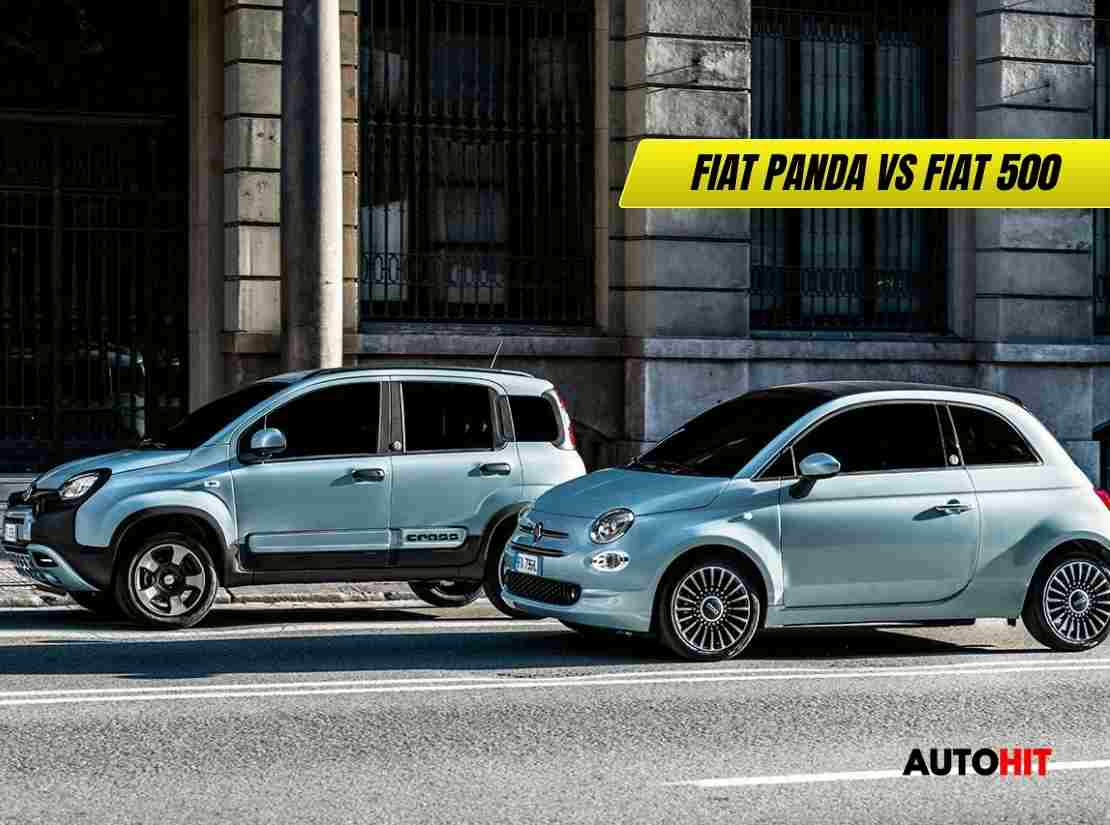
When considering Italian city cars, two names immediately pop up: Fiat Panda and Fiat 500. Both are iconic, both have loyal fans, but these two cars serve quite different purposes. Choosing between them depends on your lifestyle, budget, and preferences — and in 2025, their range of engines and features has evolved to meet modern demands, especially with electrification and hybrid technology entering the scene.
In this in-depth comparison, we will explore every crucial aspect — from design and performance to running costs and practicality — helping you decide which Fiat fits your life best.
Key Takeaways
- The Fiat Panda is versatile, practical, and offers better space, making it suitable for families and adventurous users.
- The Fiat 500 combines retro Italian style with cutting-edge technology and is ideal for urban driving and eco-conscious buyers.
- Both cars now come with mild hybrid versions improving fuel economy and reducing emissions.
- The Fiat 500 also offers a fully electric model with impressive range and zero emissions, setting it apart in the small car segment.
- Budget-wise, the Panda tends to be more affordable with simpler mechanics, while the 500 commands a premium for style and tech.
Design and Dimensions: Which Shape Fits Your Life?
| Feature | Fiat Panda | Fiat 500 |
|---|---|---|
| Length | 3,653 mm | 3,546 mm |
| Width | 1,643 mm | 1,627 mm |
| Height | 1,595 mm | 1,488 mm |
| Boot Capacity | 225 litres | 185 litres |
| Seats | 5 | 4 |
The Fiat Panda is the epitome of practical design. With its boxy, upright profile, it maximizes interior volume and headroom, offering a surprisingly spacious cabin for a city car. This makes it an excellent choice if you regularly carry passengers or cargo. The higher roofline also improves visibility, which is a plus for city and countryside driving alike.
In contrast, the Fiat 500 leans heavily into its heritage. Its iconic rounded shape, chrome accents, and compact footprint make it one of the most charming and recognizable cars on the road. The slightly lower height and snugger cabin emphasize style over space, targeting those who want a distinctive city runabout with a splash of personality.
Both cars come with a range of exterior color options and customization packages, but the 500’s “La Prima” electric version takes personalization to a new level with premium trims and high-tech LED lighting.
Engine Lineup and Environmental Impact
One of the biggest decisions when choosing between these two is the powertrain. Both models have adapted to the latest emission standards by offering mild hybrids — petrol engines supported by an electric motor to reduce fuel consumption and emissions. However, the Fiat 500’s fully electric version sets it apart as a forward-looking city car.
| Engine Type | Fiat Panda | Fiat 500 |
|---|---|---|
| Petrol | 1.0L 3-cylinder, 70 hp | 1.0L 3-cylinder, 70 hp |
| Mild Hybrid | 1.0L with 12V hybrid system | 1.0L with 12V hybrid system |
| Electric | Not available | 23.8 kWh battery, 180-190 miles range |
The Fiat Panda’s petrol and mild hybrid engines offer a straightforward driving experience, often praised for their simplicity and reliability. The optional 4×4 versions make the Panda suitable for rural roads, winter driving, or light off-road adventures — something the 500 cannot offer.
The Fiat 500 Electric is a serious contender in the EV market, with a 23.8 kWh battery that offers around 180-190 miles of real-world range. Thanks to fast-charging compatibility and the expanding UK charging infrastructure (see Zap-Map for latest network updates), it’s practical for urban dwellers wanting to reduce their carbon footprint.
For those interested in hybrids and electric vehicles, you might also want to check our detailed guide on Top 5 Diesel Hybrid Cars to Purchase in 2025, which covers a wide range of fuel-efficient options beyond the Fiat range.
Interior Comfort and Technology: Function Meets Flair
The Fiat 500 shines in this category. The cabin features a stylish dashboard with a digital 7-inch or optional 10.25-inch touchscreen infotainment system powered by Uconnect, supporting Apple CarPlay and Android Auto. The instrument cluster is fully digital on higher trims, and advanced safety features like automatic emergency braking, lane assist, and adaptive cruise control are available.
The Fiat Panda, while not as tech-heavy, is far from outdated. Its interior focuses on durability and function — ideal if you want a car that can take daily wear and tear without fuss. The Panda offers a 7-inch touchscreen with similar smartphone integration, plus practical touches like washable seat covers in some trims and a roomy boot accessible through a wide rear door.
If you’re curious about how these cars compare to other compact models, I recommend this comprehensive review on the 2025 Citroen C3 Aircross Electric, which explores similar themes of tech and versatility in a small SUV format.
Cost of Ownership: What Will It Really Cost You?
When it comes to budget, both purchase price and running costs matter.
| Model | Starting Price (GBP) | Estimated MPG | Annual Road Tax* |
|---|---|---|---|
| Fiat Panda 1.0 Hybrid | £15,000 | 55 mpg | £145 |
| Fiat Panda 4×4 | £18,500 | 45 mpg | £150 |
| Fiat 500 1.0 Hybrid | £18,000 | 58 mpg | £140 |
| Fiat 500 Electric | £24,500 | Equivalent 125 mpge | £0 |
*Based on 2025 UK vehicle tax regulations.
The Fiat Panda is generally the more affordable option upfront and in repairs, thanks to its simpler mechanics and wide availability of parts. However, its running costs are slightly higher than the 500 Hybrid due to fuel consumption and road tax.
The Fiat 500 Electric eliminates fuel costs entirely and qualifies for zero road tax, which is a considerable saving over time. Plus, if you charge at home using a smart tariff, the cost per mile can be as low as a few pence. Keep in mind, though, that insurance for electric vehicles can be higher depending on your area.
For a thorough breakdown on how electric and hybrid running costs compare across brands, see the Tesla Model Y vs Hyundai Ioniq 5 detailed comparison, which highlights many of the financial benefits of going electric in 2025.
Hands-On Impressions: Driving Both Models
Spending a week driving each car gave me practical insights beyond specs. The Fiat Panda 1.0 Hybrid felt rugged and reliable. Its raised driving position made urban traffic more manageable, and the spacious cabin was comfortable for longer trips. The 4×4 option is a plus for those who occasionally need to tackle country roads or poor weather conditions.
The Fiat 500 Electric, in contrast, was a joy in city traffic. It handled stop-start driving effortlessly with instant torque, and the regenerative braking system made it easy to drive one-pedal-style in busy areas. The interior felt modern and refreshing, with touchscreen controls responsive and well-designed. The limited rear space meant it’s best as a single or couple’s car.
FAQs
Which Fiat is better for families?
The Panda is the clear winner thanks to more space, five seats, and practical features like a bigger boot and optional 4×4.
Is the Fiat 500 electric suitable for daily commuting?
Yes, especially for urban or suburban routes where charging is accessible. Its range covers most daily trips comfortably.
Can I get advanced safety features on both cars?
Yes, but the 500 generally offers more advanced tech as standard or optional, including adaptive cruise control and autonomous emergency braking.
What about maintenance costs?
Panda’s simpler mechanics mean potentially cheaper maintenance. The 500 Electric, while low on mechanical wear, may have higher service costs related to the battery and electric components.
Are there government incentives for the electric 500?
Currently, UK schemes offer grants and tax breaks for EV buyers — check the latest on the UK Government’s Plug-in Car Grant page.
Conclusion
In summary, the Fiat Panda and Fiat 500 each have clear strengths:
- Fiat Panda: Practicality, space, ruggedness, affordability — a car for those who need versatility without frills.
- Fiat 500: Style, advanced tech, urban agility, and electrification — perfect for eco-conscious drivers and city dwellers who want to stand out.
Personally, having tested both, I see the Panda as a sensible all-rounder, while the 500 Electric represents a bold leap into sustainable urban driving with unmistakable Italian flair.
Choosing between these two is less about better or worse, and more about matching your daily needs with the car that complements your lifestyle.





