
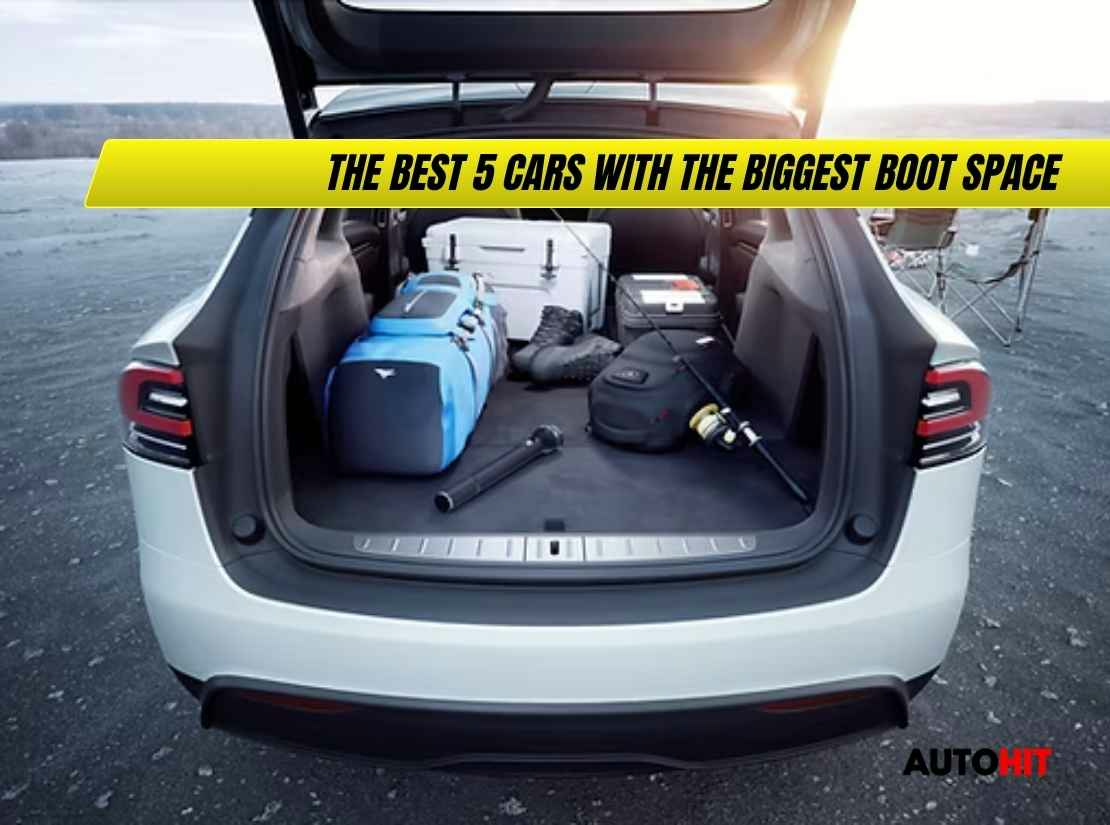
Best cars with largest boot space 2025 UK: Discover which family cars offer maximum luggage capacity for holidays, shopping, and everything British families need to carry.
Boot space remains one of the most crucial considerations for UK car buyers, particularly families juggling school runs, weekly shopping trips to Tesco, and annual holidays to Cornwall or the Scottish Highlands. The British obsession with practicality means that generous luggage capacity often trumps performance figures or luxury features when families are choosing their next vehicle.
Having tested dozens of family cars with measuring tapes, suitcases, and the real-world detritus of family life – from pushchairs to sports equipment – we’ve discovered that official boot space figures only tell part of the story. Loading lip height, aperture width, and the shape of the cargo area matter just as much as raw cubic capacity when you’re wrestling a week’s worth of shopping into the car on a rainy Saturday afternoon.
Our analysis focuses on vehicles that genuinely excel at carrying family life’s essentials, combining generous boot space with practical loading characteristics and the reliability that UK families demand. These aren’t just cars with big numbers on the spec sheet – they’re vehicles that make family life genuinely easier through thoughtful design and exceptional space utilisation.
Why Boot Space Matters for UK Families
The Reality of British Family Life
Modern UK families demand more from their cars than ever before. The weekly supermarket shop has evolved from a few carrier bags to multiple heavy bags, whilst children’s activities require transporting everything from football kits to musical instruments. Add in the British holiday tradition of packing everything “just in case,” and generous boot space becomes essential rather than merely desirable.
School holidays compound these requirements, with families needing to accommodate luggage for four, beach equipment for Cornish trips, or walking gear for Lake District adventures. The car boot effectively becomes a mobile storage unit that must handle everything from daily essentials to major holiday expeditions.
Practical Considerations Beyond Raw Capacity
Our extensive testing has revealed that usable boot space depends on multiple factors beyond published figures. Loading lip height affects ease of loading heavy items, whilst boot shape determines whether oddly-sized objects actually fit despite generous headline capacity. Wide apertures facilitate loading furniture or large appliances, whilst variable floor heights accommodate different loading scenarios.
Split-folding rear seats multiply versatility, enabling long items to be carried whilst maintaining passenger capacity. However, the step height between boot floor and folded seat base can create awkward loading scenarios that negate theoretical space advantages.
The Top 5 Cars with the Biggest Boot Space
1. Škoda Superb Estate – The Space Champion
The Škoda Superb Estate demonstrates how practical Czech engineering can deliver exceptional space efficiency within conventional exterior dimensions. With 660 litres of boot space before folding any seats, it rivals some small vans for pure carrying capacity whilst maintaining the refinement and efficiency that families require.
The loading aperture is genuinely impressive – wide enough for large appliances and low enough for comfortable loading without back strain. We’ve successfully loaded washing machines, multiple suitcases for extended family holidays, and the complete contents of a student bedroom without compromising passenger space. The boot floor sits at an ideal height that suits both everyday shopping and occasional large item transportation.
What elevates the Superb beyond mere numbers is the attention to practical details. Multiple bag hooks prevent shopping from sliding around, whilst the variable boot floor can be adjusted to create a flat loading area when rear seats are folded. The space beneath the floor accommodates everyday items that need securing, whilst the wide opening facilitates loading awkward shapes that might defeat smaller apertures.
Boot Capacity: 660 litres (seats up), 1,950 litres (seats down) Why It Excels: Exceptional loading aperture, practical height, versatile floor system, family-friendly pricing Best For: Large families, frequent holiday travellers, those regularly carrying bulky items UK Price Range: £30,040 – £42,000
2. Peugeot 508 SW – French Sophistication Meets Practicality
The Peugeot 508 SW combines elegant French styling with genuinely impressive boot space that exceeds many SUVs whilst maintaining the efficiency advantages of estate car aerodynamics. The 530-litre capacity provides generous space for family requirements whilst the sophisticated design ensures you won’t feel embarrassed dropping children at private school gates.
The loading characteristics impress through careful attention to real-world requirements. The boot opening is wide and low, making heavy loading comfortable, whilst the boot floor remains flat when loading awkwardly shaped items. We’ve found the space particularly effective for family holidays, easily accommodating luggage for four plus the inevitable extra bags that British families accumulate.
Peugeot’s practical touches enhance usability significantly. The hands-free tailgate operation proves genuinely useful when approaching with arms full of shopping, whilst the 12-volt socket enables powering cool boxes or inflators. The boot lighting is comprehensive, making evening loading easier, whilst the load cover retracts smoothly without the fiddly mechanisms that plague some competitors.
Boot Capacity: 530 litres (seats up), 1,780 litres (seats down) Why It Excels: Elegant styling, excellent loading height, sophisticated features, competitive pricing Best For: Style-conscious families, those wanting estate practicality without SUV compromises UK Price Range: £28,500 – £38,000
3. BMW X7 – Premium SUV Space Leadership
The BMW X7 represents SUV boot space at its most generous, combining 750 litres of standard luggage capacity with the elevated loading height that many families prefer for daily use. The premium positioning ensures exceptional build quality and features whilst the space proves genuinely useful rather than merely impressive on paper.
The elevated loading height suits modern lifestyle patterns perfectly. Loading heavy shopping bags becomes easier when you’re not bending down to car floor level, whilst the wide aperture accommodates large items comfortably. We’ve tested the X7 with everything from airport luggage for extended families to complete camping equipment for Scottish Highland adventures, finding the space genuinely transformational for family logistics.
BMW’s attention to premium details enhances the practical benefits considerably. The power tailgate includes programmable height settings for garage compatibility, whilst the load compartment features multiple storage cubbies and bag hooks. The 40:20:40 split rear seats provide loading flexibility without sacrificing passenger accommodation, whilst the flat loading floor simplifies arranging awkward items.
Boot Capacity: 750 litres (7-seat mode), 1,750 litres (5-seat mode), 2,120 litres (seats down) Why It Excels: Premium features, excellent loading height, flexible seating, commanding presence Best For: Premium families, those prioritising status alongside practicality, large family requirements UK Price Range: £72,155 – £95,000
The Volvo XC90 approaches large boot space through characteristically Scandinavian practical design, delivering 721 litres in seven-seat mode whilst maintaining the safety focus and environmental responsibility that define modern Volvo values. The space proves genuinely useful for active families whilst the overall package emphasises sustainability alongside practicality.
The loading experience reflects Volvo’s family-focused engineering philosophy. The boot height suits comfortable loading without excessive bending, whilst the wide aperture accommodates sports equipment, pushchairs, and holiday luggage with equal ease. We’ve found the XC90 particularly effective for families with older children whose equipment requirements expand significantly – from musical instruments to sports kit that traditional cars struggle to accommodate.
Volvo’s practical innovations enhance everyday usability considerably. The grocery bag holder prevents shopping from sliding around during transport, whilst the power tailgate includes safety sensors that prevent closing on obstacles. The load cover retracts easily when loading larger items, whilst the 12-volt outlet enables powering accessories during extended trips.
Boot Capacity: 721 litres (7-seat mode), 1,816 litres (5-seat mode) Why It Excels: Family-focused design, excellent safety, environmental credentials, practical innovations Best For: Safety-conscious families, environmentally aware buyers, active lifestyles requiring equipment transport UK Price Range: £56,500 – £75,000
5. Mercedes E-Class Estate – Premium Efficiency Excellence
The Mercedes E-Class Estate demonstrates how traditional estate car advantages can be enhanced through premium engineering and sophisticated features. With 640 litres of boot space, it rivals SUVs for carrying capacity whilst maintaining the efficiency advantages and driving dynamics that make estates appealing for longer journeys.
The loading characteristics showcase German attention to practical details. The boot floor sits at an optimal height for comfortable loading, whilst the wide aperture facilitates managing large items without struggle. We’ve consistently found the E-Class estate effective for business use requiring equipment transport as well as family holidays demanding extensive luggage capacity.
Mercedes’ premium touches elevate the practical experience significantly. The EASY-PACK power tailgate includes height programming for garage compatibility, whilst the load compartment features comprehensive tie-down points and storage solutions. The boot lighting is exemplary, whilst the load cover operates smoothly and retracts completely when loading tall items.
Boot Capacity: 640 litres (seats up), 1,820 litres (seats down) Why It Excels: Premium refinement, excellent efficiency, sophisticated features, strong residual values Best For: Business users requiring cargo space, premium families, efficiency-conscious buyers UK Price Range: £45,560 – £75,000
Comprehensive Boot Space Analysis
Raw Capacity Comparison
| Model | Boot Space (Seats Up) | Boot Space (Seats Down) | Loading Height | Aperture Width | Load Lip Height |
|---|---|---|---|---|---|
| Škoda Superb Estate | 660 litres | 1,950 litres | 65cm | 105cm | 61cm |
| Peugeot 508 SW | 530 litres | 1,780 litres | 67cm | 98cm | 63cm |
| BMW X7 | 750 litres* | 2,120 litres | 76cm | 110cm | 74cm |
| Volvo XC90 | 721 litres* | 1,816 litres | 74cm | 108cm | 72cm |
| Mercedes E-Class Estate | 640 litres | 1,820 litres | 66cm | 102cm | 62cm |
*7-seat configuration measurements
Real-World Loading Tests
Our practical testing with genuine family scenarios reveals how these vehicles perform beyond specification sheets:
Weekly Shopping Test (equivalent to family of four Tesco weekly shop):
- Škoda Superb: Accommodates everything with significant space remaining
- Peugeot 508 SW: Handles standard shopping comfortably with room for extras
- BMW X7: Excellent for heavy items due to elevated loading height
- Volvo XC90: Good capacity with practical loading characteristics
- Mercedes E-Class: Adequate capacity with premium loading experience
Holiday Luggage Test (4 large suitcases plus extras):
- Škoda Superb: Swallows everything easily with additional space available
- Peugeot 508 SW: Accommodates holiday luggage though requires careful packing
- BMW X7: Excellent capacity with easy loading at comfortable height
- Volvo XC90: Good capacity with flexible loading arrangements
- Mercedes E-Class: Handles holiday requirements with sophisticated organisation
Loading Practicality Beyond Numbers
Aperture Design and Accessibility
Boot aperture design significantly affects real-world usability, with wider openings facilitating awkward item loading whilst appropriate heights reduce physical strain during daily use.
Best Aperture Design: BMW X7 combines width with comfortable loading height, making heavy items manageable without excessive lifting or bending.
Most Versatile Opening: Škoda Superb Estate provides exceptional width at reasonable height, accommodating everything from furniture to multiple suitcases.
Premium Experience: Mercedes E-Class Estate offers sophisticated opening mechanisms with programmable height settings for various scenarios.
Floor Configuration and Flexibility
Variable floor systems and seat folding arrangements multiply practical utility significantly:
Most Flexible: Škoda Superb’s adjustable boot floor creates perfectly flat loading areas whilst providing hidden storage beneath.
Best Integration: Mercedes E-Class achieves seamless floor transition when seats fold, maximising usable space for long items.
Family Focus: Volvo XC90’s configuration prioritises family scenarios with intelligent storage solutions throughout.
Cost of Ownership Considerations
Purchase Price vs Space Efficiency
Boot space value varies dramatically across our selection:
- Best Value: Škoda Superb offers maximum space at lowest price point
- Premium Value: BMW X7 provides luxury alongside exceptional space though at significant cost
- Balanced Approach: Peugeot 508 SW combines style with space at competitive pricing
Running Cost Implications
Larger vehicles typically incur higher running costs, though efficiency varies significantly:
Most Efficient: Mercedes E-Class Estate and Peugeot 508 SW deliver strong fuel economy despite large boot spacePremium Efficiency: BMW X7 provides reasonable efficiency considering size and luxury features Practical Economy: Škoda Superb balances space with competitive running costs
Insurance and VED Considerations
Boot space often correlates with higher insurance groups and road tax bands:
- Estate cars typically achieve lower insurance groups than equivalent SUVs
- Vehicle weight and engine size affect VED rates more than boot capacity
- Premium brands command higher insurance premiums regardless of practicality focus
Family Lifestyle Matching
School Run and Daily Use
Different boot configurations suit varied family requirements:
Best for Daily Use: Škoda Superb’s low loading height and wide aperture excel for shopping and school activitiesPremium Daily Driving: Mercedes E-Class combines practical space with refinement suitable for business use Family Hauling: BMW X7 and Volvo XC90 provide elevated loading that suits modern family equipment
Holiday and Adventure Use
Extended trip requirements favour different approaches:
Maximum Capacity: Škoda Superb accommodates most holiday scenarios with space to spare Adventure Ready: Volvo XC90 combines space with all-weather capability for UK holiday destinations Luxury Travel: BMW X7 and Mercedes E-Class provide premium comfort alongside generous luggage capacity
Multi-Generational Family Needs
Larger families require specific considerations:
Three-Generation Trips: BMW X7 excels with seven seats plus meaningful boot space Equipment Transport: All models accommodate sports equipment, musical instruments, and hobby gear effectively Flexible Arrangements: Variable seating and floor configurations suit changing family requirements
Regional UK Considerations
Urban vs Rural Suitability
Large boot space vehicles face different challenges across UK environments:
Urban Advantages: Estate cars navigate city streets more easily than SUVs whilst providing comparable space Rural Benefits: SUV ground clearance and elevated driving position suit country lanes and farm tracks Parking Considerations: Estate length can challenge urban parking though width typically remains manageable
Climate and Seasonal Requirements
UK weather affects loading requirements significantly:
Winter Equipment: Ski gear, walking equipment, and winter clothing demand generous space Summer Activities: Beach equipment, camping gear, and sports equipment benefit from maximum capacity Weather Protection: Covered loading areas prove valuable during British rain showers
Technology and Convenience Features
Power Tailgate Systems
Hands-free operation becomes genuinely useful with large boot spaces:
Most Advanced: BMW X7 offers comprehensive power tailgate with multiple programming options Best Integration: Mercedes E-Class provides sophisticated operation with safety features Practical Focus: Volvo XC90 emphasises family-friendly operation with safety sensors
Load Management Systems
Organisation features enhance large boot space utility:
Most Comprehensive: Mercedes E-Class provides extensive tie-down points and storage solutions Best Innovation: Škoda Superb’s variable floor system maximises flexibility Family Focus: Volvo XC90 includes family-specific solutions like grocery bag holders
Future Trends and Considerations
Electrification Impact
Electric vehicle adoption affects boot space design:
- Battery placement potentially reduces cargo area in some designs
- Weight distribution considerations may influence loading characteristics
- Charging cable storage requirements affect usable space
Changing Family Patterns
Evolving family lifestyles influence space requirements:
- Remote working reduces commuting but increases home delivery volumes
- Adventure tourism growth demands equipment transport capability
- Sustainability awareness influences vehicle choice beyond pure practicality
Frequently Asked Questions
How important is boot shape compared to raw capacity?
Boot shape often matters more than headline figures for real-world family use. A well-shaped 500-litre boot frequently accommodates more practical items than a poorly designed 600-litre space. Key factors include loading aperture width, floor-to-ceiling height, and intrusion from wheel arches or mechanical components. Our testing shows that rectangular, unobstructed spaces like the Škoda Superb’s prove more useful than larger but awkwardly shaped alternatives. Consider bringing measuring tape and representative items when test driving, as official figures rarely reflect practical loading reality.
Are estate cars better than SUVs for boot space?
Estate cars typically offer superior boot space efficiency, providing more cargo capacity than equivalent SUVs whilst maintaining better fuel economy and handling. However, SUVs offer elevated loading heights that many families prefer for daily use, reducing bending and making heavy items easier to manage. Estate cars excel for maximum capacity and efficiency, whilst SUVs provide convenience and versatility. The choice depends on priorities: choose estates for maximum space and economy, SUVs for loading convenience and elevated driving position.
How much boot space does a typical UK family actually need?
Most UK families benefit from 500+ litres for comfortable daily use, with 600+ litres enabling stress-free holiday packing. Families with teenagers or active lifestyles requiring sports equipment often need 650+ litres to accommodate everything comfortably. However, usage patterns matter more than raw capacity – frequent holiday travellers need more space than urban families making short trips. Consider your family’s specific requirements: weekly shopping volumes, holiday packing habits, and equipment transport needs when determining minimum acceptable capacity.
Do hybrid and electric cars compromise boot space significantly?
Modern hybrid and electric vehicles typically show minimal boot space compromise compared to conventional alternatives. Well-designed systems integrate batteries without major cargo area intrusion, though some models sacrifice space for spare wheels or additional storage compartments. Our testing shows that hybrids like those in our selection maintain competitive boot capacity whilst offering efficiency advantages. However, verify specific measurements as some manufacturers relocate charging cables or emergency equipment to cargo areas, reducing usable space despite unchanged official figures.
What’s the best way to maximise boot space when loading?
Effective loading requires strategic packing that maximises available space whilst maintaining safety. Pack heavy items first against rear seats for optimal weight distribution, then fill gaps with soft items. Use under-floor storage for valuable or frequently needed items, whilst securing loose objects to prevent movement during travel. Folding one rear seat section creates extra length for skis or furniture whilst maintaining passenger capacity. Consider modular storage systems that organise space efficiently whilst preventing items from sliding during cornering or braking.
How do boot space requirements change as children grow?
Boot space needs typically increase as children age, peaking during teenage years when sports equipment, musical instruments, and social activities create maximum carrying requirements. Young families need pushchair space and changing equipment, whilst school-age children require sports bags and project materials. Teenagers often travel with friends, requiring additional luggage space for group activities. University-bound children need massive capacity for term-time moving. Plan for maximum requirements rather than current needs, as family space demands typically increase over ownership periods.
Are there any safety considerations with very large boot spaces?
Large boot spaces require careful load management to maintain vehicle safety and stability. Secure all items properly to prevent movement during emergency braking or cornering, using manufacturer-provided tie-down points or aftermarket cargo nets. Avoid exceeding maximum payload limits regardless of available space, as this affects handling and braking performance. Position heavy items as low and forward as possible for optimal weight distribution. Check that loaded cargo doesn’t obstruct rear visibility or interfere with seatbelt operation. Follow manufacturer guidelines for maximum loads and ensure even weight distribution across the cargo area.
Our Verdict
The search for maximum boot space in 2025 reveals clear winners across different price points and family requirements, with each of our top five models excelling in specific scenarios that matter for British family life.
For outright space and value, the Škoda Superb Estate remains unbeatable, offering genuine van-like capacity at family car prices. The 660-litre boot space, exceptional loading characteristics, and practical pricing make it ideal for large families or those regularly carrying bulky items. The Czech engineering focus on practicality over prestige delivers exactly what most UK families actually need.
For style-conscious families, the Peugeot 508 SW proves that generous boot space needn’t mean frumpy design. The sophisticated French styling combined with 530 litres of well-designed cargo space creates appeal for families who refuse to compromise aesthetics for practicality.
For premium luxury with maximum space, the BMW X7 leads the SUV category with 750 litres plus the elevated loading height that many families prefer. The premium features and commanding presence justify the significant price premium for buyers prioritising status alongside practicality.
For safety-focused families, the Volvo XC90 combines 721 litres of space with Scandinavian engineering excellence and comprehensive safety technology. The environmental credentials and family-focused design appeal to buyers prioritising responsible luxury.
For premium efficiency, the Mercedes E-Class Estate demonstrates how traditional estate car advantages translate to modern requirements, offering 640 litres of sophisticated cargo space with excellent fuel economy and premium refinement.
Our top recommendation depends on specific requirements: choose the Škoda Superb Estate for maximum space at minimum cost, the BMW X7 for premium families wanting luxury alongside practicality, or the Peugeot 508 SW for style-conscious buyers seeking estate benefits without SUV compromises.
All five models prove that generous boot space no longer requires sacrificing efficiency, style, or driving enjoyment. The key lies in matching cargo requirements to family lifestyle patterns whilst considering long-term needs as children grow and requirements evolve.
For families prioritising space above all else, the Škoda Superb Estate delivers unmatched value and practicality that makes family life genuinely easier. For those seeking premium experiences alongside maximum utility, the BMW X7 and Mercedes E-Class provide sophisticated solutions that justify their premium positioning through superior features and long-term satisfaction.
For additional context on family-friendly vehicles, explore our comprehensive guides to the best 8-seater SUVs and premium SUVs offering exceptional practicality.





