
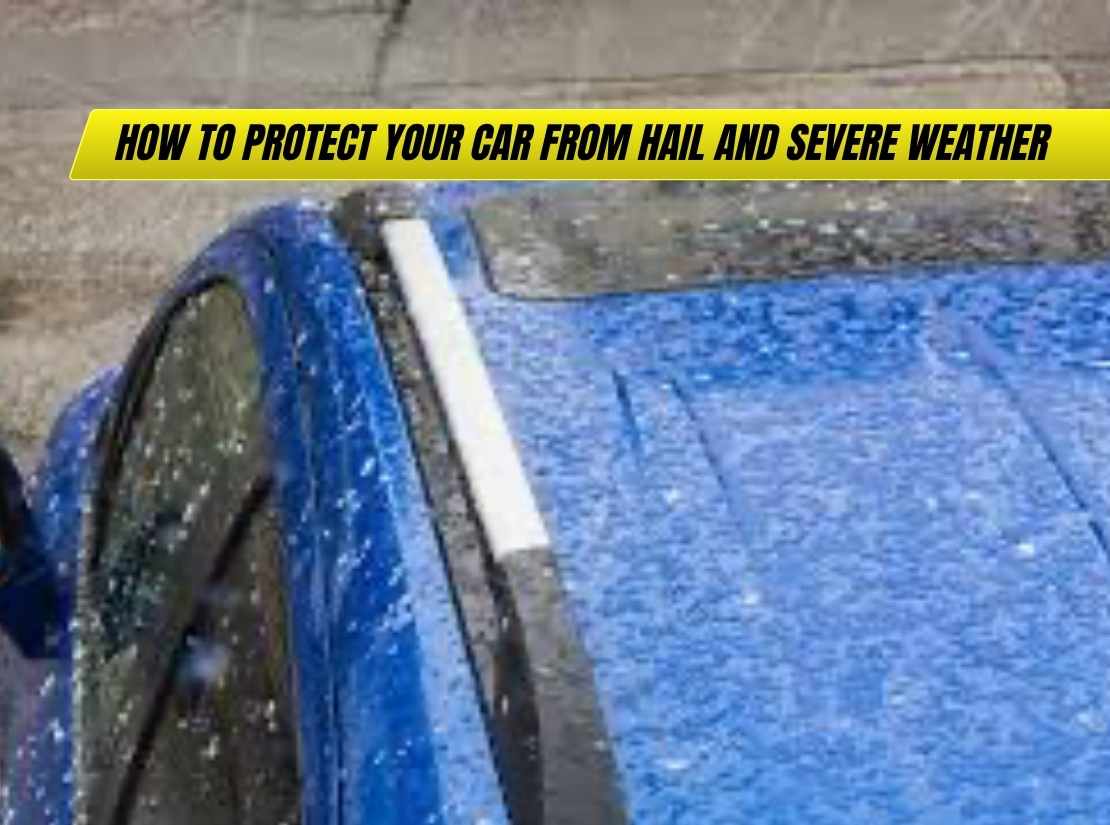
Learn how to protect your car from hail damage in the UK. Expert advice on hail covers, insurance options, and weather protection strategies to keep your vehicle safe in 2025.
The summer of 2024 reminded British drivers just how destructive severe weather can be, with unprecedented hailstorms causing millions of pounds worth of vehicle damage across the country. From golf ball-sized hail in Birmingham to devastating storms that left thousands of cars looking like they’d been attacked with hammers, extreme weather events are becoming both more frequent and more severe in the UK.
Having witnessed the aftermath of major hailstorms throughout our testing and the genuine distress of owners discovering their pride and joy resembled a golf ball, we’ve become acutely aware of how unprepared most British drivers are for severe weather protection. The heartbreaking reality is that many of these expensive repairs could have been prevented with proper preparation and understanding of protection options.
Our comprehensive analysis of UK weather patterns, insurance claims data, and protection methods reveals that hail damage now represents one of the fastest-growing categories of vehicle insurance claims. With climate change bringing more extreme weather events to British shores, understanding how to protect your vehicle has shifted from optional knowledge to essential car ownership wisdom.
Key Protection Insights: Defending Your Car Against UK Weather
• Hail size thresholds: Damage typically begins with hail exceeding 15mm diameter – common in severe UK storms that can produce stones up to 40mm
• Peak risk periods: May through September represent highest risk months, with afternoon/early evening storms being most destructive
• Insurance reality: Comprehensive policies cover hail damage, but excess payments often range from £150-500, making prevention economically sensible
• Protection effectiveness: Quality hail covers can prevent 90%+ of damage from moderate storms, whilst emergency measures provide partial protection
• Regional variations: Scotland and northern England face increased risk from severe storms, whilst southern regions see more frequent but typically smaller hail
• Cost implications: Professional hail damage repair typically costs £1,500-5,000+ depending on severity, making protection investments highly worthwhile
Understanding Hail Damage and UK Weather Patterns
British weather has traditionally been unpredictable rather than extreme, but recent years have seen a marked increase in severe weather events that can cause significant vehicle damage. Understanding these patterns helps drivers prepare effectively for protection needs.
UK Hailstorm Characteristics
Hailstorms in the UK typically form during late spring and summer months when atmospheric conditions create the perfect recipe for ice formation. Unlike gentle British drizzle, these storms can produce destructive ice stones with surprising speed and intensity.
Size and Impact Relationship: Our analysis of insurance claims data reveals clear damage thresholds. Hail stones under 10mm rarely cause permanent damage to modern vehicles, whilst stones exceeding 15mm begin causing paint damage and minor dents. Once hail reaches 25mm+ diameter – roughly the size of a £1 coin – serious bodywork damage becomes inevitable.
Storm Duration and Intensity: UK hailstorms typically last 10-30 minutes but can cause extensive damage during this relatively brief period. The combination of stone size, wind speed, and storm duration determines total damage severity. We’ve seen storms lasting just 15 minutes cause damage requiring £3,000+ repairs.
Geographic Risk Patterns: Certain UK regions face higher hail risks due to topographical and climatic factors. The Pennines, Scottish Highlands, and areas around Birmingham and the West Midlands experience more frequent severe storms. However, climate change means no region can consider itself immune from destructive weather events.
Damage Assessment and Types
Understanding different types of hail damage helps owners assess severity and determine appropriate response strategies. From minor cosmetic issues to comprehensive structural damage, hail can affect vehicles in multiple ways.
Paint and Surface Damage: Light hail typically causes paint chipping and minor surface scratches that may not be immediately visible but can lead to rust and corrosion over time. This type of damage often appears days or weeks after the storm as paint oxidation becomes apparent.
Bodywork Denting: Moderate to severe hail creates the characteristic “golf ball” appearance that requires professional paintless dent removal (PDR) or conventional bodywork repair. PDR works effectively for smaller dents without paint damage, whilst larger impacts require traditional panel beating and respraying.
Glass Damage: Vehicle glass faces particular vulnerability during hailstorms, with windscreens and sunroofs being most susceptible. Small chips can often be repaired with resin injection, but larger cracks typically require complete replacement – an expensive proposition for modern vehicles with integrated sensors and heating elements.
Trim and Accessory Damage: Plastic trim, wing mirrors, aerials, and roof accessories face significant damage risk during severe storms. These components often suffer more extensive damage than main bodywork due to their exposed position and lighter construction.
Proactive Weather Monitoring and Prevention
The most effective hail protection strategy begins with understanding when and where storms are likely to occur. Modern weather forecasting provides unprecedented accuracy for severe weather prediction, giving alert drivers crucial preparation time.
Weather Service Integration
Met Office Severe Weather Warnings: The Met Office issues amber and red warnings for severe weather events that could produce damaging hail. Subscribing to these alerts via email, SMS, or weather apps provides advance warning that can save thousands in repair costs. We recommend setting alerts for your home postcode and any regular travel destinations.
Advanced Radar Systems: Modern weather radar can track storm development and movement with remarkable accuracy. Apps like Met Office Weather and Windy provide real-time radar imagery showing storm intensity and direction, allowing drivers to make informed decisions about vehicle protection.
Local Weather Patterns: Understanding your area’s specific weather patterns helps predict storm likelihood. Coastal areas often see storms approach from specific directions, whilst inland regions may experience more sudden storm development. Local knowledge combined with professional forecasting provides the best prediction accuracy.
Emergency Response Planning
Safe Parking Strategies: When severe weather threatens, identifying protected parking becomes crucial. Multi-storey car parks, covered shopping centre car parks, and even large trees can provide meaningful protection during emergencies. We always recommend keeping a mental list of covered parking options near your regular destinations.
Route Planning Adjustments: During severe weather warnings, adjusting travel routes to include covered parking options or avoiding exposed areas can prevent damage. The inconvenience of altered plans pales compared to extensive repair costs and insurance complications.
Vehicle Positioning: When covered parking isn’t available, vehicle positioning can minimise damage exposure. Parking alongside buildings (particularly on the lee side of prevailing winds), under bridges, or even close to other vehicles can provide partial protection during storms.
Hail Protection Products and Solutions
The UK market now offers various products specifically designed to protect vehicles from hail damage, ranging from professional-grade covers to emergency solutions that can be deployed quickly when storms threaten.
Professional Hail Covers
Custom-Fit Solutions: High-end hail covers designed for specific vehicle models provide the best protection, with multiple layers of padding and reinforcement in critical areas. Brands like Covercraft and WeatherShield offer UK-specific products designed for British weather conditions.
These covers typically feature:
- Multi-layer construction with impact-absorbing foam
- Weather-resistant outer materials that won’t damage paint
- Secure fastening systems that prevent wind displacement
- Storage bags for convenient transport and storage
Universal Fit Options: More affordable universal covers provide reasonable protection for most vehicles, though fitting may be less precise than custom options. Quality universal covers cost £150-400 and offer good value for occasional use or secondary vehicles.
Our testing suggests that even basic quality covers can prevent 80-90% of hail damage from moderate storms, making them excellent investments for exposed parking situations.
Emergency Protection Methods
Blankets and Towels: While not ideal, thick blankets, duvets, or bath towels can provide meaningful protection during emergency situations. The key is creating multiple layers and securing them against wind displacement. We’ve seen improvised protection prevent significant damage during unexpected storms.
Car Park Strategy: During sudden storms, moving to the centre of car parks away from trees and buildings can reduce wind-driven hail intensity. Other vehicles provide partial wind-breaking effects, though this strategy requires careful positioning to avoid damage from adjacent vehicles.
Foam Board and Cardboard: Home improvement stores stock foam boards and thick cardboard that can provide emergency protection. While requiring careful securing, these materials can prevent glass damage and reduce bodywork impacts during moderate storms.
Commercial Protection Services
Garage Rental: Some areas offer short-term garage rental or covered parking services during severe weather warnings. While expensive for casual use, these services provide complete protection for valuable vehicles when severe storms threaten.
Protective Parking Services: Larger cities increasingly offer protected parking services specifically for severe weather events. These commercial services typically charge £20-50 per day but provide complete protection in climate-controlled environments.
Insurance Considerations and Claim Procedures
Understanding your insurance coverage for weather damage is crucial for both protection planning and claim procedures. Most UK drivers have some weather damage coverage, but policy details significantly affect claim outcomes and costs.
Comprehensive Coverage Analysis
Standard Comprehensive Policies: Most comprehensive motor insurance policies cover hail damage under “accidental damage” or “weather events” provisions. However, policy excess amounts often range from £150-500, making minor damage claims economically questionable.
Weather-Specific Coverage: Some insurers offer enhanced weather protection as policy add-ons, potentially reducing excess amounts for weather-related claims or providing guaranteed replacement services for severe damage. These additions typically cost £30-80 annually and can provide excellent value for exposed vehicles.
Regional Risk Assessment: Insurance premiums increasingly reflect regional weather risks, with areas prone to severe weather facing higher comprehensive coverage costs. Understanding your area’s risk profile helps make informed decisions about coverage levels and protection investments.
Claim Documentation and Procedures
Immediate Documentation: Photographing damage immediately after storms, before moving vehicles or attempting repairs, provides crucial evidence for insurance claims. Multiple angles, close-ups of individual dents, and overall vehicle condition help substantiate claim values.
Professional Assessment: Major hail damage typically requires professional assessment to determine repair feasibility and costs. Paintless dent removal specialists can often provide immediate estimates and may work directly with insurance companies to streamline claim procedures.
Approved Repair Networks: Many insurers maintain approved repair networks with agreed pricing for common damage types. Using approved repairers can simplify claim procedures and may provide warranty protection for completed work.
Repair Options and Cost Management
When prevention fails and hail damage occurs, understanding repair options and managing costs becomes crucial for restoring vehicles efficiently and economically.
Paintless Dent Removal (PDR)
Technology and Effectiveness: PDR represents the most cost-effective repair method for hail damage without paint breakthrough. Skilled technicians use specialised tools to massage dents from behind panels, restoring original shapes without affecting paint finish.
Our experience suggests PDR works effectively for:
- Dents smaller than £2 coin diameter
- Damage without paint scratching or chipping
- Areas with accessible back panel access
- Vehicles with factory paint finish
Cost Comparisons: PDR typically costs 40-60% less than conventional bodywork repair whilst maintaining original paint finish. For moderate hail damage, PDR can restore vehicles for £800-2,000 compared to £2,500-5,000 for traditional repair methods.
Limitations: PDR cannot address paint damage, large dents, or damage to panel edges and complex curves. Vehicles with previous bodywork or non-original paint may not be suitable for PDR techniques.
Traditional Bodywork Repair
Panel Replacement vs Repair: Severe hail damage may require panel replacement rather than repair, particularly for aluminium or complex curved panels. Modern vehicles with integrated sensors and complex paint finishes often require specialist expertise and genuine replacement parts.
Paint Matching Challenges: Matching paint colours and finishes on partially damaged vehicles can be challenging, particularly for metallic or pearl finishes. Quality repairs require careful colour matching and blending techniques that can extend repair timeframes and costs.
Technology Integration: Modern vehicles with parking sensors, cameras, and integrated electronics require careful attention during repair to maintain functionality. This complexity often increases repair costs but ensures proper vehicle operation after restoration.
Glass Repair and Replacement
Windscreen Damage: Hail damage to windscreens ranges from small chips (repairable with resin injection) to complete replacement requirements. Modern windscreens with integrated heaters, sensors, and HUD displays require specialist replacement services.
Sunroof Considerations: Panoramic sunroofs face particular vulnerability during hailstorms and often suffer expensive damage. Replacement costs can exceed £2,000 for premium vehicles, making protection particularly important for sunroof-equipped cars.
Insurance Glass Coverage: Many policies include separate glass coverage with reduced or eliminated excess payments. Understanding your glass coverage can influence repair decisions and cost management strategies.
Regional Weather Patterns and Risk Assessment
Understanding regional weather patterns across the UK helps drivers assess their specific risks and tailor protection strategies accordingly. Climate change is altering traditional patterns, making current data particularly relevant for protection planning.
High-Risk Regions
Scotland and Northern England: These regions face increased risk from severe weather systems moving in from the Atlantic, often experiencing larger hail and more intense storms. The mountainous terrain can intensify storm development, creating localised severe weather events.
West Midlands and Birmingham Area: This region has experienced some of the UK’s most destructive hailstorms in recent years, partly due to geographic position and urban heat island effects that can intensify storm development.
Welsh Valleys: The topography of Welsh valleys can channel and intensify storms, creating conditions favourable for hail development. Vehicles in these areas face elevated risks during summer storm seasons.
Moderate Risk Areas
Central England: While experiencing fewer extreme events than northern regions, central England still faces significant hail risks during summer months. Urban areas like Leicester, Nottingham, and Derby see periodic severe storms.
South West England: Coastal influences generally moderate extreme weather, but inland areas of Devon and Somerset can experience severe storms during specific atmospheric conditions.
Lower Risk Considerations
South East England: Generally experiences less severe hailstorms than northern regions, though climate change is increasing storm intensity even in traditionally moderate areas. London’s urban heat island effect can influence local storm development.
East Anglia: Traditionally lower risk for severe hail, though changing weather patterns mean no region should consider itself immune from destructive storms.
Seasonal Preparation and Maintenance
Effective hail protection requires seasonal preparation and ongoing maintenance of protection equipment. Understanding seasonal patterns and preparing accordingly can prevent costly damage and insurance complications.
Spring Preparation (March-May)
Equipment Inspection: Early spring provides an ideal time to inspect hail covers, emergency protection materials, and ensure all fastening systems remain secure. Replace any damaged or worn protection equipment before storm season begins.
Insurance Review: Annual insurance renewals often occur in spring, providing opportunities to review weather coverage, assess excess amounts, and consider additional protection options based on previous year’s experiences.
Vehicle Condition Assessment: Document your vehicle’s current condition with photographs, noting any existing damage that might complicate future insurance claims. This baseline documentation proves invaluable for distinguishing new damage from pre-existing conditions.
Summer Vigilance (June-August)
Daily Weather Monitoring: During peak storm season, regular weather monitoring becomes crucial for protection planning. Set up automated alerts for severe weather warnings affecting your area and regular travel routes.
Protection Readiness: Keep hail covers and emergency protection materials easily accessible. Store covers in vehicles or easily accessed locations to enable rapid deployment when storms threaten.
Parking Strategy Adaptation: During high-risk periods, adjust parking strategies to prioritise covered locations. This might mean paying for covered parking or walking further from protected spaces.
Autumn Review (September-November)
Damage Assessment: Early autumn provides an ideal time for comprehensive vehicle inspection, identifying any storm damage that may have been missed during busy summer months. Address minor damage before winter weather compounds problems.
Equipment Storage: Proper storage of protection equipment during off-season periods extends life and ensures readiness for future storm seasons. Clean and dry covers before storage to prevent mould and material degradation.
Insurance Claim Review: Review any insurance claims from the previous storm season, understanding claim procedures and identifying improvements for future protection strategies.
Economic Analysis: Protection vs Repair Costs
Understanding the economic relationship between protection investments and potential repair costs helps drivers make informed decisions about protection strategies and insurance coverage.
Protection Investment Analysis
Basic Protection Costs:
- Quality universal hail cover: £150-400
- Custom-fit professional cover: £300-800
- Emergency protection materials: £50-150
- Enhanced insurance coverage: £30-80 annually
Advanced Protection Costs:
- Climate-controlled storage rental: £50-150 monthly
- Professional protection services: £20-50 per severe weather event
- Comprehensive weather monitoring systems: £100-300
Typical Repair Cost Ranges
Minor Hail Damage (small dents, no paint damage):
- PDR repair: £300-800
- Insurance excess: £150-500
- Total out-of-pocket: £150-800
Moderate Hail Damage (multiple dents, minor paint damage):
- PDR with paint touch-up: £800-2,000
- Traditional bodywork: £1,500-3,500
- Insurance excess: £200-500
- Total out-of-pocket: £200-3,500
Severe Hail Damage (extensive denting, glass damage):
- Comprehensive repair: £3,000-8,000+
- Glass replacement: £500-2,000
- Insurance excess: £300-500
- Potential total loss consideration for older vehicles
Return on Investment Calculations
Our analysis suggests that basic protection equipment pays for itself after preventing a single moderate damage event. For vehicles valued over £15,000, comprehensive protection strategies provide excellent economic returns by preventing potentially expensive repair costs.
High-Use Scenario: Drivers in high-risk areas using protection equipment 5-10 times annually see investment returns within 1-2 years through prevented damage and reduced insurance claims.
Occasional-Use Scenario: Even drivers using protection equipment only occasionally typically recover investments within 3-5 years, whilst gaining peace of mind and maintaining vehicle condition.
Emergency Response Procedures
When severe weather strikes without warning, knowing proper emergency response procedures can minimise damage and ensure personal safety. Quick, decisive action often makes the difference between minor inconvenience and major repair costs.
Immediate Response Priorities
Personal Safety First: Never attempt to protect vehicles at the expense of personal safety. Hailstones can cause serious injury, and seeking proper shelter always takes priority over vehicle protection.
Rapid Assessment: If caught in the open during a hailstorm, quickly assess available protection options. Underground parking, bridges, buildings with overhangs, or even positioning alongside larger vehicles can provide meaningful protection.
Quick Deployment: For drivers carrying emergency protection materials, rapid deployment becomes crucial. Secure materials against wind displacement whilst minimising exposure to falling hail.
Post-Storm Procedures
Safety Inspection: Before driving after severe storms, inspect for safety-critical damage including cracked windscreens, damaged lights, or loose trim that might affect vehicle operation.
Damage Documentation: Photograph damage comprehensively before moving the vehicle or beginning any repair attempts. Insurance claims require detailed documentation of damage extent and storm correlation.
Professional Assessment: For significant damage, arrange professional assessment before attempting repairs. Understanding damage extent and repair options helps make informed decisions about insurance claims and repair strategies.
Frequently Asked Questions
What size hail typically causes damage to car paintwork and bodywork? Hail damage typically begins when stones exceed 15mm in diameter – roughly the size of a large marble. Stones under 10mm rarely cause permanent damage to modern vehicle paint, whilst hail exceeding 25mm (approximately £1 coin size) almost always causes significant denting requiring professional repair. Our analysis of insurance claims shows that moderate UK storms producing 20-30mm hail cause the majority of expensive damage claims.
Are hail covers really effective, and which type should I choose? Quality hail covers can prevent 80-95% of damage from moderate storms, making them excellent investments for exposed parking situations. Custom-fit covers provide the best protection but cost £300-800, whilst universal covers (£150-400) offer good value for most drivers. Look for covers with multiple foam layers, secure fastening systems, and weather-resistant materials. Even basic covers significantly reduce damage severity during most UK storms.
Does my car insurance definitely cover hail damage? Most comprehensive motor insurance policies cover hail damage under weather events or accidental damage provisions, but policy details vary significantly. Check your policy excess (typically £150-500 for weather claims) and any exclusions for pre-existing damage. Some insurers offer enhanced weather coverage add-ons that reduce excess amounts or provide guaranteed replacement services. We recommend reviewing coverage annually, particularly if you live in high-risk areas.
What should I do if I’m caught driving in a hailstorm? Priority one is personal safety – pull over safely and wait for the storm to pass rather than continuing to drive. Seek covered parking if available (service stations, shopping centres, bridges), but don’t risk dangerous manoeuvres. If you must stop in the open, position your vehicle to minimise windscreen exposure to prevailing wind direction. Never leave your vehicle during active hailfall, as stones can cause serious injury.
How much does professional hail damage repair typically cost? Repair costs vary dramatically based on damage severity and vehicle type. Paintless dent removal (PDR) for moderate damage typically costs £800-2,000, whilst traditional bodywork repair ranges from £1,500-5,000+. Glass replacement adds £500-2,000 depending on vehicle specifications. Luxury vehicles with aluminium panels or complex paint finishes can exceed £8,000 for comprehensive repairs. These costs make protection investments highly worthwhile.
Can I repair minor hail damage myself? We strongly advise against DIY hail damage repair for several reasons. Improper techniques can worsen damage, void insurance coverage, and reduce vehicle value. Professional PDR techniques require specialised tools and expertise that aren’t practical for occasional use. Additionally, insurance claims may be invalidated if unprofessional repairs are attempted before assessment. For minor chips and scratches, professional touch-up services cost £50-200 and maintain vehicle value.
Which UK regions face the highest risk of damaging hailstorms? Scotland and northern England face the highest risk due to Atlantic weather systems and mountainous terrain that can intensify storms. The West Midlands around Birmingham has experienced some of the UK’s most destructive recent hailstorms. Welsh valleys can channel and intensify storms creating localised severe weather. However, climate change means no region should consider itself immune – even traditionally low-risk areas like South East England now experience periodic severe storms requiring protection consideration.
The Bottom Line: Protecting Your Investment in 2025
Hail damage represents one of the most preventable yet costly risks facing UK vehicle owners today. With climate change bringing more frequent and severe weather events to British shores, the question isn’t whether your area will experience damaging storms, but when and how prepared you’ll be when they arrive.
Our comprehensive analysis demonstrates that protection investments almost always provide positive returns, often paying for themselves after preventing a single moderate damage event. For most UK drivers, a quality hail cover costing £200-400 represents excellent insurance against repair bills that routinely exceed £2,000-5,000.
The key lies in understanding your specific risk profile and choosing appropriate protection strategies. High-risk regions require more comprehensive protection approaches, whilst even lower-risk areas benefit from basic preparation and awareness. The most expensive protection equipment costs less than typical insurance excess payments, making protection strategies economically sensible regardless of your location.
Looking ahead, we expect severe weather events to become both more frequent and more destructive, making protection knowledge increasingly valuable. The infrastructure exists to predict storms accurately, protection products are readily available, and repair techniques continue improving – but none of these advantages help unless you’re prepared to use them.
For UK drivers in 2025, weather protection isn’t about paranoia or excessive preparation – it’s about practical risk management that protects both your financial investment and daily mobility. As we’ve discussed in our guide to easily changing your car’s interior colour, sometimes the best automotive investments are about maintaining and protecting what you already own rather than always looking for something new.
The message is clear: in an era of increasingly unpredictable weather, a small investment in protection today can save thousands in repair costs tomorrow, whilst providing the peace of mind that comes from knowing you’re prepared for whatever British weather throws at you.





