
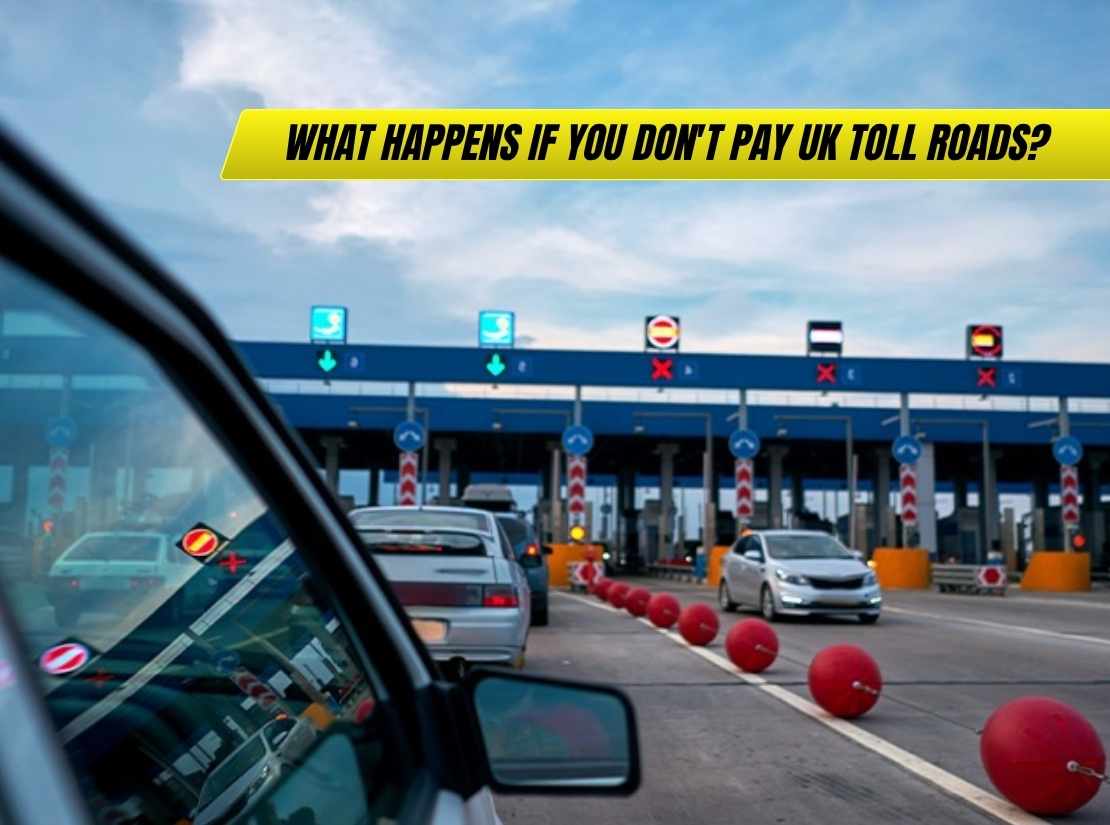
Complete guide to UK toll road payments: what happens if you miss the Dartford Crossing charge, congestion zones, and toll bridge penalties in 2025.
The maze of UK toll systems has caught countless drivers off-guard, from the Dartford Crossing’s electronic-only payment system to London’s expanding congestion charges. According to our analysis at AutoHit, missed toll payments have become one of the most common motoring penalties, with over 2.5 million unpaid charge notices issued annually across various UK toll systems.
Unlike continental European motorway tolls, Britain’s charging systems operate quite differently. We’ve examined the complex landscape of UK road charging – from traditional toll bridges like the Severn Crossing to modern electronic systems like the Dartford Crossing and various congestion zones. Understanding these systems has never been more important as local authorities expand charging schemes across major cities.
The consequences of missing payments vary dramatically between systems, from modest £2.50 charges escalating to £105 penalty notices to more serious enforcement action including court proceedings. What complicates matters is that each system operates different payment windows, enforcement procedures, and appeal processes, creating genuine confusion for drivers navigating Britain’s increasingly complex charging landscape.
Key Highlights: UK Toll Payment Essentials
• Payment windows vary dramatically – from 24 hours (Dartford) to 14 days (some congestion zones) • Penalty escalation is severe – charges can increase from £2.50 to £105+ within weeks • Multiple systems operate differently– each toll has unique payment methods and deadlines • Registration matters – DVLA data sharing enables automatic enforcement across most systems • Appeal rights exist but strict time limits apply to challenge unfair penalties • Technology solutions like automatic payment accounts can prevent most problems
Understanding the UK Toll Road Landscape
Major UK Toll Systems Overview
The UK’s toll road network differs fundamentally from European motorway systems, consisting primarily of specific crossings, bridges, and urban congestion zones rather than comprehensive motorway tolling. Having driven extensively across different charging areas, the inconsistency between systems creates genuine challenges for occasional users.
Primary UK Toll Systems:
- Dartford Crossing: Electronic-only payment covering the Queen Elizabeth II Bridge and tunnels
- Mersey Tunnels: Traditional toll booths with cash and electronic options
- Tamar Bridge: Connecting Devon and Cornwall with multiple payment methods
- London Congestion Charge: Urban zone covering central London
- Birmingham Clean Air Zone: Environmental charging for older vehicles
- Various historic toll bridges: Including Clifton Suspension Bridge and local authority-operated crossings
Regional Variations: Scotland operates differently, with most bridges and tunnels remaining toll-free following devolution decisions. Wales maintains some tolled crossings but has eliminated charges on major routes like the Severn Bridge. England retains the most complex mixture of charging systems.
Electronic vs Traditional Payment Systems
The shift towards electronic-only systems represents the most significant change in UK toll collection, eliminating cash payment options that many drivers still expect to find.
Electronic-Only Systems: The Dartford Crossing pioneered cashless toll collection in the UK, requiring payment by midnight the day after crossing. This system has proven controversial, catching drivers unprepared for the lack of traditional toll booths. Our experience suggests that first-time users frequently miss payments simply due to unfamiliarity with the process.
Hybrid Systems: Many crossings maintain both traditional booths and electronic options, though electronic payment typically offers discounted rates. The Tamar Bridge, for example, charges £2.70 for cash payments but only £2.00 for electronic accounts – a 26% saving that incentivises pre-registration.
Payment Technology Integration: Modern toll systems increasingly integrate with automatic number plate recognition (ANPR) technology and DVLA databases, enabling seamless charging for registered users while automatically pursuing payment from occasional users through vehicle registration details.
Dartford Crossing: The UK’s Most Controversial Toll
Payment Requirements and Deadlines
The Dartford Crossing operates Britain’s largest electronic toll system, processing over 50 million crossings annually through the Queen Elizabeth II Bridge and twin tunnels. The system’s complexity and strict payment deadlines create the highest volume of penalty notices in the UK.
Current Charges (2025):
- Cars: £2.50 per crossing
- Motorcycles: Free (but must still register crossing)
- Vans and small goods vehicles: £3.00
- HGVs: £6.00
Critical Payment Window: Payment must be completed by midnight the day after crossing. This 24-hour window proves insufficient for many drivers, particularly those discovering the requirement after returning from trips. The system operates 24/7 with no seasonal variations or exceptions.
Payment Methods Available:
- Online payment through official Dart Charge website
- Telephone payment service (automated and assisted options)
- Local Payzone outlets (limited availability)
- Automatic top-up accounts for regular users
- Fleet management accounts for commercial operators
Penalty Escalation Process
The Dartford Crossing operates the UK’s most aggressive penalty system, with charges escalating rapidly through multiple enforcement stages. Understanding this timeline is crucial for managing potential penalties effectively.
Penalty Timeline:
- Day 1-2: Free crossing period (payment by midnight day after)
- Day 14: First penalty notice issued (£70, reduced to £35 if paid within 14 days)
- Day 28: Penalty increases to full £70 if early payment discount missed
- Day 56: Charge certificate issued increasing penalty to £105
- Day 84+: Enforcement action including bailiff involvement and court proceedings
Evidence and Appeals: The system relies entirely on ANPR cameras and DVLA data matching. Appeals must demonstrate either technical system failures, vehicle cloning, or administrative errors. Success rates remain low unless clear evidence contradicts the automated detection system.
Our verdict after examining numerous penalty cases is that prevention through automatic payment accounts proves far more effective than attempting appeals after penalties are issued.
London Congestion Charge and ULEZ
Zone Operations and Payment Requirements
London’s congestion charging represents the UK’s most complex urban toll system, with multiple overlapping zones and charges that vary by vehicle type, emissions standards, and time of operation.
Current Zone Structure:
- Central London Congestion Charge: £15 daily charge (07:00-18:00 Monday-Friday, 12:00-18:00 weekends)
- Ultra Low Emission Zone (ULEZ): £12.50 daily for non-compliant vehicles (24/7 operation)
- Low Emission Zone (LEZ): HGV and large vehicle charges across Greater London
Payment Flexibility: Unlike the Dartford Crossing, London’s systems provide more generous payment windows. Charges can be paid up to 90 days in advance or until midnight on the charging day, with additional grace periods for registered users.
Exemptions and Discounts:
- Electric and hybrid vehicles: ULEZ exempt
- Disabled badge holders: 100% congestion charge discount
- Residents: 90% congestion charge discount
- Emergency services: Complete exemption
- Motorcycles: Congestion charge exempt, ULEZ charges apply if non-compliant
Enforcement and Penalty Structure
London’s enforcement system operates differently from crossing-based tolls, with more sophisticated detection methods and escalation procedures designed for urban environments.
Penalty Process:
- Penalty Charge Notice (PCN): £160 for congestion charge violations (reduced to £80 if paid within 14 days)
- ULEZ PCN: £180 for cars, £550 for larger vehicles (50% discount for early payment)
- Multiple charge accumulation: Each zone violation generates separate penalties
Appeal Rights: London provides robust appeal procedures through independent adjudicators, with higher success rates than many other UK toll systems. Common successful appeals include signage deficiencies, technical system errors, and vehicle exemption disputes.
Regional Toll Systems Across the UK
Traditional Bridge and Tunnel Tolls
Several UK crossings maintain traditional toll collection systems, though many have modernised payment options while retaining physical toll booths.
Mersey Tunnels (Queensway and Kingsway): Operating since 1934 and 1971 respectively, these tunnels maintain traditional toll collection alongside modern electronic options. Cash payments remain available, though electronic accounts offer significant savings for regular users.
- Standard car toll: £2.20 (cash) or £1.80 (electronic account)
- Motorcycle: £1.20 (cash) or £1.00 (electronic)
- Local resident discounts available through T-Flow accounts
Tamar Bridge (Devon-Cornwall): This strategic crossing maintains dual payment systems with substantial electronic discounts encouraging pre-registration.
- Cash payments: £2.70 cars, £1.40 motorcycles
- Electronic accounts: £2.00 cars, £1.00 motorcycles
- Annual passes available for frequent users
Historic and Local Authority Tolls
Britain maintains numerous smaller toll systems operated by local authorities, private companies, or charitable trusts. These often preserve historical toll rights dating back centuries.
Notable Examples:
- Clifton Suspension Bridge: 50p for cars (cash only during operating hours)
- Swinford Toll Bridge: £1.20 for cars (operated by private company since 1769)
- Whitchurch Toll Bridge: £1.00 for cars (charitable trust operation)
- Various local authority bridges: Charges typically £0.50-£2.00
Payment Characteristics: These systems typically operate limited hours, accept only cash, and maintain traditional toll booth collection. Enforcement procedures vary dramatically, with some offering appeal processes while others operate under historical legal frameworks providing limited recourse.
What Happens When You Miss Payment
Immediate Consequences and Grace Periods
The consequences of missing toll payments vary dramatically between systems, with some offering generous grace periods while others implement immediate penalty procedures.
System-Specific Grace Periods:
- Dartford Crossing: No grace period beyond midnight deadline
- London zones: Payment accepted until midnight on charging day
- Traditional tolls: Immediate payment required or alternative arrangements at discretion of operators
Enforcement Initiation: Modern electronic systems typically issue penalties automatically through ANPR detection and DVLA database matching. Traditional systems may involve manual reporting procedures that can create delays but ultimately result in similar enforcement action.
Penalty Escalation and Legal Consequences
Understanding the escalation process helps drivers respond appropriately to penalty notices and avoid more serious consequences.
Standard Escalation Timeline:
- Initial penalty notice: Typically issued 14 days after missed payment
- Early payment discount period: Usually 14 days at 50% reduction
- Full penalty period: Additional 14-28 days at full rate
- Charge certificate: Penalty increase of 50% for non-payment
- Enforcement action: Bailiff involvement and potential court proceedings
Legal Ramifications: Persistent non-payment can result in:
- County Court judgments affecting credit ratings
- Bailiff action for goods seizure
- Vehicle clamping or removal (where legally permitted)
- Driving licence endorsements (rare but possible for serious cases)
- Criminal prosecution for fraud (if deliberate evasion is proven)
Payment Methods and Prevention Strategies
Automatic Payment Solutions
The most effective strategy for avoiding toll penalties involves establishing automatic payment arrangements that eliminate manual payment requirements.
Account Types Available:
- Dartford Crossing: Dart Charge accounts with automatic top-up
- London: Auto Pay accounts for congestion and ULEZ charges
- Regional systems: Various electronic tag and account systems
- Universal solutions: Some third-party services cover multiple systems
Account Benefits:
- Automatic payment processing eliminating missed payment risk
- Discounted rates compared to casual users
- Account balance monitoring and low-balance alerts
- Historical journey tracking for expense management
- Fleet management options for commercial users
Technology and Mobile Solutions
Modern technology provides numerous tools for managing UK toll payments, from official apps to third-party reminder services.
Official Mobile Apps:
- Dart Charge: Real-time payment and account management
- London (TfL): Integrated payment for all London transport charges
- Regional apps: Various systems for local toll management
Third-Party Solutions: Several companies offer consolidated toll management services covering multiple UK systems. These typically charge small fees but provide comprehensive coverage and automated payment handling.
GPS and Navigation Integration: Modern sat-nav systems increasingly integrate toll information and can provide advance warnings about upcoming charges. Some systems offer direct payment integration, though adoption remains limited across UK toll operators.
Appeals Process and Your Rights
Understanding Appeal Procedures
Each UK toll system operates different appeal procedures, with varying success rates and requirements for evidence submission.
Common Appeal Grounds:
- Technical system failures: ANPR errors, incorrect vehicle identification
- Administrative errors: Wrong vehicle details, duplicate charges
- Signage deficiencies: Inadequate warning signs or unclear information
- Vehicle exemptions: Disability badges, emergency service vehicles
- Exceptional circumstances: Medical emergencies, vehicle breakdowns
Evidence Requirements: Successful appeals typically require:
- Photographic evidence of signage or road conditions
- Vehicle documentation proving exemption eligibility
- Third-party confirmation of circumstances (medical certificates, AA reports)
- Technical evidence contradicting automated detection systems
Success Rates and Realistic Expectations
Appeal success rates vary dramatically between systems, with London’s independent adjudication process showing higher success rates than automated corporate systems.
Typical Success Rates:
- London systems: 30-40% success rate for reasoned appeals
- Dartford Crossing: 10-15% success rate (primarily technical errors)
- Traditional tolls: Variable depending on operator discretion
- Commercial fleet appeals: Higher success rates due to professional representation
Time Limits and Procedures: Most systems allow appeals within 28 days of penalty notice issue, though some extend this period for exceptional circumstances. Late appeals face automatic rejection unless compelling reasons justify the delay.
Our experience suggests that early intervention produces better results than waiting until enforcement escalation begins. Professional advice becomes worthwhile for commercial operators facing multiple penalties or high-value enforcement action.
Cost Analysis and Financial Planning
Understanding True Costs
The financial impact of missed toll payments extends well beyond the original crossing charges, with penalty escalation creating disproportionate costs for simple oversights.
Cost Escalation Examples:
- Dartford Crossing: £2.50 original charge → £105 final penalty (4,100% increase)
- London Congestion Charge: £15 original charge → £160 penalty (967% increase)
- ULEZ violation: £12.50 original charge → £180 penalty (1,340% increase)
Hidden Costs:
- Credit rating impact: County Court judgments remain on file for six years
- Administrative fees: Bailiff and enforcement agent charges
- Legal representation: Professional advice for serious cases
- Time costs: Appeal procedures and court attendance
- Insurance implications: Some insurers consider persistent penalty accumulation as risk factors
| System | Original Charge | Early Penalty | Full Penalty | Final Enforcement | Total Possible Cost |
|---|---|---|---|---|---|
| Dartford Crossing | £2.50 | £35 | £70 | £105 + costs | £200+ |
| London Congestion | £15.00 | £80 | £160 | £240 + costs | £400+ |
| ULEZ Car | £12.50 | £90 | £180 | £270 + costs | £450+ |
| ULEZ Large Vehicle | £12.50 | £275 | £550 | £825 + costs | £1,200+ |
| Traditional Tolls | £0.50-£3.00 | Variable | Variable | Court costs | £100-500+ |
Commercial Vehicle Considerations
Commercial operators face particular challenges with UK toll systems, as business vehicles often cross multiple charging zones and drivers may lack familiarity with payment procedures.
Fleet Management Strategies:
- Centralised account management: Single point of control for all toll payments
- Driver education programs: Training on payment procedures and penalties
- Route planning integration: Avoiding unnecessary toll charges through alternative routing
- Automated expense tracking: Integration with business accounting systems
- Legal compliance monitoring: Ensuring systematic payment to avoid enforcement action
Future of UK Toll Systems
Technology Evolution and Integration
The UK toll landscape continues evolving towards greater integration and technological sophistication, with implications for future payment procedures and enforcement.
Emerging Trends:
- Unified payment systems: Potential consolidation across multiple toll operators
- Satellite-based charging: Technology trials for comprehensive road pricing
- Real-time payment integration: Vehicle-based automatic payment systems
- Dynamic pricing: Variable charges based on traffic conditions and demand
- Enhanced exemption management: Improved systems for disability and emergency service exemptions
Policy Developments: Government reviews of road pricing suggest potential expansion of toll systems as alternatives to traditional vehicle taxation. This could fundamentally change the UK motoring landscape, making toll payment management an essential skill for all drivers.
Environmental Charging Expansion
Clean Air Zones and Low Emission Zones represent the fastest-growing category of UK road charging, with multiple cities implementing or planning environmental charging systems.
Planned Implementations:
- Manchester Clean Air Zone: Commercial vehicle charges
- Newcastle Clean Air Zone: Bus and taxi restrictions
- Sheffield Clean Air Zone: Comprehensive vehicle coverage
- Various local authority schemes: Environmental charging for older vehicles
These systems typically follow London’s model but with local variations in charging levels, exemptions, and enforcement procedures. The expansion creates additional complexity for drivers operating across multiple regions.
Frequently Asked Questions
What should I do if I’ve missed the Dartford Crossing payment deadline?
Pay immediately through the official Dart Charge website or phone service, even if the midnight deadline has passed. While a penalty charge notice will still be issued, immediate payment demonstrates good faith and may help with any subsequent appeal. Set up an automatic account to prevent future missed payments, as the system offers no grace period beyond the strict midnight deadline.
Can I appeal a toll penalty if I genuinely forgot to pay?
Unfortunately, simple forgetfulness is not usually accepted as grounds for appeal by UK toll systems. Appeals typically succeed only for technical errors, administrative mistakes, vehicle exemptions, or exceptional circumstances like medical emergencies. However, it’s always worth trying if you have any mitigating factors, as some operators exercise discretion for first-time offenders or unique situations.
How do toll systems know my vehicle details if I don’t pay?
UK toll systems use Automatic Number Plate Recognition (ANPR) cameras connected to DVLA databases, which provide registered keeper details for penalty notice issuing. This system operates automatically across most modern toll systems, making it virtually impossible to avoid detection if you use a tolled route without paying the required charge.
What happens if I receive multiple penalty notices for the same journey?
Contact the toll operator immediately, as this usually indicates a system error or duplicate processing. Most operators will cancel duplicate charges upon investigation. Keep records of your payment attempts and any correspondence, as multiple penalties for a single journey are typically administrative errors that can be resolved through direct contact with customer service.
Are there any toll roads where I can still pay cash?
Yes, several UK toll systems still accept cash payments, including the Mersey Tunnels, Tamar Bridge, and most traditional toll bridges. However, electronic payment usually offers significant discounts. The Dartford Crossing and London’s congestion systems are entirely cashless. Check specific toll operator websites before travelling to confirm accepted payment methods.
Can toll penalties affect my credit rating?
Yes, unpaid toll penalties can result in County Court judgments that negatively impact your credit rating for up to six years. This typically occurs after the full enforcement process when penalties remain unpaid despite multiple notices. Early payment or successful appeals prevent credit rating damage, making prompt action essential when receiving penalty notices.
What’s the best way to manage tolls if I drive across multiple UK charging zones?
Set up automatic payment accounts with major operators (Dart Charge for Dartford, Auto Pay for London) and research route-specific requirements before long journeys. Some third-party services offer consolidated toll management, though these typically charge fees. Modern sat-nav systems increasingly provide toll warnings, helping you prepare for upcoming charges and payment requirements.
The UK’s diverse toll systems create genuine challenges for drivers, with inconsistent payment methods, varying deadlines, and severe penalty escalation making advance preparation essential. While the systems may seem designed to catch drivers off-guard, understanding the rules and establishing appropriate payment arrangements prevents most problems.
Our Bottom Line: Prevention through automatic payment accounts and advance research proves far more effective than attempting to resolve penalties after they’re issued. The relatively modest cost of most UK tolls becomes irrelevant when penalties can exceed 1,000% of the original charge.
The key lies in treating toll management as part of journey planning rather than an afterthought. Modern drivers need familiarity with electronic payment systems, penalty procedures, and appeal rights to navigate Britain’s increasingly complex charging landscape effectively.
Perfect for the school run and weekend trips to the Cotswolds, understanding UK toll systems becomes essential as environmental charging expands across major cities. The investment in automatic payment accounts and route awareness pays dividends in avoided penalties and reduced journey stress.
Looking ahead, toll system integration and technological advancement promise simpler payment procedures, though the current fragmented landscape requires active management from drivers operating across multiple regions. Those who adapt to electronic payment systems now will find future developments easier to navigate.





