
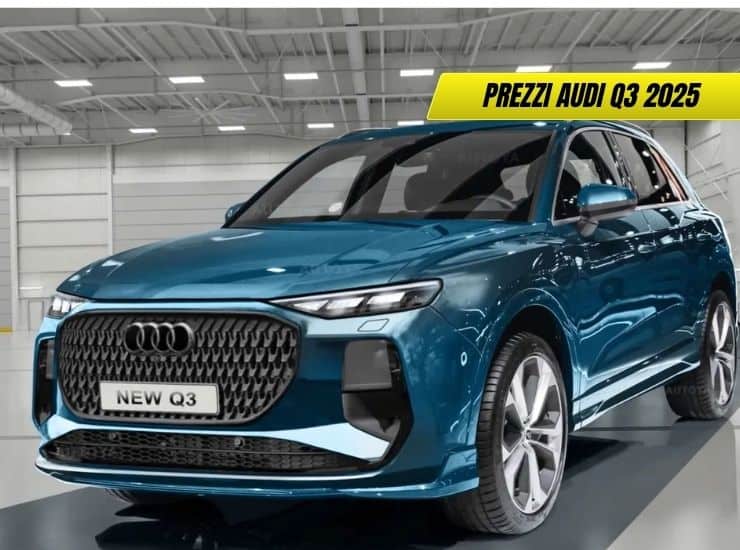
Audi Q3 2025: The Third-Generation Compact Premium SUV That’s Redefining Entry-Level Luxury in the UK
After seven years of sterling service, Audi’s popular Q3 compact SUV has finally entered its third generation, bringing with it a comprehensive overhaul that positions the German brand’s entry-level SUV as a genuine contender against the BMW X1 and Mercedes-Benz GLA. More than just a mid-life refresh, this is a ground-up reimagining of what an affordable premium SUV should offer.
We’ve been anticipating this moment since spy shots first emerged showing the heavily camouflaged prototypes testing across Europe. The outgoing Q3 served Audi admirably, selling over a million units globally and establishing the brand’s credentials in the burgeoning compact SUV segment. However, after seven years, even the most loyal Audi customers were beginning to notice how the competition had moved on.
The new Q3 arrives at a pivotal moment for the premium compact SUV market. With BMW’s brilliant X1 setting new standards for technology and efficiency, Mercedes pushing the GLA toward greater luxury, and newer players like the Genesis GV70 raising the bar for value, Audi needed to deliver something genuinely special. Based on our initial analysis, they appear to have succeeded admirably.
Key Highlights
• Competitive Pricing: Starting from £38,300 for the TFSI model and £45,800 for the plug-in hybrid, undercutting key rivals while offering premium specification • Advanced Technology: Digital Matrix LED headlights with micro-LED elements, Android Automotive OS, and trickle-down tech from flagship Audi models • Plug-in Hybrid Range: eHybrid variant offers up to 74 miles of electric-only driving – among the best in class for real-world usability • Enhanced Space: 488 litres boot capacity expanding to 1,386 litres with seats folded, plus improved passenger accommodation throughout • Comprehensive Engine Range: From efficient 150PS mild-hybrid to potent 265PS quattro variants, catering to diverse driving needs • Summer 2025 Launch: UK sales begin July 2025 for TFSI/TDI models, with eHybrid following in August
Design and Exterior: Audi’s New Design Language in Miniature
The third-generation Q3 showcases Audi’s latest design philosophy, bringing styling cues from the brand’s electric models to the compact SUV segment. The transformation is immediately apparent – this is a more muscular, confident-looking vehicle that finally escapes the conservative shadow of its predecessors.
Up front, the wide Singleframe grille dominates the fascia, flanked by sleek digital Matrix LED headlights featuring micro-LED elements. These aren’t just aesthetic upgrades; the intelligent headlights actively adjust beam patterns for optimal illumination while avoiding dazzling oncoming traffic. It’s technology previously reserved for Audi’s flagship models, now democratised for the compact SUV segment.
The profile reveals the Q3’s new proportions most clearly. An ascending, creased character line runs from the front fenders to the rear, while sculpted lower door sections emphasise the sporty stance. The wheelbase remains unchanged, but clever packaging improvements create a more spacious feel both inside and out.
At the rear, new OLED taillights connected by a narrow LED strip provide a distinctive night-time signature. The illuminated four-ring badge – now standard across the range – adds a premium touch that was previously reserved for higher-end models. S line variants benefit from additional underbody diffusers and sportier styling elements.
Aerodynamic Efficiency
Despite its more muscular appearance, the new Q3 actually improves on its predecessor’s aerodynamic efficiency. Flush door handles, active aerodynamic elements, and careful attention to airflow management help reduce drag and wind noise. The result is improved fuel economy and a quieter cabin at motorway speeds.
Interior and Technology: Premium Cabin with Sustainable Touches
Step inside and the Q3’s transformation becomes even more apparent. The interior design borrows heavily from the latest A6 and Q7, creating a genuinely premium environment that doesn’t feel like a budget option within the Audi range.
The dashboard centres around a curved panoramic display featuring a 12.8-inch MMI touch screen and 11.9-inch Audi Virtual Cockpit Plus. The system runs Android Automotive OS, providing access to Google Maps, Google Assistant, and third-party apps through the integrated Audi Application Store. For many buyers, this represents their first experience with truly integrated smartphone connectivity.
Sustainable Materials and Build Quality
Audi has made a concerted effort to incorporate sustainable materials throughout the cabin. Upholstery fabrics use recycled polyester, while other trim elements incorporate responsibly sourced materials. The build quality remains exemplary – switches operate with typical Audi precision, and panel gaps are tight and consistent.
The redesigned steering wheel control unit creates additional storage space in the centre console, addressing a common complaint about the outgoing model. Acoustic glazing for the front side windows comes as standard, significantly reducing road noise intrusion at higher speeds.
Space and Practicality
Passenger accommodation has improved across the board. Front seat occupants benefit from increased adjustment ranges and better lateral support, while rear passengers enjoy marginally more legroom despite the unchanged wheelbase. The sliding and reclining rear bench adds versatility for mixed passenger and cargo duties.
Boot space measures 488 litres with rear seats in place – competitive if not class-leading. With seats folded, capacity expands to 1,386 litres, providing genuine estate car practicality when required. The loading lip remains reasonably low, and the wide aperture makes loading bulky items straightforward.
Performance and Powertrain: Electrification Across the Range
The third-generation Q3 embraces electrification across its entire powertrain lineup, reflecting Audi’s broader transition toward sustainable mobility. Every engine benefits from some form of hybrid assistance, improving both efficiency and performance.
TFSI 150PS Mild-Hybrid
The entry-level powerplant pairs a 1.5-litre turbocharged petrol engine with 48-volt mild-hybrid technology. The system provides seamless start-stop functionality and can coast with the engine switched off at speeds between 34-99 mph. Total system output of 150PS provides adequate performance for most driving scenarios, with the hybrid assistance particularly noticeable during urban driving.
TFSI quattro 265PS
For those seeking more performance, the range-topping petrol variant delivers 265PS and 400Nm of torque through Audi’s quattro all-wheel-drive system. This combination provides genuinely brisk acceleration while maintaining respectable fuel economy figures. The quattro system distributes power intelligently between axles, enhancing traction in challenging conditions.
TDI Diesel Option
Audi continues to offer a 2.0-litre TDI diesel variant, recognising that many UK buyers still prioritise maximum range and fuel efficiency. While power figures haven’t been confirmed, expect output in line with other VAG group applications – likely around 150PS with impressive torque delivery.
eHybrid Plug-in Hybrid
The standout powertrain is undoubtedly the eHybrid variant, offering up to 74 miles of electric-only range from its 19.7kWh battery pack. Total system output reaches 272PS, providing strong performance alongside impressive efficiency credentials. For company car users, the low CO2 emissions translate to minimal Benefit-in-Kind tax liability.
The electric range figure is particularly impressive – at 74 miles, it exceeds many daily commutes and allows for genuinely electric-only local driving. Combined with rapid charging capability, the eHybrid variant represents excellent value for drivers seeking to reduce their environmental impact without range anxiety.
Driving Experience: Comfort Meets German Precision
Early international driving impressions suggest Audi has successfully balanced comfort and engagement in the new Q3. The adaptive suspension system – standard on higher trim levels – continuously adjusts damping based on road conditions and driving style, providing a composed ride without sacrificing handling precision.
Progressive steering, which quickens its ratio as lock is applied, makes the Q3 feel more agile in tight corners while reducing effort during parking manoeuvres. Combined with the quattro all-wheel-drive system on higher-powered variants, the Q3 provides confident handling in most conditions.
The various Audi Drive Select modes – Efficiency, Comfort, Dynamic, and Offroad+ – allow drivers to tailor the experience to their preferences. Most buyers will likely settle on Comfort for daily use, which strikes an excellent balance between ride quality and responsiveness.
Refinement and NVH
Acoustic improvements are immediately noticeable. The standard acoustic glazing, improved door seals, and active noise cancellation create a cabin environment that feels genuinely premium. Wind noise is well-controlled even at motorway speeds, while road noise intrusion is minimal on most surfaces.
Technology and Safety: Flagship Features in a Compact Package
The new Q3 benefits from significant technology trickle-down from Audi’s flagship models. Digital Matrix LED headlights represent the standout feature – these intelligent units can mask sections of the beam to avoid dazzling oncoming traffic while maintaining maximum illumination elsewhere.
Inside, the infotainment system represents a generational leap forward. The Android Automotive OS foundation provides seamless smartphone integration, while the AI-powered voice assistant can handle complex natural language commands. Over-the-air updates ensure the system remains current throughout the ownership period.
Advanced Driver Assistance
Standard safety equipment includes adaptive cruise control, lane-keeping assistance, automatic emergency braking, and rear cross-traffic alert. Higher trim levels add more sophisticated systems like Emergency Assistant, which can take control of the vehicle if the driver becomes incapacitated.
The optional head-up display – standard on eHybrid models – projects key information onto the windscreen, reducing the need to look away from the road. Route guidance, speed limits, and safety warnings all appear in the driver’s direct line of sight.
Premium Audio
The available SONOS premium sound system offers exceptional audio quality with multiple sound profiles. Given SONOS’s reputation in the home audio market, this partnership represents a significant upgrade over typical automotive audio systems.
UK Market Positioning and Trim Levels
Audi has structured the Q3 range to compete directly with established rivals while offering clear value propositions at each level. Three main trim levels cater to different buyer priorities:
Sport Trim (Entry Level)
Starting at £38,300, Sport trim includes 18-inch alloy wheels, cloth upholstery, heated front seats, adaptive cruise control, and comfort suspension. The specification feels genuinely generous rather than obviously pared-back to hit a price point.
S line
Adding approximately £3,000, S line trim brings 19-inch alloy wheels, sport styling elements, leather upholstery, privacy glass, and the aforementioned digital Matrix LED headlights. For many buyers, this represents the sweet spot between value and equipment.
Edition 1
The launch edition features 20-inch wheels, black styling package, red brake callipers, and additional premium trim elements. While more expensive, it demonstrates the Q3’s potential when fully specified.
Comparison: Q3 vs Key Rivals
| Feature | Audi Q3 2025 | BMW X1 2024 | Mercedes GLA 2024 | Volvo XC40 2024 |
|---|---|---|---|---|
| Starting Price | £38,300 | £37,000 | £36,000 | £35,000 |
| Boot Space | 488L (1,386L folded) | 540L (1,435L folded) | 435L (1,320L folded) | 452L (1,328L folded) |
| PHEV Range | 74 miles | 57 miles | 44 miles | 28 miles |
| Power Range | 150-265PS | 136-313PS | 163-387PS | 163-408PS |
| Standard Kit | Digital Matrix LED | LED headlights | LED headlights | LED headlights |
| Warranty | 3yr/60k miles | 3yr/unlimited | 3yr/unlimited | 3yr/60k miles |
| Our Take | Best tech | Most dynamic | Luxury leader | Safety champion |
The comparison reveals the Q3’s competitive positioning. While not the cheapest entry point, the standard specification justifies the premium, particularly regarding technology and build quality. The 74-mile PHEV range is genuinely class-leading and addresses real-world usage patterns.
As we noted in our comprehensive analysis of Audi Q3 pros and cons, the previous generation established strong foundations that this new model builds upon successfully.
Frequently Asked Questions
Is the 2025 Audi Q3 genuinely worth £38,300 compared to rivals?
The pricing reflects the comprehensive standard specification and technology content. Digital Matrix LED headlights, Android Automotive OS, acoustic glazing, and premium build quality justify the premium over budget alternatives. When similarly specified, rivals often exceed the Q3’s pricing.
How does the 74-mile electric range compare in real-world driving?
The eHybrid’s electric range is genuinely class-leading and covers most urban commutes entirely on battery power. Unlike some rivals with theoretical ranges that prove optimistic, Audi’s figure appears conservative and achievable in mixed driving conditions.
What’s the difference between Sport and S line trim levels?
S line adds approximately £3,000 but includes 19-inch wheels, sport styling, leather upholstery, digital Matrix LED headlights, and privacy glass. For most buyers, the visual and equipment upgrades justify the premium, making S line the logical choice.
Is quattro all-wheel drive necessary for UK conditions?
Quattro comes standard with the higher-powered engines and significantly improves traction in wet conditions common in the UK. While not essential for most drivers, it provides valuable confidence during challenging weather and when fully loaded.
How does the new infotainment system compare to BMW and Mercedes?
The Android Automotive OS foundation provides superior smartphone integration and over-the-air update capability compared to most rivals. The interface feels more intuitive than Mercedes’ MBUX and more responsive than BMW’s iDrive in base specification.
What’s the real-world fuel economy for the mild-hybrid system?
While official figures await confirmation, expect combined economy around 45-50mpg for the 150PS mild-hybrid in real-world driving. The 48-volt system provides meaningful efficiency improvements, particularly in stop-start urban driving.
Should I wait for the eHybrid or buy a TFSI model now?
If your daily driving rarely exceeds 50 miles and you have home charging capability, the eHybrid’s August arrival justifies waiting. For higher-mileage drivers or those without charging access, the TFSI mild-hybrid offers excellent efficiency without plug-in complexity.
Sustainability and Environmental Impact
Audi has made significant efforts to improve the Q3’s environmental credentials beyond just offering electrified powertrains. The manufacturing process incorporates renewable energy sources, while the increased use of recycled materials reduces overall environmental impact.
The eHybrid variant’s 74-mile electric range enables genuinely zero-emission driving for most daily journeys. Combined with the ability to charge using renewable electricity, this represents a substantial reduction in lifecycle emissions compared to conventional powertrains.
For company car users, the low CO2 emissions of the eHybrid translate to minimal Benefit-in-Kind tax rates, making premium mobility more accessible while supporting corporate sustainability goals.
AutoHit’s Verdict: Audi Raises the Compact Premium SUV Bar
The third-generation Audi Q3 represents exactly the comprehensive update the model needed. Rather than simply refreshing the styling and adding a few features, Audi has fundamentally reimagined what their entry-level SUV should be. The result is a genuinely competitive offering that doesn’t feel like a compromise.
What impresses us most is the technology integration. Digital Matrix LED headlights, Android Automotive OS, and sophisticated driver assistance systems create an ownership experience that genuinely feels premium. These aren’t afterthought additions but carefully integrated systems that enhance daily usability.
The powertrain range addresses diverse needs effectively. The mild-hybrid system provides meaningful efficiency improvements for most buyers, while the eHybrid variant’s 74-mile electric range enables genuinely practical plug-in operation. Even the continued diesel option acknowledges that some buyers prioritise maximum range above all else.
Interior quality matches our expectations for the Audi brand, with the added benefit of sustainable materials that don’t compromise on premium feel. The improved space utilisation and enhanced refinement create a cabin environment that justifies the premium positioning.
Our only reservation concerns the competitive landscape. The BMW X1 remains more engaging to drive, while the Mercedes GLA offers greater luxury ambience in higher specifications. However, the Q3’s combination of technology, efficiency, and build quality creates a compelling package that many buyers will find irresistible.
The pricing strategy appears well-judged. Starting at £38,300, the Q3 isn’t the cheapest option, but the comprehensive specification justifies the premium. When compared to our recent analysis of premium SUVs under £60k, the Q3 represents excellent value in its segment.
For buyers seeking a premium compact SUV that doesn’t compromise on technology or efficiency, the new Q3 deserves serious consideration. It successfully bridges the gap between affordable mainstream offerings and genuinely premium alternatives, providing Audi ownership accessibility without diluting the brand experience.
The summer 2025 launch timing is perfect for buyers looking to make the transition to electrified motoring without the complexity of a fully electric vehicle. With the eHybrid offering genuine electric-only capability for most daily driving, the Q3 represents an ideal stepping stone toward zero-emission mobility.
Based on everything we’ve seen, the third-generation Q3 looks set to continue Audi’s success in the compact premium SUV segment while raising standards for the competition. For British families seeking premium German engineering with modern efficiency, the wait will be worthwhile.
The 2025 Audi Q3 goes on sale in the UK in July 2025 for TFSI and TDI models, with the eHybrid variant following in August. Final specifications and pricing will be confirmed closer to launch.





