
The dramatically redesigned seven-seat SUV offers impressive space and hybrid efficiency, but conservative driving dynamics hold it back
Starting from £46,775, the new Santa Fe trades its generic predecessor for striking angular styling, 212bhp hybrid power, and class-leading interior space
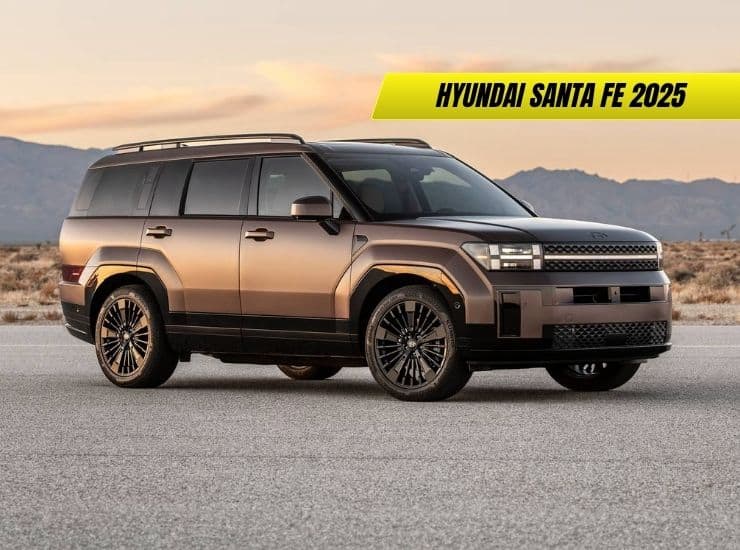
The Hyundai Santa Fe has undergone the most dramatic transformation in its 25-year history, emerging from its conservative cocoon as a bold, angular statement piece that looks more like a concept car than a mainstream family SUV. This fifth-generation model abandons the forgettable styling of its predecessor in favour of a striking, boxy design that immediately commands attention on British roads.
We’ve tested enough seven-seat SUVs to know that bold styling must be backed by substance to succeed in this competitive segment. The Santa Fe delivers impressive interior space, competitive hybrid efficiency, and comprehensive equipment levels, but conservative driving dynamics and uninspiring performance prevent it from challenging segment leaders like the Skoda Kodiaq or premium alternatives.
For UK families seeking a practical seven-seat SUV with hybrid efficiency, the Santa Fe offers compelling space and equipment at competitive prices, though buyers seeking dynamic engagement should look elsewhere.
Key Highlights
• Radical design transformation with angular, concept-car styling featuring distinctive H-shaped light signatures and boxy proportions • 212bhp hybrid system combining 1.6-litre turbo petrol with electric motor for 9.6-second 0-62mph performance • Class-leading interior space with 2,032-litre maximum cargo capacity and genuine seven-seat capability for adults • £46,775 starting price for front-wheel-drive hybrid, with all-wheel-drive adding £2,055 and PHEV from £51,105 • Comprehensive standard equipment including dual 12.3-inch displays, wireless charging, and advanced safety systems • Conservative driving dynamics prioritising comfort over engagement with soft suspension and leisurely performance
Revolutionary Design: From Forgettable To Unforgettable
The Santa Fe’s visual transformation represents one of the most dramatic reinventions in recent automotive history. Where the previous generation blended into traffic with generic SUV styling, this new model demands attention with its unapologetically angular design language.
Exterior Styling
The front end features Hyundai’s distinctive H-shaped LED daytime running lights integrated into vertical headlight clusters, while the angular bumper incorporates large air intakes that emphasise the vehicle’s substantial presence. The boxy proportions maximise interior space while creating a purposeful, almost industrial aesthetic.
Side profiles reveal the Santa Fe’s substantial dimensions – 4,830mm long, 1,900mm wide, and 1,720mm tall – with prominent wheel arches housing wheels up to 20 inches in diameter. The angular window line and vertical rear quarter windows maximise visibility while contributing to the SUV’s distinctive character.
The rear design continues the H-motif theme with angular LED taillights positioned low on the tailgate, creating a substantial visual mass that emphasises the Santa Fe’s robust proportions. The vertical tailgate design optimises boot access and maximises cargo capacity.
Interior Design Philosophy
Inside, the Santa Fe adopts a more sophisticated approach than its extroverted exterior might suggest. The dashboard features horizontal lines that create visual width, while the curved dual-screen display setup provides a modern, premium feel reminiscent of luxury German SUVs.
Particular attention has been paid to practical details: the steering wheel centre features Morse code dots spelling ‘H’ for Hyundai, while comprehensive storage solutions include 17 cup holders throughout the cabin – possibly a UK record for any single vehicle.
Powertrain Performance: Efficiency Over Excitement
The Santa Fe abandons diesel engines entirely in favour of petrol-electric hybrid systems that prioritise efficiency and refinement over outright performance. The standard hybrid combines a 158bhp 1.6-litre turbocharged petrol engine with a 64bhp electric motor for 212bhp total output.
Hybrid System Operation
The six-speed automatic transmission integrates the electric motor smoothly, providing instant torque delivery that masks turbo lag during urban driving. However, the 1.4kWh battery provides minimal electric-only capability – less than a mile of pure electric range makes this more of a fuel-saving system than a meaningful electric driving experience.
Performance figures reflect the Santa Fe’s leisurely character: 0-62mph takes 9.6 seconds for the front-wheel-drive model (9.8 seconds for all-wheel-drive), making it significantly slower than rivals like the BMW X5 or other premium alternatives.
Real-World Efficiency
Official fuel economy figures claim between 34-36mpg depending on drivetrain configuration, with real-world testing achieving approximately 32-35mpg in mixed driving conditions. While respectable for such a large SUV, these figures don’t quite match the efficiency leaders in the segment.
Plug-In Hybrid Alternative
The PHEV variant increases total output to 250bhp through a larger 90bhp electric motor and 13.8kWh battery pack, enabling 34 miles of electric range and reducing the 0-62mph time to 9.3 seconds. However, the £4,330 premium over the standard hybrid requires careful consideration of real-world usage patterns to justify the additional cost.
Interior Space And Practicality: Class-Leading Capability
The Santa Fe’s boxy proportions translate into exceptional interior space that genuinely accommodates seven adults comfortably – a rare achievement in this segment. The 45mm increase in overall length compared to the previous generation provides additional legroom in all three rows.
Seating Configuration
The second row gains 20mm of additional legroom while the third row benefits from 15mm more space, creating genuinely usable accommodation for adults rather than relegating the rearmost seats to children only. All rear seats feature reclining backrests and can fold completely flat to create a massive loading area.
Optional second-row captain’s chairs reduce capacity to six but provide enhanced comfort and easier third-row access, though the power-folding mechanism operates frustratingly slowly when needed quickly.
Cargo Capacity
Boot space ranges from 621 litres with all seats in use to 2,032 litres with rear seats folded – among the largest in the seven-seat SUV segment. The high loading lip reflects the SUV’s substantial ground clearance, but the standard power tailgate eases access in all situations.
Family-Friendly Features
Practical touches abound throughout the cabin: dual wireless charging pads, multiple USB-C outlets, and even a UV-C sterilisation compartment in the front passenger area – a Covid-era addition that remains useful for sanitising frequently-used items.
The rear climate control zone provides independent temperature control for rear passengers, while multiple storage compartments and bottle holders ensure family journeys remain organised and comfortable.
Driving Experience: Comfort Over Dynamics
The Santa Fe prioritises ride comfort and refinement over dynamic engagement, reflecting its positioning as a family cruiser rather than a driver’s SUV. The soft suspension setup effectively absorbs road imperfections, creating a composed and comfortable environment for long-distance travel.
On-Road Behaviour
Despite weighing nearly two tonnes, the Santa Fe feels manageable in urban environments thanks to its upright driving position and comprehensive visibility. The boxy styling actually aids manoeuvrability by making the vehicle’s extremities easy to judge during parking and tight manoeuvres.
Highway cruising reveals the Santa Fe’s relaxed character, with minimal wind noise and effective sound insulation creating a serene cabin environment. However, the engine becomes noticeably coarse under load, disrupting the otherwise refined experience when overtaking or climbing hills.
Handling Limitations
The soft suspension and considerable mass limit the Santa Fe’s dynamic capabilities. While perfectly adequate for daily driving, enthusiastic cornering reveals significant body roll and a reluctance to change direction quickly. The steering feels appropriately weighted but lacks feedback, making the driving experience competent but uninvolving.
Off-Road Capability
All-wheel-drive models include multiple terrain modes and a locking centre differential, providing respectable capability across grass, gravel, and moderate inclines. However, the low-profile tyres and lack of serious off-road hardware limit true adventuring capability – this remains primarily a road-focused family vehicle.
Technology And Equipment: Comprehensive Standard Specification
The Santa Fe’s technology offering reflects Hyundai’s commitment to providing comprehensive equipment across all trim levels. Even the base variant includes dual 12.3-inch displays, wireless charging, and advanced driver assistance systems that rival premium alternatives.
Infotainment System
The curved display array combines digital instruments with a central touchscreen that responds quickly to inputs and rarely experiences lag during normal operation. Wireless Apple CarPlay and Android Auto integration work reliably, while the built-in navigation system provides clear guidance with augmented reality overlays.
Physical controls for climate and audio functions provide welcome tactile feedback, avoiding the frustrating touch-sensitive interfaces found in some rivals. Customisable shortcut buttons allow drivers to personalise frequently-used functions.
Safety Technology
Comprehensive driver assistance systems include adaptive cruise control, lane-keeping assistance, blind-spot monitoring, and autonomous emergency braking that operates at intersections. The systems work effectively without being overly intrusive, providing confidence during long-distance driving.
Premium Features
Higher trim levels add features like a head-up display, Bose premium audio system, and heated/ventilated seats with massage functions. However, the standard equipment levels are so comprehensive that many buyers may find the base specification entirely adequate.
Market Position And Value Proposition
At £46,775 for the front-wheel-drive hybrid, the Santa Fe positions itself competitively against seven-seat rivals while undercutting premium alternatives significantly. The all-wheel-drive hybrid adds £2,055, while the PHEV variant starts from £51,105.
Competitive Analysis
Compared to the Skoda Kodiaq, which starts around £35,000, the Santa Fe commands a substantial premium. However, the Hyundai’s larger dimensions, hybrid drivetrain, and comprehensive equipment help justify the price difference.
Premium alternatives like the BMW X7 or Mercedes GLS start significantly higher, making the Santa Fe attractive for buyers seeking luxury-level space and equipment without premium badges or prices.
Value Assessment
The Santa Fe’s value proposition relies heavily on its combination of space, equipment, and warranty coverage. Hyundai’s five-year unlimited mileage warranty provides excellent peace of mind, while the comprehensive standard specification reduces the need for expensive options.
Company Car Considerations
The hybrid’s CO2 emissions of approximately 145-155g/km result in relatively high company car tax rates compared to PHEV alternatives. However, the lower purchase price and fuel efficiency may offset the tax disadvantage for many users.
Alternative Options For UK Seven-Seat Buyers
The seven-seat SUV segment offers numerous alternatives depending on priorities and budget:
For Better Value: The Skoda Kodiaq provides similar space at lower prices, though without the Santa Fe’s hybrid efficiency or comprehensive equipment.
For Premium Appeal: The BMW X7 or Mercedes GLS offer superior materials and prestige, but at significantly higher prices with questionable value propositions.
For Better Dynamics: The Mazda CX-90 provides more engaging driving characteristics while maintaining seven-seat capability, though with less interior space than the Santa Fe.
For Electric Alternative: The BMW iX or Mercedes EQS SUV offer zero-emission driving but at premium prices with charging infrastructure considerations.
Frequently Asked Questions
How does the Santa Fe’s third row compare to rivals for adult passengers? The Santa Fe offers genuinely usable third-row space for adults, with 15mm more legroom than the previous generation. While not as spacious as the larger Hyundai Palisade, it significantly exceeds most seven-seat SUVs in this price range, making it one of the few vehicles where adults can comfortably occupy all three rows.
Is the hybrid system reliable, and what are the maintenance implications? Hyundai’s hybrid systems have proven reliable across the range, with the Santa Fe using proven technology from the Tucson. The small battery pack and simple system design minimise complexity, while Hyundai’s five-year unlimited mileage warranty covers hybrid components. Service costs remain comparable to conventional petrol engines.
How does real-world fuel economy compare to official figures? Official economy figures of 34-36mpg prove realistic in mixed driving conditions, with careful drivers achieving the upper end of this range. Urban driving can exceed official figures, while sustained motorway cruising may see efficiency drop to around 30-32mpg – respectable for such a large vehicle.
Is the bold styling likely to age well or become dated quickly? The Santa Fe’s angular design represents a significant departure from current styling trends, making its longevity difficult to predict. However, the functional benefits of the boxy proportions should ensure continued appeal, while the distinctive appearance helps the vehicle stand out in an increasingly homogeneous segment.
How does the all-wheel-drive system perform in British weather conditions? The mechanical all-wheel-drive system with locking centre differential provides effective traction in snow and mud. While not designed for serious off-roading, it offers sufficient capability for British weather conditions and occasional light off-road use, making the £2,055 premium worthwhile for many buyers.
What are the main drawbacks compared to premium German rivals? The Santa Fe lacks the refined driving dynamics and premium cabin materials of German alternatives, while the coarse engine note under load disrupts the otherwise refined experience. However, the significantly lower price and superior space efficiency may outweigh these limitations for practical buyers.
How does the PHEV variant justify its premium pricing? The PHEV’s £4,330 premium provides 34 miles of electric range and slightly improved performance, but requires regular charging to realise benefits. For buyers with home charging and short daily commutes, the lower running costs may justify the additional expense, though careful calculation of usage patterns is essential.
The Bottom Line: Space And Style Over Sporting Pretensions
The Hyundai Santa Fe succeeds brilliantly as a spacious, well-equipped family SUV that makes a bold visual statement while providing exceptional interior accommodation. The hybrid drivetrain delivers acceptable efficiency without the complexity of plug-in systems, while the comprehensive standard equipment reduces the need for expensive options.
However, the Santa Fe’s conservative driving dynamics and uninspiring performance prevent it from challenging dynamic leaders in the segment. According to our analysis at AutoHit, this SUV works best for buyers prioritising space, equipment, and visual impact over driving engagement or sporting pretensions.
The bold styling represents a significant risk for Hyundai, but the functional benefits of the boxy proportions and the comprehensive equipment specification create compelling value for families seeking maximum space at competitive prices. The five-year warranty provides additional confidence for long-term ownership.
For UK buyers seeking a distinctive seven-seat SUV with genuine adult accommodation in all rows, the Santa Fe offers excellent value despite its dynamic limitations. The hybrid efficiency and comprehensive specification make it particularly attractive against premium alternatives costing significantly more.
Our verdict: The Santa Fe succeeds as a bold, spacious family SUV with impressive equipment levels, but conservative dynamics limit its appeal to buyers prioritising practicality over driving pleasure. The striking design and competitive pricing create strong value in the seven-seat segment.
The Santa Fe proves that Korean manufacturers can create genuinely distinctive vehicles without sacrificing practicality or value – even if driving thrills remain elusive.
This Hyundai Santa Fe review forms part of AutoHit’s comprehensive coverage of seven-seat family SUVs. For more insights into large family vehicles, explore our guides to the best eight-seater SUVs and premium SUVs under £60k.





