
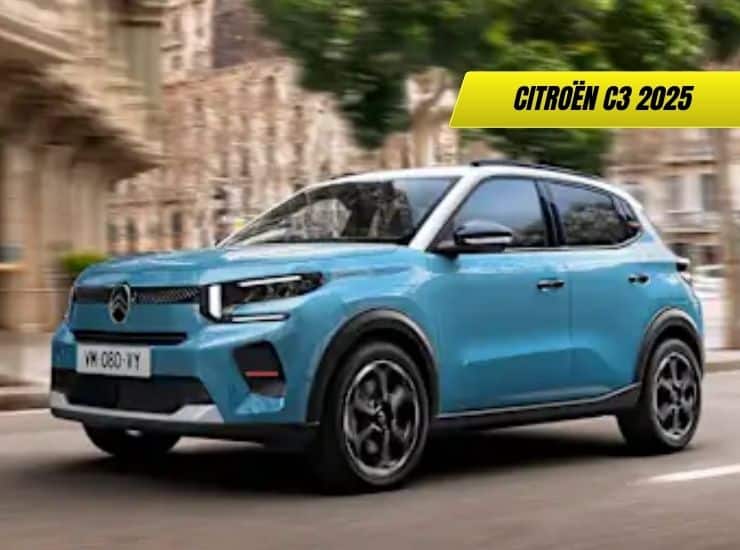
The all-new Citroën C3 2025 brings radical styling and budget pricing from £15,900. Our review covers the quirky B-SUV’s practicality, tech options, and UK appeal.
Sometimes the automotive industry needs a manufacturer brave enough to buck conventional wisdom, and Citroën has never shied away from that responsibility. The all-new C3 for 2025 represents the French brand’s most radical departure yet from mainstream design thinking, transforming from a conventional supermini into a striking B-SUV that looks like it’s driven straight out of a concept car sketch. The question isn’t whether it’s different – that’s immediately obvious – but whether different translates into desirable for UK buyers.
According to our analysis at AutoHit, the new C3 represents Citroën’s attempt to democratise distinctive design whilst addressing the realities of modern car buying budgets. We’ve tested enough budget SUVs to know that most prioritise value over personality, often resulting in forgettable transportation rather than engaging ownership experiences. The C3 reverses this formula, offering genuine visual impact alongside competitive pricing that starts from just £15,900.
The reality for UK families is that the small SUV segment has become increasingly expensive whilst growing ever more homogeneous. Most B-SUVs now start above £25,000, pushing affordable family transport out of reach for many buyers. Citroën’s decision to position the C3 as a genuinely affordable alternative whilst maintaining the elevated driving position that modern buyers expect could prove inspired – assuming the execution matches the ambition.
Key Highlights
• Revolutionary Design Language: Direct inspiration from Oli concept car creates genuinely distinctive styling that divides opinion but guarantees attention • Exceptional Value Positioning: Starting price of £15,900 undercuts most B-SUV rivals by significant margins whilst maintaining essential family practicality • Flexible Technology Strategy: Base ‘You’ trim uses smartphone integration instead of built-in infotainment, intelligently reducing costs without compromising functionality • Multiple Powertrain Options: Petrol, mild-hybrid and pure electric variants provide choice across different budgets and usage patterns • Practical SUV Packaging: Despite compact 4.01m length, offers genuine five-seat capability with 310-litre boot expanding to 1,180 litres • Advanced Safety Package: Comprehensive ADAS suite including adaptive cruise control and emergency braking across all trim levels
Design Revolution: Love It or Hate It
The new C3’s styling represents Citroën’s most controversial design decision since the original Cactus Airbumps. Drawing direct inspiration from the Oli concept car, the production model maintains that prototype’s angular, almost pixelated aesthetic that looks simultaneously retro-futuristic and refreshingly honest about its SUV intentions.
At 4,010mm long, 1,750mm wide and 1,590mm tall, the C3 occupies classic B-SUV dimensions whilst appearing significantly more substantial thanks to its squared-off proportions. The 2,540mm wheelbase ensures adequate interior space despite the compact external footprint, though the upright stance inevitably affects aerodynamic efficiency.
Distinctive Details That Define Character
The front fascia features three-element LED headlights connected by a dark band housing Citroën’s retro-inspired logo treatment. The effect is immediately recognisable and surprisingly cohesive despite the geometric boldness. Side profiles emphasise the angular theme with prominent wheelarches housing 16 or 17-inch wheels depending on specification.
Personalisation options include contrasting roof colours and coloured accent panels selectable through the online configurator. Roof bars for lifestyle equipment can be added, acknowledging that many B-SUV buyers genuinely utilise their vehicles’ adventure potential rather than merely aspiring to it.
The rear design maintains consistency with angular taillights echoing the front treatment whilst the upright tailgate maximises interior volume without creating excessive rear overhang.
Interior Philosophy: Smart Simplicity
The C3’s cabin demonstrates Citroën’s intelligent approach to cost management without compromising functionality. The dual-trim strategy provides genuine choice: base ‘You’ specification uses smartphone mounting instead of integrated infotainment, dramatically reducing costs whilst acknowledging that most drivers prefer familiar phone interfaces anyway.
The Max trim featured in our test adds a 10.25-inch touchscreen with wireless Apple CarPlay and Android Auto integration, plus higher-quality materials throughout. The decision to maintain physical climate controls proves wise, avoiding the touchscreen-everything approach that frustrates daily use in many modern cars.
i-Cockpit Interpretation and Ergonomics
The steering wheel adopts Peugeot’s i-Cockpit philosophy with compact diameter and dual cut-off sections, positioning the instrument display above rather than behind the wheel rim. The approach works effectively once accustomed, though traditionalists may prefer conventional arrangements.
Seat comfort impresses with supportive but not overly aggressive bolstering suitable for extended journeys. Fabric and eco-leather combinations enhance perceived quality whilst remaining cost-effective. The driving position provides good visibility forwards and to the sides, important given the target demographic’s likely urban usage patterns.
Storage solutions throughout the cabin demonstrate practical thinking, with wireless charging pad, cup holders and door pockets sized for real-world requirements rather than specification sheet numbers.
Powertrain Options: Choice Across Budgets
The C3 launches with three distinct powertrain options targeting different buyer requirements. The 1.2-litre three-cylinder petrol engine producing 100bhp and 205Nm provides adequate performance for most usage patterns, achieving 0-62mph in 10 seconds whilst delivering claimed fuel economy of 18.2km per litre (5.5 litres/100km).
Real-world testing revealed urban consumption around 14-15km per litre, respectable figures given the upright aerodynamics and budget positioning. Highway efficiency benefits from good noise insulation and progressive power delivery that encourages relaxed cruising speeds.
Mild-Hybrid and Electric Alternatives
The mild-hybrid variant utilises the same 1.2-litre engine with 48V assistance for improved efficiency and smoothed power delivery, particularly beneficial in stop-start urban conditions. The electric version offers 83kW output with 320km WLTP range, positioning it competitively within the growing affordable EV segment.
Six-speed manual transmission provides positive shift quality with reasonable gearing for both urban and highway use. Automatic options are available across the range, though manual operation suits the C3’s value-focused positioning.
Practicality Assessment: Real Family Considerations
Despite its compact external dimensions, the C3 provides genuine family utility. Rear passenger space accommodates four adults comfortably, with adequate headroom despite the upright roofline and sufficient legroom for typical journey requirements. Five-passenger capacity exists but feels optimistic for extended trips.
The 310-litre boot capacity proves adequate for weekly shopping and holiday luggage, expanding to 1,180 litres with rear seats folded. Loading height requires some effort for heavy items due to the pronounced step, though this maintains weatherproofing and provides secure load retention.
Family-Friendly Features
Rear passenger amenities include USB-C charging points and storage pockets sized for mobile devices. ISOFIX mounting points accommodate child seats effectively, whilst wide-opening doors facilitate installation and daily access.
Three-zone climate control isn’t available, though the system provides adequate temperature control for the cabin volume. Rear ventilation ensures passenger comfort during longer journeys.
Technology Integration: Smartphone-First Approach
The C3’s technology strategy acknowledges changing user preferences intelligently. Base ‘You’ trim provides smartphone mounting with USB-C charging, recognising that many buyers prefer familiar interfaces over learning new infotainment systems. This approach also eliminates software update concerns and ensures long-term compatibility.
Higher trim levels add the 10.25-inch touchscreen with comprehensive connectivity, though the phone-first approach remains valid for budget-conscious buyers seeking maximum value. Navigation, entertainment and communication functions through existing smartphone apps often provide superior functionality compared with integrated systems.
Driver Assistance and Safety
Comprehensive ADAS package includes adaptive cruise control, lane keeping assistance, emergency braking and blind spot monitoring across all trim levels. These systems operate effectively on UK roads, providing confidence for less experienced drivers whilst reducing fatigue during longer journeys.
The i-Cockpit head-up display provides essential information without overwhelming complexity, though customisation options remain limited compared with premium alternatives.
UK Market Context: Affordable Alternative
Starting at £15,900, the C3 significantly undercuts most B-SUV competitors whilst maintaining essential family practicality. The Max trim tested rises to £19,750, still representing exceptional value compared with established rivals that typically start above £25,000.
For UK buyers, the pricing strategy addresses genuine affordability concerns whilst providing elevated SUV positioning that smaller hatchbacks can’t match. Company car taxation remains competitive, though the petrol-only launch lineup limits appeal for business users seeking maximum efficiency.
The bold styling ensures attention whilst the French build quality should prove adequate for typical family use. Citroën’s improving UK dealer network provides reasonable coverage, though some buyers may prefer the security of German or Japanese alternatives.
Comparison with B-SUV Rivals
| Feature | Citroën C3 | Nissan Juke | Ford Puma |
|---|---|---|---|
| Starting Price | £15,900 | £21,995 | £24,820 |
| Power Output | 100bhp | 114bhp | 125bhp |
| Boot Space | 310 litres | 422 litres | 456 litres |
| Fuel Economy | 50.4mpg | 47.9mpg | 52.3mpg |
| Length | 4,010mm | 4,210mm | 4,207mm |
| Our Take | Outstanding value, bold styling | Proven reliability, higher price | Best practicality, premium pricing |
Living With French Flair: Daily Reality
Extended testing reveals the C3’s strengths and limitations clearly. Urban driving showcases the benefits of compact dimensions and elevated driving position, making city navigation confidence-inspiring whilst parking in tight spaces remains manageable. The distinctive styling generates positive attention, particularly from younger demographics appreciating design individuality.
Highway comfort impresses given the budget positioning, with acceptable noise levels and stability at legal speeds. The suspension tuning prioritises comfort over handling precision, appropriate for the target audience seeking practical transportation rather than driving entertainment.
Range capabilities prove adequate for typical UK family use, with the 45-litre fuel tank providing approximately 600-700km between fill-ups depending on driving conditions and style.
Value Engineering: Smart Compromises
The C3’s approach to cost management demonstrates intelligent prioritisation rather than wholesale corner-cutting. Essential safety and comfort features remain standard whilst eliminating unnecessary complexity that would inflate pricing without providing genuine benefit.
Material quality reflects the price point honestly – predominantly hard plastics with strategic soft-touch surfaces where contact is frequent. Build quality appears solid though long-term durability will require real-world validation over time.
The decision to offer genuine choice between smartphone integration and traditional infotainment recognises that different buyers have different priorities and budgets.
Frequently Asked Questions
How does the new design compare with the previous C3? There’s virtually no visual connection between generations – this C3 is completely reinvented as an angular SUV inspired by the Oli concept car. The styling is polarising but undeniably distinctive, offering genuine personality in a segment often criticised for blandness.
Is the base ‘You’ trim really usable without built-in infotainment? Absolutely. The smartphone mounting approach with USB-C charging provides full navigation, entertainment and communication functionality through familiar apps. Many buyers will find this preferable to learning new infotainment systems, whilst the cost saving is substantial.
How does real-world fuel economy compare with official claims? Our testing achieved 14-15km per litre in urban conditions compared with the claimed 18.2km/litre combined figure. This represents reasonable real-world performance given the upright aerodynamics and budget positioning, though highway driving improves efficiency significantly.
Is the interior space adequate for family use? Four adults travel comfortably whilst five passengers squeeze in for shorter journeys. The 310-litre boot handles weekly shopping effectively though larger families might find space limiting for holiday luggage. Overall practicality matches or exceeds most supermini alternatives.
What about long-term reliability and running costs? The simple 1.2-litre three-cylinder engine has proven reliable in other Stellantis applications, suggesting good long-term prospects. Service costs should remain competitive given the budget positioning, though residual values remain uncertain given the radical styling departure.
Should I choose this over a Nissan Juke or Ford Puma? The choice depends on priorities. The C3 offers unmatched value and distinctive styling but sacrifices some practicality and mainstream appeal. The Juke provides proven reliability with higher running costs, whilst the Puma offers superior space but premium pricing.
How does the driving experience compare with traditional hatchbacks? The elevated SUV position provides confidence and visibility advantages whilst ride comfort generally exceeds smaller cars. Handling precision suffers compared with focused hatchbacks, but most buyers seeking family practicality will find the compromise acceptable.
The AutoHit Verdict: Brave and Budget-Friendly
The Citroën C3 2025 succeeds precisely because it doesn’t try to please everyone. The radical styling will divide opinion, but that’s exactly what the market needs – genuine alternatives to the increasingly homogeneous mainstream. For buyers seeking maximum value without sacrificing family practicality, the C3 provides compelling advantages that established rivals can’t match.
Our verdict after comprehensive evaluation is that Citroën has created something genuinely different whilst maintaining the practical capabilities that families require. The bold design ensures the C3 won’t disappear in supermarket car parks, whilst the aggressive pricing strategy addresses genuine affordability concerns in an increasingly expensive market segment.
The technology approach demonstrates intelligent understanding of contemporary user preferences, offering real choice between cost-effective smartphone integration and traditional infotainment. This flexibility, combined with comprehensive safety equipment across all trim levels, suggests genuine consideration for diverse buyer requirements rather than one-size-fits-all thinking.
At £15,900 to start, the C3 undercuts established rivals by margins that make meaningful differences to monthly budgets. The Max trim at £19,750 still represents exceptional value whilst providing comprehensive equipment levels. For UK families seeking distinctive design without premium pricing, few alternatives offer comparable appeal.
The C3 succeeds because it dares to be different whilst remaining fundamentally practical. In a market increasingly dominated by conservative design and premium pricing, that combination of boldness and affordability creates genuine appeal for buyers seeking alternatives to mainstream mediocrity.





