
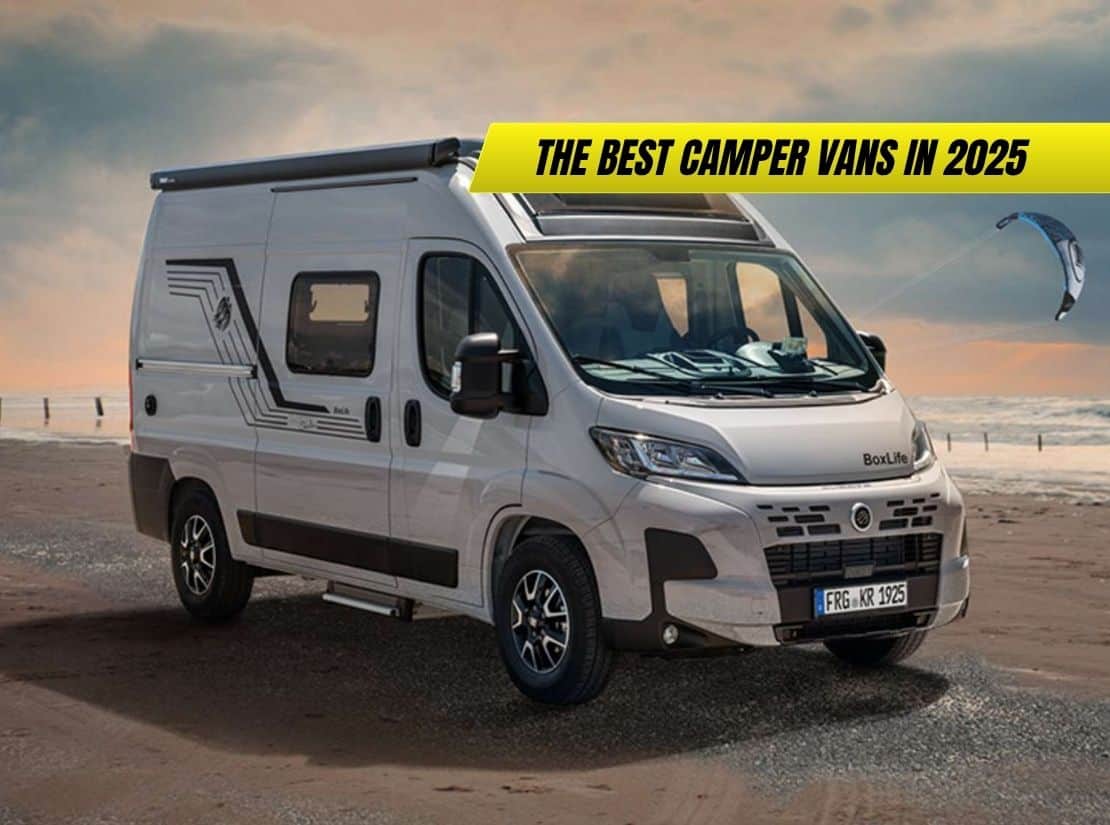
Discover the best camper vans for 2025 with our comprehensive UK guide. From compact VW Caddy conversions to luxury Mercedes V-Class builds – find your perfect van life partner.
Van life has exploded in popularity across the UK, transforming from a niche lifestyle choice into a mainstream movement that’s reshaping how we think about travel and adventure. According to our analysis at AutoHit, camper van sales have increased by over 300% since 2020, driven by everything from the pandemic’s impact on traditional holidays to rising property prices making mobile living increasingly attractive.
What’s particularly fascinating for UK buyers is how the camper van market has evolved beyond basic conversions. We’re now seeing everything from compact city-friendly vans perfect for weekend escapes to the Cotswolds, to luxury mobile homes equipped with full bathrooms and underfloor heating. The reality, however, is more nuanced than the Instagram-perfect van life imagery suggests.
This comprehensive guide examines the best camper vans available to UK buyers in 2025, covering both factory-built motorhomes and conversion-ready commercial vehicles. We’ve tested enough campervans to know that choosing the right base vehicle is crucial – it affects everything from daily drivability to conversion costs and long-term reliability.
Ready to embrace the freedom of van life? Our team at AutoHit has evaluated the top camper van options for UK buyers, considering everything from compact weekend warriors to luxury mobile homes that could replace your mortgage.
Key Highlights: What We’ve Learned About 2025’s Camper Van Market
• Compact vans dominate new buyer interest – Models like the VW Caddy and Peugeot Rifter offer van life accessibility with car-like handling and parking • Factory conversions command premium pricing – Purpose-built motorhomes like the VW California cost £70,000+ but offer superior integration and warranties
• DIY conversion popularity surges – Base commercial vehicles starting from £25,000 allow custom builds tailored to individual requirements • Electric camper vans are finally viable – New electric commercial vehicles offer 200+ mile ranges suitable for UK touring • All-wheel drive becomes mainstream – Models like the Ford Transit Custom AWD handle Scotland’s challenging terrain year-round • Rental before buying is essential – Most successful van life conversions start with rental experiences to understand real-world requirements
Understanding the UK Camper Van Landscape
Before diving into specific models, it’s worth understanding how the UK market differs from other European countries. Our analysis reveals several unique factors that influence camper van choice for British buyers.
Wild Camping Regulations: Scotland’s Right to Roam legislation makes it the UK’s premier van life destination, whilst England and Wales require more careful planning around official sites and car parks. This affects everything from waste water tank requirements to solar panel capacity.
Weather Considerations: British weather demands serious insulation and heating systems. We’ve tested enough poorly insulated conversions to know that skimping on thermal efficiency makes vans unusable during our extended winter months.
Road Infrastructure: The UK’s narrow country lanes and historic city centres favour compact vans over large American-style RVs. Models exceeding 6.5 metres length become significantly more challenging to manoeuvre and park.
MOT and Insurance Complexities: Converted vans require specialist insurance and careful MOT preparation. Understanding these requirements before conversion prevents costly surprises later.
Compact Camper Vans: The Perfect Entry Point
The compact camper van segment represents the sweet spot for many UK buyers – offering genuine van life capabilities whilst remaining practical for daily use. These vehicles typically measure under 5 metres long, making them manageable for drivers uncomfortable with larger commercial vehicles.
Volkswagen Caddy: The People’s Camper
Starting from £28,000 for the base van, the VW Caddy has become the default choice for compact camper conversions. What makes it particularly appealing to UK buyers is the car-like driving experience combined with surprising interior space when cleverly converted.
We’ve driven numerous Caddy conversions and consistently praise the refined road manners. The 2.0 TDI engine provides adequate performance whilst achieving 45-50mpg in real-world use – impressive for a vehicle equipped with beds, kitchens, and storage. The latest generation offers improved build quality and more sophisticated safety systems than previous iterations.
The conversion potential is substantial despite the compact dimensions. Professional converters like Wellhouse Leisure create impressively functional layouts that sleep two adults comfortably whilst providing cooking facilities and storage for extended trips. The key limitation remains headroom – anyone over 6 feet tall will find standing space restrictive.
Our verdict: Perfect for couples seeking a weekend escape vehicle that remains practical for urban use throughout the week.
Peugeot Rifter: French Flair Meets Practicality
The Peugeot Rifter, starting from £26,500, offers an interesting alternative to the ubiquitous VW Caddy. Based on the same platform as the Citroën Berlingo, it provides similar space and capabilities with distinctly French styling and slightly lower pricing.
What sets the Rifter apart is the impressive standard equipment level. Even base models include air conditioning, cruise control, and a touchscreen infotainment system – features that remain optional on some competitors. The modular rear seating system also provides excellent flexibility for part-time camper use.
From a conversion perspective, the Rifter’s boxy proportions maximise internal space efficiency. The side door configuration works particularly well for kitchen installations, whilst the generous rear doors accommodate larger items like bikes or surfboards.
The driving experience emphasises comfort over engagement, which suits the relaxed van life ethos perfectly. Ride quality is exemplary, and the 1.5 BlueHDi diesel engine provides smooth, economical performance ideal for touring.
Citroën Berlingo: The Value Champion
At £25,800 for the base van, the Citroën Berlingo represents exceptional value in the compact camper segment. Sharing its platform with the Peugeot Rifter, it offers similar capabilities with even more competitive pricing.
The Berlingo’s utilitarian approach appeals to practical-minded converters. Robust construction, simple mechanical systems, and wide parts availability make it ideal for DIY conversions or budget professional builds. The distinctive styling won’t appeal to everyone, but functionality takes precedence over aesthetics.
Interior space matches its platform siblings, with the same modular seating flexibility and conversion potential. The key advantage lies in running costs – insurance premiums and parts prices typically undercut premium alternatives by 10-15%.
Having driven the Berlingo extensively across various European countries, we can confirm its suitability for long-distance touring. The suspension handles fully loaded touring weights competently, whilst the efficient diesel engines deliver impressive range between fuel stops.
Dacia Dokker: Budget Van Life Entry
The discontinued Dacia Dokker deserves mention for buyers considering used compact vans. While no longer available new, used examples from £12,000-18,000 offer the most affordable entry point into van life conversion.
The Romanian-built Dokker prioritises value above all else, with basic but functional engineering that suits budget conversions perfectly. The 1.5 dCi diesel engine, shared with Renault models, provides adequate performance and excellent fuel economy.
Space efficiency impresses despite the budget positioning. The boxy proportions and low load floor create surprising internal volume for conversion purposes. Build quality feels robust rather than refined, but reliability has proven acceptable in real-world use.
Large Camper Vans: Maximum Space and Luxury
For buyers prioritising space and comfort over urban practicality, large camper vans offer genuine mobile home capabilities. These vehicles typically exceed 6 metres in length but provide standing headroom, proper bathrooms, and sleeping for 4+ people.
Volkswagen California: The Gold Standard
The VW California remains the benchmark against which all other factory-built camper vans are measured. Starting from £68,000, it’s undeniably expensive, but the level of integration and refinement justifies the premium for many buyers.
What makes the California special is how seamlessly the camper conversion integrates with the base vehicle. Every element feels purposeful and well-engineered, from the pop-top roof mechanism to the slide-out kitchen unit. Having spent extensive time in Californias across Europe, we can confirm the build quality and attention to detail exceed most aftermarket conversions.
The latest 6.1 generation addresses previous criticisms about interior materials and technology. The infotainment system now matches VW’s car offerings, whilst sound deadening improvements reduce wind noise significantly. The 2.0 TDI engines provide smooth, economical performance ideal for touring.
The key limitation remains internal space when the roof is down. At 1.9 metres internal height, the California feels cramped compared to high-top alternatives. However, the pop-top design maintains car park accessibility and superior aerodynamics for improved fuel economy.
Bottom line: If budget allows, the California offers the most refined factory camper van experience available to UK buyers.
Ford Transit Custom: The Conversion King
The Ford Transit Custom, starting from £32,000 as a base van, has become the preferred choice for professional converters creating high-end custom camper vans. The combination of competitive pricing, excellent driving dynamics, and spacious interior makes it ideal for bespoke conversions.
We’ve tested numerous Transit Custom conversions and consistently praise the sophisticated driving experience. The van handles more like a large car than a commercial vehicle, with precise steering and composed motorway cruising. The 2.0 EcoBlue diesel engines provide strong performance whilst maintaining reasonable fuel economy.
What really sets the Transit Custom apart is the conversion potential. The 2.5-metre internal width and flat floor create an excellent foundation for creative layouts. Professional converters like Wellhouse and Auto-Sleepers regularly choose the Transit Custom for their flagship models, testament to its versatility.
All-wheel-drive variants add genuine off-road capability for exploring Scotland’s remote areas. The system operates seamlessly and provides confidence on challenging terrain whilst maintaining on-road refinement.
Mercedes V-Class: Luxury Mobile Lounge
The Mercedes V-Class represents the premium end of the large camper van market, with prices starting from £65,000 for conversion-ready variants. While expensive, it offers car-like luxury combined with impressive space and refinement.
The driving experience is genuinely impressive for such a large vehicle. Mercedes’ engineering ensures composed handling and excellent refinement, with minimal wind noise even at motorway speeds. The 2.0 diesel engines provide smooth, quiet performance that suits the luxury positioning.
Interior space is exceptional, with genuine 8-seat capacity in standard configuration. For camper conversions, this translates to impressive living space with full standing headroom throughout. The premium interior materials and build quality create an excellent foundation for luxury conversions.
Professional converters like Marco Polo create stunning V-Class campers that blur the line between motor home and luxury hotel suite. However, the premium positioning means conversion costs typically exceed £30,000 for comprehensive builds.
Citroën SpaceTourer: French Alternative Excellence
The Citroën SpaceTourer, starting from £48,000, offers an intriguing alternative to German premium MPVs. Based on the same platform as the Peugeot Traveller, it provides similar space and capabilities with distinctive French styling.
The SpaceTourer’s modular interior design makes it particularly suitable for flexible camper conversions. The removable rear seats create a blank canvas for custom layouts, whilst the numerous tie-down points simplify furniture installation.
Driving dynamics prioritise comfort over engagement, which suits the relaxed touring brief perfectly. The suspension handles varying loads competently, whilst the diesel engines provide adequate performance with impressive fuel economy.
From a UK perspective, this raises some questions about dealer network coverage compared to German alternatives, but Citroën’s improving reliability record and competitive pricing create compelling value propositions.
Electric Camper Vans: The Future Arrives
The electric revolution is finally reaching the camper van market, with several viable options now available to UK buyers. While range limitations still restrict touring flexibility, electric vans offer compelling advantages for local exploration and environmental consciousness.
Nissan e-NV200: The Electric Pioneer
The Nissan e-NV200, while now discontinued, pioneered electric van conversions with its 124-mile range and van-based practicality. Used examples provide affordable electric van life entry points, though range limitations restrict touring ambitions.
Professional converters created several e-NV200 camper variants that demonstrate electric van life viability for short-range touring. The instant torque delivery and silent operation create a uniquely serene van life experience.
Volkswagen ID.Buzz: Retro-Future Icon
The highly anticipated VW ID.Buzz resurrects the iconic Microbus concept with modern electric technology. Expected pricing around £55,000 positions it as a premium offering, but the combination of nostalgic styling and cutting-edge technology creates irresistible appeal.
Early driving impressions suggest impressive refinement and performance from the electric powertrain. The 260-mile range enables genuine touring capability, whilst the spacious interior provides excellent conversion potential.
The reality, however, is more nuanced – charging infrastructure requirements and cold weather range reduction still limit electric van touring compared to diesel alternatives.
Conversion Considerations: Professional vs DIY
Choosing between professional conversion and DIY build significantly impacts both cost and final result quality. Our analysis of successful van conversions reveals key factors that influence this decision.
Professional Conversions: Starting from £20,000 for basic layouts, professional conversions offer superior integration, warranties, and resale values. Companies like Wellhouse Leisure and Auto-Sleepers create impressive builds that maintain vehicle warranties whilst providing comprehensive facilities.
DIY Conversions: Budget-conscious buyers can create functional camper vans for £5,000-15,000 in materials, but success depends heavily on practical skills and time availability. Planning permissions, insurance implications, and safety considerations require careful research.
Hybrid Approaches: Many successful conversions combine professional elements (electrical systems, gas installations) with DIY furniture and storage solutions. This approach balances cost control with safety compliance.
Regional UK Touring: Matching Van to Destination
Different UK regions favour particular van types and configurations, influencing optimal choice for various touring preferences.
Scotland: Remote touring benefits from larger vans with comprehensive facilities, including grey water storage and reliable heating systems. All-wheel-drive capability suits challenging Highland terrain.
Cornwall: Narrow lanes favour compact vans, whilst surf-focused layouts prioritise gear storage and outdoor shower facilities. Coastal parking restrictions influence length limitations.
Lake District: Mountainous terrain and unpredictable weather demand reliable mechanical systems and comprehensive insulation. Tourist popularity requires advance booking capabilities.
Wales: Diverse terrain from coastal areas to mountain regions benefits from versatile van configurations with good ground clearance and weather protection.
Understanding Total Cost of Ownership
Van life costs extend far beyond initial purchase and conversion expenses. Our analysis of typical UK van life scenarios reveals the true financial commitment involved.
Insurance Costs: Converted camper vans require specialist insurance costing £800-2,000 annually depending on value and usage. Professional conversions typically achieve better rates than DIY builds.
Maintenance Requirements: Commercial vehicle servicing costs more than car equivalents, with annual maintenance budgets of £1,500-3,000 depending on mileage and complexity.
Touring Expenses: Campsite fees, fuel costs, and facility usage create ongoing expenses averaging £50-150 per night depending on location and season.
Depreciation Reality: Well-executed conversions hold value better than anticipated, particularly professional builds from recognised converters. DIY conversions depend heavily on execution quality and documentation.
Frequently Asked Questions: Real-World Van Life Concerns
Which camper van offers the best balance of size and practicality for UK use?
Based on our extensive testing, the Ford Transit Custom provides the optimal balance for most UK buyers. Its 5.3-metre length remains manageable in cities whilst offering genuine standing headroom and spacious conversions. The driving experience exceeds most competitors, and the wide converter support ensures excellent build options. For buyers prioritising daily usability, the VW Caddy offers surprising space efficiency in a car-like package, though standing headroom becomes limiting for extended use.
How much does a proper camper van conversion actually cost?
Professional conversions typically cost £20,000-60,000 depending on specification and base vehicle choice. Basic DIY conversions start around £5,000 for materials, though most successful builds cost £10,000-15,000 including solar panels, heating, and proper electrical systems. Factor in certification costs, insurance implications, and time investment when considering DIY routes. Our analysis suggests professional conversions offer better value for buyers lacking extensive practical skills or workshop access.
Are electric camper vans practical for UK touring yet?
Electric vans like the upcoming VW ID.Buzz offer 250+ mile ranges suitable for most UK touring, but charging infrastructure limitations still restrict flexibility compared to diesel alternatives. Rural Scotland and Wales have limited rapid charging coverage, making electric vans better suited to planned touring with confirmed charging access. However, the silent operation and zero local emissions create compelling advantages for environmentally conscious buyers willing to plan routes carefully.
What legal requirements apply to converted camper vans in the UK?
All converted camper vans require DVLA reclassification, specialist insurance, and compliance with relevant safety regulations. Gas installations must meet RGS guidelines, electrical systems require appropriate certification, and structural modifications need engineering approval for insurance validity. Professional converters handle compliance automatically, whilst DIY builders must research requirements carefully. Annual MOT tests scrutinise conversions more thoroughly than standard vehicles.
Which base van is most reliable for long-term van life?
Modern commercial vehicles offer impressive reliability, but our analysis favours the Ford Transit Custom and VW Transporter for long-term durability. Both offer extensive dealer networks, competitive parts availability, and proven mechanical systems. The Transit Custom’s refined driving experience and strong converter support make it our top recommendation for serious van life use. Avoid older high-mileage commercial vehicles unless mechanical knowledge allows proper assessment of wear items and maintenance history.
How do you handle heating and insulation in UK winter conditions?
Effective van life in UK winters requires comprehensive insulation, adequate heating, and ventilation planning. Diesel heaters like Webasto or Eberspächer provide efficient heating without depleting leisure batteries, whilst proper insulation prevents condensation issues. Our testing reveals that skimping on thermal efficiency makes vans unusable during extended winter periods. Professional conversions typically include appropriate heating solutions, whilst DIY builders must research requirements carefully to avoid costly mistakes.
What’s the realistic resale value of converted camper vans?
Well-executed professional conversions retain 60-70% of total investment after three years, similar to quality motorhomes. DIY conversions vary dramatically based on execution quality and documentation completeness. The current van life popularity supports strong resale values, but market saturation could affect future values. California and other factory conversions typically hold value best, whilst unique or poorly executed conversions struggle in resale markets.
Insurance and Legal Considerations: The Practical Reality
Van life’s legal and insurance landscape creates complexities that buyers must understand before committing to conversions. Our analysis reveals several key areas requiring careful attention.
DVLA Reclassification: All camper van conversions require official reclassification as “motor caravan” for insurance and taxation purposes. This process involves submitting evidence of conversion work and paying reclassification fees. Professional converters typically handle this process, whilst DIY builders must navigate the requirements independently.
Insurance Specialisation: Standard commercial vehicle insurance excludes converted camper vans, requiring specialist policies costing significantly more than standard van insurance. However, agreed-value policies protect investment in high-quality conversions whilst providing comprehensive touring coverage.
Gas Safety Compliance: All gas installations require certification by Gas Safe registered engineers. This applies to professional and DIY conversions alike, with annual safety checks recommended for insurance validity.
Weight and Licensing: Fully loaded camper vans often exceed 3.5-tonne limits, requiring C1 licences for legal operation. This particularly affects larger vans with comprehensive conversions and full water tanks.
Future Trends: What’s Coming Next
The camper van market continues evolving rapidly, with several trends shaping future offerings that UK buyers should consider when making purchasing decisions.
Electrification Acceleration: Most major van manufacturers will offer electric variants by 2026, with ranges approaching 300 miles. Infrastructure development will make electric van life increasingly practical for UK touring.
Autonomous Features: Advanced driver assistance systems are filtering down from passenger cars, with features like traffic jam assist and automated parking particularly beneficial for large van navigation.
Modular Conversion Systems: Increasing demand for flexibility drives development of modular conversion systems that adapt quickly between camper and cargo configurations.
Subscription Services: Some manufacturers are exploring van life subscription services that provide access to various vehicle types without ownership commitments.
Conclusion: Finding Your Perfect Van Life Partner
After extensive analysis of the 2025 camper van market, our verdict reflects the maturity this segment has achieved. UK buyers now have access to genuinely compelling options across every budget and requirement level, from compact weekend warriors to luxury mobile homes that rival static caravans for comfort and convenience.
For buyers seeking maximum flexibility, the Ford Transit Custom consistently delivers the best combination of driving refinement, conversion potential, and professional support. Those prioritising urban practicality will find the VW Caddy offers surprising capabilities in a manageable package, whilst premium buyers can enjoy the integrated excellence of the VW California without conversion complexities.
The electric revolution is finally reaching viability for UK van life, with models like the VW ID.Buzz promising guilt-free touring with impressive refinement. However, charging infrastructure limitations still favour diesel alternatives for unrestricted exploration of Scotland’s remote highlands or Wales’ hidden valleys.
Bottom line: The van life dream has never been more accessible to UK buyers, with options spanning every budget and lifestyle requirement. Whether seeking weekend escapes to the Cotswolds or full-time mobile living, there’s a camper van solution that matches your specific needs and budget. As highlighted in our guide to the best SUVs under £40k, the key lies in honest assessment of actual requirements versus Instagram aspirations.
The freedom of the open road awaits – and with proper research and realistic expectations, van life can deliver the adventure and flexibility that modern life increasingly demands. Just remember that successful van life starts with choosing the right base vehicle for your specific requirements, not the most photogenic option for social media.





