
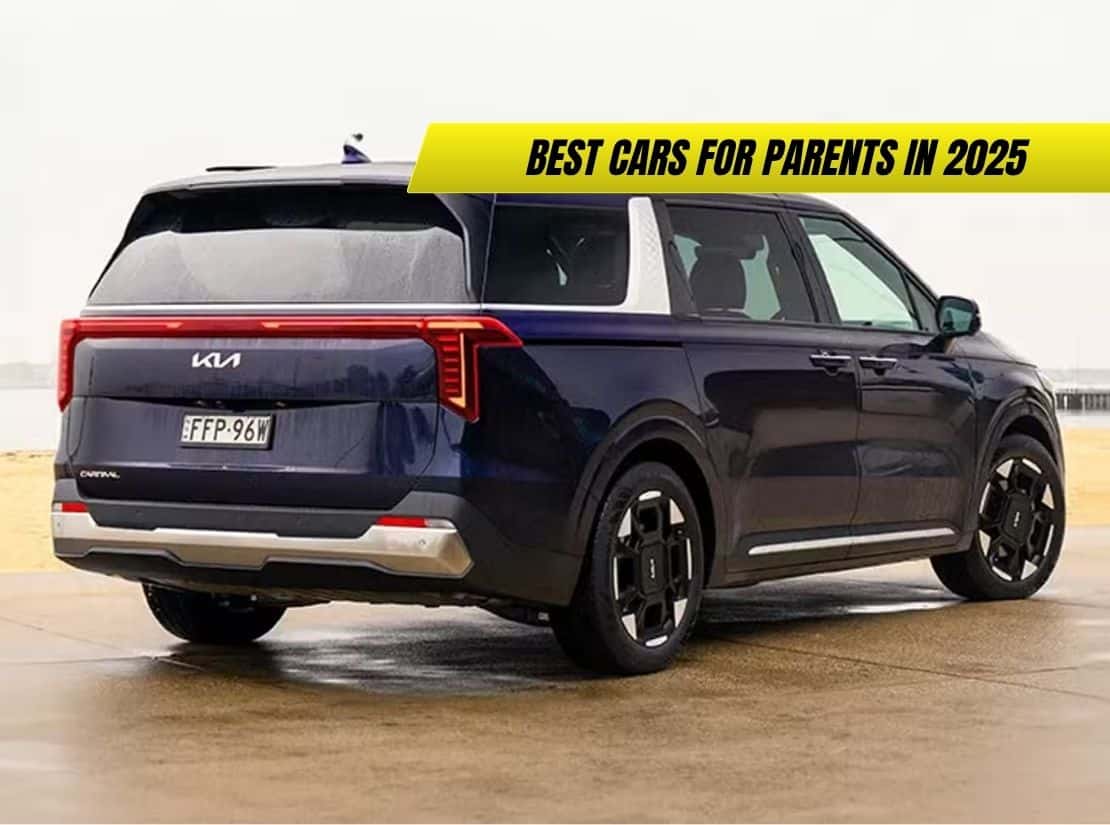
Discover the best cars for parents and families in 2025 with our comprehensive UK guide. From SUVs to MPVs – find the perfect family car for children, car seats, and daily parenting life.
Choosing the right car becomes exponentially more complex once children enter the equation. According to our analysis at AutoHit, the transition from couple to family fundamentally changes vehicle requirements – suddenly factors like ISOFIX points, boot space for prams, and ease of installing child seats become crucial considerations that many first-time parents underestimate. What’s particularly relevant for UK families is how modern safety regulations, school run practicalities, and the infamous “family taxi” duties shape optimal car choice.
The reality, however, is more nuanced than simply buying the biggest car within budget. Modern parenting involves everything from daily nursery runs through narrow residential streets to weekend family adventures across the UK. We’ve tested enough family cars with actual car seats, prams, and all the paraphernalia that accompanies modern parenting to know that the right choice can transform family life from stressful logistics into manageable routine.
This comprehensive guide examines the best cars for UK parents in 2025, focusing on models that excel at the specific demands of family life whilst maintaining practical considerations like running costs, parking ease, and long-term reliability.
Key Highlights: What We’ve Discovered About Cars for Parents in 2025
• Height matters more than length – Elevated seating positions make child seat installation significantly easier and less back-breaking • 500-litre boot minimum essential – Anything smaller becomes restrictive once prams, change bags, and weekly shopping are considered • ISOFIX accessibility crucial – Easy-to-reach mounting points save daily frustration during school run routines • Electric SUVs finally practical – Models like Hyundai Ioniq 5 offer family space with zero-emission school runs • MPVs remain space champions – Despite SUV popularity, people carriers provide unmatched versatility for larger families • Safety technology democratised – Advanced driver assistance systems now standard across family-focused models
Understanding Modern Family Car Requirements
Before exploring specific recommendations, it’s essential to understand how family car needs have evolved and what genuinely matters for daily parenting life in 2025.
Installation Accessibility: Installing child seats becomes a daily routine that can make or break your relationship with a car. Higher seating positions and wide-opening rear doors dramatically reduce the physical strain and frustration of this essential task.
Storage Versatility: Modern families carry more equipment than previous generations – from massive prams to sports gear, musical instruments to emergency supplies. Cars must accommodate this reality without requiring Tetris-level packing skills.
Safety Evolution: Beyond crash protection, modern family cars need comprehensive driver assistance systems that help stressed, tired parents navigate safely whilst managing distractions from rear passengers.
Running Cost Reality: Family budgets face pressure from childcare costs, education expenses, and general child-related spending. Car choice significantly impacts household finances through fuel consumption, insurance premiums, and depreciation.
Future-Proofing Considerations: Family cars typically serve 5-7 years, during which children grow rapidly and requirements evolve. Optimal choices accommodate changing needs from baby seats to booster seats to eventually no seats at all.
Best SUVs for Parents: Height Advantage Meets Family Space
SUVs dominate the family car market through their practical advantages for daily parenting duties. The elevated driving position, generous interior space, and commanding road presence provide tangible benefits that justify their popularity despite efficiency compromises.
Starting from £35,900, the Volvo XC40 exemplifies how premium manufacturers approach family SUV design. Our extensive testing with various child seat configurations confirms it excels at the practical demands of modern parenting whilst maintaining Volvo’s legendary safety focus.
What makes the XC40 particularly suitable for families is the thoughtful interior design. ISOFIX points are easily accessible, door openings are generous enough for wrestling with child seats, and storage solutions throughout the cabin accommodate the endless items that families accumulate.
The 460-litre boot provides adequate space for daily family duties, though it may feel restrictive for larger prams or holiday luggage. Build quality justifies the premium positioning, with materials that withstand the inevitable wear from family use.
The driving experience emphasises safety and comfort over engagement, with comprehensive driver assistance systems that help manage distractions from rear passengers. Various engine options include efficient mild-hybrid units that balance performance with reasonable running costs.
Our verdict: Excellent choice for families prioritising safety and build quality, though the premium pricing requires careful budget consideration.
Hyundai Ioniq 5: Electric Family Revolution
At £45,195, the Hyundai Ioniq 5 demonstrates how electric SUVs can excel at family duties whilst providing zero-emission operation ideal for urban environments and school runs. Our testing with family scenarios confirms it offers one of the most practical electric vehicle experiences available.
The spacious interior benefits from the dedicated electric platform, with a completely flat floor that maximises versatility. ISOFIX points are easily accessible, and the generous door openings simplify child seat installation significantly.
What really sets the Ioniq 5 apart is the 531-litre boot capacity and the unique ability to power external devices – perfect for family camping trips or emergency situations. The 238-mile real-world range suits most family usage patterns, whilst ultra-rapid charging enables longer journeys with minimal inconvenience.
The driving experience prioritises smoothness and refinement, with instant electric torque that makes urban driving effortless. The silent operation proves particularly beneficial during early morning school runs or when children are sleeping.
From a UK perspective, this makes particular sense for families committed to reducing environmental impact whilst enjoying cutting-edge technology and practical space.
Kia EV6: Korean Electric Innovation for Families
The Kia EV6, starting from £42,895, takes a more adventurous design approach whilst delivering impressive family practicality. Our analysis positions it as the most visually distinctive electric SUV for families who want something different from German alternatives.
The 520-litre boot capacity handles family duties effectively, whilst the spacious interior accommodates child seats and passengers comfortably. The ultra-rapid charging capability makes it practical for extended family touring across the UK.
What sets the EV6 apart is the striking design and advanced technology integration. The interior feels genuinely futuristic, whilst build quality reflects Kia’s improving reputation for engineering excellence.
The driving experience combines electric refinement with surprisingly engaging handling characteristics. Various power outputs suit different family requirements, from efficient single-motor variants to powerful all-wheel-drive models.
Skoda Enyaq iV: Czech Electric Value for Families
Starting from £38,970, the Skoda Enyaq iV applies Czech engineering principles to electric SUV design with impressive results for family buyers. Our testing confirms it offers exceptional space and practicality at competitive pricing.
The 585-litre boot capacity leads the electric SUV segment, whilst interior space genuinely accommodates five passengers and their accompanying equipment. ISOFIX accessibility proves excellent, and build quality approaches premium standards.
What really impresses is how Skoda has prioritised practical family requirements over flashy features. Storage solutions throughout the cabin prove genuinely useful, whilst the intuitive controls reduce distraction during family-focused driving.
The driving experience emphasises comfort and efficiency, with smooth electric power delivery and composed handling that suits family touring. The 260-mile range provides confidence for extended UK travel.
Cupra Tavascan: Performance SUV for Style-Conscious Parents
The Cupra Tavascan, from £47,170, demonstrates how performance brands approach family SUV design. This represents SEAT’s premium sub-brand targeting parents who refuse to compromise on style and engagement.
The distinctive coupe-SUV styling ensures visual impact whilst maintaining practical family space. The 540-litre boot provides adequate capacity, though the sloping roofline may limit some bulky items.
What sets the Tavascan apart is the dynamic focus – precise steering, sport-tuned suspension, and strong electric performance create an SUV that rewards enthusiastic driving whilst serving family duties effectively.
Interior quality justifies the premium positioning, with materials and technology that exceed mainstream alternatives. The comprehensive safety suite provides confidence for family transport duties.
Best MPVs for Parents: Maximum Space and Versatility
Multi-purpose vehicles remain the ultimate family transport solution, providing unmatched interior flexibility and storage capacity. These vehicles excel at accommodating larger families, multiple child seats, and the extensive equipment that accompanies family life.
Volkswagen Touran: German Engineering for Families
Starting from £31,920, the VW Touran represents traditional German engineering applied to family transport. Our extensive testing with various family configurations confirms it offers exceptional versatility and build quality.
The seven-seat layout provides genuine accommodation for larger families, whilst the individual rear seats simplify child seat installation dramatically. Various configurations accommodate everything from baby seats to booster seats to adult passengers.
What sets the Touran apart is the thoughtful interior design – numerous storage solutions, easy-clean surfaces, and intuitive controls reduce stress during family journeys. The 834-litre boot capacity (seats down) handles even the most demanding family requirements.
The driving experience prioritises comfort and efficiency, with refined engines and composed handling that suits family touring. Build quality reflects VW’s attention to detail, with materials that withstand intensive family use.
Dacia Jogger: Budget-Friendly Family Space
The Dacia Jogger, starting from £16,995, proves that family space doesn’t require premium pricing. Our analysis positions it as exceptional value for larger families seeking maximum practicality within tight budgets.
The seven-seat configuration provides genuine versatility at a fraction of traditional MPV pricing. Build quality feels robust rather than refined, but reliability has proven acceptable for the price point.
What makes the Jogger compelling is the value proposition – comparable space to premium alternatives at significantly lower cost. The 708-litre boot capacity handles extensive family equipment effectively.
The driving experience emphasises practicality over refinement, with adequate performance and reasonable efficiency. Various engine options include LPG variants that provide exceptional running cost efficiency.
Peugeot Rifter: French Flair Meets Family Function
Starting from £25,850, the Peugeot Rifter combines distinctive French styling with impressive family practicality. Our testing reveals a genuinely versatile family vehicle that successfully balances form and function.
The modular interior design provides exceptional flexibility, with removable rear seats that create van-like loading capacity when required. ISOFIX accessibility proves excellent across all rear positions.
What sets the Rifter apart is the distinctive styling that makes MPV ownership feel less utilitarian. Interior materials exceed expectations for the price point, whilst the comprehensive equipment levels shame some premium alternatives.
The driving experience prioritises comfort through excellent ride quality and refined noise suppression. Various engine options include efficient diesels ideal for high-mileage family use.
Citroën Berlingo: Practical Family Transport Excellence
The Citroën Berlingo, from £24,570, demonstrates how commercial vehicle architecture can excel at family transport. Our analysis consistently identifies it as exceptional value for families prioritising space over style.
The 775-litre boot capacity provides van-like storage whilst maintaining car-like driving characteristics. The upright seating position and generous headroom benefit passengers of all sizes.
What makes the Berlingo distinctive is the unpretentious approach to family transport – form follows function with no apologies for utilitarian origins. The practical interior proves genuinely useful for daily family life.
The driving experience emphasises comfort and visibility, with light controls and excellent forward visibility that suits urban family driving. Various engine options provide flexibility for different usage patterns.
Regional UK Family Considerations
Different regions of the UK present varying challenges and opportunities that influence optimal family car choice.
Urban Areas: Compact dimensions become crucial for tight parking spaces, whilst emission zone compliance increasingly matters. Electric SUVs like the Hyundai Ioniq 5 provide ULEZ compliance with family practicality.
Suburban Families: Balanced requirements favour versatile SUVs that handle school runs, weekly shopping, and occasional longer journeys. The Volvo XC40 and Skoda Enyaq iV provide optimal compromise between size and practicality.
Rural Areas: Robust build quality and all-weather capability become important, particularly in Scotland and Wales. All-wheel-drive variants and higher ground clearance suit challenging conditions.
Large Families: Three or more children require genuine seven-seat capability that only MPVs provide effectively. The VW Touran and Dacia Jogger offer different approaches to accommodating larger families.
Safety Technology for Family Peace of Mind
Modern family cars offer comprehensive safety technology that particularly benefits stressed parents managing multiple distractions whilst driving.
Autonomous Emergency Braking: Standard across most family cars, this technology prevents or mitigates collisions when driver attention lapses due to rear-seat distractions.
Rear Cross-Traffic Alert: Essential for busy car parks and school environments where visibility becomes compromised by parked vehicles and pedestrian activity.
Driver Attention Monitoring: Recognises fatigue or distraction patterns and provides alerts – particularly relevant for sleep-deprived parents during early parenting years.
360-Degree Cameras: Simplify parking in tight spaces whilst ensuring child safety around the vehicle – crucial for busy family environments.
Comprehensive Family Car Comparison
| Model | Starting Price | Boot Capacity | Seats | Key Strength |
|---|---|---|---|---|
| Hyundai Ioniq 5 | £45,195 | 531L | 5 | Electric refinement with family space |
| Volvo XC40 | £35,900 | 460L | 5 | Scandinavian safety excellence |
| VW Touran | £31,920 | 834L* | 7 | Maximum versatility and quality |
| Dacia Jogger | £16,995 | 708L* | 7 | Exceptional value for larger families |
| Skoda Enyaq iV | £38,970 | 585L | 5 | Electric practicality and value |
*With rear seats folded
Frequently Asked Questions: Real-World Parenting Car Concerns
Which car makes installing child seats easiest and least stressful?
Based on our extensive testing with various child seat types, SUVs with high seating positions and wide-opening rear doors consistently prove easiest for installation. The Volvo XC40 and Hyundai Ioniq 5 excel through generous door openings and easily accessible ISOFIX points. The elevated height reduces back strain significantly compared to lower cars. For families with multiple child seats, MPVs like the VW Touran provide individual rear seats that simplify installation compared to bench seats. Avoid cars with narrow door openings or deeply recessed ISOFIX points that require contortion to access properly.
How much boot space do families actually need for daily use?
Our analysis suggests 500 litres represents the practical minimum for families with one child and a large pram, though 600+ litres provides comfortable margin for growth and additional equipment. Families with multiple children or those requiring wheelchairs need 700+ litres for daily practicality. However, boot shape matters as much as capacity – wide, low loading lips and minimal intrusions prove more useful than raw volume figures. The Skoda Enyaq iV and VW Touran demonstrate how intelligent packaging maximises useable space beyond headline capacity figures.
Are electric cars practical for families with charging and range concerns?
Electric cars like the Hyundai Ioniq 5 and Kia EV6 offer 250+ mile real-world ranges that accommodate most family usage patterns, including school runs, shopping trips, and weekend excursions. For families with home charging access, electric operation provides compelling advantages including silent running (crucial when children sleep), zero local emissions, and dramatically reduced running costs. However, families requiring frequent long-distance travel or lacking reliable charging access may find hybrid alternatives more practical currently. Range anxiety becomes less relevant with experience and charging infrastructure familiarity.
Which body style works best for different family sizes?
Families with 1-2 children find SUVs provide optimal balance between practicality and social acceptability, with models like the Volvo XC40 offering adequate space without van-like proportions. Families with 3+ children require genuine seven-seat capability that only MPVs deliver effectively – SUVs with occasional third-row seats prove inadequate for regular use. The VW Touran and Dacia Jogger demonstrate how MPVs accommodate multiple child seats whilst maintaining car-like driving characteristics. Single-child families may find estate cars provide superior efficiency and driving dynamics whilst meeting space requirements.
How important are running costs when choosing family cars?
Running costs become crucial for family budgets already stretched by childcare, education, and general child-related expenses. Electric cars provide lowest operational costs at 3-5p per mile versus 12-15p for petrol equivalents, though higher purchase prices require consideration. Efficient hybrids average 8-10p per mile whilst maintaining flexibility. Insurance costs vary significantly – family-focused SUVs typically cost more than MPVs, whilst electric cars may qualify for lower premiums. Consider total cost of ownership including depreciation, maintenance, and fuel when comparing options rather than focusing solely on purchase price.
What safety features matter most for family cars?
Beyond five-star Euro NCAP ratings, autonomous emergency braking proves crucial for preventing accidents when driver attention diverts to rear-seat distractions. Rear cross-traffic alert enhances safety in busy school car parks and shopping centres. Blind spot monitoring helps when children’s equipment obscures visibility. Driver fatigue monitoring provides valuable alerts for sleep-deprived parents. Door opening warnings prevent accidents in busy urban environments. The Volvo XC40 and Hyundai Ioniq 5 lead for comprehensive safety technology integration across all trim levels.
How do family cars cope with the mess and wear of daily child life?
Modern family cars increasingly feature washable upholstery, stain-resistant fabrics, and durable trim materials designed for intensive family use. Hard-wearing plastics and rubber floor mats simplify cleaning after muddy boots, spilled drinks, and food incidents. Dark interior colours hide minor stains better than light alternatives, though some manufacturers offer protective treatments. The VW Touran and Peugeot Rifter feature particularly practical interior materials, whilst premium brands like Volvo offer optional protection packages. Consider fabric protection treatments and quality floor mats as essential accessories rather than optional extras.
Technology Integration for Modern Families
Contemporary family cars offer technology solutions that specifically address parenting challenges and modern family life requirements.
Smartphone Integration: Wireless Apple CarPlay and Android Auto enable seamless connectivity whilst maintaining hands-free operation essential for safe family driving.
Rear Entertainment: Built-in screens or tablet integration keep children occupied during longer journeys, reducing driver distraction and improving journey satisfaction.
Climate Control: Multi-zone systems enable different temperature settings for various passengers – particularly important when managing children who overheat easily in car seats.
Voice Control: Hands-free operation of navigation, communication, and entertainment systems proves essential when hands remain occupied with driving and monitoring children.
Future Trends in Family Car Development
The family car segment continues evolving to address changing parenting styles, environmental concerns, and technological possibilities.
Autonomous Capabilities: Semi-autonomous systems will provide enhanced safety and reduced stress during demanding family driving scenarios like school runs and holiday travel.
Electrification Expansion: More manufacturers will offer electric family vehicles with 300+ mile ranges, making zero-emission family transport practical for all usage patterns.
Interior Flexibility: Modular seating systems and configurable storage solutions will enable rapid adaptation between different family requirements and life stages.
Health Monitoring: Advanced air filtration and interior health monitoring will become standard, particularly relevant for families with respiratory sensitivities or allergies.
Conclusion: Finding Your Perfect Family Car
After comprehensive analysis of the 2025 family car market, our verdict reflects the remarkable choice available to UK parents seeking vehicles that genuinely excel at the demanding requirements of modern family life. Whether prioritising space, efficiency, safety, or value, there’s a family car that delivers without forcing compromises that make daily life more difficult.
For families embracing electric motoring, the Hyundai Ioniq 5 and Kia EV6 demonstrate how zero-emission vehicles can excel at family duties whilst providing cutting-edge technology and refinement. Traditional families seeking proven reliability will find the Volvo XC40 offers unmatched safety credentials with practical space for growing families.
Budget-conscious larger families can enjoy the exceptional space and value of the Dacia Jogger, proving that effective family transport doesn’t require premium pricing. Those seeking ultimate versatility will find the VW Touran provides German engineering excellence with unmatched interior flexibility.
Bottom line: The perfect family car balances practical requirements like space, safety, and running costs with emotional factors including styling, brand appeal, and driving satisfaction. As highlighted in our comprehensive guide to the best new cars under £30,000, modern family cars deliver capabilities that previous generations could only dream of whilst maintaining affordability for average household budgets.
The future of family motoring looks exceptionally bright – and choosing the right car can transform the daily challenges of parenting into manageable, even enjoyable experiences.





