
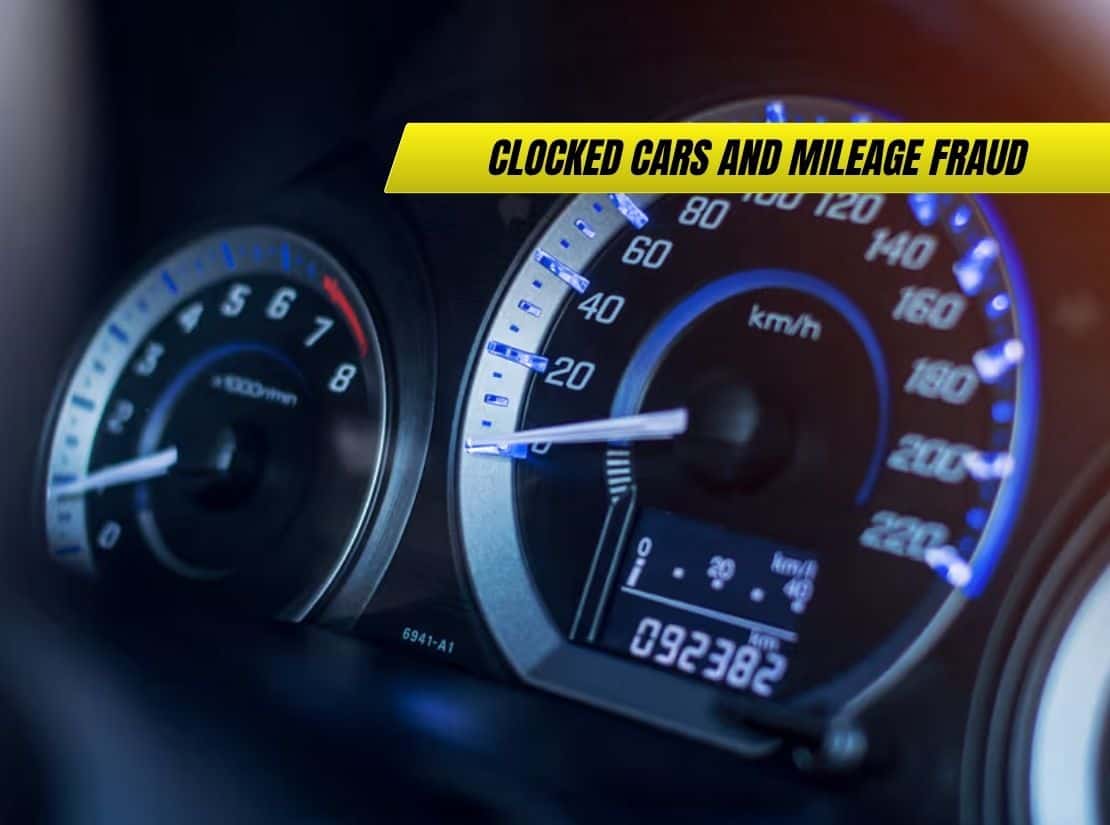
Standing in a dealer forecourt examining what appears to be a bargain – a three-year-old BMW with suspiciously low mileage and an equally suspicious price tag that seems too good to be true. Your instincts whisper caution, but the dealer’s reassurances about “one careful owner” and “motorway miles only” begin to override your scepticism. Having investigated countless cases of mileage fraud across our research at AutoHit, we’ve learned that this scenario represents one of the most costly mistakes British car buyers can make.
Car clocking – the practice of illegally reducing odometer readings to inflate vehicle values – affects an estimated 2.6 million vehicles currently on UK roads, according to recent industry analysis. This isn’t simply a matter of paying slightly more for a car; victims typically overpay by thousands of pounds while unknowingly purchasing vehicles with higher wear, increased maintenance requirements, and potentially dangerous hidden problems that should have been addressed miles ago.
The sophistication of modern clocking methods, particularly affecting digital odometers through OBD2 port manipulation, has made detection increasingly challenging for ordinary buyers. Meanwhile, the rise of PCP finance deals with strict mileage limits has created additional incentives for both private owners and unscrupulous dealers to engage in mileage fraud, fundamentally changing the landscape of used car purchasing in Britain.
Understanding how to identify clocked vehicles, verify genuine mileage, and pursue legal remedies when fraud occurs has become essential knowledge for anyone navigating the UK’s £82 billion used car market.
Key Highlights: Essential Clocked Car Facts for UK Buyers
• Scale of Problem: Research suggests 6.32% of UK vehicles show mileage discrepancies, potentially affecting 2.6 million cars currently on roads • Financial Impact: Victims typically overpay £2,000-5,000 for clocked vehicles, with some cases involving differences of hundreds of thousands of miles • Legal Framework: While clocking itself isn’t illegal, selling clocked vehicles without disclosure constitutes fraud under UK consumer protection law • Modern Vulnerability: Digital odometers can be easier to manipulate than mechanical ones, with OBD2 port tools readily available online for under £150 • Detection Methods: MOT history checks, service records, and vehicle history reports provide the most reliable verification of genuine mileage • Consumer Rights: UK buyers have significant protection under Consumer Rights Act 2015 and Fraud Act 2006, with potential compensation and contract cancellation rights
Understanding Car Clocking: How Mileage Fraud Actually Works
The mechanics of car clocking have evolved dramatically from the crude cable-winding techniques of previous decades to sophisticated electronic manipulation that can be virtually undetectable without specialist knowledge. Our investigation into clocking methods reveals why this fraud has become both more prevalent and more dangerous for unsuspecting buyers.
Traditional Mechanical Clocking Methods
Analogue Odometer Manipulation
Older vehicles with mechanical odometers use cable-driven systems connecting the transmission to dashboard displays through rotating cables and gear mechanisms. Traditional clocking involved physically reversing these cables using electric drills or manual tools to wind back the odometer reading.
These mechanical systems, while appearing vulnerable, actually provided certain fraud protection through physical evidence of tampering. Experienced mechanics could often detect interference through cable wear patterns, gear alignment, or dashboard removal evidence.
However, classic and vintage vehicles remain susceptible to mechanical clocking, with some fraudsters specialising in period-appropriate techniques that avoid detection during casual inspection.
Modern Digital Odometer Fraud
OBD2 Port Exploitation
Contemporary vehicles store mileage data electronically across multiple control units, creating both vulnerabilities and potential detection opportunities. Fraudsters use readily available diagnostic tools to access On-Board Diagnostic (OBD2) ports and modify stored mileage data across various vehicle systems.
These systems can be both more sophisticated and easier to tamper with than mechanical odometers, with various electronic tools available that plug directly into cars’ OBD2 ports. Professional clocking services advertise openly online, often disguising their activities as “mileage correction” for supposedly legitimate purposes.
Multi-System Data Challenges
Modern vehicles store mileage information across numerous electronic control units, including engine management, transmission control, airbag systems, and infotainment modules. Comprehensive clocking requires accessing multiple systems simultaneously, though many fraudsters only modify the primary dashboard display.
This creates detection opportunities because different systems may show conflicting mileage readings when professionally examined. In many high-performance cars and prestige vehicles, the gear box ECU is not affected by the CAN blocker and continues to record the real mileage, though this data often goes unchecked during routine sales processes.
Mileage Blocker Technology
Prevention vs Correction Devices
Recent technological developments include “mileage blockers” or “CAN filters” that prevent odometers from recording miles during vehicle operation rather than retrospectively altering existing readings. These devices can be installed temporarily during high-mileage periods, then removed to resume normal recording.
Mileage blockers present particular challenges because they don’t technically alter existing data – they simply prevent accurate recording during specific periods. This creates legal grey areas and detection difficulties that make such devices attractive to those seeking to avoid mileage penalties in finance agreements.
Detection and Security Implications
While some mileage blocking installations are detectable through physical inspection or diagnostic analysis, wireless or remotely controlled versions can be virtually undetectable without comprehensive electronic forensics.
The availability of these devices raises serious concerns about vehicle maintenance schedules, as cars may operate far beyond recommended service intervals without triggering appropriate warning systems or maintenance reminders.
Legal Framework and Consumer Protection in the UK
Understanding your legal rights regarding clocked vehicles forms the foundation of both prevention and remedy strategies. UK consumer protection law provides significant safeguards, though enforcement and remedy processes require specific knowledge and timely action.
Consumer Rights Act 2015 Protections
Satisfactory Quality Standards
The Consumer Rights Act 2015 establishes that vehicles must be of satisfactory quality, fit for purpose, and as described. Clocked vehicles fundamentally breach these standards by misrepresenting their usage history and actual condition.
If you’ve bought a clocked car from a dealer, this could amount to fraudulent misrepresentation and could fall under the breach of statutory duty under consumer protection law in the UK. The Act provides remedies including price reduction, repair, replacement, or full refund depending on circumstances and timing.
Trader Responsibility and Disclaimers
While some dealers attempt to disclaim odometer accuracy in sales contracts, courts increasingly scrutinise such disclaimers when vehicles are priced and marketed based on apparent mileage. Dealers cannot benefit from low mileage pricing while simultaneously disclaiming mileage accuracy.
The Consumer Rights Act includes provisions against unfair contract terms that attempt to exclude trader liability for fundamental breaches like mileage misrepresentation.
Fraud Act 2006 Criminal Provisions
Criminal vs Civil Remedies
People can be prosecuted under the Consumer Rights Act if it is proven that they clocked the car for financial gain. The 2006 Fraud Act also protects buyers, as altering goods or services for financial gain is considered a crime, and can apply to both traders and private sellers.
Criminal prosecutions provide public vindication and deterrent effects, while civil remedies focus on victim compensation and contract resolution. Both approaches can operate simultaneously in serious fraud cases.
Private Seller Obligations
Private sellers aren’t exempt from fraud legislation when selling clocked vehicles knowingly. However, proving knowledge and intent becomes more challenging in private sales compared to trader transactions.
The Fraud Act’s broad definition of dishonest behaviour can encompass various clocking scenarios, including cases where sellers claim ignorance despite obvious evidence of tampering.
Trading Standards and Enforcement Activity
Local Authority Powers
Trading Standards teams have secured several clocking prosecutions, with recent cases demonstrating serious penalties for large-scale mileage fraud operations. Trading Standards authorities can investigate, prosecute, and seek compensation for victims of commercial fraud.
However, enforcement resources are limited, and Trading Standards typically prioritise cases involving systematic fraud rather than individual vehicle transactions.
Industry Cooperation and Data Sharing
The British Vehicle Rental and Leasing Association (BVRLA) operates its own vehicle mileage database to help protect against clocking. It contains more than 29 million records, including in-life service mileages as well as end-of-contract figures.
This database covers approximately 85% of fleet vehicles and provides valuable verification data for professional buyers and traders.
Detection Methods: How to Spot Clocked Vehicles
Effective clocking detection requires systematic examination of multiple data sources and physical evidence. Our analysis of successful fraud detection cases reveals several reliable indicators that can protect buyers from costly mistakes.
Official Documentation Verification
MOT History Analysis
MOT records provide the most reliable official documentation of vehicle mileage over time. If the mileage shown on the odometer of the car you’re thinking of buying and its most recent MOT certificate don’t match, this could be a red flag.
Access MOT history through the government’s online MOT checker using the vehicle’s registration number. Examine the progression of recorded mileages across multiple test dates, looking for unexplained reductions, suspiciously low increases, or missing test data.
Pay particular attention to mileage increases that seem inconsistent with the time periods between tests. A vehicle covering only 3,000 miles annually might indicate clocking, particularly if earlier records show higher annual mileage.
Service History Documentation
Comprehensive service records provide additional mileage verification points throughout a vehicle’s history. You can also check the car’s service history documents to check the mileage it had on its last service.
Examine service stamps, invoices, and maintenance records for consistency with displayed odometer readings. Look for evidence of regular maintenance intervals and logical mileage progression between service appointments.
Be particularly suspicious of service history gaps or records that don’t correlate with claimed low mileage. High-end vehicles with supposedly low mileage should show proportionally expensive maintenance items being replaced or serviced.
Professional Vehicle History Checks
HPI and Similar Services
Commercial vehicle history services aggregate data from multiple sources including insurance claims, finance companies, fleet operators, and service centres. Check a car’s history easily using HPI’s online tool to access comprehensive mileage and ownership records.
These services can reveal previous insurance claims, write-off history, and outstanding finance that might correlate with mileage discrepancies. They also provide access to fleet and lease company records that often contain detailed mileage documentation.
However, remember that history checks depend on data availability and may not capture all vehicle history, particularly for privately owned vehicles or those with limited service records.
Physical Evidence Assessment
Wear Pattern Analysis
The wear and tear of the vehicle can sometimes tell you something about its mileage. This is especially true if the used car you’re looking to buy appears to have a very low mileage.
Examine pedal wear, particularly the rubber on accelerator, brake, and clutch pedals. High-mileage vehicles typically show significant wear patterns that don’t correlate with claimed low usage.
Check seat bolster wear, steering wheel condition, and gear knob/handbrake wear. These components experience wear proportional to vehicle usage and are difficult to replace without obvious evidence.
Interior Component Consistency
Examine dashboard lighting, switch operation, and electronic component functionality. High-mileage vehicles often show electronic component degradation or intermittent faults that seem inconsistent with low claimed mileage.
Pay attention to floor mat wear, door seal condition, and paint wear around door handles and key areas. These details can reveal usage patterns inconsistent with displayed mileage.
Mechanical Component Assessment
Professional mechanical inspection can reveal component wear levels that contradict claimed mileage. Brake disc scoring, tyre wear patterns, and suspension component condition all provide objective evidence of vehicle usage.
However, remember that maintenance quality significantly affects component condition, so wear patterns must be interpreted alongside service history and usage patterns.
What to Do If You’ve Bought a Clocked Car
Discovering that you’ve purchased a clocked vehicle can be devastating, but UK consumer protection law provides several remedy options. The key to successful resolution lies in prompt action, proper documentation, and understanding available legal pathways.
Immediate Response Steps
Document Everything
Immediately gather all evidence supporting your fraud claim, including purchase documentation, MOT histories, service records, and vehicle history reports. Photograph odometer readings and any physical evidence of tampering or inconsistent wear patterns.
Obtain professional mechanical assessments that document component wear levels inconsistent with displayed mileage. This evidence becomes crucial for proving fraud and quantifying damages in subsequent legal proceedings.
Preserve the Vehicle’s Condition
Avoid any modifications or repairs that might alter evidence relevant to your fraud claim. Maintain detailed records of any necessary safety-related work, but preserve original components where possible.
Consider obtaining independent forensic examination of electronic systems to document evidence of odometer manipulation. This technical evidence can prove decisive in fraud cases involving sophisticated clocking methods.
Trader vs Private Seller Remedies
Dealer Purchase Remedies
Purchases from dealers benefit from comprehensive Consumer Rights Act protections, including rights to rejection, price reduction, or compensation. Contact the dealer immediately to report the fraud and request remedy under consumer protection legislation.
If you’ve bought a clocked car from a dealer, this could amount to fraudulent misrepresentation and could fall under the breach of statutory duty under consumer protection law in the UK.
Document all communications with the dealer and request written responses to your fraud allegations. Many cases resolve through direct negotiation when dealers face clear evidence of consumer protection violations.
Private Sale Complications
Private sales offer fewer protections, but fraud remedies remain available under the Fraud Act 2006. However, proving seller knowledge and intent becomes more challenging in private transactions.
Consider whether the seller’s advertising, representations, or behaviour suggest knowledge of the clocking. Private sellers who actively misrepresent mileage or conceal known problems face the same fraud penalties as commercial traders.
Legal Action Procedures
Civil Court Proceedings
Civil action seeks compensation for financial losses, including overpayment, rectification costs, and consequential damages. Small claims courts handle most vehicle fraud cases under £10,000, while higher value claims require county court proceedings.
Calculate your damages carefully, including the difference between purchase price and actual value, any additional maintenance costs, and potential safety-related expenses. Professional vehicle valuations can provide crucial evidence for damage quantification.
Criminal Complaint Options
Report fraud to Action Fraud (the UK’s national fraud reporting centre) and local police for criminal investigation. While criminal prosecution doesn’t provide direct compensation, successful prosecutions can support civil damage claims.
The OFT believes that this is the first time that the provider of mileage correction services has been convicted under consumer law, demonstrating increasing enforcement activity against clocking operations.
Prevention Strategies: Buying Safely in the Used Car Market
Effective fraud prevention requires systematic verification processes and healthy scepticism about deals that seem unusually attractive. Our analysis of successful buyers reveals consistent patterns in verification approaches that identify most clocking attempts.
Pre-Purchase Investigation
Multi-Source Verification
Never rely on a single information source when verifying vehicle history. Combine MOT records, service documentation, vehicle history reports, and seller representations to build comprehensive mileage verification.
Cross-reference timing and mileage data across all sources, looking for inconsistencies or gaps that might indicate clocking activity. Pay particular attention to periods where different sources show conflicting information.
Professional Inspection Services
Consider independent pre-purchase inspections, particularly for high-value vehicles or those with unusually low mileage claims. Professional inspectors can identify wear patterns, component conditions, and electronic system anomalies that suggest mileage discrepancies.
AA, RAC, and independent automotive engineers offer comprehensive inspection services that include mileage verification as part of broader condition assessment.
Seller Verification and Questions
Ownership History Analysis
Ask detailed questions about previous ownership, service history, and usage patterns. Legitimate sellers should provide comprehensive answers supported by documentation.
Be suspicious of sellers who can’t explain recent ownership history, lack service documentation, or provide vague answers about vehicle usage patterns.
Documentation Quality Assessment
Examine all provided documentation for authenticity, consistency, and completeness. Forged service records often show inconsistencies in formatting, stamps, or chronological progression.
Verify service provider details by contacting garages or dealers directly. Legitimate service history should be verifiable through independent contact with service providers.
Finance and Insurance Considerations
Outstanding Finance Verification
Vehicles subject to finance agreements may face mileage penalties that create clocking incentives. Verify whether vehicles have outstanding finance and consider whether mileage penalties might motivate odometer fraud.
The increasing popularity of car finance, such as Personal Contract Purchases and Personal Contract Hire deals, which come with strict mileage limits, has led to some owners turning to mileage correction firms to dodge financial penalties.
Insurance History Analysis
Insurance claims history can reveal additional mileage information, particularly for accident-damaged vehicles. Claims documentation often includes detailed mileage records that provide independent verification.
Consider whether insurance premiums and coverage levels align with claimed usage patterns. Low mileage vehicles should have correspondingly lower insurance costs and risk profiles.
Industry Response and Future Developments
The automotive industry’s response to clocking fraud includes technological solutions, regulatory advocacy, and improved data sharing initiatives designed to make fraud detection easier and more comprehensive.
Technological Prevention Methods
Connected Vehicle Solutions
Until every car on the road is a connected vehicle that sends back odometer readings at regular intervals, the issue of clocking needs to be addressed. Future vehicles will likely include automatic mileage reporting that makes tampering virtually impossible.
Telematics systems, smartphone integration, and cloud-based vehicle monitoring create multiple data sources that would require simultaneous manipulation to achieve successful clocking.
Blockchain and Digital Records
Emerging technologies including blockchain-based vehicle records and digital service passports promise to create tamper-proof mileage documentation that follows vehicles throughout their lifetime.
These systems would integrate with manufacturer databases, service provider systems, and regulatory authorities to create comprehensive, verifiable vehicle histories.
Regulatory and Legislative Developments
EU Directive Implementation
The European Parliament has announced a directive that would ban the practice of winding back the mileage of vehicles. However, with the UK leaving the EU, it remains unclear if similar measures will be put in place in UK law.
UK automotive industry groups continue advocating for stronger anti-clocking legislation, including licensing requirements for mileage correction services and enhanced penalties for fraud.
Industry Database Expansion
Fleet and leasing companies increasingly share mileage data through industry databases that provide verification services for subsequent buyers. These databases continue expanding coverage and accessibility for consumer protection.
Professional vehicle remarketing channels increasingly require comprehensive mileage verification before accepting vehicles, creating additional barriers for clocked vehicle distribution.
Regional Variations and Market Considerations
Clocking patterns and detection methods vary across different UK regions and market segments, reflecting local economic conditions, enforcement activity, and buyer sophistication levels.
Geographic Fraud Patterns
Urban vs Rural Differences
Kent Trading Standards call time on vehicle clocking criminals demonstrates regional enforcement activity, with some areas showing higher clocking activity levels than others.
Urban areas with significant business vehicle populations often show different fraud patterns compared to rural areas where private vehicle sales predominate.
Cross-Border Considerations
Vehicles imported from other countries may carry additional clocking risks, particularly from regions with different enforcement standards or documentation requirements.
Northern Ireland’s unique position regarding EU regulations and cross-border trade creates specific considerations for vehicle history verification.
Market Segment Vulnerabilities
Luxury and Performance Vehicles
High-end vehicles often justify sophisticated clocking investments due to significant value differences between low and high mileage examples. Luxury car buyers should exercise particular caution and invest in comprehensive verification.
Classic and collectible vehicles face unique challenges because their value often depends heavily on originality and documented low usage. Specialist verification services exist for high-value classic vehicle transactions.
Commercial Vehicle Targeting
Recent investigations discovered hundreds of private hire, minicab and chauffeur-driven vehicles operating with clocked mileage, with one case involving 460,000 miles removed from an odometer.
Commercial vehicles face particular clocking pressure due to licensing requirements, insurance costs, and resale value considerations that all relate directly to recorded mileage.
Clocked Cars FAQ: Essential UK Buyer Questions
How can I check if a car has been clocked before buying it?
Start with the government’s free MOT history checker using the vehicle’s registration number – this shows recorded mileage at each annual test and should show consistent increases over time. Cross-reference this with service records, and consider purchasing a comprehensive vehicle history report from HPI, Experian, or similar services. Look for unexplained mileage reductions, suspiciously low annual increases, or gaps in the documentation. Professional pre-purchase inspections can also identify wear patterns inconsistent with displayed mileage, particularly examining pedal wear, seat condition, and component degradation levels.
What are my legal rights if I discover I’ve bought a clocked car?
UK consumer protection law provides significant rights for clocked car victims. If you bought from a dealer, the Consumer Rights Act 2015 gives you rights to rejection, price reduction, or compensation for fraudulent misrepresentation. The Fraud Act 2006 applies to both dealer and private sales where sellers knowingly misrepresent mileage. You must act quickly – contact the seller immediately, document all evidence, and consider legal action within reasonable timeframes. Many cases resolve through direct negotiation when faced with clear evidence of fraud, though court action remains available for uncooperative sellers.
Is it illegal to clock a car’s mileage in the UK?
The act of clocking itself isn’t specifically illegal, but selling a clocked vehicle without disclosing the alteration constitutes fraud under UK law. This applies to both dealers and private sellers who knowingly misrepresent mileage for financial gain. Recent prosecutions have targeted both vehicle sellers and mileage correction service providers, with penalties including imprisonment and substantial fines. The key legal element is deception – if you alter mileage intending to deceive buyers about the vehicle’s true condition and value, you’re committing fraud regardless of whether you personally perform the clocking.
How much money do people typically lose on clocked cars?
Victims typically overpay £2,000-5,000 for clocked vehicles, though extreme cases involve much larger losses. The financial impact extends beyond initial overpayment to include higher maintenance costs, reduced reliability, and potential safety issues from worn components that should have been replaced miles ago. Insurance implications can add further costs, and some buyers face expensive repairs shortly after purchase due to components being beyond their expected service life. Professional valuations suggest that vehicles with 50,000 extra miles are typically worth 15-25% less than their apparent low-mileage equivalents.
Can modern cars with digital odometers still be clocked?
Yes, and in many cases digital odometers are easier to manipulate than older mechanical systems. Fraudsters use diagnostic tools that connect to the vehicle’s OBD2 port to modify stored mileage data across various electronic control units. However, modern cars store mileage information in multiple systems, so comprehensive clocking requires accessing numerous control modules simultaneously. Some systems, particularly in high-end vehicles, may retain original mileage data even after primary odometer manipulation, creating detection opportunities for professional inspection.
What should I do if I suspect a car dealer is selling clocked vehicles?
Report your suspicions to Trading Standards at your local council, who have powers to investigate and prosecute commercial fraud. Document any evidence including vehicle details, advertising claims, and price information that supports your concerns. Contact Action Fraud (the UK’s national fraud reporting centre) to file an official complaint. Consider warning other potential buyers through online reviews and forums, though be careful to state facts rather than allegations. If you’ve personally been defrauded, seek legal advice about civil remedies alongside supporting any criminal investigation.
Are there any legitimate reasons for mileage correction?
Legitimate mileage correction is rare and typically involves repairing broken odometers with proper documentation from authorised dealers or manufacturers. Such work should include detailed paperwork explaining the original mileage, reasons for correction, and certification of the new reading. However, most “mileage correction” services operate with minimal documentation and exist primarily to facilitate fraud. Be extremely suspicious of any mileage alteration, and always request comprehensive documentation and independent verification if a seller claims legitimate correction has occurred.
Economic Impact and Market Effects
The financial implications of car clocking extend far beyond individual victim losses to affect insurance costs, taxation, vehicle financing, and overall market confidence in used vehicle transactions.
Insurance and Finance Implications
Premium Calculation Effects
Insurance premiums typically reflect vehicle usage levels, with lower mileage vehicles receiving reduced rates based on perceived lower risk exposure. Clocked vehicles may benefit from inappropriately low premiums while potentially carrying higher actual risk due to component wear.
Finance agreements often include mileage-based valuations and penalty structures that clocking fraud directly undermines. Lenders face increased losses when clocked vehicles are repossessed with actual values significantly below anticipated residuals.
Market Confidence Impact
Widespread clocking fraud undermines confidence in the used vehicle market, particularly affecting transactions between private parties where professional verification services aren’t routinely employed.
According to HPI, one in sixteen vehicles are predicted to have had its odometer adjusted, suggesting the scale of the problem affects market pricing and buyer behaviour across all segments.
Government Revenue Effects
Vehicle Excise Duty Implications
Clocked commercial vehicles may avoid appropriate taxation based on actual usage levels, while insurance premium tax calculations suffer from artificially reduced base premiums for fraudulent low-mileage claims.
MOT testing intervals and fees relate partly to vehicle usage, making accurate mileage recording important for appropriate regulatory cost allocation.
Industry Response Costs
Verification Service Expansion
The automotive industry invests significantly in mileage verification services, database development, and fraud prevention technology to combat clocking fraud.
Professional remarketing channels implement increasingly sophisticated verification procedures that add costs while providing protection for buyers and institutional sellers.
Future Trends and Technological Solutions
The evolution of vehicle technology and data connectivity promises to make traditional clocking methods obsolete while creating new challenges for fraud prevention and detection.
Connected Vehicle Integration
Real-Time Monitoring Systems
Future vehicles will likely include continuous connectivity that reports mileage data automatically to manufacturer databases, insurance providers, and regulatory authorities.
Such systems would make retrospective mileage manipulation virtually impossible while providing real-time verification for any transaction.
Smartphone and Telematics Integration
Modern vehicles increasingly integrate with smartphone apps and telematics services that independently monitor and record usage data.
These secondary data sources provide additional verification opportunities while making comprehensive clocking fraud significantly more complex and risky.
Regulatory Technology Implementation
Digital Service Records
Mandatory digital service records linked to vehicle identification numbers could eliminate paper-based fraud while providing comprehensive, verifiable maintenance histories.
Such systems would integrate with professional service providers, parts suppliers, and regulatory testing authorities to create tamper-proof vehicle histories.
Blockchain and Distributed Ledgers
Emerging blockchain applications could create permanent, unalterable vehicle history records that follow cars throughout their lifetime.
These technologies promise to eliminate document fraud while providing instant verification for any potential buyer or regulatory authority.
Conclusion: Protecting Yourself in the Modern Used Car Market
Car clocking represents one of the most pervasive and costly frauds affecting UK vehicle buyers, with an estimated 2.6 million vehicles potentially affected and individual losses typically ranging from £2,000-5,000 per incident. The sophistication of modern clocking methods, particularly those exploiting digital odometer vulnerabilities, has made detection increasingly challenging while the financial incentives for fraud continue growing.
The rise of PCP finance deals with strict mileage limits has created additional pressures that drive both private owners and unscrupulous dealers toward mileage fraud. Meanwhile, the ready availability of OBD2 manipulation tools and professional “mileage correction” services has industrialised what was once a relatively crude and detectable crime.
However, UK consumers possess significant legal protections under the Consumer Rights Act 2015 and Fraud Act 2006, providing both civil remedies and criminal sanctions for clocking fraud. The key to effective protection lies in systematic verification using multiple data sources, healthy scepticism about unusually attractive deals, and prompt action when fraud is discovered.
Technological solutions promise to transform fraud prevention, with connected vehicles, real-time mileage monitoring, and blockchain-based records potentially eliminating traditional clocking methods entirely. Until such technologies become universal, buyers must rely on careful verification processes and professional inspection services to protect themselves.
The most effective protection strategy combines official record checking through MOT histories and vehicle databases, physical examination for wear patterns inconsistent with claimed mileage, and professional pre-purchase inspections for high-value transactions. When deals seem too good to be true – particularly involving low-mileage vehicles at attractive prices – they usually are.
For UK drivers, understanding clocking fraud, recognition methods, and legal remedies has become essential knowledge for safe participation in the used vehicle market. The financial and safety consequences of falling victim to mileage fraud make vigilance and verification not just advisable, but necessary components of responsible vehicle purchasing in modern Britain.
The automotive industry’s ongoing efforts to improve data sharing, enhance verification services, and support stronger enforcement provide reason for optimism about reducing fraud levels. However, until comprehensive technological solutions become standard, buyer education and systematic verification remain the most effective defences against this persistent and costly crime.





