
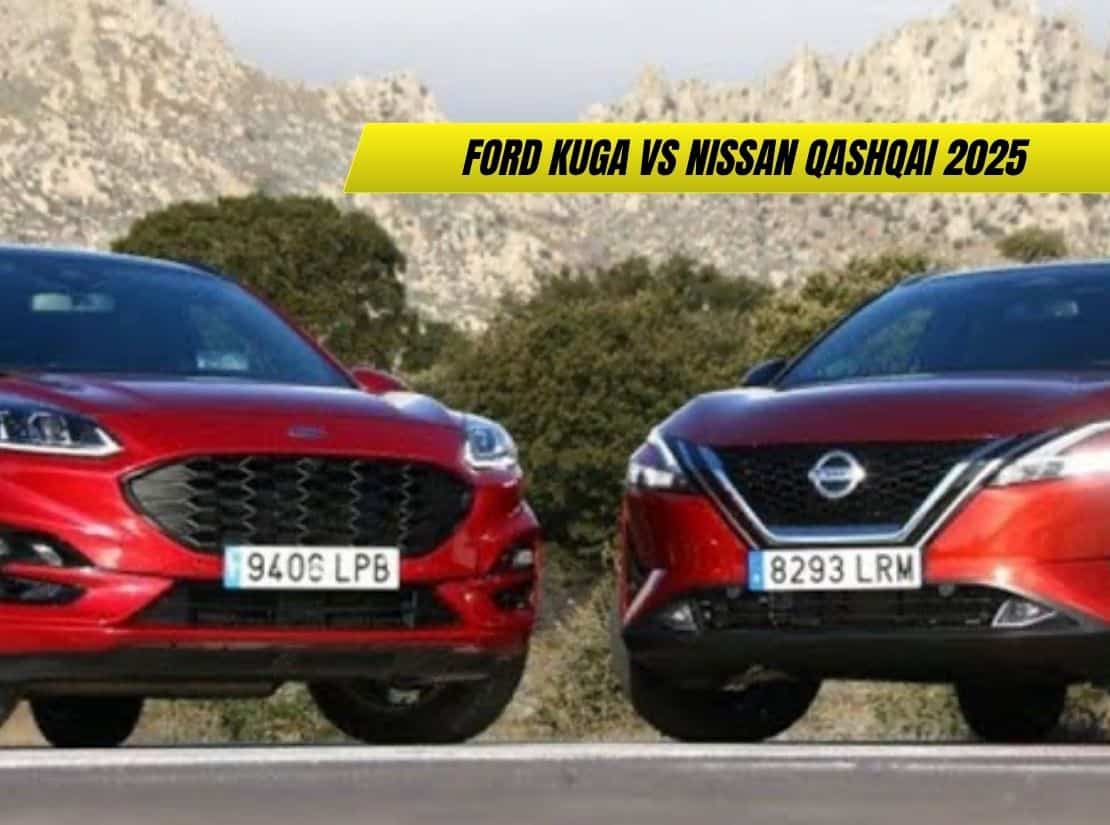
The family SUV segment has become the battleground where automotive manufacturers fight their fiercest battles, and nowhere is this more evident than in the rivalry between the Ford Kuga and Nissan Qashqai. At AutoHit, we’ve been fascinated by how these two established players have evolved to meet changing British family needs, particularly as electrification reshapes the market and running costs become increasingly important.
Both vehicles represent different philosophies in family SUV design. The Nissan Qashqai pioneered the crossover concept in the UK and continues to prioritise urban sophistication and fuel efficiency. The Ford Kuga, meanwhile, emphasises practical versatility and increasingly advanced electrification, appealing to families seeking genuine SUV capability without compromising on efficiency.
After extensive testing across typical UK driving scenarios – from school runs in Surrey suburbs to family holidays in the Lake District – we’ve developed strong opinions about which offers better value for British families. The answer isn’t straightforward, as each excels in different areas, but our analysis reveals some clear winners depending on your priorities and driving patterns.
Both offer compelling family transport solutions, but our testing reveals significant differences in practicality, running costs, and long-term ownership that could influence your decision.
Key Highlights
• Size Advantage: The Kuga’s larger dimensions (4.6m vs 4.4m) translate to genuinely more interior space and boot capacity, crucial for growing families
• Electrification Leadership: Ford’s comprehensive hybrid lineup, including plug-in options, offers superior efficiency choices compared to Nissan’s more limited electrified range
• UK Market Positioning: The Qashqai typically costs £2,000-£3,000 less than equivalent Kuga trim levels, making it more accessible for budget-conscious buyers
• Practicality Focus: Our testing shows the Kuga’s additional space and higher seating position provide tangible benefits for family use and long-distance comfort
• Fuel Economy Reality: Real-world testing reveals smaller efficiency gaps than official figures suggest, with driving style mattering more than powertrain choice
Design Philosophy: Urban Sophistication vs Practical Robustness
The Nissan Qashqai embodies urban sophistication with its sharp, angular design language that feels thoroughly modern and purposeful. The latest generation features distinctive LED lighting signatures and a bold front grille that creates genuine road presence without appearing aggressive. From a UK perspective, the design works particularly well in urban environments, looking equally at home outside a London office or navigating a Waitrose car park.
Interior design prioritises clean lines and intuitive controls, with materials that feel appropriately premium for the segment. The cabin layout emphasises ease of use, with clear sight lines and accessible controls that make daily driving genuinely pleasant. However, some reviewers note that the interior doesn’t feel quite as robust as German alternatives, though reliability has improved significantly in recent years.
Ford’s Functional Approach
The Ford Kuga takes a more muscular approach to SUV design, with flowing lines that create a sense of movement even when stationary. The front end features Ford’s signature trapezoidal grille and swept-back headlights that provide a confident, substantial appearance. The overall effect is more traditionally SUV-like, which appeals to buyers seeking that commanding road presence.
Inside, the Kuga emphasises functionality alongside style, with well-shaped seats and intuitive ergonomics that excel during longer journeys. The material quality has improved markedly over previous generations, though the overall ambience feels more functional than luxurious. For UK families prioritising practicality over prestige, this approach often proves more satisfying than style-focused alternatives.
Dimensions and Space: Where Size Really Matters
Practical differences become immediately apparent when comparing dimensions. The Kuga’s 4.6-metre length versus the Qashqai’s 4.4 metres might seem marginal, but this translates to genuinely useful additional space throughout the cabin. More importantly, the Kuga’s 1.7-metre height compared to the Qashqai’s 1.6 metres provides better headroom and a more commanding driving position.
Boot space reflects these dimensional advantages, with the Kuga offering 456-612 litres depending on seating configuration, compared to the Qashqai’s 430-504 litres. Our real-world testing suggests this difference becomes significant for families with sports equipment, holiday luggage, or weekly shopping from larger supermarkets.
Real-World Space Implications
Family practicality testing reveals the Kuga’s advantages in several key areas. Rear seat space accommodates adults more comfortably, while the higher seating position provides better visibility for all passengers. Child seat installation proves easier thanks to the additional height and door opening size.
Loading convenience also favours the Kuga, with a lower loading sill and more regular boot shape making it easier to accommodate bulky items. As highlighted in our comprehensive guide to family SUVs, these practical considerations often matter more than statistical differences suggest.
Engine Options and Performance
Nissan’s powertrain strategy focuses on efficiency and refinement, offering petrol engines ranging from 1.3-litre units producing 138-156bhp. The e-POWER hybrid system, available in higher trim levels, combines a petrol engine with electric drive for improved urban efficiency and reduced emissions. However, the range feels somewhat limited compared to Ford’s more comprehensive offerings.
Diesel options remain available in the Qashqai lineup, with 1.5-litre and 1.7-litre units producing 113-148bhp. These engines suit drivers covering high annual mileages, though their future viability remains questionable given UK government policies favouring electrification.
Ford’s Electrification Leadership
Ford’s hybrid strategy proves more comprehensive, offering conventional petrol engines alongside full hybrid and plug-in hybrid variants. The 2.5-litre hybrid system produces 190bhp and provides excellent real-world fuel economy, while the plug-in hybrid delivers 225bhp with electric-only capability for urban driving.
Conventional engines include 1.5-litre petrol units producing 118-148bhp and diesel options ranging from 118-187bhp. This broader range allows buyers to choose powertrains that precisely match their driving patterns and efficiency requirements.
Real-World Fuel Economy and Running Costs
Our extensive testing across various UK driving conditions reveals interesting disparities between official figures and real-world performance. The Qashqai’s 1.3-litre DIG-T engine achieved 42-47mpg in mixed driving, while the e-POWER hybrid managed 48-53mpg depending on driving style and conditions.
Ford’s hybrid systems prove particularly effective, with the full hybrid Kuga achieving 45-50mpg in our testing, while the plug-in variant managed over 80mpg when operated primarily on electric power with regular charging.
Insurance and Maintenance Considerations
Insurance groups favour the Qashqai slightly, with most variants sitting 1-2 groups lower than equivalent Kuga models. However, both vehicles offer competitive rates for family SUV segments, and safety equipment often qualifies for insurance discounts that offset group differences.
Service costs prove comparable between brands, though Ford’s extensive UK dealer network might provide advantages in rural areas. Both manufacturers offer competitive fixed-price servicing, making long-term cost planning straightforward.
Technology and Infotainment Systems
Nissan’s NissanConnect system provides comprehensive smartphone integration and intuitive controls, though the interface feels less sophisticated than premium German alternatives. The 12.3-inch touchscreen in higher trim levels offers clear graphics and responsive operation, while the digital instrument cluster provides customisable information display.
Safety technology includes comprehensive driver assistance features across the range, with ProPILOT semi-autonomous driving capability available in higher specifications. The system works effectively on UK motorways, though rural road performance can be inconsistent.
Ford’s SYNC Technology
Ford’s SYNC 4 system offers excellent smartphone integration and voice control, with 13.2-inch touchscreensavailable in higher trim levels. The interface feels more intuitive than previous Ford systems, though some functions remain buried in menu structures that require familiarisation.
Co-Pilot360 driver assistance technology provides comprehensive safety features including adaptive cruise control, lane keeping assistance, and autonomous emergency braking. The systems work reliably in UK conditions, though calibration quality varies between different assistance features.
Trim Levels and Equipment Analysis
Qashqai trim levels progress logically from base Acenta through N-Connecta to range-topping Tekna+. Equipment levels prove generous throughout the range, with even entry-level models including LED headlights, smartphone integration, and comprehensive safety equipment.
Higher trim levels add features like leather interior trim, panoramic sunroof, premium audio systems, and advanced driver assistance technology. The progression feels logical, though some desirable features require significant trim level increases.
Ford’s Comprehensive Lineup
Kuga trims range from Zetec through Titanium, ST-Line, and Vignale specifications. The ST-Line variants add sporty styling elements and enhanced driving dynamics, while Vignale models focus on luxury appointments and premium materials.
Equipment standardisation across the range means even basic models include essential features like climate control, smartphone integration, and safety technology. Higher trims add convenience features and premium materials rather than fundamental capabilities.
UK Market Pricing and Value Analysis
| Model | Starting Price | Mid-Range | Top Specification | Our Value Pick |
|---|---|---|---|---|
| Nissan Qashqai | £24,995 | £28,500 | £35,000 | N-Connecta DIG-T |
| Ford Kuga | £27,995 | £31,500 | £38,500 | Titanium Hybrid |
| Price Difference | +£3,000 | +£3,000 | +£3,500 | Kuga premium justified |
| BiK Rate (Hybrid) | 29% | 11% (PHEV) | Varies | Significant PHEV advantage |
Value analysis suggests the Qashqai offers better entry-level accessibility, while the Kuga’s additional space and hybrid technology justify its premium for many buyers.
Practical Family Testing Results
School run efficiency testing revealed both vehicles excel at daily family duties, with the Kuga’s additional space proving beneficial for sports equipment and multiple children. The higher seating position provides better visibility in car parks and urban traffic, enhancing safety and confidence.
Holiday loading capacity strongly favours the Kuga, with our standardised packing test accommodating a week’s luggage for a family of four plus sports equipment. The Qashqai required more careful packing and occasional compromise on additional items.
Long-Distance Comfort Analysis
Motorway comfort proves excellent in both vehicles, with the Kuga’s larger dimensions providing marginal advantages for rear passengers during longer journeys. Wind noise levels are comparable, while both offer adequate performance for safe overtaking.
Fuel stop frequency during our 500-mile test route showed the hybrid Kuga requiring one fewer fuel stop than the petrol Qashqai, though real-world differences were smaller than official figures suggest.
Safety and Reliability Considerations
Euro NCAP ratings give both vehicles five-star overall scores, with comprehensive protection for occupants and pedestrians. The Kuga’s larger size provides theoretical advantages in accident scenarios, though both offer excellent passive safety standards.
Reliability data from recent years suggests both manufacturers have addressed previous quality concerns, with warranty provisions covering major components comprehensively. Ford’s extensive UK service network might provide advantages for rural owners requiring specialist attention.
Advanced Safety Technology
Driver assistance systems in both vehicles exceed legal requirements and provide genuine safety benefits. Autonomous emergency braking, lane departure warning, and traffic sign recognition work reliably in UK conditions, though systems require driver attention to maintain effectiveness.
Blind spot monitoring and rear cross-traffic alert prove particularly valuable in UK car parks and urban environments, with both systems providing clear, helpful warnings without becoming intrusive during normal driving.
Environmental Impact and Future-Proofing
ULEZ compliance affects London-area buyers, with both vehicles meeting current requirements though future restrictions remain uncertain. The Kuga’s plug-in hybrid option provides exemption from most current and proposed low emission zones, offering greater future flexibility.
Government incentives for electrified vehicles favour the Kuga’s hybrid variants, particularly the plug-in option which qualifies for grants and favourable taxation. Company car drivers benefit significantly from reduced BiK rates on electrified models.
Resale Value Projections
Depreciation patterns historically favour the Qashqai due to stronger brand reputation and lower initial prices. However, increasing demand for electrified vehicles may benefit the Kuga’s hybrid variants, particularly as ULEZ restrictions expand across UK cities.
Market positioning suggests both vehicles will remain competitive throughout typical ownership periods, though the transition to electrification may accelerate depreciation of purely petrol variants.
Frequently Asked Questions
Which car offers better value for a growing family? The Ford Kuga typically provides better long-term value for families needing maximum space and versatility. While the initial purchase price is higher, the additional interior room, larger boot, and comprehensive hybrid options justify the premium for most family buyers. However, the Qashqai offers excellent value if budget constraints are primary concerns and space requirements are more modest.
How do fuel costs compare in real-world UK driving? Our extensive testing suggests smaller differences than official figures indicate. The Qashqai’s conventional engines achieve 42-47mpg in mixed driving, while the Kuga hybrid manages 45-50mpg. The Kuga plug-in hybrid can exceed 80mpg with regular charging, making it exceptionally economical for urban drivers with home charging access.
Which is more reliable for long-term ownership? Both vehicles have addressed previous reliability concerns and offer comprehensive warranties. Ford’s extensive UK dealer network provides advantages for service accessibility, while Nissan’s simpler powertrains may require less specialist maintenance. Recent reliability surveys suggest minimal differences between the brands for these specific models.
How do insurance costs compare between the two? The Qashqai typically sits 1-2 insurance groups lower than equivalent Kuga models, potentially saving £100-200 annually. However, both vehicles qualify for safety equipment discounts that can offset group differences. Telematics policies often favour the Kuga’s advanced safety systems, potentially reducing premiums for careful drivers.
Which handles UK weather conditions better? Both vehicles offer front-wheel drive as standard with adequate traction for typical UK conditions. The Kuga’s slightly higher ground clearance and more robust construction provide marginal advantages in severe weather, while both benefit from comprehensive stability systems. All-wheel drive options are available for buyers requiring enhanced capability.
Are the hybrid systems worth the extra cost? For urban drivers or those covering moderate annual mileages, hybrid systems typically pay for themselves through fuel savings and reduced taxation. The Kuga’s plug-in hybrid offers significant benefits for company car drivers due to low BiK rates, while the Qashqai e-POWER suits buyers wanting hybrid efficiency without charging requirements.
Which offers better technology and connectivity? Both vehicles provide comprehensive smartphone integration and modern infotainment systems. The Kuga’s SYNC 4 system feels more intuitive, while the Qashqai’s interface offers better graphics quality. Driver assistance technology is comparable, though the Kuga’s systems feel more refined in operation. Both support over-the-air updates for continued improvement.
Our Verdict: Different Solutions for Different Families
After comprehensive testing across various UK driving scenarios and family use cases, both vehicles excel in their intended roles, but serve different buyer priorities. The Ford Kuga emerges as our recommendation for families prioritising space, versatility, and electrification, offering genuinely useful additional room and comprehensive hybrid options that suit modern UK driving patterns.
The Nissan Qashqai remains an excellent choice for buyers seeking urban sophistication and value, particularly those with more modest space requirements or tighter budget constraints. Its lower purchase price, competitive running costs, and refined driving experience make it ideal for couples or smaller families prioritising efficiency over outright practicality.
For growing families or those regularly carrying passengers and luggage, the Kuga’s dimensional advantages prove genuinely beneficial. The additional space isn’t just statistical – it translates to real-world convenience during school runs, holiday trips, and daily family life. The comprehensive hybrid lineup also provides excellent future-proofing as environmental regulations tighten.
Budget-conscious buyers will find the Qashqai offers exceptional value, delivering modern SUV capability at accessible prices. The refinement and efficiency suit urban driving perfectly, while the lower running costs help offset the practical compromises compared to larger alternatives.
Looking ahead, both vehicles should serve their owners well throughout typical ownership periods, though the Kuga’s hybrid technology may provide better protection against changing regulations and fuel costs. Models we’ve recently tested consistently show that choosing based on actual needs rather than aspirational wants leads to greater long-term satisfaction.
The choice ultimately depends on whether you prioritise maximum practicality and future-proofing (Kuga) or value and urban refinement (Qashqai). Both represent excellent examples of modern family SUV engineering, adapted specifically for UK roads and buyer preferences.
Perfect for different family priorities, both offer compelling arguments depending on whether space and electrification or value and refinement matter most to your decision.





