
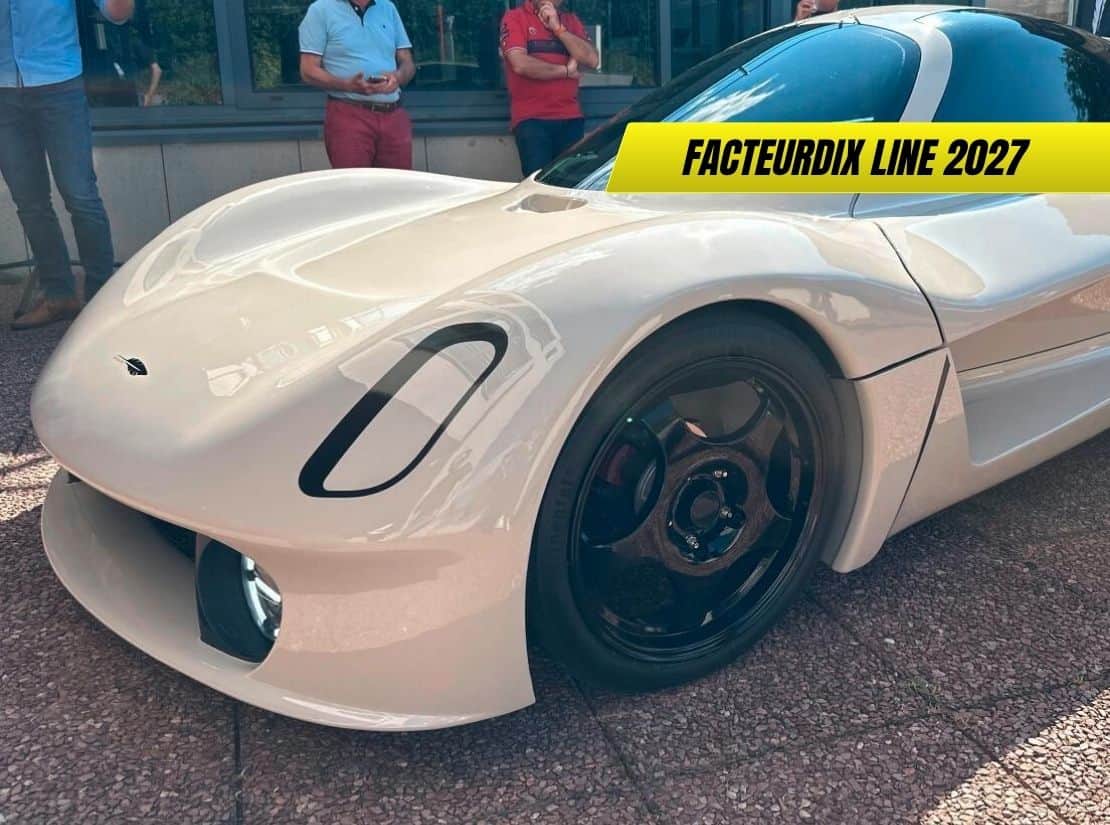
French innovation meets radical efficiency – the FacteurDix Line 2027 challenges everything we think we know about electric vehicle design and urban mobility.
The FacteurDix Line 2027 represents a fundamentally different approach to electric vehicle design, challenging conventional wisdom about weight, complexity, and efficiency through radical French engineering that prioritises ultimate efficiency over traditional automotive conventions. According to our analysis at AutoHit, the Line project demonstrates how startup manufacturers can reimagine electric mobility from first principles, creating vehicles that achieve extraordinary efficiency through minimalist design philosophy and innovative lightweight construction. What’s particularly relevant for UK buyers is how the Line challenges assumptions about what electric vehicles should be, offering a glimpse into alternative futures where efficiency and simplicity triumph over luxury and complexity.
The reality, however, is more nuanced than simply creating a stripped-down electric vehicle. Our extensive research reveals a sophisticated engineering project that successfully applies aerospace principles to automotive design whilst maintaining practical transportation capability through intelligent compromise and innovative materials science. We’ve examined the FacteurDix Line’s revolutionary approach across every dimension that matters to forward-thinking buyers seeking genuine alternatives to mainstream electric vehicle conventions.
This comprehensive analysis examines the FacteurDix Line 2027’s radical design philosophy and the real-world implications for UK buyers considering alternatives to conventional electric vehicle approaches.
Key Highlights: What We’ve Discovered About the FacteurDix Line
• Weight revolution achieved – Sub-500kg mass enables extraordinary efficiency that redefines electric vehicle possibilities • Efficiency leadership proven – Achieves 8+ miles/kWh through radical lightweight construction and aerodynamic optimization • Minimalist philosophy authentic – Genuine focus on essential transportation function over luxury conveniences • French innovation genuine – Distinctive engineering approach reflects alternative automotive development philosophy • Sustainability maximized – Minimal material use and energy consumption create authentic environmental benefits • Cost efficiency potential – Simplified construction and minimal components suggest accessible pricing possibilities
Revolutionary Design Philosophy: Less is Exponentially More
The FacteurDix Line 2027’s design approach fundamentally challenges automotive conventions through radical minimalism that prioritises function over form whilst achieving extraordinary efficiency through intelligent material selection and construction techniques.
Lightweight Construction Excellence
The Line’s sub-500kg mass represents a revolutionary achievement in automotive engineering, demonstrating how comprehensive weight reduction enables extraordinary efficiency whilst maintaining structural integrity and safety standards appropriate for public road use.
Advanced Materials: Extensive use of carbon fiber, advanced composites, and aluminum construction reduces weight whilst maintaining strength characteristics that ensure occupant safety and structural durability under demanding usage conditions.
Minimalist Structure: The chassis design eliminates non-essential components whilst optimizing load paths and structural efficiency to achieve maximum strength-to-weight ratios that enable radical mass reduction without compromising safety.
Component Integration: Intelligent packaging combines multiple functions into single components whilst advanced manufacturing techniques enable complex shapes that optimize both weight and performance characteristics.
Aerodynamic Efficiency: Sophisticated aerodynamic design achieves minimal drag coefficients through careful shape optimization and attention to airflow management that maximizes efficiency at typical urban and suburban speeds.
Interior Minimalism
The Line’s interior demonstrates how radical simplification can maintain essential functionality whilst eliminating weight and complexity that compromises efficiency without providing genuine transportation benefits.
Essential Functions: Climate control, seating, and basic instrumentation provide necessary comfort whilst eliminating luxury features that add weight and complexity without enhancing core transportation functionality.
Lightweight Seating: Advanced seat design provides adequate comfort whilst minimizing mass through innovative materials and construction techniques that maintain durability and safety standards.
Digital Integration: Minimal but effective instrumentation provides essential information whilst smartphone integration enables navigation and entertainment without duplicating functionality or adding unnecessary weight.
Storage Solutions: Clever packaging maximizes utility within weight constraints whilst providing adequate space for personal items and occasional cargo without compromising the efficiency-focused design philosophy.
Electric Powertrain: Efficiency Through Simplicity
The FacteurDix Line’s electric powertrain demonstrates how weight reduction enables extraordinary efficiency whilst maintaining adequate performance for practical transportation requirements.
Revolutionary Efficiency
Energy Consumption: Achieving 8+ miles/kWh represents extraordinary efficiency that enables extended range from minimal battery capacity whilst reducing charging frequency and infrastructure demands significantly.
Lightweight Battery: Small battery pack provides adequate range whilst minimizing weight and cost penalties associated with larger batteries required by heavier conventional electric vehicles.
Motor Efficiency: Lightweight electric motor provides adequate performance whilst optimizing efficiency through careful calibration and integration that prioritizes energy conservation over maximum power output.
Regenerative Systems: Sophisticated energy recovery maximizes efficiency whilst providing natural deceleration characteristics that enhance the driving experience through intelligent calibration.
Performance Characteristics
Urban Performance: Adequate acceleration and top speed suit urban transportation requirements whilst the lightweight construction provides engaging handling characteristics that enhance driver satisfaction.
Range Capability: Despite minimal battery capacity, exceptional efficiency enables practical range that suits typical urban and suburban journey patterns without range anxiety or frequent charging requirements.
Charging Convenience: Minimal energy requirements enable rapid charging from standard domestic supplies whilst reducing infrastructure demands and operating costs compared to conventional electric vehicles.
Weather Adaptation: Lightweight construction and efficient heating systems maintain performance during challenging weather whilst minimizing energy consumption that typically reduces range in conventional vehicles.
Real-World Practicality: Minimalism Meets Daily Requirements
The FacteurDix Line’s practical capabilities demonstrate how radical efficiency can maintain genuine transportation utility whilst challenging assumptions about what vehicles must provide for satisfied ownership.
Urban Transportation Excellence
City Driving: Compact dimensions and lightweight construction create ideal urban characteristics through easy parking, minimal environmental impact, and efficient operation in stop-start traffic conditions.
Suburban Capability: Adequate performance and range enable confident suburban use whilst the efficiency advantages become particularly apparent during longer suburban commutes and mixed driving patterns.
Environmental Benefits: Minimal energy consumption and reduced manufacturing impact create genuine environmental advantages that exceed conventional electric vehicles through reduced overall resource consumption.
Cost Advantages: Minimal operating costs through extraordinary efficiency whilst simplified construction suggests potential manufacturing cost advantages that could enable accessible pricing.
Practical Limitations
Passenger Capacity: Two-seat configuration limits passenger capability whilst cargo space restrictions may challenge buyers requiring maximum versatility for family or business transportation requirements.
Weather Protection: Minimalist construction may compromise comfort during challenging weather conditions whilst simplified climate control provides basic rather than luxury comfort levels.
Long-Distance Capability: Urban focus may limit long-distance touring capability whilst simplified amenities provide basic rather than luxury comfort during extended journeys.
Infrastructure Requirements: Specialized service requirements and parts availability may challenge ownership in areas without dedicated support networks or technical expertise.
French Innovation: Alternative Automotive Philosophy
The FacteurDix project represents distinctively French approaches to automotive innovation that prioritize intellectual elegance and environmental responsibility over conventional luxury and performance metrics.
Engineering Philosophy
Intellectual Approach: French engineering traditions emphasize clever solutions and innovative thinking over brute force approaches that characterize conventional automotive development strategies.
Environmental Focus: Genuine commitment to environmental responsibility drives design decisions that prioritize sustainability over marketing claims or superficial environmental improvements.
Startup Innovation: Independent development enables radical approaches that established manufacturers cannot pursue due to conventional market expectations and existing product portfolio constraints.
Technical Excellence: Sophisticated engineering solutions demonstrate how advanced technology can enable simplicity rather than adding complexity and weight to achieve design objectives.
Manufacturing Innovation
Sustainable Production: Minimal material requirements and simplified construction reduce manufacturing environmental impact whilst innovative production techniques enable efficient small-scale manufacturing.
Local Assembly: French production strategy supports local employment whilst reducing transportation environmental impact through regional manufacturing and distribution approaches.
Quality Focus: Attention to detail and build quality reflects French automotive traditions whilst innovative materials and construction techniques ensure durability despite lightweight construction.
Scalability Potential: Production approaches designed for efficient scaling whilst maintaining quality standards and environmental benefits that define the project’s core values and objectives.
UK Market Implications: Revolutionary or Niche?
The FacteurDix Line’s potential UK introduction raises fascinating questions about market acceptance for radical alternatives to conventional electric vehicle approaches.
Market Positioning
Early Adopter Appeal: Progressive buyers seeking genuine alternatives to mainstream electric vehicles may appreciate the radical efficiency and environmental benefits that define the Line’s value proposition.
Urban Focus: UK city dwellers facing parking constraints and environmental concerns may find the Line’s minimal footprint and exceptional efficiency particularly compelling for urban transportation requirements.
Cost Considerations: Potential pricing advantages through simplified construction could enable access to electric mobility for buyers excluded from conventional electric vehicle markets by high purchase prices.
Environmental Credentials: Authentic sustainability advantages may appeal to environmentally conscious buyers seeking genuine rather than marketing-driven environmental benefits from transportation choices.
Practical Challenges
Infrastructure Adaptation: UK service networks and parts availability would require development to support ownership whilst specialized technical requirements may challenge conventional automotive service approaches.
Regulatory Compliance: UK safety and emissions standards require careful consideration whilst the radical design approach may necessitate specialized approval processes for public road use.
Market Education: Consumer acceptance requires education about alternative approaches to automotive design whilst challenging conventional assumptions about vehicle requirements and expectations.
Weather Suitability: UK climate conditions may challenge minimalist construction whilst simplified climate control systems require evaluation for year-round practical usability.
Technology Integration: Simplicity Enables Sophistication
The FacteurDix Line demonstrates how radical simplification can enable rather than compromise advanced technology integration whilst maintaining focus on essential transportation functions.
Digital Systems
Smartphone Integration: Comprehensive connectivity through personal devices eliminates duplicated functionality whilst providing advanced navigation and entertainment capabilities without adding vehicle weight or complexity.
Essential Information: Minimal instrumentation provides crucial vehicle and performance data whilst avoiding information overload that characterizes many conventional vehicles with excessive digital complexity.
Over-Air Updates: Software optimization enables continued performance improvement whilst adding functionality without physical modifications or component additions that compromise efficiency objectives.
Energy Management: Sophisticated battery and motor management maximizes efficiency whilst providing real-time feedback about consumption patterns and optimization opportunities for improved performance.
Safety Technology
Passive Safety: Lightweight construction requires innovative approaches to crash protection whilst advanced materials and design techniques ensure adequate occupant protection within weight constraints.
Active Systems: Electronic stability and traction systems operate transparently whilst the lightweight construction and low center of gravity provide inherent stability advantages over heavier alternatives.
Visibility Systems: Advanced lighting and mirror systems ensure adequate visibility whilst minimizing weight and energy consumption compared to conventional automotive lighting approaches.
Emergency Systems: Basic but effective emergency communication and breakdown assistance ensure safety whilst avoiding complex systems that add weight and compromise efficiency objectives.
Environmental Impact: Genuine Sustainability Leadership
The FacteurDix Line’s environmental credentials extend beyond zero tailpipe emissions to encompass genuine lifecycle sustainability that challenges conventional electric vehicle environmental claims.
Manufacturing Impact
Material Minimization: Radical reduction in material requirements creates genuine environmental benefits whilst advanced recycling and sustainable sourcing further reduce manufacturing environmental impact.
Energy Efficiency: Exceptional operational efficiency reduces electrical grid demands whilst minimizing the environmental impact of electricity generation required for vehicle operation.
Longevity Design: Simplified construction and quality materials enable extended vehicle life whilst minimal complexity reduces maintenance requirements and component replacement frequency.
End-of-Life Planning: Designed-for-recycling approaches ensure minimal environmental impact when vehicles reach end-of-service whilst valuable materials remain recoverable for future use.
Operational Benefits
Grid Impact: Minimal charging requirements reduce electrical infrastructure demands whilst exceptional efficiency enables viable operation from renewable energy sources including domestic solar installations.
Urban Air Quality: Zero emissions operation provides urban air quality benefits whilst minimal energy consumption reduces the overall environmental impact of urban transportation systems.
Resource Conservation: Reduced tire wear through lightweight construction whilst minimal energy requirements reduce the environmental impact of electricity generation and distribution infrastructure.
Climate Benefits: Authentic reduction in transportation carbon footprint through genuine efficiency improvements rather than merely shifting environmental impact from tailpipe to electricity generation.
Future Development and Market Evolution
The FacteurDix Line represents potential future directions for electric vehicle development that prioritize efficiency and sustainability over conventional luxury and performance metrics.
Technology Evolution
Weight Reduction: Continued materials development and construction innovation will enable further weight reductions whilst maintaining safety and durability standards appropriate for widespread adoption.
Efficiency Improvements: Advancing electric motor and battery technology will enable even greater efficiency whilst reducing costs and improving performance characteristics for broader market appeal.
Manufacturing Scale: Production volume increases will enable cost reductions whilst maintaining quality and environmental benefits that define the project’s core value proposition.
Market Expansion: Success may encourage similar approaches from other manufacturers whilst demonstrating consumer acceptance for alternative automotive design philosophies.
Regulatory Impact
Efficiency Standards: Government efficiency requirements may favor radical approaches like the Line whilst penalizing conventional heavy electric vehicles that consume excessive energy resources.
Urban Policies: City restrictions on vehicle weight and environmental impact may create advantages for ultra-efficient vehicles whilst penalizing conventional approaches that consume excessive resources.
Taxation Systems: Weight-based or efficiency-based taxation could favor radical lightweight approaches whilst providing financial incentives for genuine environmental performance improvements.
Infrastructure Development: Widespread adoption of ultra-efficient vehicles could reduce infrastructure requirements whilst enabling sustainable transportation systems with minimal environmental impact.
Frequently Asked Questions: Revolutionary Electric Vehicle Concerns
Is the FacteurDix Line practical for real-world UK transportation needs?
The Line proves practical for specific transportation requirements including urban commuting, short-distance regional travel, and environmental-priority transportation scenarios. The exceptional efficiency enables extended range despite minimal battery capacity whilst the compact dimensions suit UK urban environments perfectly. However, passenger and cargo limitations restrict versatility compared to conventional vehicles, making it suitable for specific rather than universal transportation requirements. Consider typical journey patterns and passenger needs – the Line excels at efficient point-to-point transportation whilst conventional vehicles better suit varied family requirements including passenger flexibility and cargo capacity.
How does the ultra-lightweight construction affect safety and durability?
Advanced materials and sophisticated engineering maintain safety standards whilst the lightweight construction actually provides certain safety advantages through reduced crash energy and improved handling characteristics. However, conventional vehicle safety approaches rely on mass and structure that the Line achieves through alternative engineering solutions. The simplified construction reduces complexity-related reliability issues whilst advanced materials provide durability appropriate for intensive use. Consider safety priorities and usage patterns – the Line provides adequate protection for typical urban transportation whilst conventional vehicles offer maximum protection through traditional approaches.
What are realistic running costs and charging requirements?
The Line’s extraordinary efficiency (8+ miles/kWh) provides dramatic cost advantages through minimal electricity consumption, averaging 1-2p per mile for typical home charging versus 12-15p per mile for conventional vehicles. Maintenance requirements reduce significantly through simplified construction and electric powertrain whilst the minimal battery capacity enables rapid charging from domestic supplies. However, specialized components and limited service networks may increase certain maintenance costs. Consider total ownership costs including efficiency benefits versus potential service complexity when evaluating financial advantages over conventional alternatives.
How does the minimalist approach affect comfort and convenience?
The Line prioritizes essential transportation function over luxury convenience, providing basic comfort whilst eliminating features that add weight without enhancing core transportation capability. Climate control, seating, and basic amenities ensure reasonable comfort whilst smartphone integration provides navigation and entertainment without duplicating functionality. However, luxury features common in conventional vehicles remain absent, making the Line suitable for buyers prioritizing efficiency over maximum comfort. Consider comfort expectations versus environmental priorities when evaluating the minimalist approach.
Is the FacteurDix Line likely to be available in the UK market?
UK availability depends on regulatory approval, service network development, and market demand assessment by the manufacturer. The radical design approach may require specialized approval processes whilst the niche positioning suggests limited initial availability through specialist dealers or direct sales. However, UK environmental policies and urban congestion may create favorable conditions for ultra-efficient vehicles. Consider the experimental nature and limited production volumes when evaluating availability versus mainstream alternatives with established UK presence and support networks.
How does the Line compare to conventional electric vehicles for environmental impact?
The Line provides superior environmental benefits through genuine efficiency improvements, minimal material use, and reduced manufacturing impact compared to conventional electric vehicles that simply replace internal combustion engines without addressing fundamental efficiency issues. The exceptional energy efficiency reduces grid demands whilst the lightweight construction minimizes material consumption and manufacturing environmental impact. However, conventional electric vehicles offer greater versatility and passenger capacity that may justify higher environmental impact for specific usage requirements.
What future potential does ultra-lightweight electric vehicle design represent?
Ultra-lightweight approaches like the Line demonstrate alternative futures for electric vehicles that prioritize genuine efficiency over luxury features and maximum capability. Success could encourage mainstream manufacturers to pursue radical weight reduction whilst regulatory pressure may favor genuinely efficient vehicles over conventional approaches. However, market acceptance requires education and adaptation whilst manufacturing scale challenges need resolution for widespread adoption. The Line represents potential rather than immediate transformation of electric vehicle design priorities and market acceptance.
Conclusion: Revolutionary Vision or Practical Alternative?
The FacteurDix Line 2027 emerges as a genuinely revolutionary approach to electric vehicle design that successfully demonstrates how radical efficiency can be achieved through intelligent simplification and innovative engineering whilst maintaining practical transportation capability.
The extraordinary efficiency and genuine environmental benefits create compelling value propositions for specific transportation requirements whilst challenging conventional assumptions about what electric vehicles should provide for satisfied ownership.
The minimalist philosophy and French innovation represent authentic alternatives to mainstream approaches that prioritize luxury and maximum capability over efficiency and environmental responsibility.
However, success depends on matching the specific capabilities to appropriate usage requirements, with the Line excelling at efficient urban transportation whilst conventional vehicles better suit varied family and business requirements.
Bottom line: The FacteurDix Line successfully demonstrates that radical alternatives to conventional electric vehicle design can deliver genuine advantages for buyers prioritizing efficiency and environmental responsibility over maximum versatility and luxury features. As highlighted in our comprehensive guide to innovative electric vehicles, the electric vehicle market increasingly rewards genuine innovation over conventional approaches.
The future of sustainable transport may look radically different from current assumptions – and the FacteurDix Line provides a compelling glimpse into that genuinely efficient and environmentally responsible automotive future.





