
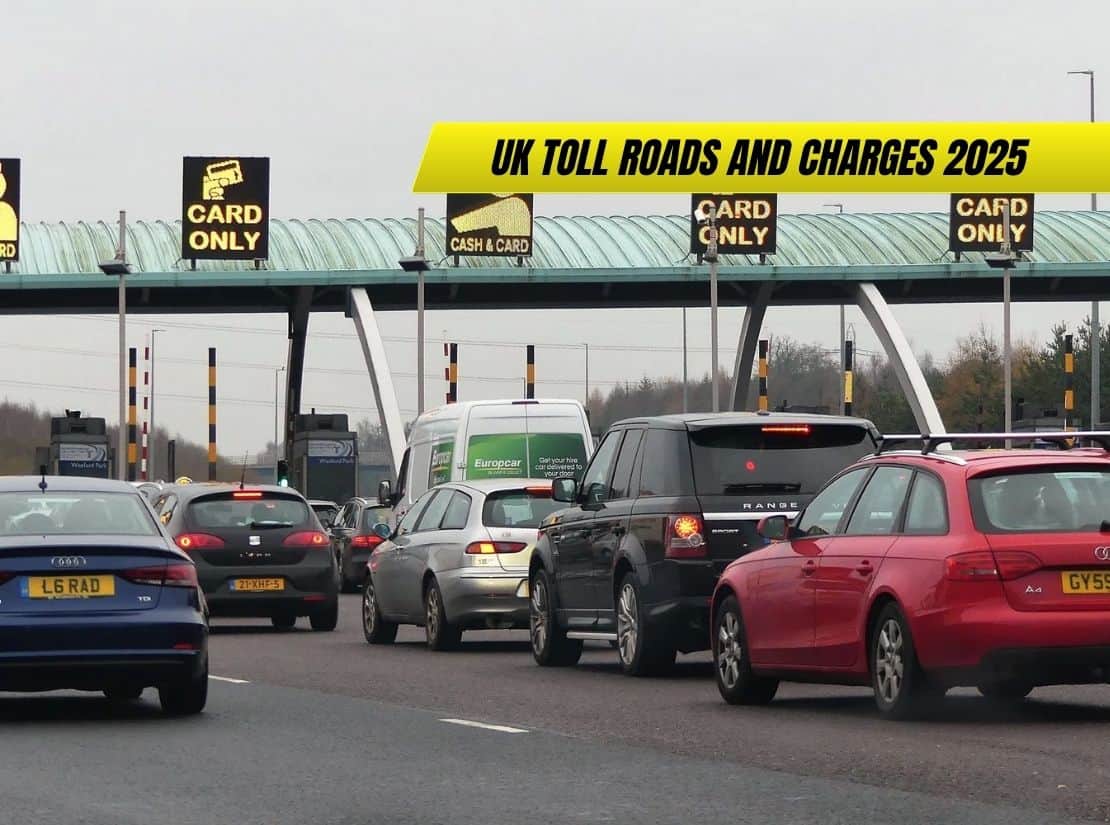
Complete guide to UK toll roads including Dartford Crossing, M6 Toll, and penalty charges. Updated for September 2025 price increases and payment methods.
Navigating Britain’s toll roads can seem straightforward until you encounter unexpected charges or, worse, penalty notices arriving through your letterbox weeks later. Unlike many European countries where tolls are commonplace, the UK operates a relatively limited but strategically important network of charged crossings and roads that catch thousands of drivers off-guard annually.
Our team at AutoHit has extensively researched the current toll landscape across Britain, from the notorious Dartford Crossing that generates over £200 million annually to lesser-known bridge tolls that can surprise unsuspecting drivers. With significant price increases coming into effect from September 2025 and an increasingly complex web of payment systems, understanding your obligations has never been more crucial.
The stakes are higher than many realise. A staggering £73 million came from fines for drivers who failed to pay charges in 2023, demonstrating how easy it is to fall foul of Britain’s toll systems. Whether you’re a daily commuter, occasional traveller, or simply someone who wants to avoid costly penalties, this comprehensive guide covers everything you need to know about UK toll charges, payment methods, and the consequences of getting it wrong.
Key Highlights:
• Major toll roads limited but strategically important with Dartford Crossing and M6 Toll generating hundreds of millions annually
• September 2025 price increases see Dartford Crossing charges rise 40% from £2.50 to £3.50 for cars
• Automated payment systems using ANPR technology mean no physical toll booths on major routes
• Severe penalties for non-payment ranging from £35-£105 with millions in fines issued annually
• Local resident discounts available with annual caps for frequent users living in toll areas
• Multiple payment methods from pre-paid accounts to one-off online payments with varying costs
Understanding the UK Toll System: Limited but Significant
Unlike continental Europe where toll roads form extensive networks, Britain operates a selective approach focusing on specific strategic crossings and bypasses. The system reflects practical needs rather than comprehensive coverage, targeting locations where alternative routes would create significant congestion or where major infrastructure investments require ongoing funding.
Primary UK Toll Locations
Dartford Crossing (M25): The crown jewel of UK toll roads, this Thames crossing between Essex and Kent handles up to 180,000 vehicles daily, making it one of Europe’s busiest toll points. From September 1st 2025, car charges increase from £2.50 to £3.50, representing a 40% rise that reflects growing maintenance costs and demand management.
M6 Toll (Birmingham): The UK’s only major toll motorway stretches 27 miles through the Midlands, offering a premium alternative to the notoriously congested free M6. The M6 toll ranked second for bringing in the most revenue at £107 million per year, with charges reaching £7 for cars during peak hours.
Regional Bridges and Tunnels: Including the Mersey Gateway, Humber Bridge, Tamar Bridge, and various smaller crossings that serve specific local needs while generating substantial revenues for maintenance and operation.
No products found.
Payment Technology Evolution
Modern UK toll systems have largely abandoned traditional booth-based collection in favour of automated recognition technology. The Dartford Crossing uses automatic number plate recognition (ANPR), meaning you’ll need to pay online or by phone, eliminating physical barriers while creating new challenges for unprepared drivers.
This technological shift improves traffic flow but places greater responsibility on drivers to understand payment requirements and deadlines. The convenience comes with stricter enforcement and higher penalties for those who fail to comply with the digital-first approach.
Dartford Crossing: Britain’s Most Important Toll
Current Charges and September 2025 Increases
The Dartford Crossing operates between 6am and 10pm daily, including weekends and bank holidays. Charges apply every day – including weekends and bank holidays, with night-time travel (10pm-6am) remaining free to encourage off-peak usage.
New Charges from September 2025:
- Cars: £3.50 (increased from £2.50)
- Account holders: £3.00 (increased from £2.00)
- Two-axle goods vehicles: £4.19 (increased from £3.00)
- Multi-axle HGVs: £6.00+ depending on configuration
- Motorcycles: Free at all times
Payment Methods and Deadlines
You only have until midnight the following day to pay, creating a narrow window that catches many drivers unprepared. Payment options include:
Online/Phone Payments: Individual journey payments via the gov.uk portal or dedicated phone line, accepting major credit and debit cards.
Dart Charge Accounts: Pre-paid accounts offering reduced rates and automatic payment for regular users. Account holders pay £3.00 versus £3.50 for one-off payments after September 2025.
Auto-top up: Automatic replenishment when account balances fall below set thresholds, ensuring continuous coverage for frequent users.
Local Resident Discounts
You can apply for a discount if you live in the council boundaries of Dartford or Thurrock, recognising the crossing’s importance for local communities. Drivers who live in Dartford or Thurrock will pay £25 for unlimited annual crossings from 1 September 2025, providing significant savings for residents who rely on the crossing for daily activities.
M6 Toll: Premium Motoring at a Price
No products found.
Pricing Structure and Payment Options
The M6 Toll operates a time-based pricing system reflecting demand patterns and encouraging off-peak usage. Current charges for cars range from £5.50 during off-peak periods to £7.00 between 7am-7pm, making it one of Britain’s most expensive toll roads per mile.
Payment Methods:
- Credit/Debit Cards: All major cards accepted at toll plazas
- Fuel Cards: Accepted business fuel cards for commercial users
- TAG System: Electronic pre-paid devices offering 5% discounts for regular users
The M6 toll does not accept cash – only bank cards, fuel cards, or through the pre-paid TAG system, reflecting the industry’s move toward contactless transactions.
Value Proposition for Drivers
Despite high charges, the M6 Toll provides genuine value through time savings and reduced stress. The M6 toll was built to carry 72,000 vehicles a day – but now has to cope with up to 145,000 on a daily basis, indicating strong demand despite premium pricing.
For business users and time-sensitive journeys, the toll often proves cost-effective when driver time and fuel savings are considered alongside the direct charges.
Regional Toll Roads and Bridges
Mersey Gateway and Northern Crossings
The Mersey Gateway made over £48 million between October 2020 and September 2021 in toll fees, demonstrating the revenue potential of strategic regional crossings. The crossing connects Runcorn and Widnes, serving both local and long-distance traffic.
Tyne Tunnel: Drivers face charges of £2.40 per use, although they can be slapped with a sharp fine of £60 if this is not paid, illustrating how smaller tolls still carry significant penalty risks.
South West and Wales
Tamar Bridge: Connecting Devon and Cornwall, brought in £14 million annually, serving as a crucial link for tourism and commercial traffic to Cornwall.
Severn Crossings: While now free following the end of the concession period, these bridges previously generated substantial revenues and demonstrate how toll policies can change over time.
Penalty System: The Cost of Getting it Wrong
No products found.
Dartford Crossing Penalties
If you don’t pay the fee, you will receive a penalty charge of £70. This charge would reduce to £35 if you pay within 14 days after receiving the notice. The penalty structure escalates for non-payment:
- Initial fine: £70
- Early payment discount: £35 if paid within 14 days
- Escalated penalty: £105 if unpaid after 28 days
The Scale of Non-Payment
A staggering £73 million comes from fines for drivers who fail to pay the charge, representing over one-third of total Dartford Crossing revenue. This demonstrates both the scale of non-compliance and the significant financial consequences for unprepared drivers.
Appeal Process and Rights
Drivers receiving unwarranted penalties can challenge charges through formal appeal processes. Each toll operator provides specific procedures for contesting penalties, typically requiring evidence of payment attempts or extenuating circumstances.
Common appeal grounds:
- Technical payment system failures
- Incorrect vehicle registration details
- Emergency or medical circumstances
- First-time user confusion
London Congestion Charge and ULEZ
Daily Congestion Charge
In London, you need to pay a £15 daily charge if you drive between 7am and 10pm, covering central London’s congestion zone. This environmental and traffic management measure operates alongside traditional toll roads.
Ultra Low Emission Zone (ULEZ)
The expanding ULEZ creates additional charges for non-compliant vehicles, adding complexity to London driving costs. Combined with congestion charges, total daily costs can exceed £30 for some drivers.
Payment Integration
London’s charging systems integrate with toll road payments through various apps and account systems, allowing consolidated management of multiple transport charges.
Payment Technology and Future Developments
Automatic Number Plate Recognition (ANPR)
Modern toll systems rely heavily on ANPR technology, enabling free-flow traffic while maintaining payment enforcement. This system requires drivers to understand payment windows and methods, placing greater responsibility on users.
Mobile Apps and Digital Solutions
Smartphone apps increasingly provide consolidated toll payment services, offering journey planning, automatic payment, and account management. These solutions reduce the risk of missed payments while providing cost transparency.
Account Management Systems
Pre-paid accounts across multiple toll operators offer the best value and convenience for regular users. Payment can be made using cash, credit cards and toll tags issued by the respective authorities, though digital methods predominate on major routes.
Comparison Table: Major UK Toll Charges (September 2025)
| Location | Car Charge | Account Rate | Payment Window | Penalty |
|---|---|---|---|---|
| Dartford Crossing | £3.50 | £3.00 | Next midnight | £35-£105 |
| M6 Toll (Peak) | £7.00 | £6.65 (TAG) | At barrier | N/A |
| M6 Toll (Off-peak) | £5.50 | £5.23 (TAG) | At barrier | N/A |
| Mersey Gateway | £2.00 | £1.60 | Next midnight | £60 |
| Tyne Tunnel | £2.40 | N/A | Next midnight | £60 |
| Humber Bridge | £1.50 | N/A | At barrier | N/A |
Our Take: Account-based payment systems offer significant savings for regular users, while payment windows create penalty risks for occasional travellers unfamiliar with requirements.
Tips for Avoiding Toll Penalties
Pre-Journey Planning
Route Research: Use toll calculators and mapping services to identify charged routes and plan payment methods before travelling.
Account Setup: Establish pre-paid accounts for regularly used toll roads to ensure automatic payment and reduced rates.
Vehicle Registration: Ensure vehicle details are current and correctly recorded to avoid payment failures due to registration mismatches.
Payment Best Practices
Immediate Payment: Pay toll charges as soon as possible after crossing to avoid missing payment windows.
Confirmation Records: Keep payment confirmations and reference numbers as evidence of compliance.
Regular Account Monitoring: Check account balances and transaction history to ensure payments are processing correctly.
Technology Solutions
Mobile Apps: Download official toll operator apps for convenient payment and account management.
Automated Reminders: Set phone reminders or calendar alerts for toll payment deadlines.
Journey Logging: Maintain travel records for business users requiring expense documentation.
Frequently Asked Questions
What happens if I forget to pay the Dartford Crossing charge?
Miss the deadline and you could face a fine of up to £105, turning a short trip into an expensive mistake. You have until midnight the day after crossing to pay, after which penalty notices are automatically issued. The initial £70 fine reduces to £35 if paid within 14 days, but increases to £105 if ignored for 28 days. First-time users can sometimes appeal successfully, but repeated violations result in full penalties.
Can I pay cash at UK toll roads?
Most major UK toll roads have eliminated cash payments in favour of card and digital systems. The M6 toll does not accept cash – only bank cards, fuel cards, or through the pre-paid TAG system. The Dartford Crossing abandoned cash payments in 2014, requiring online or phone payments. Some smaller bridges and tunnels still accept cash, but digital payment is becoming universal across the network.
Are there discounts available for frequent toll road users?
Yes, most toll operators offer account-based discounts for regular users. Dartford Crossing account holders save £0.50 per journey, while the TAG system gives you 5% off every trip on the M6 Toll. Local residents near the Dartford Crossing can access annual unlimited crossing passes for £25. These discounts quickly add up for daily commuters or business users making regular journeys.
Do electric vehicles get toll road discounts?
Currently, UK toll roads don’t offer blanket discounts for electric vehicles, unlike congestion charges where EVs often receive exemptions. Tolls are generally based on vehicle size and axle count rather than emission levels. However, this may change as environmental policies evolve, particularly for roads with traffic management rather than pure revenue objectives.
How do toll roads compare to fuel costs for alternative routes?
The economics vary significantly by journey and vehicle type. For the M6 Toll, the £7 peak charge often proves cost-effective when considering fuel savings, reduced wear and tear, and time value. However, for shorter journeys or fuel-efficient vehicles, free alternatives may be more economical. Factor in penalty risks and stress levels when making decisions, as these hidden costs can make toll roads more attractive.
What should I do if I receive a penalty notice I believe is incorrect?
All toll operators provide formal appeal processes for disputed penalties. Common successful appeals include technical payment failures, vehicle registration errors, or emergency circumstances. Gather evidence including payment attempts, vehicle documentation, and journey details. Appeals must typically be submitted within specific timeframes, usually 28 days from penalty notice receipt. Many first-time user appeals succeed, particularly when demonstrating genuine payment attempts.
Are there plans to expand toll roads in the UK?
The UK government maintains that toll roads primarily serve traffic management rather than revenue generation, limiting expansion plans. Government has no plans to remove the road user charge at the Dartford Crossing which exists to manage demand. New infrastructure projects like the recently opened Silvertown Tunnel in London suggest targeted toll implementation may continue, but wholesale network expansion seems unlikely given political and public resistance to road charging.
UK toll roads represent a unique challenge for drivers: limited in scope but significant in impact, with penalty systems that can transform minor oversights into expensive mistakes. The concentration of toll revenue among a few major routes means understanding these specific systems becomes crucial for avoiding financial penalties.
The September 2025 price increases represent the most significant toll changes in over a decade, with the Dartford Crossing’s 40% rise reflecting growing infrastructure costs and demand management priorities. For regular users, account-based systems provide both financial benefits and operational convenience that justify the administrative effort.
Technology evolution continues reshaping the toll landscape, with ANPR systems and digital payments creating smoother traffic flow while placing greater responsibility on drivers to understand payment requirements and deadlines. The elimination of physical payment barriers improves journey times but increases penalty risks for unprepared travellers.
Our assessment: Britain’s toll roads serve legitimate infrastructure and traffic management purposes, but the penalty systems seem disproportionately punitive given the complexity of payment requirements. The concentration of fine revenue suggests these systems catch out far more drivers than necessary.
Bottom line: Success with UK toll roads requires advance planning, account setup for regular routes, and immediate payment compliance for occasional use. The financial consequences of getting it wrong far outweigh the modest effort required to get it right.
With millions in penalties issued annually, understanding UK toll requirements isn’t just about convenience – it’s about protecting your wallet from unnecessary and avoidable charges.





