
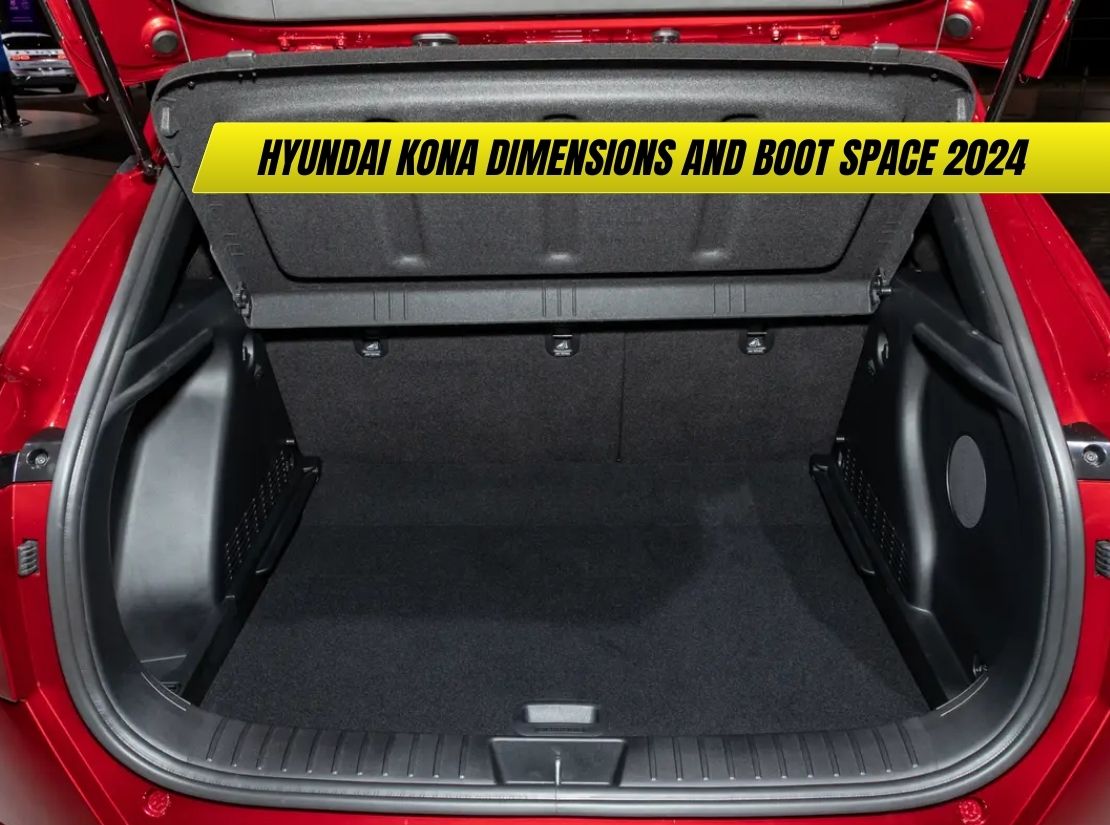
Complete UK guide to the second-generation Hyundai Kona’s dimensions, boot space, and practicality. 466-litre boot capacity with 40:20:40 split-folding seats.
The second-generation Hyundai Kona represents a significant evolution from its predecessor, transforming from a quirky compact crossover into a more mature and spacious family SUV that addresses many of the original’s practical limitations. For UK families considering this popular Korean SUV, understanding its real-world dimensions and cargo capabilities becomes crucial for making informed purchasing decisions.
Our editorial team at AutoHit has extensively analysed the latest Kona’s dimensional improvements and practical applications across typical British family scenarios. From school runs through narrow village streets to holiday luggage for week-long trips to the Lake District, the new Kona’s enhanced proportions promise greater versatility than its predecessor while maintaining the compact footprint that made the original so appealing.
The transformation extends beyond mere numbers – though the statistics tell an impressive story of growth and refinement. With a 60mm longer wheelbase, 466-litre boot capacity (up from 361 litres), and sophisticated packaging solutions, the 2024 Kona positions itself as a genuine alternative to larger SUVs for families prioritising efficiency over excess.
Key Highlights: • Substantial dimensional growth with 150mm additional length and 60mm longer wheelbase improving interior space • 466-litre boot capacity representing 30% increase over previous generation with flexible loading solutions • 40:20:40 split-folding rear seats providing exceptional cargo versatility for British family needs • Compact external footprint at 4.35m length fitting UK parking spaces while maximising interior volume • Advanced packaging technology including adjustable boot floor and electric tailgate with smart opening • Class-leading interior space accommodating four adults comfortably despite compact SUV positioning
Dimensional Evolution: Growing Up Without Growing Out
External Proportions: Compact Yet Commanding
The 2024 Hyundai Kona measures 4,355mm in length, 1,825mm in width, and 1,575mm in height, representing a significant but thoughtful increase over its predecessor. This model from the year 2023 stands out for being 150mm longer compared to the dimensions of the 2021 Hyundai Kona, positioning it firmly in the upper echelons of the B-SUV segment.
Despite this growth, the Kona remains eminently manageable for British driving conditions. At 4.35 metres, it fits comfortably within standard UK parking spaces while providing the visual presence that modern SUV buyers expect. The 1.825-metre width (excluding mirrors) ensures reasonable passage through typical residential streets, though drivers should remain mindful when navigating particularly narrow country lanes.
The 1.575-metre height strikes an optimal balance between SUV stance and practical considerations like multi-storey car park access and garage clearance. This dimension allows most UK car parks to accommodate the Kona without concern, while providing sufficient ground clearance (160mm) for rural and suburban driving conditions.
Wheelbase Extension: The Key to Interior Transformation
The wheelbase – the distance between front and rear axles – extends to 2,660mm, representing a crucial 60mm increase that fundamentally transforms the interior packaging. The wheelbase is actually 60mm (more than two inches) longer and Hyundai claims this brings noticeable additional legroom for rear passengers.
This extended wheelbase achieves multiple objectives simultaneously: improved rear passenger accommodation, enhanced ride quality through better weight distribution, and superior cargo packaging behind the rear seats. For UK families, this translates to genuine four-adult capability rather than the 2+2 arrangement that characterised many first-generation compact crossovers.
Boot Space Revolution: From Adequate to Outstanding
Capacity Transformation
One of the points of strength of the new Hyundai Kona 2024 is its more spacious and versatile boot. With a base capacity of 466 litres, it offers over 100 litres more than the previous generation, representing a 30% improvement that addresses one of the original’s most significant practical limitations.
This 466-litre capacity positions the Kona competitively within its segment, offering more cargo space than many traditional compact cars while approaching the utility of larger SUVs. For context, this capacity easily accommodates a large weekly shop for a family of four, multiple sports bags for weekend activities, or the luggage requirements for a week-long UK holiday.
Flexible Loading Solutions
The boot’s functionality extends well beyond raw capacity through thoughtful engineering solutions. This space is easily managed thanks to the dual-floor and adjustable floor, measuring 867mm in depth and 1,042mm in width, providing excellent proportions for typical cargo loading scenarios.
The 40:20:40 split-folding rear seats represent a particular highlight, offering exceptional versatility for British families. You’ll love the flexibility of the 40:20:40 folding rear seats. Fold down the middle segment and you can fit four pairs of skis and four passengers, demonstrating the system’s real-world utility for sports equipment and long items.
Maximum Capacity and Practicality
With all rear seats folded, the Kona provides a maximum of 1,300 litres of cargo space, surpassing the previous generation by over 150 litres. This dramatic increase enables the Kona to handle moving scenarios, large furniture purchases, or extensive holiday gear for extended trips.
The loading area maintains good proportions when seats are folded, with minimal intrusion from wheel arches or structural elements. The relatively low loading height and wide aperture facilitate easy loading of heavy items, though the compact SUV format means some lifting remains necessary compared to traditional estate cars.
Interior Space and Passenger Accommodation
Front Seat Comfort and Positioning
The Kona’s front cabin offers generous accommodation for drivers and passengers, with seat positioning that provides commanding views while maintaining car-like accessibility. Even tall adults can fit in either row, confirming that the dimensional improvements translate to real-world comfort benefits.
Hyundai has implemented several clever packaging solutions to maximise interior space efficiency. Hyundai has gone to great lengths to keep the front seat backs especially thin: they measure just 85mm thick and this means rear-seat passengers’ knees are less likely to jab into the front occupants’ backs.
Rear Passenger Experience
The extended wheelbase delivers genuinely improved rear passenger accommodation compared to the previous generation. We certainly didn’t find seating four difficult in this compact crossover, though the central rear seat position remains more suitable for children or shorter adults during extended journeys.
The rear passenger environment benefits from thoughtful details including climate vents, adequate window area for visibility, and sufficient headroom for adults up to six feet tall. However, families regularly carrying five passengers should consider the inherent limitations of the compact SUV format.
Storage Solutions Throughout
Interior storage solutions reflect modern connectivity and convenience requirements, with multiple USB charging points, smartphone storage areas, and practical compartments throughout the cabin. The centre console provides adequate space for daily items, while door pockets accommodate bottles and smaller personal effects.
Technology Integration and Convenience Features
Smart Boot Operation
Hyundai Kona 2024 demonstrates technological growth in boot functionality through several advanced features. The electric tailgate offers wide opening adjustment, while the automatic opening function detects the smart key, opening automatically when detected nearby for at least three seconds.
This hands-free operation proves particularly valuable when approaching the vehicle with arms full of shopping or sports equipment. The system’s sensitivity can be adjusted to prevent inadvertent opening while providing reliable operation when required.
Digital Integration
The Kona features Hyundai’s latest Connected Car Navigation Cockpit with Over The Air software updates possible for every system in the car. The dual 12.3-inch displays provide comprehensive vehicle information while maintaining intuitive operation for navigation and entertainment functions.
Smartphone integration through Apple CarPlay and Android Auto operates wirelessly, reducing cable clutter while maintaining full connectivity. The system’s responsiveness and interface design reflect Hyundai’s commitment to user-friendly technology implementation.
Competitive Positioning in the UK Market
Segment Comparison
Within the compact SUV segment, the Kona’s dimensional package competes directly with established rivals while offering distinctive advantages. Its 466-litre boot capacity exceeds many traditional competitors while the 40:20:40 seat configuration provides superior flexibility for family use.
Compared to alternatives like the Nissan Juke (354 litres), Peugeot 2008 (434 litres), and Ford Puma (456 litres), the Kona offers clear cargo advantages while maintaining comparable external dimensions. This combination addresses a key criticism of compact SUVs – inadequate cargo space relative to traditional hatchbacks.
UK-Specific Considerations
For British buyers, the Kona’s dimensions prove well-suited to typical usage scenarios. The 4.35-metre length fits standard parking spaces while providing adequate interior volume for family use. The ground clearance handles typical UK road conditions without creating unnecessary bulk for urban driving.
The cargo capacity suits British shopping patterns, accommodating large supermarket runs while providing sufficient space for weekend recreational equipment. The flexible seating arrangement particularly benefits families with varied transport requirements throughout the week.
Trim Levels and Practical Differences
Equipment Impact on Space
Different trim levels provide varying approaches to interior space utilisation and convenience features. Entry-level Advance trim includes essential practicality features including parking sensors and rear camera, while higher specifications add convenience elements like the electric tailgate and premium audio systems.
The N Line variants prioritise sporting aesthetics over maximum practicality, though cargo space remains unchanged. Ultimate trim levels include luxury touches like heated and cooled seats, though these don’t significantly impact practical space utilisation.
Cost-Benefit Analysis
For UK buyers prioritising maximum practicality, mid-level trim specifications typically provide the optimal balance of features and value. The substantial cargo space improvements apply across all trim levels, ensuring even entry-level variants offer significant practical advantages over the previous generation.
Real-World Usage Scenarios
Weekly Shopping Capability
The 466-litre boot capacity comfortably accommodates substantial weekly shopping for families of four, with space remaining for additional purchases or sports equipment. The adjustable floor system allows optimization for different load types, from bulky items to numerous smaller bags.
The wide aperture and reasonable loading height suit typical UK shopping patterns, though families requiring maximum cargo capacity for bulk purchases might still prefer traditional estate cars or larger SUVs.
Holiday and Recreation
For UK holiday travel, the Kona provides adequate luggage capacity for week-long trips when travelling with four occupants. The 40:20:40 seat configuration enables carrying longer items like sporting equipment while maintaining passenger capacity.
Extended European holidays or camping trips may require roof storage supplements, though the Kona’s cargo capacity handles most typical UK family recreation requirements without compromise.
Frequently Asked Questions
How does the Kona’s boot space compare to traditional family hatchbacks?
The Kona’s 466-litre capacity competes favorably with traditional family hatchbacks, often matching or exceeding their cargo capacity while providing higher loading positions and SUV versatility. Models like the Volkswagen Golf (381 litres) and Ford Focus (375 litres) offer less space, while the Kona’s 40:20:40 split-folding seats provide superior flexibility for mixed passenger and cargo scenarios. The higher loading position may suit some users better than traditional hatchback formats, though the compact SUV height means more lifting compared to estate cars.
Will four adults be comfortable on longer UK journeys?
Four adults can travel comfortably in the Kona for typical UK journey lengths, including trips between major cities or holiday destinations. The 60mm wheelbase extension provides genuine rear legroom improvements, while adequate headroom accommodates passengers up to six feet tall. However, the compact SUV format means longer journeys (over three hours) may prove less comfortable than larger vehicles, particularly for rear passengers. The central rear seat remains best suited for children or occasional adult use rather than regular long-distance travel.
How does boot space compare to larger SUVs featured in our guides?
The Kona’s 466-litre capacity positions it well within the compact SUV segment, though it naturally trails larger alternatives featured in our guides to best SUVs under £40k. Models like the Hyundai Tucson (616 litres) or Kia Sportage (591 litres) offer significantly more cargo space, while seven-seat SUVs provide even greater capacity when configured for five passengers. However, the Kona’s efficiency, parking convenience, and lower running costs may offset cargo limitations for families not requiring maximum space.
What are the parking considerations for UK use?
At 4.35 metres length and 1.825 metres width, the Kona fits comfortably within standard UK parking spaces while offering reasonable clearance margins. The compact dimensions suit residential street parking, shopping centre spaces, and multi-storey car parks without difficulty. The 1.575-metre height accommodates most height-restricted areas, though drivers should verify clearance for specific locations. Parking sensors and available surround-view cameras aid maneuvering in tight spaces, making the Kona suitable for urban environments where larger SUVs might prove challenging.
Does the electric version sacrifice boot space?
The Kona Electric maintains impressive cargo capacity at 466 litres, matching the conventional variants rather than sacrificing space for battery packaging. This represents excellent engineering as many electric vehicles compromise cargo space for battery accommodation. The flat battery mounting preserves boot floor design and loading convenience, ensuring electric buyers don’t forfeit practicality for environmental benefits. The consistency across powertrains means families can choose based on preferred fuel type without cargo capacity concerns.
How does the 40:20:40 seat configuration work in practice?
The 40:20:40 split-folding system provides exceptional versatility for varying cargo and passenger combinations. The center section folds independently, allowing long items like skis or furniture to pass through while maintaining two passenger positions. This proves particularly valuable for sports equipment, DIY materials, or furniture transport where full rear seat folding isn’t necessary. All sections fold completely flat, creating a level loading floor when maximum cargo space is required. The operation remains simple enough for regular use without requiring excessive force or complicated procedures.
Are there any dimensional compromises compared to larger alternatives?
The Kona’s compact footprint inevitably involves some compromises compared to larger SUVs, particularly regarding third-row seating (unavailable) and absolute cargo volume. However, these limitations must be weighed against advantages including better fuel economy, easier parking, lower running costs, and adequate space for most family scenarios. The dimensional balance proves well-suited to UK conditions where space efficiency often matters more than absolute size, particularly for families prioritizing cost-effectiveness over maximum interior volume.
The Verdict: Grown-Up Practicality in a Compact Package
The second-generation Hyundai Kona successfully addresses the practical limitations that prevented its predecessor from fully competing with traditional family hatchbacks while maintaining the SUV appeal that makes it desirable for modern buyers. The dimensional improvements prove more than mere statistical gains, delivering genuine real-world benefits for British families.
The boot space transformation represents the most significant improvement, with 466 litres providing genuinely useful cargo capacity that handles weekly shopping, sports equipment, and holiday luggage without compromise. The 40:20:40 split-folding system adds flexibility that many larger vehicles lack, proving that thoughtful engineering can overcome dimensional constraints.
Interior space improvements benefit daily usability through enhanced rear passenger accommodation and clever packaging solutions that maximise the compact footprint’s potential. While the Kona remains fundamentally a four-adult vehicle, those four passengers now travel in genuine comfort rather than making space compromises.
Our assessment: The 2024 Kona strikes an excellent balance between compact convenience and family practicality, offering SUV appeal without the bulk that makes larger vehicles challenging for UK conditions. The dimensional improvements address previous limitations while maintaining the accessibility and efficiency that made the original appealing.
Bottom line: For UK families seeking SUV style with genuine practicality, the new Kona delivers class-leading cargo space and interior accommodation within dimensions that suit British roads and parking constraints. The growth proves meaningful rather than token, creating a more complete package that genuinely competes with larger alternatives.
The Kona’s dimensional evolution demonstrates that intelligent packaging can deliver family SUV capability without requiring the bulk that characterises many modern alternatives.





