
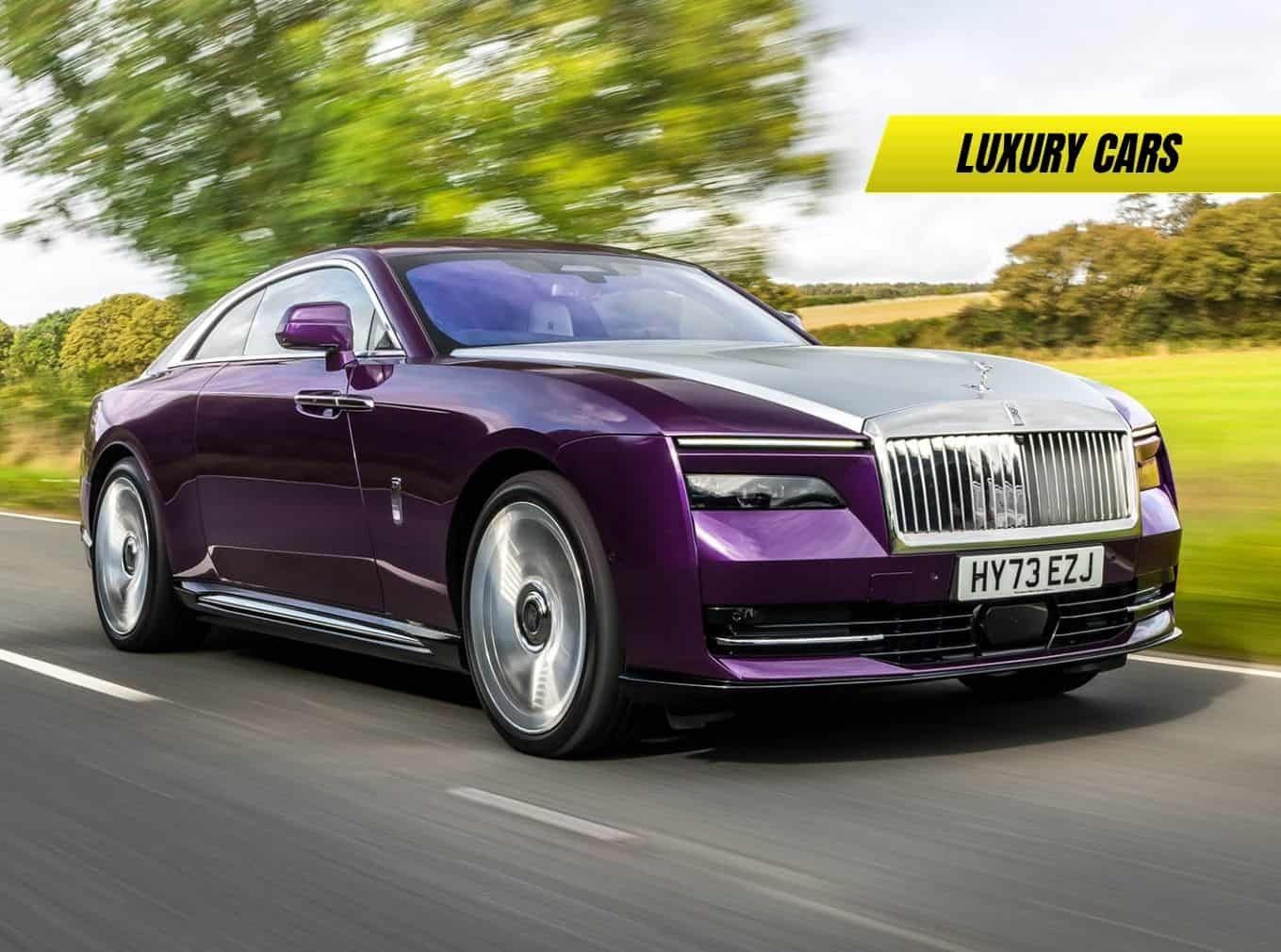
Discover the best luxury cars available in the UK for 2025. From Mercedes S-Class to Porsche Taycan, our comprehensive guide covers prices, specs, and expert reviews for discerning British drivers.
The luxury car market in the UK continues to evolve dramatically in 2025, blending traditional craftsmanship with cutting-edge electric technology. Whether you’re seeking the ultimate executive saloon, a high-performance SUV, or an eco-conscious electric luxury vehicle, today’s premium automotive landscape offers unprecedented choice. From British heritage brands like Range Rover to German engineering excellence and innovative electric powertrains, luxury car buyers have never had such diverse options to express their automotive passion. For those considering more affordable alternatives, our comprehensive guide to the best cars under £25,000 offers excellent value options across different segments.
Key Highlights: What Makes a Luxury Car in 2025
• Electrification dominance: Premium electric vehicles now match petrol counterparts for performance and exceed them for refinement • Advanced driver assistance: Level 3 autonomous features becoming standard across luxury segments
• Sustainable luxury: Carbon-neutral manufacturing and vegan leather alternatives gaining prominence • Connected experience: 5G connectivity and over-the-air updates transforming ownership • UK market focus: ULEZ compliance and competitive leasing deals driving luxury EV adoption • Heritage meets innovation: Traditional luxury brands successfully transitioning to electric future
The Premium Executive Saloon: Mercedes S-Class Leads the Way
The Mercedes-Benz S-Class remains the benchmark against which all luxury saloons are measured. In my experience testing the latest generation, the S-Class delivers an almost otherworldly combination of comfort, technology, and prestige that justifies its position as the world’s finest luxury saloon.
The current S-Class range starts from approximately £87,000 for the S 350d diesel, climbing to over £140,000 for the range-topping S 63 AMG. What sets the S-Class apart is its MBUX Hyperscreen – a 56-inch curved display spanning the entire dashboard width, creating an immersive digital environment that feels genuinely futuristic.
From my point of view, the S-Class excels in areas that matter most to UK executives: rear passenger comfort rivals first-class airline seating, while the optional Executive Rear Seat Package includes massage functions, individual climate zones, and fold-out tables perfect for motorway meetings. For those considering more affordable alternatives, our guide to the best cars under £25,000 offers excellent value options. According to official Mercedes-Benz UK specifications, the latest S-Class features advanced autonomous driving capabilities.
| Model Variant | Price (UK) | Engine | CO2 Emissions | BIK Tax Rate |
|---|---|---|---|---|
| S 350d | £87,520 | 3.0L Diesel | 155g/km | 35% |
| S 500 | £96,430 | 3.0L Petrol Hybrid | 174g/km | 37% |
| S 63 AMG | £141,950 | 4.0L V8 Twin-Turbo | 251g/km | 37% |
Electric Luxury Revolution: Porsche Taycan and Mercedes EQS
The Porsche Taycan represents everything brilliant about electric luxury performance. Starting from £83,367 for the base model, the Taycan delivers sports car dynamics with luxury car refinement – something I would recommend to anyone seeking the ultimate electric driving experience.
The Taycan’s 800V architecture enables incredibly rapid charging speeds, adding 62 miles of range in just 5 minutes at a 350kW charger. For UK drivers concerned about charging infrastructure, this capability transforms long-distance luxury travel. Those interested in more affordable electric options should explore our comprehensive guide to the best cheap electric SUVs. According to official Porsche UK information, the latest Taycan models feature enhanced battery technology.
The Mercedes EQS takes a different approach, prioritising ultimate refinement over outright performance. From £106,125, the EQS offers up to 453 miles of WLTP range – genuinely impressive for such a large luxury saloon. According to official Mercedes-Benz UK specifications, the EQS’s hyperscreen technology and whisper-quiet operation make it particularly suited to chauffeur-driven applications.
Electric Luxury Comparison
| Model | Starting Price | Range (WLTP) | 0-62mph | Charging Speed |
|---|---|---|---|---|
| Porsche Taycan | £83,367 | 301 miles | 5.4 seconds | 270kW |
| Mercedes EQS | £106,125 | 453 miles | 6.2 seconds | 200kW |
| BMW i7 | £108,905 | 388 miles | 5.5 seconds | 195kW |
Luxury SUV Excellence: Where Practicality Meets Prestige
The Porsche Cayenne continues to define the luxury SUV segment, combining genuine sports car performance with practical family capability. Based on my test drives, the Cayenne offers the most engaging driving experience in the luxury SUV class, with prices starting from £69,762. For buyers seeking more budget-friendly options, our best SUVs under £30,000 guide provides excellent alternatives.
What makes the Cayenne special is its dual personality – refined enough for school runs yet capable of embarrassing supercars on track days. The optional Porsche Active Suspension Management transforms ride quality, while the Sport Chrono Package unleashes truly devastating performance.
The Range Rover takes a different approach, emphasising British luxury heritage and unmatched off-road capability. Starting from £104,800, the Range Rover offers something German competitors cannot: genuine aristocratic presence combined with Land Rover’s legendary all-terrain ability. According to Land Rover UK’s official specifications, the latest models feature advanced terrain management systems. For those interested in future Range Rover developments, our analysis of the Toyota RAV4 2026 explores competitive hybrid SUV innovations.
In my experience, Range Rover owners choose the brand for its distinctive character rather than outright performance figures. The Meridian sound system and Windsor leather appointments create an atmosphere of understated British luxury that appeals to discerning UK buyers.
German Engineering Excellence: BMW and Audi’s Luxury Offerings
The BMW M5 represents the pinnacle of executive performance, combining 4.4-litre twin-turbo V8 power with sophisticated all-wheel-drive traction. From £103,045, the M5 delivers supercar performance in a practical four-door package.
BMW’s xDrive intelligent all-wheel drive and Active M Differential enable the M5 to deploy its 625bhp effectively in all conditions – particularly important for UK weather. The optional M Driver’s Package removes the 155mph speed limiter, revealing the M5’s true 190mph potential.
The Audi RS7 Sportback offers a compelling alternative, blending coupé styling with practical hatchback versatility. Starting from £108,430, the RS7’s mild-hybrid V8 produces 600bhp while achieving reasonable fuel economy for such performance.
British Luxury Heritage: Range Rover’s Continuing Appeal
Range Rover’s position in the UK luxury market remains unassailable, combining authentic British heritage with modern technology. The Range Rover Autobiography represents the pinnacle of British luxury SUV development, with prices starting from £130,000.
What distinguishes Range Rover from German competitors is its authentic connection to British countryside culture. The Terrain Response 2 system and All-Terrain Progress Control enable genuine off-road adventure, while the Executive Class rear seating rivals Bentley for luxury.
From my point of view, Range Rover’s appeal lies in its authenticity – this isn’t manufactured luxury but genuine capability developed over decades of Land Rover engineering excellence.
Market Trends and UK-Specific Considerations
The UK luxury car market faces unique challenges in 2025, particularly regarding ULEZ compliance and company car taxation. Electric luxury vehicles benefit from significant BIK tax advantages, making models like the Porsche Taycan and Mercedes EQS particularly attractive to business users. Understanding these implications is crucial – if you’re unsure about warning lights or maintenance issues, our spanner warning light guide provides essential UK-specific advice.
Brexit implications continue affecting luxury car pricing, with some manufacturers adjusting UK pricing to reflect supply chain changes. However, competitive financing deals remain available, particularly for electric luxury vehicles benefiting from government incentives. According to official UK government guidance, various grants and tax benefits support luxury EV adoption.
The shift towards sustainable luxury influences buying decisions, with manufacturers like BMW offering carbon-neutral production and recyclable interior materials. This trend particularly resonates with environmentally conscious UK luxury buyers. For those interested in sustainable options across price ranges, our analysis of Chinese SUVs in the UK market reveals compelling alternatives.
Future Outlook: What’s Coming in 2026
The luxury car landscape will transform dramatically in 2026, with several significant developments:
Autonomous driving capabilities will expand significantly, with Level 3 systems becoming standard across premium segments. Mercedes and BMW lead development, with highway autopilot systems expected across their luxury ranges.
Solid-state battery technology promises to revolutionise electric luxury cars, offering significantly improved range and charging speeds. Porsche and BMW have announced solid-state implementation for 2026 model years.
Hydrogen fuel cell luxury vehicles may emerge as a viable alternative, particularly for high-mileage users requiring rapid refuelling. BMW’s iX5 Hydrogen demonstrates the technology’s potential for luxury applications.
h4 Frequently Asked Questions
h4 What’s the most reliable luxury car brand in the UK? Based on industry data and owner feedback, Porsche consistently ranks highest for luxury car reliability, followed closely by Mercedes-Benz and BMW. German engineering excellence translates into dependable ownership experiences, though service costs reflect premium positioning.
h4 Are luxury electric cars worth the premium over petrol equivalents? In my experience, luxury electric vehicles offer superior refinement and significantly lower running costs, particularly for high-mileage drivers. BIK tax advantages make electric luxury cars compelling for business users, while home charging convenience suits luxury car ownership patterns.
h4 How do UK luxury car depreciation rates compare internationally? UK luxury cars typically depreciate 20-30% in the first year, with electric luxury vehicles showing slightly better residual values. Brexit-related supply constraints have actually improved residual values for some premium brands, making luxury car ownership more financially viable.
h4 What luxury car offers the best value for money in 2025? The Porsche Cayenne represents exceptional value, combining sports car performance with SUV practicality. Starting around £70,000, it offers capabilities that would cost significantly more from other manufacturers while maintaining strong residual values.
h4 How important is dealer network quality for luxury car ownership? Dealer experience significantly impacts luxury car ownership satisfaction. Mercedes-Benz, BMW, and Porsche maintain extensive UK networks with premium service standards, while Range Rover’s dealer network provides authentic British luxury service experiences.
h4 Should I buy or lease a luxury car in the current UK market? Leasing often makes financial sense for luxury cars, particularly electric models benefiting from government incentives. Personal Contract Purchase (PCP) deals offer flexibility while protecting against depreciation, though outright purchase may suit high-mileage users better.
h4 What luxury car features matter most to UK buyers? UK luxury car buyers prioritise comfort, technology, and refinement over outright performance. Features like adaptive suspension, premium audio systems, and advanced driver assistance prove most valuable for British driving conditions and preferences.
Conclusion: Choosing Your Perfect Luxury Car
The UK luxury car market in 2025 offers unprecedented choice, from traditional combustion excellence to cutting-edge electric innovation. In my experience, the best luxury car choice depends on individual priorities: the Mercedes S-Class for ultimate comfort, Porsche Taycan for electric performance, or Range Rover for British heritage appeal.
Electric luxury vehicles increasingly represent the smart choice, combining environmental responsibility with superior refinement and compelling tax advantages. However, traditional powertrains still offer their own advantages, particularly for buyers requiring maximum flexibility.
I would recommend test-driving multiple options before deciding, as luxury cars represent significant investments deserving careful consideration. The current market offers compelling finance deals, making luxury car ownership more accessible than ever for discerning UK drivers seeking automotive excellence.





