
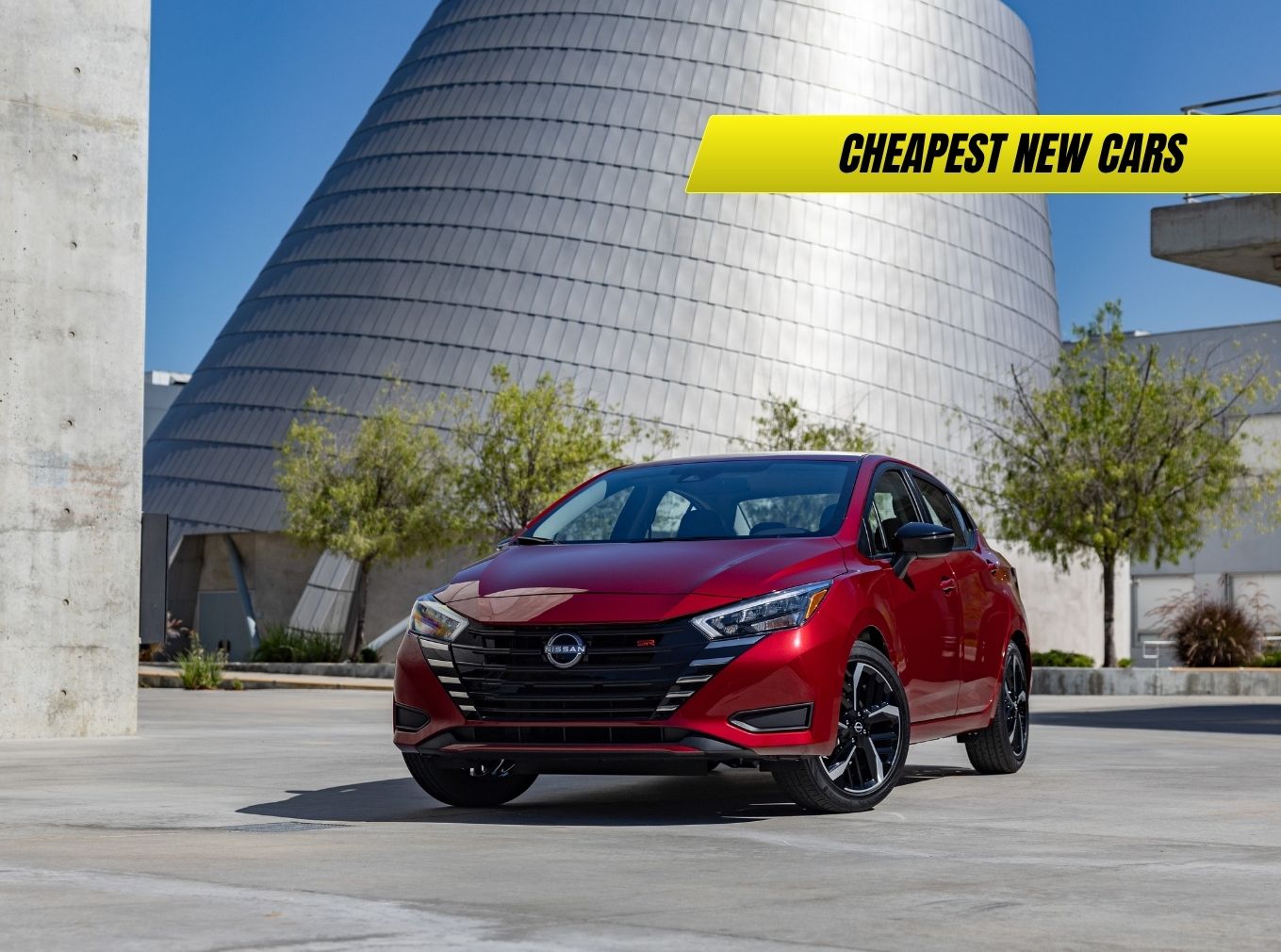
Cheapest new cars UK 2025: Complete guide to affordable models under £20k, including Dacia Sandero, electric options, and best value family cars for budget-conscious buyers.
Finding an affordable new car in today’s market presents unique challenges, with average new car prices soaring 67% over the past decade—from £27,035 to £45,218 for petrol models. However, budget-conscious British drivers can still access quality new vehicles without breaking the bank, provided they know where to look and what compromises to accept.
Key Budget Car Highlights: • Dacia Sandero remains Britain’s cheapest new car at £14,715 • Electric options now available from £14,995 with the Dacia Spring • Family-friendly models under £20,000 offer genuine five-seat practicality
• Hybrid technology increasingly accessible in budget segments • Value brands like MG and Leapmotor expanding affordable choice • Finance options can make sub-£15k cars accessible with monthly payments
Why New Cars Have Become So Expensive
The dramatic price inflation affecting new cars stems from multiple interconnected factors that have fundamentally altered the automotive landscape. According to JATO Dynamics research, the average retail price of new petrol or diesel cars rose 29% from 2019 to 2024—significantly exceeding general inflation rates during the same period.
Primary Cost Drivers:
- Regulatory compliance: EU General Safety Regulation mandating expensive safety technology
- Emissions standards: ZEV mandates forcing manufacturers to subsidise EV development through ICE prices
- Supply chain disruption: Post-pandemic component shortages and raw material cost increases
- Technology integration: Advanced driver assistance systems, infotainment, and connectivity features now standard
- Manufacturing complexity: Modern engines require sophisticated emission control systems
From my experience covering the UK automotive market, the shift toward mandatory safety and emissions technology represents the single largest cost driver. Features like autonomous emergency braking, lane-keeping assist, and driver attention monitoring—previously exclusive to premium models—now appear in entry-level vehicles, adding hundreds of pounds to manufacturing costs. The EU General Safety Regulation mandates these systems across all new vehicles sold in the UK.
Britain’s Most Affordable New Cars
Despite rising prices, several manufacturers continue prioritising affordable motoring, led by value-focused brands that understand price-sensitive consumers still represent significant market segments.
Dacia Sandero – £14,715
The Romanian brand’s supermini deservedly claims the title of Britain’s cheapest new car, offering remarkable space and practicality for its modest asking price. The Sandero feels far from a budget option in practice, with comfortable seating for five adults and a surprisingly generous boot.
The entry-level Essential TCe 90 features a 90hp 1.0-litre three-cylinder turbo engine providing adequate performance for most scenarios. Standard equipment includes electric front windows, remote central locking, and basic air conditioning—essentials without unnecessary frills.
In my opinion, the Sandero represents exceptional value, particularly when compared to used alternatives. A three-year-old equivalent supermini often costs similar money while lacking warranty coverage and modern safety systems.
Dacia Spring – £14,995
Britain’s cheapest electric car, the Spring targets urban drivers requiring zero-emission capability without premium pricing. The basic 45hp model achieves 140 miles of range, sufficient for city commuting and local journeys.
However, significant compromises affect usability. The 0-62mph time exceeds 19 seconds, rear space feels cramped, and build quality reflects the aggressive pricing. The more powerful 65hp variant (£15,995) addresses performance concerns while maintaining competitive pricing against premium EV alternatives.
Leapmotor T03 – £15,995
This Chinese electric city car represents genuine competition for the Dacia Spring, offering superior power (95hp), longer range (165 miles), and better interior quality. The T03’s cabin accommodates four adults comfortably despite compact external dimensions, while ride quality surpasses expectations for such an affordable vehicle.
Standard equipment includes a 10.1-inch touchscreen, alloy wheels, and panoramic sunroof—features typically reserved for higher trim levels in competing models.
Best Value Family Cars Under £20,000
Budget-conscious families need not compromise significantly on space or practicality, with several manufacturers offering genuine five-seat vehicles under £20,000.
Citroen C3 – £17,995
The latest C3 combines SUV-inspired styling with supermini dimensions, creating an appealing package for family buyers. The 1.2-litre turbo engine provides sprightly performance while maintaining excellent fuel economy.
Interior space impresses, particularly in the rear where adults can travel comfortably on longer journeys. The boot capacity suits family requirements, while elevated driving position enhances visibility and confidence.
MG 3 – £18,595
MG’s smallest offering underwent significant redesign for 2024, transforming from basic transport into a genuinely competitive supermini. Initially hybrid-only, the range now includes a pure petrol SE model at an attractively low price point.
The seven-year warranty provides exceptional peace of mind, while the 115hp 1.5-litre engine delivers flexible performance. Interior quality has improved dramatically compared to predecessor models, though some cabin materials still betray budget origins.
Fiat Grande Panda – £18,035
Fiat’s newest offering injects Italian style into the budget segment with distinctive design cues reminiscent of the original Panda. The hybrid powertrain balances performance and efficiency, while the spacious interior accommodates five adults surprisingly well.
Eco-friendly materials and playful design elements create a unique character often missing from budget vehicles. Due for UK arrival in late 2025, the Grande Panda promises to shake up established segment hierarchies.
Electric Options for Budget-Conscious Buyers
The electric vehicle revolution has finally reached budget territory, with several sub-£20,000 options now available for emission-conscious drivers.
Affordable EV Comparison:
| Model | Starting Price | Range (WLTP) | Power | 0-62mph |
|---|---|---|---|---|
| Dacia Spring | £14,995 | 140 miles | 45hp | 19.1 seconds |
| Leapmotor T03 | £15,995 | 165 miles | 95hp | 12.9 seconds |
| Citroen e-C3 | £21,990 | 199 miles | 113hp | 11.0 seconds |
| BYD Dolphin Surf | £21,990 | 211 miles | 95hp | 10.9 seconds |
For urban drivers prioritising running cost savings over outright performance, these affordable EVs offer compelling alternatives to traditional petrol models. However, charging infrastructure and range requirements demand careful consideration before committing to electric motoring. Our comprehensive guide to the best cheap electric SUVsexplores family-friendly electric options across various price points.
Understanding the specific needs for UK families, our best family SUVs guide provides comprehensive recommendations for larger households requiring additional space and practicality.
Understanding Budget Car Compromises
Achieving sub-£20,000 pricing requires manufacturers to make strategic compromises affecting various aspects of ownership experience. Understanding these limitations helps set appropriate expectations and avoid disappointment.
Common Budget Car Limitations:
- Interior materials: Hard plastics and basic fabrics replace premium alternatives
- Engine options: Single powertrains with adequate rather than exciting performance
- Equipment levels: Essential features only, with many convenience items optional extras
- Ride quality: Simpler suspension systems prioritising cost over comfort
- Sound insulation: Increased road and wind noise at motorway speeds
From my point of view, modern budget cars deliver reliability and safety standards unimaginable in previous generations. While premium feel may be absent, fundamental transportation requirements are met comprehensively.
Finance Options for Budget Buyers
Monthly finance packages can make seemingly expensive vehicles accessible to buyers with limited cash resources, though understanding total cost implications remains crucial.
Typical Finance Examples:
A £17,000 Citroen C3 might require:
- PCP Finance: £199/month over 48 months with £2,000 deposit
- HP Finance: £295/month over 60 months with £1,500 deposit
- Cash Purchase: Immediate £17,000 payment avoiding interest charges
Those considering affordable vehicle options should also review our best cars under £25,000 guide for expanded choice including nearly-new alternatives with remaining manufacturer warranty. For buyers specifically interested in SUV practicality, our best SUVs under £30,000 recommendations highlight excellent value options.
Market Trends Affecting Affordable Cars
Several significant trends are reshaping the budget car market, creating both opportunities and challenges for value-conscious consumers.
Emerging Market Dynamics:
- Chinese manufacturers entering UK market with competitive pricing and advanced technology
- Established brands reducing entry-level offerings to focus on higher-margin models
- Electric vehicle mandates forcing manufacturers to subsidise EV development through ICE pricing
- Safety regulations adding mandatory equipment that increases base prices
- Subscription services offering alternative ownership models for budget-conscious drivers
The influx of Chinese brands like BYD, MG, and Leapmotor is particularly significant, offering technology-rich vehicles at traditionally budget-focused price points. However, long-term reliability and service network quality remain unproven for newer entrants.
Regional Price Variations and Dealer Negotiations
New car pricing varies significantly across UK regions, with London dealers often commanding premium pricing while northern England and Scotland may offer more competitive rates.
Negotiation Strategies:
- End-of-month timing: Dealers seeking to meet targets may offer additional discounts
- Model year transitions: Outgoing models face pressure from incoming replacements
- Manufacturer incentives: Special offers frequently appear on slower-selling models
- Multiple quotes: Comparing dealers across regions identifies best available pricing
Understanding timing and market conditions can yield savings of £1,000-£2,500 on budget vehicles, representing significant percentage reductions on affordable cars.
Insurance and Running Cost Considerations
Budget cars typically benefit from lower insurance groups and reduced running costs, though specific model variations require careful evaluation.
Running Cost Factors:
- Insurance groups: Budget models often occupy groups 1-10, minimising premiums
- Road tax: Efficient engines frequently qualify for lower VED bands
- Fuel economy: Modern budget cars achieve 45-55mpg in mixed driving
- Maintenance costs: Simple mechanical layouts reduce service expenses
- Depreciation: Lower purchase prices mean reduced absolute value loss
For buyers concerned about ongoing expenses beyond purchase price, budget cars offer compelling total cost of ownership propositions, particularly for high-mileage users. Those experiencing maintenance issues should consult our AdBlue warning light guide for common diesel system troubleshooting.
Future Outlook for Budget Car Market
The budget segment faces continued pressure from regulatory requirements and changing consumer expectations, though several manufacturers remain committed to affordable motoring.
Market Predictions:
- Sub-£15,000 options likely to remain available through 2026
- Electric vehicles expanding budget offerings as battery costs decrease
- Chinese brands continuing market penetration with value propositions
- Traditional manufacturers potentially exiting cheapest segments
- Government incentives possibly returning for low-income EV adoption
Industry observers expect consolidation among budget offerings, with fewer but better-equipped models replacing current extensive choice. This evolution may ultimately benefit consumers through improved quality at modest price increases.
Frequently Asked Questions
What is the cheapest new car available in the UK in 2025?
The Dacia Sandero Essential TCe 90 at £14,715 holds this title, offering supermini space and practicality with basic but adequate equipment levels. It provides genuine five-seat accommodation with a decent boot.
Can I buy a new electric car for under £15,000?
Yes, the Dacia Spring starts at £14,995, making it the cheapest new electric car in the UK. However, performance is limited with the 45hp model requiring over 19 seconds for 0-62mph acceleration.
Are budget new cars reliable compared to used alternatives?
Modern budget new cars benefit from contemporary engineering and full manufacturer warranties, often proving more reliable than equivalent used vehicles. Basic mechanical layouts typically reduce complexity and failure points.
What safety features do budget cars include as standard?
EU regulations mandate autonomous emergency braking, lane-keeping assist, speed limit recognition, and driver attention monitoring on all new cars, regardless of price. Budget cars match premium models for core safety technology as outlined in the UK government’s vehicle safety standards.
Should I buy new or used with a £15,000 budget?
New cars offer warranty coverage, latest safety technology, and known history, while used vehicles provide more choice and potentially premium features. The decision depends on priorities regarding peace of mind versus equipment levels.
How much deposit do I need for budget car finance?
Deposits typically range from 10-20% of vehicle value, so £1,500-£3,000 for a £15,000 car. Some manufacturers offer deposit contribution schemes reducing customer deposit requirements to attract budget buyers.
Which budget cars have the best fuel economy?
The Dacia Spring (electric) offers zero fuel costs, while petrol models like the Citroen C3 1.2 PureTech achieve 50-55mpg. Hybrid variants of the MG 3 provide excellent fuel economy with petrol backup for longer journeys.
Making the Smart Budget Choice
Selecting the right budget car requires balancing immediate affordability with long-term ownership costs, practical requirements, and personal preferences. The key lies in understanding which compromises align with your specific needs and driving patterns.
Decision Framework:
Choose Entry-Level New If:
- Warranty coverage is essential for peace of mind
- Latest safety technology is non-negotiable
- You plan long-term ownership (5+ years)
- Running cost predictability matters most
Consider Nearly-New Alternatives If:
- Maximum features matter within budget constraints
- Immediate availability is required
- You’re comfortable with minimal warranty remaining
- Premium brand appeal influences purchase decisions
For additional guidance on maintenance and reliability, our timing chain longevity guide provides essential insights, while the spanner warning light explanation helps understand common service indicators in modern vehicles.
The budget car market in 2025 offers genuine choice for price-conscious buyers, though expectations must align with financial constraints. While £10,000 new cars are history, the current crop of sub-£20,000 vehicles provides safety, reliability, and practicality that would have been unimaginable at these price points just a generation ago.
In my assessment, buyers prioritising value over prestige will find compelling options that meet fundamental transportation needs without financial strain. The key is approaching budget car ownership with realistic expectations while appreciating the genuine capability modern affordable vehicles provide. As the automotive industry continues evolving toward electrification and advanced technology, today’s budget cars may represent the last generation of truly simple, affordable motoring—making them more appealing than ever for drivers seeking uncomplicated, cost-effective transportation solutions.





