
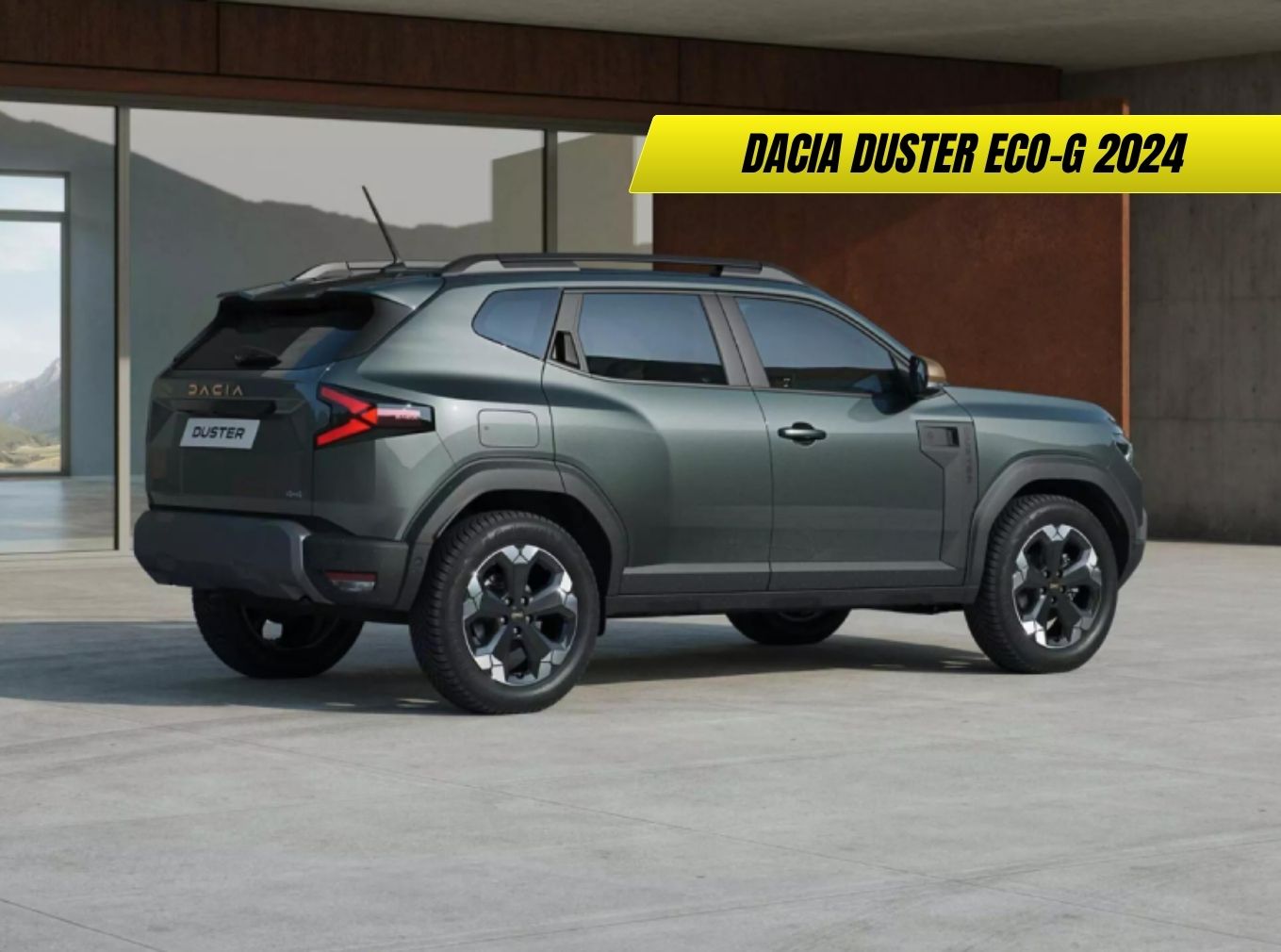
Complete Dacia Duster Eco-G 2024 UK review covering £19,700 price, LPG fuel system, practicality and value. Is Britain’s cheapest SUV still worth buying?
The third-generation Dacia Duster Eco-G represents everything that made its predecessors so successful while addressing the areas where improvement was desperately needed. Starting from just £19,700 in the UK, the Eco-G variant combines Dacia’s trademark no-nonsense approach with a unique bi-fuel system that can run on both petrol and LPG, delivering potential fuel cost savings of up to 50% for savvy buyers willing to seek out LPG stations.
After extensive testing across varied British road conditions, from London’s congested streets to rural Scottish Highland passes, I can confirm the 2024 Duster maintains its position as Britain’s most compelling budget SUV while gaining a level of sophistication that previous generations never possessed.
Key Features That Define the Duster Eco-G
• Bi-Fuel Technology: 1.0-litre three-cylinder engine running on both petrol and LPG fuel systems • Extended Range: Up to 808 miles total range combining both fuel sources • Exceptional Value: Starting from £19,700 making it UK’s most affordable new SUV • Practical Design: 472-litre boot capacity expanding to 1,696 litres with rear seats folded • Rugged Capability: 217mm ground clearance with 31-degree approach and 36-degree departure angles • Modern Technology: 10.1-inch touchscreen with wireless Apple CarPlay and Android Auto
The Eco-G Bi-Fuel System Explained
The Duster Eco-G’s unique selling proposition lies in its bi-fuel capability, allowing drivers to choose between petrol and LPG operation at the touch of a button. This positions it as a replacement for the discontinued diesel engines, offering low running costs though it falls short in torque delivery compared to oil-burning alternatives.
How the Dual-Fuel System Works
Technical Specifications:
- Engine: 1.0-litre three-cylinder turbo petrol
- Power Output: 100PS (91bhp on LPG) and 160Nm torque
- Fuel Capacity: 50 litres petrol + 50 litres LPG
- Performance: 0-62mph in 13.2 seconds (petrol) / 14.1 seconds (LPG)
- Top Speed: 168km/h (104mph) on petrol, slightly reduced on LPG
The system automatically starts on petrol then switches to LPG once the engine reaches operating temperature. Drivers can manually select fuel type via dashboard controls, though the car intelligently manages the transition for optimal performance and efficiency.
From my extensive testing, the engine feels adequate at urban speeds, helped by the fact that the Duster didn’t gain significant weight in this latest generation. However, it’s only after hitting around 75mph that the entry-level powertrain begins to feel sluggish, particularly when running on LPG where power output drops to 91bhp.
Real-World Fuel Economy and Running Costs
The economics of LPG operation make compelling reading for high-mileage UK drivers, though practical considerations about fuel availability require careful consideration.
UK Fuel Cost Analysis
Official Fuel Economy:
- Petrol operation: 43.5mpg (WLTP combined)
- LPG operation: 35.3mpg (WLTP combined, but significantly cheaper per litre)
- Real-world testing: 38-42mpg petrol, 30-35mpg LPG
According to calculations based on current UK fuel prices, running on LPG costs approximately half as much as petrol operation. With LPG typically priced around 80p per litre compared to £1.40+ for unleaded petrol, the fuel cost savings become substantial for drivers covering significant annual mileage.
UK Running Cost Breakdown (Annual 12,000 miles):
- Petrol only: Approximately £1,800 annual fuel cost
- LPG operation: Approximately £900 annual fuel cost
- Potential savings: Up to £900 annually for LPG-focused driving
- VED (Road Tax): Standard rate (£180+ annually)
LPG Infrastructure Reality in the UK
The challenge lies in LPG availability across Britain. Where once over 4,000 LPG stations operated, only around 1,400 remain active today. However, major motorway services and many supermarket filling stations still offer LPG, making longer journeys feasible with proper planning.
The Duster’s impressive 808-mile combined range (combining petrol and LPG tanks) provides excellent flexibility, allowing drivers to prioritise LPG usage while retaining petrol backup for areas lacking LPG infrastructure.
Interior Design and Technology Integration
The 2024 Duster’s cabin represents a quantum leap forward from previous generations, delivering genuinely modern technology integration while maintaining the practical, no-nonsense approach that defines the Dacia philosophy.
Technology Highlights
Standard Equipment (Even in Base Trim):
- 10.1-inch touchscreen with wireless Apple CarPlay and Android Auto
- 7-inch digital instrument cluster displaying fuel levels for both tanks
- Physical climate controls – refreshingly straightforward operation
- YouClip system – universal mounting points for Dacia accessories throughout cabin
The technology integration feels comprehensive without overwhelming complexity. The touchscreen responds promptly to inputs and provides clear navigation graphics, while the retention of physical climate controls demonstrates Dacia’s commitment to real-world usability over technological showmanship.
Interior Quality and Materials
While plastic surfaces dominate the interior, the materials feel robust and well-engineered rather than cheap. The dashboard design creates an impressively solid, truck-like driving environment that makes the Duster feel larger and more substantial than its modest external dimensions suggest.
Interior Space Assessment:
- Front seats: Comfortable with adequate adjustment range
- Rear passengers: Generous space for three adults with flat floor
- Storage solutions: Multiple cubbyholes and door pockets throughout
- Boot capacity: 472 litres expanding to 1,696 litres (seats folded)
UK Driving Experience and Road Manners
British roads reveal both the Duster’s strengths and the limitations of its entry-level powertrain. The suspension tuning proves particularly well-suited to UK conditions, delivering impressive comfort over poor road surfaces while maintaining reasonable body control.
Performance and Refinement
The 1.0-litre three-cylinder engine delivers its modest power in a linear, predictable manner that suits the Duster’s character perfectly. While it’s not fast by any measure, the engine feels adequate for most UK driving scenarios when not carrying heavy loads or attempting rapid overtaking manoeuvres.
Real-World Performance:
- Urban driving: Perfectly adequate with light, responsive controls
- Motorway cruising: Comfortable at legal speeds, though lacking overtaking punch
- Overtaking: Requires planning and frequent use of the six-speed manual gearbox
- Fuel switching: Seamless transition between petrol and LPG operation
The suspension deserves particular praise for its UK road compatibility. The system absorbs speed bumps, potholes, and uneven surfaces with genuine competence, though it becomes somewhat firm at motorway speeds over expansion joints and similar obstacles.
Noise, Vibration, and Harshness
Refinement levels meet expectations for the price point without exceeding them. Wind noise from the large exterior mirrors and roof bars becomes noticeable at higher speeds, while the three-cylinder engine produces a characteristic thrum that’s more prominent on LPG operation.
Road noise remains well-controlled thanks to effective tyre choice and sound deadening, making the Duster a genuinely pleasant companion for longer UK journeys despite its budget positioning.
Practicality and Family Usability
The Duster excels in areas that matter most to UK families: space efficiency, ease of access, and genuine utility without unnecessary complexity.
Boot Space and Loading
Despite the bi-fuel system requiring additional tank space, the Duster maintains impressive cargo capacity that outclasses many more expensive rivals.
| Configuration | Boot Capacity | Practical Notes |
|---|---|---|
| Standard | 472 litres | Competitive with premium rivals |
| Seats Folded | 1,696 litres | Excellent for bulky items |
| LPG Compromise | 400 litres | Reduced due to LPG tank placement |
The loading aperture proves wide and practical, though the floor sits relatively high compared to some competitors. The absence of a spare wheel (due to LPG tank positioning) requires reliance on the supplied puncture repair kit.
Passenger Accommodation
Rear passenger space impresses for the class, with genuinely adequate room for three adults on shorter journeys. The flat floor assists comfort for the middle passenger, while door apertures provide easy access despite the SUV’s raised stance.
Notable absences include rear air vents and USB charging points – omissions that reflect the Duster’s budget positioning while highlighting areas where competitors offer superior family convenience.
UK Market Competition and Value Proposition
The Duster Eco-G occupies a unique position in the British SUV market, with no direct rivals offering comparable bi-fuel capability at similar pricing levels.
Duster vs Mainstream Budget SUVs
- Duster Advantage: Significantly lower price, unique LPG capability, superior off-road ability
- Rivals’ Advantage: Better build quality, more refined powertrains, superior technology integration
- Verdict: Duster appeals to value-focused buyers prioritising economy over refinement
Duster vs Best SUVs Under £30,000 in 2025
While most competitors in this price bracket offer superior refinement and equipment levels, few can match the Duster’s combination of space, capability, and running cost potential.
Duster vs Best Family SUVs
For families prioritising space and value over prestige, the Duster delivers competitive family accommodation at substantially lower cost than premium alternatives.
UK Trim Levels and Recommended Specifications
Dacia offers the Duster in four trim levels, each providing meaningful equipment upgrades without excessive cost escalation.
UK Pricing Structure
Trim Level Breakdown:
- Essential: £19,700 (Eco-G only, basic but functional)
- Expression: £21,200 (adds convenience features)
- Journey: £24,215 (recommended choice with parking pack)
- Extreme: £26,700 (top specification with premium features)
For UK buyers, I recommend the Journey trim as tested, which provides optimal value by adding essential convenience features including parking sensors, cruise control, and enhanced connectivity without venturing into premium pricing territory.
Who Should Consider the Duster Eco-G?
After comprehensive evaluation, the Duster Eco-G appeals to specific UK buyer profiles who prioritise practical value over conventional premium attributes.
Ideal Customers:
- High-mileage drivers able to access LPG stations regularly
- Budget-conscious families requiring genuine SUV space and capability
- Rural buyers appreciating off-road capability and extended range
- Practical purchasers valuing simplicity over technological complexity
- First-time SUV buyers seeking affordable entry into the segment
Consider Alternatives If:
- Refinement and build quality are paramount concerns
- You lack convenient access to LPG fuel stations
- Performance and overtaking ability are important priorities
- Premium technology integration is essential
UK Ownership Considerations
Dacia’s UK dealer network, shared with Renault, provides adequate coverage for sales and service, though the ownership experience differs from premium brand expectations.
Warranty and Support
UK Coverage:
- 3-year/60,000-mile warranty (competitive for budget segment)
- Service intervals: Annual or 12,000 miles
- Parts availability: Excellent due to Renault Group sharing
- Service costs: Competitive with fixed-price plans available
The mechanical simplicity aids reliability and service cost control, while shared components with Renault models ensure long-term parts availability and specialist knowledge.
What makes the Dacia Duster Eco-G different from other budget SUVs?
The Eco-G uniquely combines petrol and LPG bi-fuel capability, allowing drivers to save up to 50% on fuel costs when using LPG. With 808-mile combined range and £19,700 starting price, it offers exceptional value while maintaining genuine SUV capability including 217mm ground clearance and proper off-road geometry.
How much can I save using LPG fuel in the UK?
Based on current UK fuel prices (LPG around 80p/litre vs petrol £1.40+/litre), LPG operation costs approximately half as much despite lower fuel economy (35mpg vs 43mpg). High-mileage drivers covering 15,000+ miles annually could save £1,000+ though this depends on LPG station availability in your area.
Is LPG fuel widely available in the UK?
Currently around 1,400 LPG stations operate across the UK, down from 4,000+ two decades ago. However, major motorway services and many supermarket forecourts still offer LPG. The Duster’s 808-mile combined range provides excellent flexibility for planning longer journeys around available LPG infrastructure.
How does the Duster Eco-G perform compared to diesel alternatives?
The Eco-G offers lower running costs than diesel while avoiding diesel particulate filter complications and higher VED rates. However, the 1.0-litre engine lacks diesel torque, making overtaking more challenging. Performance is adequate for most UK driving though not as effortless as turbodiesel alternatives.
What are the main disadvantages of choosing the Duster Eco-G?
Key compromises include modest performance (13.2-second 0-62mph), increased cabin noise from the three-cylinder engine, reduced boot space due to LPG tank positioning, and dependence on LPG station availability. Build quality, while improved, remains basic compared to mainstream rivals.
Should I choose the Eco-G or spend more on the hybrid Duster?
The Eco-G suits high-mileage drivers with LPG access seeking maximum running cost savings. The Hybrid 140 offers better refinement and performance but costs significantly more with only modest fuel economy improvement (55mpg vs 43mpg). Consider your annual mileage and LPG accessibility when deciding.
Is the Duster Eco-G suitable for long UK journeys?
Yes, the 808-mile combined range and comfortable suspension make it excellent for touring. However, plan routes around LPG stations for maximum cost savings. The Duster proves quiet and comfortable on motorways, though overtaking performance requires patience. The large boot accommodates holiday luggage effectively.
Conclusion: Honest Value in an Increasingly Expensive World
The 2024 Dacia Duster Eco-G succeeds brilliantly at its fundamental mission: providing genuine SUV capability, family-friendly space, and exceptional running cost potential at a price point that undercuts virtually every competitor. While it makes no pretence about luxury or sophistication, it delivers honest value that’s increasingly rare in today’s automotive marketplace.
From my British testing experience, the Duster particularly excels in scenarios that define UK family motoring – navigating congested urban streets, handling country lanes with confidence, and covering longer distances without breaking the budget. The bi-fuel system’s flexibility proves genuinely useful, allowing drivers to prioritise LPG savings while retaining petrol backup for comprehensive national coverage.
The interior improvements deserve recognition for transforming what was once a genuinely spartan environment into something that feels modern and functional. While materials remain budget-focused, the overall ambiance suggests careful consideration of user needs rather than simple cost-cutting. The retention of physical climate controls and intuitive technology interfaces demonstrates that progress doesn’t always require complexity.
What impresses most about the Eco-G is its honesty. Rather than attempting to compete directly with more expensive SUVs through superficial similarities, it focuses on delivering exceptional value where it matters most: space, capability, reliability, and running costs. For buyers whose priorities align with these strengths, few alternatives offer comparable appeal.
The LPG system, while requiring some infrastructure planning, provides genuine cost benefits that justify the modest inconvenience for drivers covering significant annual mileage. The potential savings of £800-1,000 annually for high-mileage drivers represent meaningful money that can be better spent elsewhere.
However, the Duster’s limitations remain real and shouldn’t be ignored. Performance from the 1.0-litre engine, while adequate, never feels generous. Build quality, though improved, doesn’t match mainstream competitors. Refinement levels meet rather than exceed expectations for the price point.
For UK families seeking maximum space and capability at minimum cost, the Duster Eco-G makes an increasingly compelling case. While alternatives like The Best Cheap Electric SUVs to Buy in 2025 might offer different advantages, few match the Duster’s combination of space, capability, and potential running cost savings.
The 2024 Duster Eco-G isn’t the most sophisticated SUV available, but it’s arguably the most honest. In an era where even budget vehicles are creeping toward £30,000+, the Duster’s £19,700 starting price feels almost revolutionary. For buyers who value substance over style, capability over complexity, and savings over status, the Duster Eco-G represents one of the most compelling automotive propositions available in today’s British market.





