
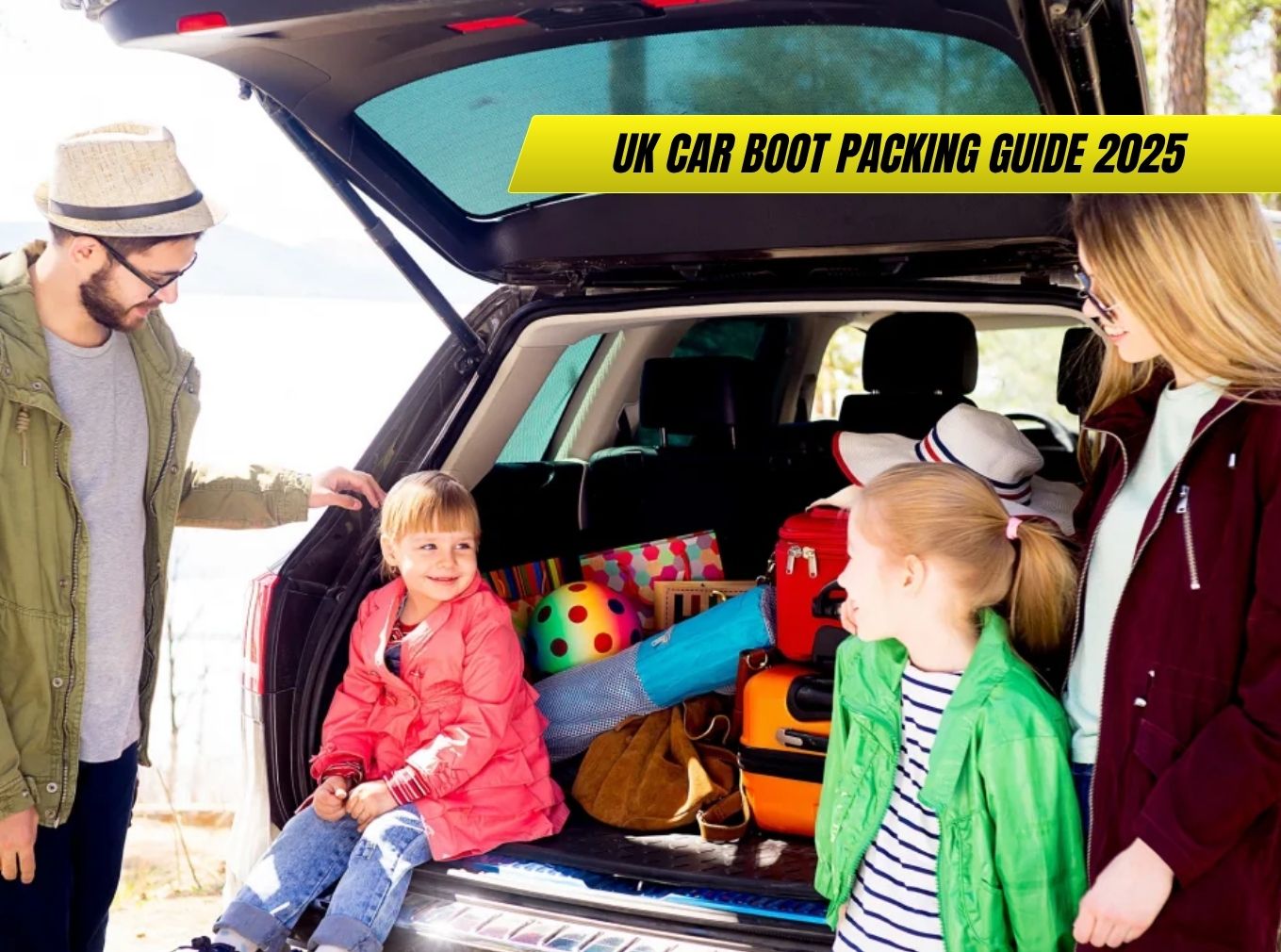
Complete UK car boot packing guide 2025. Learn safe loading techniques, legal weight limits, and holiday preparation tips for family road trips and summer travel.
Preparing your car boot for holiday travel requires more than simply throwing luggage into available space. With UK roads becoming increasingly congested during holiday periods and police enforcement focusing on vehicle safety, understanding proper loading techniques protects both your family’s safety and legal compliance. From my extensive experience helping families prepare for holiday travel, I can confirm that systematic boot preparation significantly improves vehicle stability, fuel economy, and passenger comfort while preventing costly fines or dangerous situations. Whether you’re planning a weekend getaway, summer holiday, or extended touring adventure, mastering proper loading techniques ensures your journey begins safely and continues smoothly to your destination.
Legal Requirements and Safety Obligations
Understanding UK legal requirements for vehicle loading prevents fines, insurance complications, and dangerous driving situations that could ruin holiday plans. Modern enforcement technology and increased police vigilance make compliance essential for all drivers.
Maximum Authorised Mass (MAM) represents the total legal weight limit for your vehicle including passengers, luggage, fuel, and accessories. This figure appears on the VIN plate under the bonnet, in vehicle handbooks, or on door frame labels. Exceeding MAM constitutes a serious offence with fixed penalty fines starting at £100 for cars and potential court action for substantial overloading.
Weight Distribution Requirements mandate that loads remain within axle weight limits while maintaining proper balance for safe handling. Excessive rear loading can reduce front wheel traction affecting steering and braking, while uneven side-to-side loading creates handling imbalances particularly dangerous during emergency manoeuvres.
Visibility Obligations require maintaining clear rear vision through mirrors and rear windows. Loading above seat back height obstructs essential visibility, though this can be compensated with additional wing mirrors or by leaving sufficient space around central rear-view mirror sight lines.
Projection Limits allow items to extend maximum 6 inches sideways or 3 feet rearward from vehicle outline before requiring special permits and warning markers. Items exceeding these limits create “abnormal loads” requiring police notification and escort vehicles in extreme cases.
Securing Requirements mandate that all loads remain fixed during normal driving, emergency braking, and collision scenarios. Unsecured items become projectiles during accidents, potentially causing serious injuries or fatalities while invalidating insurance coverage for resulting damages.
Number Plate and Light Visibility must remain unobstructed at all times. Obscured registration plates or lights result in automatic fines and potential prosecution, while emergency services may impound vehicles until compliance is restored.
For families considering vehicles with excellent load capacity and safety features, our guide to the best family SUVsexplores options offering superior space utilisation and stability.
| Vehicle Type | Typical Payload | Boot Capacity | Max Load Height | Common Violations |
|---|---|---|---|---|
| Small Hatchback | 400-500kg | 300-400L | Seat back level | Overloading, poor visibility |
| Family Estate | 600-700kg | 500-800L | Roof rail height | Weight distribution |
| Large SUV | 700-900kg | 700-1,200L | Load cover level | Projection limits |
| MPV/People Carrier | 800-1,000kg | 300-2,000L | Window level | Securing requirements |
Pre-Departure Vehicle Preparation
Thorough vehicle preparation before loading prevents breakdowns, ensures legal compliance, and optimises performance during holiday travel. Understanding how increased loads affect vehicle systems enables appropriate adjustments and maintenance scheduling.
Tyre Pressure Adjustment becomes critical when carrying holiday loads, as manufacturer specifications typically include separate pressures for normal and fully loaded conditions. Consult vehicle handbooks for specific pressures, typically 2-6 PSI higher than normal driving requirements. Under-inflation with heavy loads creates excessive heat buildup leading to dangerous blowouts.
Suspension Assessment involves checking ride height, shock absorber condition, and load-bearing components before adding holiday luggage. Worn suspension components struggle with additional weight while compromising handling and braking performance. Consider professional inspection if suspension shows signs of wear or if previous loading caused handling problems.
Fluid Level Verification includes engine oil, coolant, brake fluid, and power steering fluid checks, as increased loads create additional strain on all vehicle systems. Hot weather and heavy loading particularly stress cooling systems, making adequate coolant levels essential for preventing overheating during holiday traffic jams.
Brake System Inspection proves crucial as increased vehicle weight significantly extends braking distances while creating additional heat in brake components. Check brake pad thickness, disc condition, and fluid levels, considering professional service if any components show wear indicators or if pedal feel has changed.
Emergency Equipment Accessibility requires planning spare wheel, jack, and tool access before loading luggage. While it seems logical to remove spare wheels for extra space, UK breakdown statistics show summer holiday periods generate peak tyre failure rates. Ensure emergency equipment remains accessible without complete boot emptying.
Documentation Preparation includes current MOT certificates, insurance papers, breakdown cover details, and emergency contact information. Store documents in easily accessible locations rather than buried beneath luggage, as emergency services or breakdown operators may require immediate access.
Strategic Loading Techniques and Weight Distribution
Proper loading technique significantly affects vehicle handling, fuel economy, and safety margins during holiday travel. Understanding weight distribution principles enables optimal load arrangement while maintaining stability under all driving conditions.
Foundation Layer Principles begin with heaviest items positioned low and forward in the boot space, creating a stable base for subsequent layers. Heavy suitcases, tool boxes, and camping equipment should sit directly on boot floors rather than elevated positions that raise the centre of gravity.
Progressive Weight Layering involves placing medium-weight items in middle layers while reserving lightest objects for top positions. This arrangement maintains low centre of gravity while preventing heavy items from crushing delicate belongings during travel vibrations and cornering forces.
Side-to-Side Balance requires distributing weight evenly across vehicle width to prevent handling imbalances particularly noticeable during cornering or crosswind conditions. Uneven loading creates steering bias requiring constant correction, increasing driver fatigue while reducing emergency response capabilities.
Vertical Load Management keeps loads below rear window level whenever possible, maintaining essential rear visibility while preventing items from becoming projectiles during sudden braking. When loads must exceed this height, ensure central items remain below mirror sight lines or install additional exterior mirrors.
Securing System Implementation uses manufacturer-provided tie-down points, load nets, and purpose-designed cargo barriers to prevent load movement during driving. Simple elastic cords prove inadequate for serious securing, requiring proper ratchet straps or cargo nets rated for vehicle weights and acceleration forces.
Accessibility Planning positions frequently needed items in easily reached locations rather than buried beneath other luggage. Emergency supplies, snacks, entertainment, and travel documentation should remain accessible without major repacking during fuel stops or rest breaks.
For drivers seeking vehicles with excellent load versatility and fuel efficiency, our analysis of why diesel hybrid cars are still relevant in 2025 explores options offering superior touring capabilities.
Managing Oversize and Special Items
Holiday travel often involves transporting items that exceed normal luggage dimensions, requiring special techniques and legal compliance to ensure safe transportation without compromising vehicle performance or breaking UK regulations.
Roof Rack Utilisation provides excellent solutions for bulky lightweight items including luggage, camping gear, and sports equipment. However, roof loading raises vehicle centre of gravity while creating aerodynamic drag that significantly reduces fuel economy and affects high-speed stability. Limit roof loads to manufacturer weight specifications, typically 50-100kg maximum.
Rear Seat Integration involves folding rear seats to create extended load areas while maintaining proper restraint systems for remaining passengers. Ensure load barriers prevent items from entering passenger compartments during collision scenarios, using purpose-designed guards or robust temporary barriers.
External Carrying Solutions include rear-mounted carriers, trailer hitches, or temporary roof installations for items exceeding internal capacity. All external loads require proper documentation, appropriate securing systems, and compliance with projection limits that trigger legal requirements for warning markers or escort vehicles.
Open Boot Transportation remains legal provided loads stay within projection limits and maintain security, lighting, and number plate visibility. Use proper tie-down systems preventing boot lid damage while ensuring loads cannot shift or fall during normal driving manoeuvres.
Fragile Item Protection requires special consideration for electronics, glassware, or delicate equipment during holiday transport. Use original packaging when available, surround with soft materials, and position away from potential impact zones during loading and unloading operations.
Temperature-Sensitive Considerations include protecting chocolate, medications, and electronic devices from extreme temperatures common in vehicle boots during summer travel. Consider insulated storage or passenger compartment transport for items sensitive to heat damage.
Holiday-Specific Loading Strategies
Different holiday types require tailored loading approaches that balance space efficiency with accessibility and safety requirements. Understanding these variations optimises packing while ensuring appropriate equipment remains available when needed.
Beach Holiday Essentials typically include bulky items like umbrellas, chairs, coolers, and sports equipment requiring careful arrangement to prevent damage while maintaining accessibility. Wet items require separate storage preventing damage to dry clothing and electronics, with dedicated waterproof containers or plastic sheeting.
Camping Equipment Management involves substantial gear including tents, sleeping bags, cooking equipment, and water supplies that quickly exceed vehicle capacity. Prioritise essential safety equipment accessibility while using roof storage for lightweight bulky items like sleeping bags and camping chairs.
City Break Efficiency emphasises security and accessibility over capacity, with valuable items requiring concealment while maintaining easy access for hotel transfers. Consider leaving unnecessary items in secure parking rather than carrying valuables through urban environments.
Extended Touring Arrangements require rotation systems allowing access to different clothing and equipment throughout journey stages. Plan intermediate repacking opportunities rather than attempting single loading arrangements for entire trip durations.
Family Travel Considerations include entertainment systems, child safety equipment, snacks, and emergency supplies requiring constant accessibility. Position parent-controlled items within easy reach while securing potentially dangerous objects away from curious passengers.
Winter Holiday Adaptations involve additional clothing, sports equipment, and emergency supplies for challenging weather conditions. Ensure warm clothing and emergency equipment remain accessible without major reorganisation during weather emergencies or breakdown situations.
Security and Anti-Theft Measures
Holiday loading creates attractive targets for opportunistic theft while parked vehicles contain obvious valuable belongings. Understanding security principles protects your investment while preventing holiday disruption from theft or vandalism.
Visibility Reduction involves concealing valuable items beneath luggage covers, blankets, or purpose-designed cargo screens that prevent casual observation of boot contents. Many modern vehicles include retractable load covers specifically designed for this purpose.
Valuable Item Management requires removing obvious targets including electronics, cameras, and luxury items from vehicle whenever possible. When items must remain in vehicles, use hidden storage compartments or bury valuables beneath less attractive luggage in non-obvious locations.
Parking Strategy emphasises well-lit, populated areas with natural surveillance rather than isolated convenient locations. Consider paying for secure parking rather than risking theft losses and holiday disruption, particularly in high-crime tourist areas.
Load Distribution Psychology involves arranging visible items to suggest minimal valuable content while concealing actual worth beneath mundane appearances. Old luggage and worn equipment often prove less attractive to thieves than obviously new or expensive items.
Documentation Protection includes photographing valuable items, noting serial numbers, and maintaining insurance documentation separate from vehicles. Consider cloud storage for important documents enabling replacement without original paperwork if theft occurs.
Emergency Response Planning involves understanding local police procedures, insurance claim requirements, and replacement item availability at destination areas. Maintain contact information for emergency services, insurance providers, and family notification systems.
For drivers considering vehicles with advanced security features and excellent value retention, our guide to best SUVs under £30,000 in 2025 explores options offering superior protection and touring capabilities.
Common Loading Mistakes and Solutions
Understanding frequent loading errors enables proactive prevention while recognising solutions maintains holiday schedule without compromising safety or legal compliance. Experience from breakdown services reveals consistent patterns in loading-related problems.
Overloading Consequences extend beyond legal penalties to include tyre failures, suspension damage, reduced braking performance, and handling instability that create genuine safety hazards. Monitor vehicle performance for signs including heavy steering, poor acceleration, excessive fuel consumption, or unusual handling characteristics.
Poor Weight Distribution creates steering bias, uneven tyre wear, and reduced emergency response capabilities that may not become apparent until crisis situations. Regular mirror checks and attention to steering effort provide early warning of distribution problems requiring load adjustment.
Inadequate Securing allows loads to shift during travel, creating noise, damage, and potential safety hazards if items enter passenger compartments. Use proper cargo nets, tie-down points, and securing systems rather than relying on friction or casual placement.
Visibility Obstruction from excessive loading height creates dangerous blind spots while potentially violating legal requirements for clear sight lines. Maintain rear visibility through mirrors and windows, adding auxiliary mirrors if necessary rather than accepting compromised vision.
Access Problems develop when emergency equipment, documents, or essential items become buried beneath other luggage. Plan accessibility for items needed during travel rather than requiring complete repacking for routine access.
Load Damage occurs when sharp items contact soft luggage, heavy objects crush delicate items, or inadequate protection allows road vibration damage. Use protective barriers, proper cushioning, and logical arrangement preventing damage during normal travel stresses.
Emergency Procedures and Breakdown Preparedness
Holiday loading complications can create emergency situations requiring immediate responses while maintaining safety and legal compliance. Understanding proper procedures minimises disruption while ensuring appropriate assistance when problems develop.
Overloading Recognition includes monitoring vehicle performance for warning signs including poor acceleration, heavy steering, excessive fuel consumption, or unusual tyre wear patterns. Address problems immediately rather than hoping temporary solutions suffice for entire holiday durations.
Load Redistribution may become necessary during travel if handling problems develop or if police enforcement identifies compliance issues. Understand which items can be temporarily relocated or removed without compromising holiday objectives while maintaining legal operation.
Breakdown Procedures with loaded vehicles require special consideration for jack placement, vehicle stability, and load security during roadside operations. Empty boots before lifting vehicles for tyre changes, ensuring proper weight distribution for safe jack operation.
Emergency Services Communication should include accurate vehicle loading information helping emergency responders understand weight distribution, load security, and potential hazards during rescue operations. Maintain breakdown service contact information in easily accessible locations.
Insurance Considerations may be affected by loading violations, overweight conditions, or inadequate securing that contributes to accident circumstances. Understand policy requirements and maintain compliance preventing claim rejection during emergency situations.
Alternative Transport Arrangements become necessary if loading violations prevent continued travel or if vehicle capacity proves inadequate for planned itinerary. Consider courier services, luggage forwarding, or temporary storage rather than continuing with dangerous loading arrangements.
Frequently Asked Questions
H4: What’s the maximum weight I can legally carry in my car boot in the UK?
Your vehicle’s Maximum Authorised Mass (MAM) includes everything – passengers, luggage, fuel, and accessories. Check your vehicle handbook or VIN plate for specific limits. Exceeding MAM results in £100+ fines and potential insurance invalidation.
H4: Can I drive with my boot open for large items in the UK?
Yes, but only if items don’t project more than 6 inches sideways or 3 feet rearward. Your lights and number plate must remain visible, loads must be secure, and you may need warning flags for long items. Consider using a roof rack instead.
H4: How should I pack my car boot for a family holiday?
Place heaviest items low and forward in the boot, distribute weight evenly side-to-side, keep loads below window level for visibility, and secure everything with proper tie-downs. Keep emergency equipment accessible and ensure your spare wheel remains reachable.
H4: Do I need to adjust my car settings when fully loaded for holidays?
Yes, increase tyre pressures according to your handbook’s fully-loaded specifications, adjust headlight aim if heavily loaded at the rear, and check your mirrors are correctly positioned. Some cars have suspension settings for different load conditions.
H4: What items should I keep easily accessible during holiday travel?
Keep documents, breakdown contact details, first aid kit, snacks, entertainment for children, and emergency supplies easily reachable. Don’t bury these essentials under heavy luggage where they’re difficult to access during stops.
H4: How can I improve fuel economy when carrying holiday luggage?
Remove unnecessary weight, use proper loading techniques to maintain aerodynamics, increase tyre pressures to loaded specifications, drive smoothly avoiding harsh acceleration, and consider roof boxes instead of roof racks for better aerodynamics.
H4: What are the consequences of overloading my car in the UK?
Penalties include fixed fines from £100, potential court action for serious overloading, insurance claim rejection, vehicle impoundment until weight is reduced, and increased accident risk from poor handling and extended braking distances.
Final Verdict: Mastering Safe Holiday Loading in 2025
Effective car boot preparation combines legal compliance, safety awareness, and practical efficiency to ensure successful holiday travel experiences. Understanding these principles prevents costly mistakes while enabling confident journey planning for families throughout the UK.
From my extensive experience helping families prepare for holiday travel, the most critical factor remains understanding your vehicle’s limitations and working within them rather than hoping inadequate preparations suffice for entire trip durations. Modern vehicles offer excellent load capacity when used correctly, though this capacity requires informed management.
The evolution of UK enforcement technology means loading violations receive immediate attention from police services equipped with sophisticated weighing equipment and legal powers to impound non-compliant vehicles. Understanding and respecting these requirements protects both legal compliance and family safety.
Legal requirements exist for genuine safety reasons rather than bureaucratic inconvenience. Properly loaded vehicles handle predictably, stop effectively, and protect occupants during emergency situations, while overloaded or poorly secured loads create genuine hazards for all road users.
I would particularly recommend that families invest time in understanding proper loading techniques before emergency situations arise. Holiday periods create enough stress without adding preventable loading problems that could compromise safety or result in enforcement action.
For new drivers or those unfamiliar with heavily loaded vehicle handling, practice local loading and driving before attempting long holiday journeys. Understanding how your vehicle behaves when loaded enables confident holiday driving while identifying potential problems before they become serious.
Technology provides excellent assistance through load monitoring systems, tyre pressure sensors, and stability controls, yet these systems supplement rather than replace informed loading practices and regular monitoring throughout journey durations.
Whether planning domestic holidays or European touring, the principles remain consistent: understand your vehicle’s capabilities, respect legal requirements, prioritise safety over convenience, and maintain proper loading throughout your journey rather than relying on initial arrangements lasting entire trip durations.
The investment in proper preparation pays dividends through improved safety, better fuel economy, enhanced comfort, and confidence that your vehicle will perform reliably throughout your holiday adventures.
For additional guidance on UK vehicle regulations and holiday travel requirements, visit the DVSA website for official information and current safety standards.





