
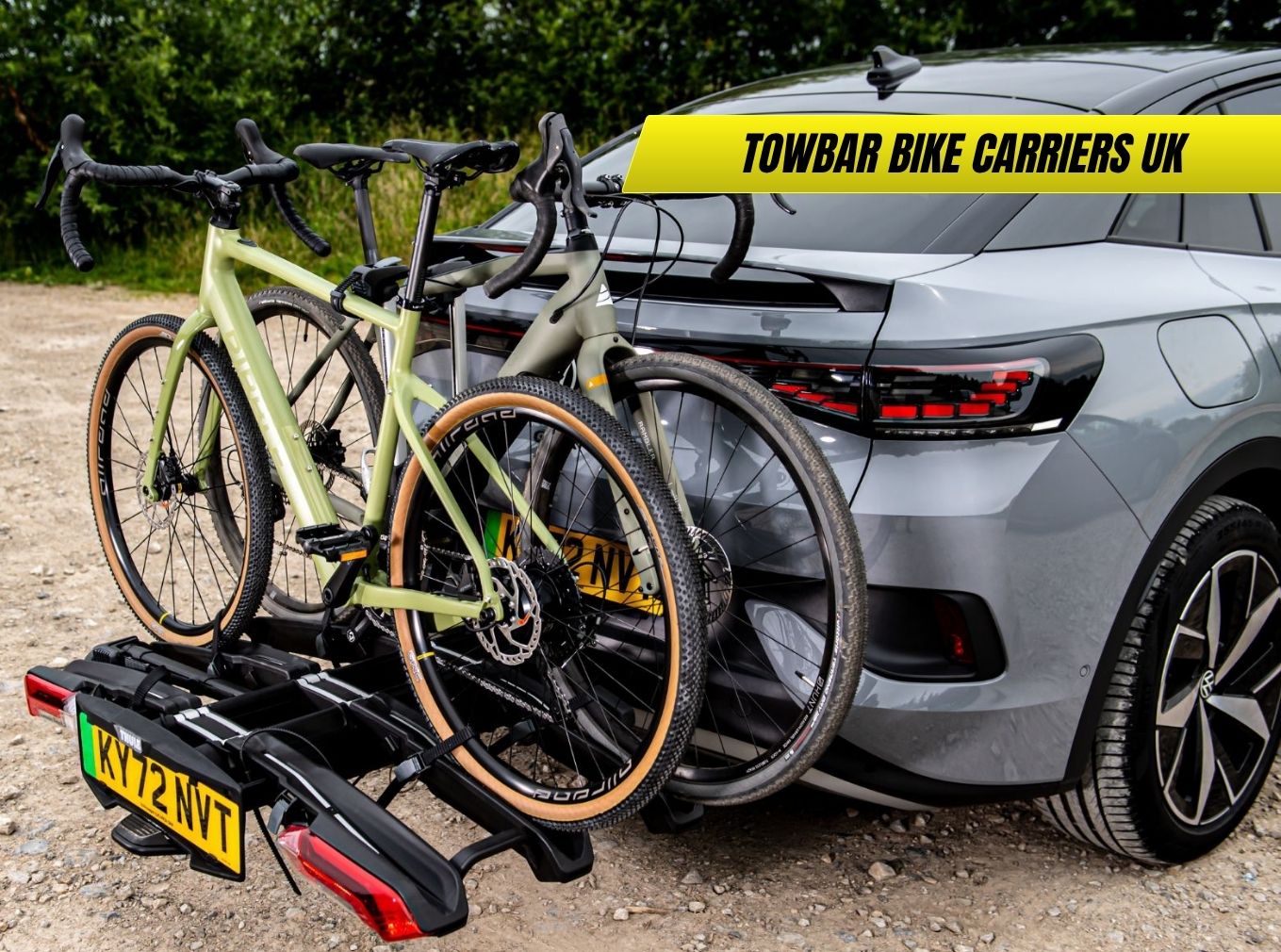
Master UK towbar bike carrier regulations with our expert guide. Learn legal requirements, safety standards, and best practices for cycling enthusiasts in 2025.
Cycling enthusiasts across the UK increasingly rely on towbar-mounted bike carriers for family holidays, cycling adventures, and daily transport needs. However, navigating the complex legal requirements, safety standards, and practical considerations surrounding these devices can be challenging for British motorists. Understanding current UK regulations ensures both legal compliance and optimal safety when transporting bicycles.
Recent developments in UK transport regulations have clarified many aspects of towbar bike carrier usage, providing clearer guidance for drivers while maintaining stringent safety standards. These changes affect everything from installation requirements to lighting obligations, making comprehensive knowledge essential for responsible vehicle owners.
Key UK Towbar Bike Carrier Requirements
• Type approval certification required for all towbar-mounted carriers sold in the UK • Maximum weight limits must not exceed vehicle and towbar specifications • Lighting and visibility requirements including rear lights and number plate display • Projection limits of 1 metre maximum beyond vehicle rear overhang • Load securing obligations with appropriate strapping and anti-theft measures • Insurance notification recommended for comprehensive coverage protection
Understanding UK Legal Framework for Towbar Carriers
The UK’s approach to towbar bike carrier regulations differs significantly from European standards, reflecting specific British road conditions and safety priorities. In my experience advising UK motorists on vehicle modifications, understanding these distinctions prevents costly fines and ensures proper insurance coverage.
British legislation focuses heavily on visibility and load security, recognising the unique challenges posed by narrow country roads and varying weather conditions. The Vehicle and Operator Services Agency (VOSA) maintains strict oversight of aftermarket vehicle modifications, including towbar-mounted accessories.
Recent Regulatory Changes Affecting UK Drivers
Following Brexit, the UK has developed independent standards for vehicle accessories, including towbar bike carriers. These regulations emphasise compatibility with existing British vehicle certification processes while maintaining safety standards appropriate for UK road conditions.
From my point of view, these changes have simplified compliance procedures for most drivers while ensuring consistent safety standards across different manufacturer products.
Weight Limits and Vehicle Compatibility
Understanding weight limitations represents the most critical aspect of safe towbar bike carrier operation. UK regulations specify that total carrying weight must not exceed the vehicle’s maximum towing capacity or the towbar’s rated load limit, whichever is lower.
Most modern vehicles available in the UK market, including popular family SUVs and estate cars, feature towbars rated between 50-100kg for bike carrier applications. However, actual usable capacity depends on several factors including vehicle kerb weight, maximum permissible weight, and existing load conditions.
Calculating Safe Load Limits for UK Vehicles
| Vehicle Category | Typical Towbar Rating | Bike Capacity | Weight Consideration |
|---|---|---|---|
| Small Hatchbacks | 50-60kg | 2-3 bikes | Check kerb weight carefully |
| Family Estates | 70-85kg | 3-4 bikes | Ideal for most carriers |
| Large SUVs | 85-100kg | 4-5 bikes | Maximum flexibility |
| Electric Vehicles | 50-75kg | 2-4 bikes | Reduced due to battery weight |
I would recommend consulting your vehicle’s handbook and towbar documentation before selecting a bike carrier, particularly for newer electric vehicles where weight distribution affects range and handling characteristics.
Type Approval and Certification Requirements
All towbar bike carriers sold legally in the UK must carry appropriate type approval certification, demonstrating compliance with British safety and construction standards. This certification ensures compatibility with UK vehicles and adherence to specific performance criteria.
The certification process covers structural integrity, lighting integration, and compatibility with UK number plate requirements. Purchasing carriers without proper certification can result in MOT failures, insurance complications, and potential legal liability.
Identifying Legitimate UK-Approved Carriers
Genuine UK-approved bike carriers display clear certification markings, typically including the manufacturer’s name, model number, and compliance statements. In my experience, reputable manufacturers provide comprehensive documentation including installation instructions, weight specifications, and compatibility charts.
When considering carriers for vehicles like the Volkswagen Golf 2025 or similar popular UK models, ensuring certification compatibility prevents future complications during vehicle inspections or insurance claims.
Lighting and Visibility Requirements
UK law mandates specific lighting arrangements for towbar bike carriers that extend beyond the vehicle’s rear overhang. These requirements ensure adequate visibility for following traffic while maintaining clear signal indication during all lighting conditions.
Standard requirements include working rear lights, indicators, brake lights, and reflectors that replicate the vehicle’s original lighting configuration. Additionally, fog lights must be functional where fitted to the original vehicle, though centre high-mounted stop lights are typically exempt.
Electrical Connection Standards for UK Vehicles
Most UK vehicles feature either 7-pin or 13-pin electrical connections for towbar accessories. The 13-pin configuration, increasingly common on newer vehicles, provides power for additional features including reversing lights and supplementary charging circuits.
I’ve observed that vehicles featured in our best SUVs under £30,000 guide typically include sophisticated electrical systems that automatically detect towbar connections and adjust lighting accordingly.
Number Plate Display Obligations
UK regulations require clear number plate visibility when using towbar bike carriers. This can be achieved either by relocating the original plate to the carrier or installing a separate repeater plate displaying identical registration details.
The number plate must remain clearly visible from 20 metres distance under normal daylight conditions, requiring appropriate positioning and illumination. Failure to maintain visible registration details can result in fixed penalty notices and potential prosecution.
Best Practice for UK Number Plate Compliance
Based on my analysis of UK enforcement patterns, I recommend investing in illuminated number plate holders specifically designed for towbar carriers. These systems automatically activate with the vehicle’s lighting system, ensuring consistent compliance across varying conditions.
Quality systems also include magnetic or quick-release mechanisms that facilitate easy plate transfer between vehicles, particularly useful for households with multiple cars or seasonal vehicle changes.
Installation and Safety Considerations
Proper installation remains the driver’s legal responsibility, regardless of whether professional fitting services are used. UK law holds drivers liable for ensuring secure attachment, appropriate weight distribution, and ongoing maintenance of towbar bike carriers.
Installation quality affects vehicle handling, braking performance, and overall safety margins. Poor installation can result in carrier failure, vehicle damage, or serious accidents with potential criminal liability for the driver.
Professional Installation vs DIY Approaches
While many UK motorists successfully install towbar bike carriers themselves, professional installation provides additional security and often includes warranty coverage. For complex installations or high-value vehicles, professional fitting ensures optimal integration with vehicle systems.
Vehicles with advanced driver assistance systems, such as those found in our best Chinese SUVs in the UK marketguide, may require specific calibration procedures following towbar accessory installation.
Load Security and Anti-Theft Measures
UK regulations emphasise proper load securing, requiring appropriate strapping, locking mechanisms, and regular inspection procedures. Inadequately secured loads can shift during transport, affecting vehicle stability and creating hazards for other road users.
Modern bike carriers feature sophisticated locking systems that secure both the carrier to the towbar and individual bikes to the carrier. These systems provide essential theft protection while ensuring compliance with construction and use regulations.
Recommended Security Protocols
From my experience, implementing layered security approaches provides optimal protection. This includes carrier-to-towbar locks, individual bike locks, and removable components that can be stored separately when parked.
High-quality systems also incorporate visual deterrents such as branded locks and security cables that discourage opportunistic theft while maintaining easy operation for legitimate users.
Insurance and Liability Considerations
UK insurance policies typically cover towbar bike carriers under standard comprehensive coverage, but specific notification may be required for high-value systems or extensive modifications. Failure to disclose modifications can void insurance coverage, leaving drivers personally liable for accident costs.
Most reputable insurers welcome notification of safety improvements, including quality bike carriers, as these demonstrate responsible vehicle ownership. However, policy terms vary significantly between providers, making individual consultation essential.
Managing Insurance Requirements for UK Drivers
I would recommend reviewing insurance documentation specifically regarding vehicle modifications and accessory coverage. Many policies include automatic coverage for factory-fitted accessories while requiring declaration for aftermarket additions.
Some specialists insurers, particularly those serving outdoor enthusiasts and cyclists, offer enhanced coverage specifically designed for vehicles with bike carrying equipment.
Regional Variations and Local Authorities
While UK regulations provide national standards, some local authorities implement additional requirements, particularly in areas with specific environmental or traffic management concerns. Urban low emission zones and certain National Park areas may have restrictions affecting large or projecting loads.
Understanding local variations becomes particularly important for drivers planning cycling holidays or regular travel through different regions. Some areas also implement seasonal restrictions during peak tourist periods.
Planning for UK Regional Compliance
Before travelling with towbar bike carriers, I recommend checking destination-specific requirements, particularly for areas like the Lake District, Scottish Highlands, or Welsh National Parks where access restrictions may apply.
Many local authority websites provide specific guidance for recreational vehicle users, including parking restrictions and recommended routes for vehicles with extended loads.
Maintenance and Inspection Requirements
Regular maintenance ensures continued compliance with UK safety standards while protecting the significant investment most families make in quality bike carrying equipment. Inspection schedules should cover structural integrity, electrical connections, and wearing components.
The corrosive effects of UK winter conditions, including road salt and persistent moisture, accelerate wear on towbar accessories. Proactive maintenance prevents failures that could result in accidents, legal liability, or expensive replacement costs.
Establishing Effective Maintenance Routines
Based on typical UK usage patterns, I recommend comprehensive inspections every 3 months or 5,000 miles, whichever occurs first. This schedule accounts for seasonal variations and typical annual mileage patterns among UK cycling enthusiasts.
Particular attention should focus on electrical connections, which are vulnerable to corrosion in the UK’s maritime climate, and mechanical fasteners that experience constant vibration stress.
Frequently Asked Questions
Do I need to inform my insurance company about a towbar bike carrier?
While not legally required, I recommend notifying your insurer about permanent towbar installations and regular use of bike carriers. This ensures full coverage and prevents potential claim disputes.
What’s the maximum weight I can carry on a UK-legal towbar bike carrier?
The maximum weight depends on your vehicle’s towbar rating and overall weight limits. Most UK vehicles support 50-100kg, but you must check your specific vehicle handbook and towbar documentation.
Can I use my towbar bike carrier for other purposes?
UK regulations permit multi-purpose use provided the carrier maintains appropriate certification and weight limits. However, modifications or non-standard uses may affect insurance coverage and legal compliance.
Are there speed limits when using towbar bike carriers?
While no specific speed limits apply to bike carriers, drivers must ensure safe operation at all speeds. High speeds can affect vehicle stability and increase wind noise, making gradual acceleration and deceleration advisable.
Do I need special lights for my towbar bike carrier?
Yes, UK law requires functional rear lights, indicators, and brake lights when carriers extend beyond the vehicle’s rear overhang. These must replicate your vehicle’s original lighting configuration.
Can I reverse with a towbar bike carrier fitted?
Reversing with bike carriers requires extra caution and often benefits from additional mirrors or reversing cameras. Many modern vehicles automatically adjust parking sensors when towbar connections are detected.
What happens if my towbar bike carrier causes an accident?
The driver remains legally responsible for ensuring proper installation and load security. Insurance typically covers accidents involving properly fitted and legal carriers, but coverage may be affected by non-compliance or negligent installation.
Conclusion
Understanding UK towbar bike carrier regulations ensures safe, legal, and enjoyable cycling adventures for British families. The comprehensive framework covering weight limits, lighting requirements, certification standards, and installation procedures provides clear guidance for responsible vehicle owners.
In my experience, drivers who invest time in understanding these requirements enjoy greater confidence during travel, reduced insurance risks, and enhanced safety for all road users. As cycling continues growing in popularity across the UK, proper bike carrying knowledge becomes increasingly valuable for outdoor enthusiasts.
The future of UK bike carrier regulations will likely emphasise integration with advanced vehicle systems, environmental considerations, and enhanced safety standards. Staying informed about developing requirements ensures continued compliance and optimal enjoyment of Britain’s extensive cycling opportunities.





