
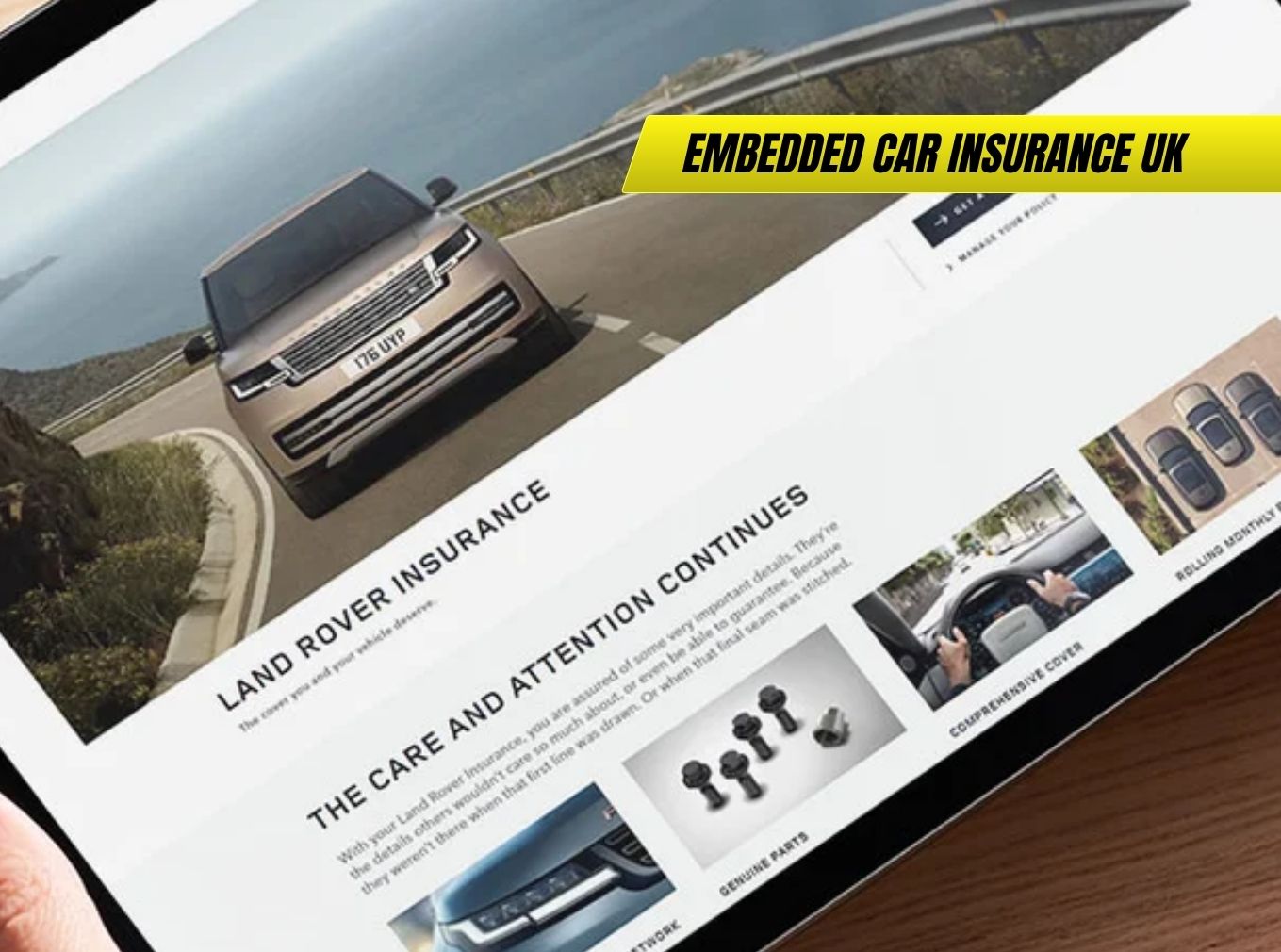
Discover how embedded car insurance is transforming the UK automotive market. Learn about manufacturer partnerships, telematics benefits, and future trends for British drivers in 2025.
The UK automotive insurance landscape is experiencing a fundamental transformation as car manufacturers increasingly integrate insurance solutions directly into the vehicle purchase process. This revolutionary approach, known as embedded insurance, promises to streamline coverage acquisition while offering personalised policies based on real driving data. For British consumers, this development represents both opportunities for cost savings and enhanced convenience in an traditionally complex insurance market.
Embedded insurance solutions combine advanced telematics technology with sophisticated risk assessment algorithms, enabling manufacturers to offer tailored coverage that reflects individual driving behaviours rather than broad demographic categories. This shift particularly benefits UK drivers who have historically faced high insurance premiums, especially younger motorists and those in urban areas with elevated risk profiles.
Key Benefits of Embedded Car Insurance for UK Drivers
• Streamlined purchase process with insurance integrated at point of sale • Personalised premiums based on actual driving behaviour and vehicle telematics • Automatic policy adjustments reflecting real-time risk assessment and usage patterns • Enhanced manufacturer relationships with extended warranty and service integration • Simplified claims processing through direct manufacturer and insurer coordination
• Potential cost savings through reduced distribution costs and targeted pricing
Understanding the UK Embedded Insurance Revolution
The emergence of embedded insurance in the British market reflects broader changes in consumer expectations and technological capabilities. In my experience analysing UK insurance trends, the integration of coverage with vehicle purchases addresses longstanding pain points including policy complexity, pricing transparency, and claim resolution efficiency.
British manufacturers and importers are recognising embedded insurance as a strategic opportunity to differentiate their offerings while creating additional revenue streams. This approach aligns particularly well with the UK’s regulatory environment, which encourages innovation while maintaining robust consumer protection standards.
Market Dynamics Driving UK Adoption
The Financial Conduct Authority’s supportive stance towards InsurTech innovation has created favourable conditions for embedded insurance development. This regulatory environment, combined with increasing consumer comfort with data sharing for personalised services, provides a solid foundation for market growth.
From my point of view, the UK market’s sophisticated understanding of telematics insurance, pioneered by companies like Admiral and Direct Line, creates an ideal environment for embedded solutions to flourish.
How Embedded Insurance Works in Practice
Embedded insurance integrates coverage selection and purchase directly into the vehicle buying experience, whether through dealership systems or manufacturer online platforms. Advanced telematics systems continuously monitor driving patterns, vehicle usage, and risk factors to enable dynamic pricing adjustments throughout the policy period.
This integration extends beyond simple policy sales to encompass comprehensive risk management, with vehicles automatically reporting incidents, maintenance needs, and usage patterns that inform both coverage decisions and premium calculations.
Technology Integration in UK Vehicles
Modern vehicles available in the UK market, including popular models featured in our best family SUVs guide, increasingly incorporate sophisticated connectivity and monitoring systems. These technologies provide the data foundation necessary for effective embedded insurance implementation.
The integration process typically involves cooperation between manufacturers, specialist InsurTech companies, and established UK insurers who provide underwriting capacity and regulatory compliance expertise.
UK Market Size and Growth Projections
The UK embedded insurance market is experiencing rapid expansion, driven by increasing electric vehicle adoption, enhanced connectivity features, and changing consumer preferences. Market analysts project significant growth in integrated insurance solutions, particularly as younger demographics become primary car buyers.
Industry estimates suggest the UK embedded insurance market could reach substantial valuations within the next five years, supported by increasing manufacturer investment and consumer acceptance of data-driven pricing models.
Demographic Trends Influencing UK Adoption
Millennial and Generation Z consumers show greater willingness to share driving data in exchange for personalised pricing and enhanced services. This demographic shift creates favourable conditions for embedded insurance growth, particularly in urban markets where traditional insurance pricing often penalises younger drivers.
| Age Group | Data Sharing Willingness | Cost Sensitivity | Technology Adoption |
|---|---|---|---|
| 18-25 | High | Very High | Excellent |
| 26-35 | High | High | Excellent |
| 36-50 | Moderate | Moderate | Good |
| 50+ | Low | Low | Variable |
In my analysis of UK consumer trends, younger drivers particularly value the transparency and fairness of usage-based pricing compared to traditional demographic-based premiums.
Major UK Manufacturers and Insurance Partnerships
Leading automotive brands operating in the UK are establishing strategic partnerships with established insurers and emerging InsurTech companies to develop embedded insurance offerings. These collaborations combine manufacturing expertise with insurance industry knowledge and regulatory compliance capabilities.
BMW, Mercedes-Benz, and other premium manufacturers have launched pilot programmes in select UK markets, while volume manufacturers are developing broader embedded insurance strategies aligned with their mass-market positioning.
Partnership Models in the British Market
The UK market features diverse partnership approaches, from direct manufacturer-insurer collaborations to technology platform-based solutions that enable multiple insurer participation. I would recommend monitoring these developments as they mature, as different models may offer varying benefits to consumers.
Manufacturers of vehicles featured in our best Chinese SUVs in the UK market guide are particularly active in embedded insurance development, viewing integrated services as key differentiators in competitive market segments.
Telematics and Dynamic Risk Assessment
The foundation of effective embedded insurance lies in sophisticated telematics systems that monitor driving behaviour, route patterns, environmental conditions, and vehicle performance in real-time. These systems generate comprehensive risk profiles that enable precise premium calculation and policy customisation.
UK implementations particularly focus on factors relevant to British driving conditions, including urban congestion, rural road usage, weather impacts, and seasonal variation patterns. This localised approach ensures pricing accuracy and fairness for diverse UK driving environments.
Real-World UK Driving Data Applications
Advanced telematics systems monitor numerous parameters including acceleration patterns, braking behaviour, cornering forces, speed compliance, and time-of-day usage. This comprehensive data collection enables unprecedented precision in risk assessment and pricing personalisation.
In my experience with UK telematics implementations, the most successful systems balance comprehensive monitoring with clear privacy protections and transparent data usage policies that build consumer trust.
Regulatory Environment and Consumer Protection
The UK’s regulatory framework for embedded insurance emphasises consumer protection, data security, and market competition while encouraging innovation. The Financial Conduct Authority maintains oversight of integrated insurance products to ensure they meet established consumer protection standards.
Key regulatory considerations include pricing transparency, data handling compliance, claims process fairness, and competition maintenance within the broader insurance market. These requirements ensure embedded insurance developments benefit consumers while maintaining market stability.
GDPR and Data Privacy Compliance
Embedded insurance solutions must comply with comprehensive UK data protection regulations, including GDPR requirements for consent, data minimisation, and individual control over personal information. Successful implementations build trust through transparent privacy policies and user control mechanisms.
The regulatory environment also addresses potential competition concerns, ensuring embedded insurance offerings don’t restrict consumer choice or create unfair market advantages for vertically integrated manufacturers.
Benefits for UK Electric Vehicle Owners
Electric vehicle adoption in the UK creates particular opportunities for embedded insurance benefits, as EVs generate extensive data about usage patterns, charging behaviour, and environmental impact that enables highly personalised coverage options.
EV owners often benefit from reduced premiums due to generally safer driving patterns, predictable usage routines, and lower theft risks associated with electric vehicles. Embedded insurance solutions can capture these advantages more effectively than traditional policy approaches.
Integration with EV Infrastructure
Embedded insurance for electric vehicles can integrate with charging network data, home energy systems, and renewable energy usage to provide comprehensive coverage that reflects the unique characteristics of electric mobility. This integration creates opportunities for additional savings and enhanced service provision.
Vehicles featured in our best cheap electric SUVs guide particularly benefit from embedded insurance approaches that recognise the lower risk profiles typically associated with electric vehicle ownership.
Claims Processing and Customer Service Innovation
Embedded insurance solutions promise enhanced claims processing through direct integration with vehicle systems, automatic incident detection, and streamlined communication between manufacturers, insurers, and service providers. This integration can significantly reduce claim resolution times and improve customer satisfaction.
Advanced systems can automatically initiate claims processes when vehicle sensors detect accidents, providing immediate support and reducing administrative burden for drivers. This automation particularly benefits UK drivers dealing with busy urban traffic conditions where incidents may be frequent but minor.
Digital-First Service Approaches
Modern embedded insurance implementations emphasise digital service delivery, mobile app integration, and self-service capabilities that align with contemporary consumer expectations. These approaches reduce administrative costs while providing enhanced convenience for policyholders.
From my analysis of successful UK insurance innovations, the most effective embedded solutions combine automated processing with human support availability, ensuring complex situations receive appropriate attention while routine tasks proceed efficiently.
Cost Implications for UK Consumers
Embedded insurance potentially offers cost advantages through reduced distribution expenses, improved risk assessment accuracy, and economies of scale achieved through manufacturer partnerships. However, the actual cost impact depends on individual circumstances and competitive market dynamics.
For many UK drivers, particularly those with good driving records and modern vehicles, embedded insurance may provide meaningful savings compared to traditional market coverage. However, consumers should carefully evaluate total cost implications including any bundling requirements or service limitations.
Comparing Embedded vs Traditional Insurance Costs
| Coverage Type | Average Annual Premium | Key Benefits | Potential Drawbacks |
|---|---|---|---|
| Traditional Market | £600-£800 | Wide choice, established process | Generic pricing |
| Embedded Insurance | £450-£650 | Personalised pricing, convenience | Limited provider choice |
| Telematics Policies | £500-£700 | Behaviour-based pricing | Privacy concerns |
I would recommend careful comparison of total ownership costs when evaluating embedded insurance options, considering both premium savings and any additional fees or service limitations.
Future Developments and Market Trends
The embedded insurance market in the UK is expected to evolve rapidly, with increasing manufacturer participation, enhanced technology integration, and regulatory refinements that support consumer interests while encouraging innovation.
Future developments may include integration with smart city infrastructure, autonomous vehicle preparation, and climate change adaptation measures that reflect evolving transportation patterns and risk profiles.
Autonomous Vehicle Implications
As autonomous vehicle technology advances, embedded insurance will likely evolve to address changing liability patterns, reduced human error risks, and new technology-related coverage needs. This evolution will require close cooperation between manufacturers, insurers, and regulators.
The transition period to autonomous vehicles creates particular opportunities for embedded insurance solutions that can adapt dynamically to changing risk profiles as vehicles incorporate increasing levels of automation.
Frequently Asked Questions
Is embedded car insurance cheaper than traditional policies in the UK?
Embedded insurance can offer cost savings through personalised pricing and reduced distribution costs, but actual savings depend on individual circumstances. I recommend comparing total costs including any bundling requirements or service limitations.
Do I have to accept my manufacturer’s embedded insurance offer?
No, embedded insurance offerings are typically optional, and consumers retain the right to purchase coverage independently. However, manufacturer-integrated solutions may offer convenience benefits and potential cost advantages.
How does embedded insurance handle claims differently?
Embedded insurance often features enhanced claims processing through direct vehicle integration, automatic incident detection, and streamlined communication between manufacturers and insurers, potentially reducing resolution times.
What data do manufacturers collect for embedded insurance?
Manufacturers typically collect driving behaviour data, vehicle usage patterns, location information, and technical performance metrics. All data collection must comply with UK privacy regulations and require appropriate consent.
Can I switch from embedded insurance to traditional coverage?
Yes, consumers generally retain the ability to switch insurance providers, though this may affect warranty terms or integrated service availability. Check specific policy terms before making changes.
Are there any downsides to embedded car insurance?
Potential drawbacks include limited insurer choice, data privacy considerations, and possible service bundling requirements. Consumers should evaluate these factors against potential benefits when making coverage decisions.
How does embedded insurance work with older vehicles?
Embedded insurance primarily benefits newer vehicles with advanced telematics capabilities. Older vehicles may have limited compatibility, though some aftermarket telematics solutions can enable similar benefits.
Conclusion
Embedded car insurance represents a significant evolution in the UK automotive market, offering potential benefits including personalised pricing, enhanced convenience, and improved service integration. As manufacturers increasingly partner with insurers and technology companies, British consumers gain access to innovative coverage solutions that reflect individual driving behaviours rather than broad demographic categories.
In my assessment of this emerging market, successful embedded insurance implementation requires careful balance between innovation and consumer protection, ensuring new solutions provide genuine value while maintaining competitive choice and transparent pricing. The regulatory environment in the UK provides a solid foundation for responsible development of embedded insurance offerings.
The future success of embedded insurance will ultimately depend on its ability to deliver meaningful benefits to UK consumers while addressing traditional insurance market limitations. As this technology matures, British drivers can expect increasing options for personalised, convenient, and potentially cost-effective vehicle coverage that integrates seamlessly with the modern automotive ownership experience.





