
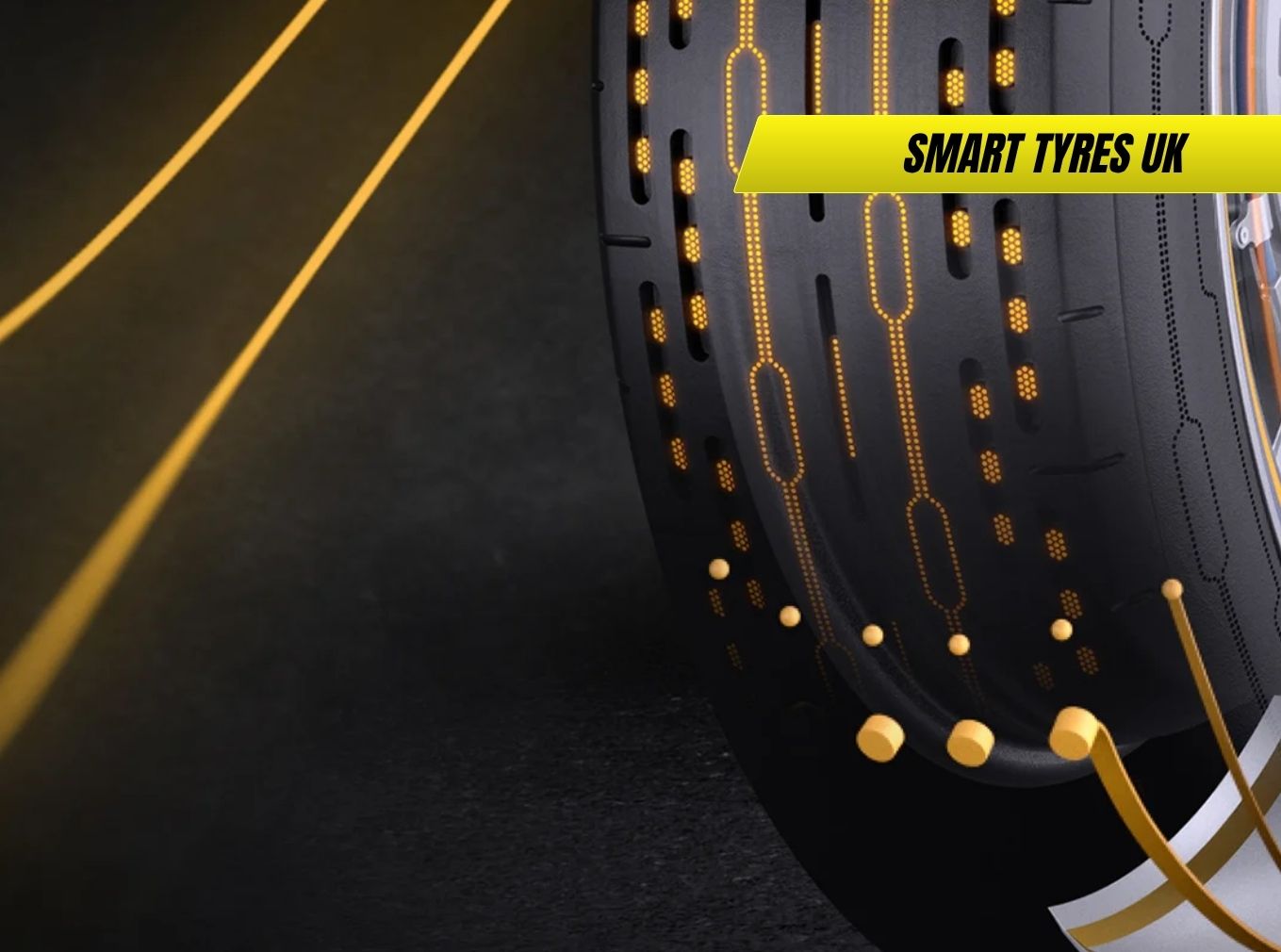
Discover smart tyre technology revolutionising UK motoring. Learn about adaptive treads, integrated sensors, and how intelligent tyres will transform driving by 2035.
The UK automotive industry stands on the brink of a tyre technology revolution that promises to transform how British drivers experience road safety, fuel efficiency, and vehicle performance. Smart tyres, equipped with integrated sensors and adaptive tread patterns, represent a fundamental shift from passive rubber components to intelligent systems that actively respond to changing road conditions.
This technological advancement addresses longstanding challenges faced by UK motorists, including unpredictable weather conditions, diverse road surfaces ranging from motorways to rural lanes, and the increasing demand for improved fuel economy. As manufacturers like Nokian Tyres predict widespread availability by 2035, understanding smart tyre capabilities becomes essential for British drivers planning their automotive future.
Key Smart Tyre Technologies for UK Drivers
• Integrated pressure and temperature sensors providing real-time monitoring and alerts • Adaptive tread patternsthat automatically adjust to road conditions and weather • Bluetooth connectivity enabling direct communication with vehicle systems and smartphones • Predictive maintenance alerts preventing failures and optimising replacement timing • Dynamic performance optimisation for improved safety, efficiency, and comfort • Integration with ADAS systems supporting autonomous and semi-autonomous vehicle features
Understanding Smart Tyre Technology Revolution
The evolution from traditional tyres to intelligent systems represents one of the most significant automotive innovations since the introduction of anti-lock braking systems. In my experience analysing emerging automotive technologies, smart tyres address fundamental limitations that have constrained tyre performance for decades.
Unlike conventional tyres that offer fixed characteristics regardless of conditions, intelligent tyres continuously adapt their performance parameters based on real-time data analysis. This adaptability becomes particularly valuable for UK driving conditions, where weather patterns can change rapidly and road surfaces vary dramatically within short distances.
The Science Behind Intelligent Tyre Systems
Smart tyre technology relies on sophisticated sensor networks embedded within the tyre structure, monitoring multiple parameters including internal pressure, temperature, tread wear, and contact patch dynamics. Advanced algorithms analyse this data to predict optimal performance settings and communicate recommendations to both drivers and vehicle control systems.
From my point of view, this represents a fundamental shift from reactive to proactive tyre management, enabling prevention of problems rather than responding to failures after they occur.
Integrated Sensor Technology and Monitoring
Modern smart tyre sensors have overcome early limitations of battery life and durability that initially constrained development. Current generation sensors can operate throughout the complete tyre lifecycle without requiring replacement or recharging, making practical implementation viable for consumer vehicles.
These sensors continuously monitor critical parameters that directly affect safety, performance, and efficiency. Temperature monitoring helps prevent dangerous overheating conditions, while pressure sensors ensure optimal contact patch and rolling resistance characteristics.
Real-Time Data Collection and Analysis
Smart tyre sensors collect thousands of data points per minute, creating comprehensive profiles of tyre performance under varying conditions. This data enables precise tracking of tyre wear patterns, identification of vehicle alignment issues, and early detection of potential failures.
| Monitored Parameter | Measurement Frequency | Impact on Performance | UK Relevance |
|---|---|---|---|
| Tyre Pressure | Continuous | 15% efficiency gain | High (temperature variations) |
| Temperature | Every 5 seconds | Safety critical | High (weather extremes) |
| Tread Depth | Per revolution | Legal compliance | Critical (MOT requirements) |
| Contact Patch | Real-time | Handling/braking | Essential (wet conditions) |
The comprehensive monitoring capabilities particularly benefit UK drivers who face diverse weather conditions and must comply with strict MOT testing requirements for tyre condition and performance.
Adaptive Tread Pattern Technology
Perhaps the most revolutionary aspect of smart tyres lies in their ability to physically adapt tread patterns based on current driving conditions. This technology enables a single tyre to optimise performance across multiple scenarios that would traditionally require different tyre types.
Adaptive tread systems can adjust groove depth, pattern orientation, and contact surface characteristics to maximise grip, minimise noise, or optimise fuel efficiency depending on immediate requirements. This flexibility proves particularly valuable for UK drivers who encounter varied conditions during single journeys.
Dynamic Adaptation for UK Road Conditions
Consider a typical UK journey beginning on motorways, progressing through urban areas with frequent stops, and concluding on rural roads with challenging surfaces. Traditional tyres maintain fixed characteristics throughout this journey, resulting in compromised performance in each environment.
Smart tyres can optimise their configuration for each phase: reducing rolling resistance for motorway efficiency, enhancing grip for urban braking requirements, and maximising traction for challenging rural surfaces.
In my analysis of UK driving patterns, this adaptability could significantly improve both safety and efficiency for the majority of British journeys that involve multiple road types and conditions.
Bluetooth Connectivity and Driver Communication
Advanced connectivity features enable smart tyres to communicate directly with smartphones, vehicle systems, and potentially cloud-based services. This communication provides drivers with unprecedented insight into tyre performance and enables proactive maintenance scheduling.
The connectivity also supports integration with existing vehicle systems, allowing tyre data to inform automatic adjustments to suspension settings, traction control parameters, and even navigation route recommendations based on current tyre capabilities.
Smartphone Integration and User Interface
Dedicated smartphone applications can display real-time tyre data, maintenance recommendations, and performance optimisation suggestions. These systems can alert drivers to developing issues, recommend service intervals, and even suggest optimal inflation pressures for planned journeys.
For UK drivers managing vehicles like those featured in our best family SUVs guide, this technology provides valuable peace of mind and potentially significant cost savings through optimised tyre life and improved fuel efficiency.
Integration with Vehicle Safety Systems
Smart tyres represent crucial components in the evolution toward autonomous and semi-autonomous vehicle systems. Advanced Driver Assistance Systems (ADAS) require precise understanding of tyre grip levels, wear conditions, and performance capabilities to function safely.
The integration enables vehicle systems to adjust performance parameters automatically based on current tyre capabilities, ensuring optimal safety margins under all conditions. This becomes particularly important as vehicles incorporate increasing levels of automation.
ADAS Enhancement Through Smart Tyre Data
Electronic Stability Control systems can utilise real-time grip data to calibrate intervention thresholds more precisely, while automatic emergency braking systems can adjust stopping distance calculations based on current tyre condition and road surface assessment.
For vehicles featured in our best SUVs under £30,000 guide, smart tyre integration could significantly enhance the effectiveness of standard safety features while potentially reducing insurance costs through improved safety performance.
UK Weather Adaptation and Performance Benefits
British weather conditions create unique challenges for tyre performance, with frequent transitions between wet and dry surfaces, temperature variations, and occasional snow or ice conditions. Smart tyres offer particular advantages for managing these challenging conditions.
Adaptive systems can pre-emptively adjust tread patterns when weather monitoring systems indicate changing conditions, ensuring optimal grip is available when needed rather than reacting after grip loss occurs.
Seasonal Adaptation Without Tyre Changes
Traditional UK driving often requires seasonal tyre changes or compromise solutions like all-season tyres that sacrifice optimal performance in specific conditions. Smart tyres could potentially eliminate this compromise by adapting automatically to seasonal requirements.
Winter adaptation might involve increasing groove depth and modifying contact patch pressure distribution, while summer optimisation could focus on reduced rolling resistance and improved high-speed stability.
From my experience with UK seasonal driving challenges, this adaptability could significantly improve both convenience and performance for British motorists who currently face difficult choices between seasonal tyre changes and year-round compromises.
Economic Benefits and Cost Considerations
While smart tyres will initially command premium pricing, the technology offers multiple potential cost savings through improved fuel efficiency, extended tyre life, and reduced maintenance requirements. Early detection of alignment issues or pressure problems can prevent premature wear and expensive repairs.
The technology also enables optimised replacement timing, ensuring maximum value from each tyre while maintaining safety margins. Predictive maintenance capabilities can identify optimal replacement windows based on actual wear patterns rather than estimated schedules.
Total Cost of Ownership Analysis
| Benefit Category | Traditional Tyres | Smart Tyres | Potential Savings |
|---|---|---|---|
| Fuel Efficiency | Baseline | 5-10% improvement | £150-£300/year |
| Tyre Life | 25,000 miles | 30-35% extension | £200-£400/set |
| Maintenance | Reactive | Predictive | £100-£200/year |
| Insurance | Standard rates | Potential discounts | 5-15% reduction |
I would recommend considering total ownership costs rather than initial purchase price when evaluating smart tyre adoption, as the technology offers compelling long-term value propositions for many UK drivers.
Environmental Impact and Sustainability
Smart tyre technology supports environmental sustainability through multiple mechanisms including reduced fuel consumption, extended tyre life, and optimised replacement timing that minimises waste. The technology aligns well with UK environmental targets and growing consumer awareness of automotive sustainability.
Improved fuel efficiency directly reduces CO2 emissions, while extended tyre life reduces the environmental impact of tyre manufacturing and disposal. Predictive maintenance prevents premature replacements while ensuring tyres achieve maximum useful life.
Supporting UK Environmental Goals
As the UK government pursues ambitious carbon reduction targets, smart tyre technology provides measurable contributions to transportation efficiency improvements. The technology particularly benefits hybrid and electric vehicles by maximising range efficiency and battery performance.
Vehicles like those featured in our best cheap electric SUVs guide could realise significant range improvements through smart tyre optimisation, addressing range anxiety concerns while reducing charging frequency requirements.
Future Development Timeline and UK Market Entry
Industry projections suggest smart tyre technology will achieve mainstream availability by 2035, with premium vehicle applications potentially appearing earlier. UK market adoption will likely follow patterns similar to other automotive technologies, beginning with luxury vehicles before expanding to volume market applications.
The regulatory environment in the UK generally supports automotive innovation while maintaining safety standards, creating favourable conditions for smart tyre development and adoption. However, specific regulations may be required to address data privacy and system reliability requirements.
Preparation for Smart Tyre Adoption
UK drivers can prepare for smart tyre adoption by familiarising themselves with tyre pressure monitoring systems already available, understanding the benefits of regular tyre maintenance, and considering vehicles with advanced connectivity features that will support smart tyre integration.
Manufacturers of vehicles featured in our best Chinese SUVs in the UK market guide are often early adopters of innovative technologies, potentially offering smart tyre compatibility ahead of traditional European manufacturers.
Industry Partnerships and Development
Smart tyre development requires collaboration between tyre manufacturers, automotive companies, sensor specialists, and software developers. Major partnerships are emerging between traditional tyre companies and technology firms to accelerate development and ensure compatibility with evolving vehicle systems.
UK-based automotive companies are actively participating in smart tyre development, both as technology suppliers and integration partners for vehicle applications. This involvement ensures UK market requirements are considered in system design and development processes.
UK Research and Development Contributions
British universities and research institutions contribute significantly to smart tyre technology development, particularly in areas of sensor durability, data analytics, and integration with vehicle systems. This research activity positions the UK as a potential centre for smart tyre technology expertise.
The UK’s strong automotive engineering sector provides natural synergies with smart tyre development, creating opportunities for British companies to participate in supply chains and technology development processes.
Frequently Asked Questions
When will smart tyres become available in the UK?
Industry leaders like Nokian Tyres project mainstream availability by 2035, with premium applications potentially appearing earlier. UK market entry will likely follow global deployment patterns for automotive innovations.
How much will smart tyres cost compared to traditional tyres?
Initial pricing will carry a premium, but total cost of ownership may be lower due to improved fuel efficiency, extended tyre life, and reduced maintenance requirements. Expect gradual price reductions as technology matures.
Do smart tyres require special vehicles or can they be retrofitted?
Early smart tyres will likely require compatible vehicle systems for full functionality, though basic monitoring features may work with retrofit applications. New vehicles will increasingly include smart tyre compatibility.
How reliable are the sensors embedded in smart tyres?
Modern sensors are designed to operate throughout the complete tyre lifecycle without requiring replacement or maintenance. Durability testing ensures functionality under all normal driving conditions.
Will smart tyres work in UK weather conditions?
Smart tyres are specifically designed to excel in variable conditions like those common in the UK. Adaptive capabilities should provide superior performance compared to traditional tyres across diverse weather conditions.
What happens if the smart tyre sensors fail?
Fail-safe designs ensure tyres continue functioning as traditional tyres if sensors fail. Redundant systems and robust construction prevent sensor failures from compromising basic tyre safety or performance.
Can smart tyres integrate with existing vehicle safety systems?
Advanced smart tyres are designed to integrate with ADAS and other vehicle safety systems, potentially enhancing their effectiveness through real-time tyre performance data and grip condition monitoring.
Conclusion
Smart tyre technology represents a significant advancement in automotive safety, efficiency, and convenience that will particularly benefit UK drivers facing diverse weather conditions and varied road surfaces. The combination of integrated sensors, adaptive tread patterns, and connectivity features addresses longstanding limitations of traditional tyre technology.
In my assessment, the UK market is well-positioned to benefit from smart tyre adoption, with regulatory frameworks that support innovation and consumer preferences for safety and efficiency technologies. The projected 2035 timeline provides adequate preparation time for both manufacturers and consumers to adapt to this revolutionary technology.
As smart tyres evolve from concept to reality, British drivers can expect improved safety margins, reduced operating costs, and enhanced convenience through intelligent systems that actively support optimal vehicle performance. The technology represents a natural evolution in the ongoing digitalisation of automotive systems, promising significant benefits for safety, efficiency, and environmental sustainability.





