
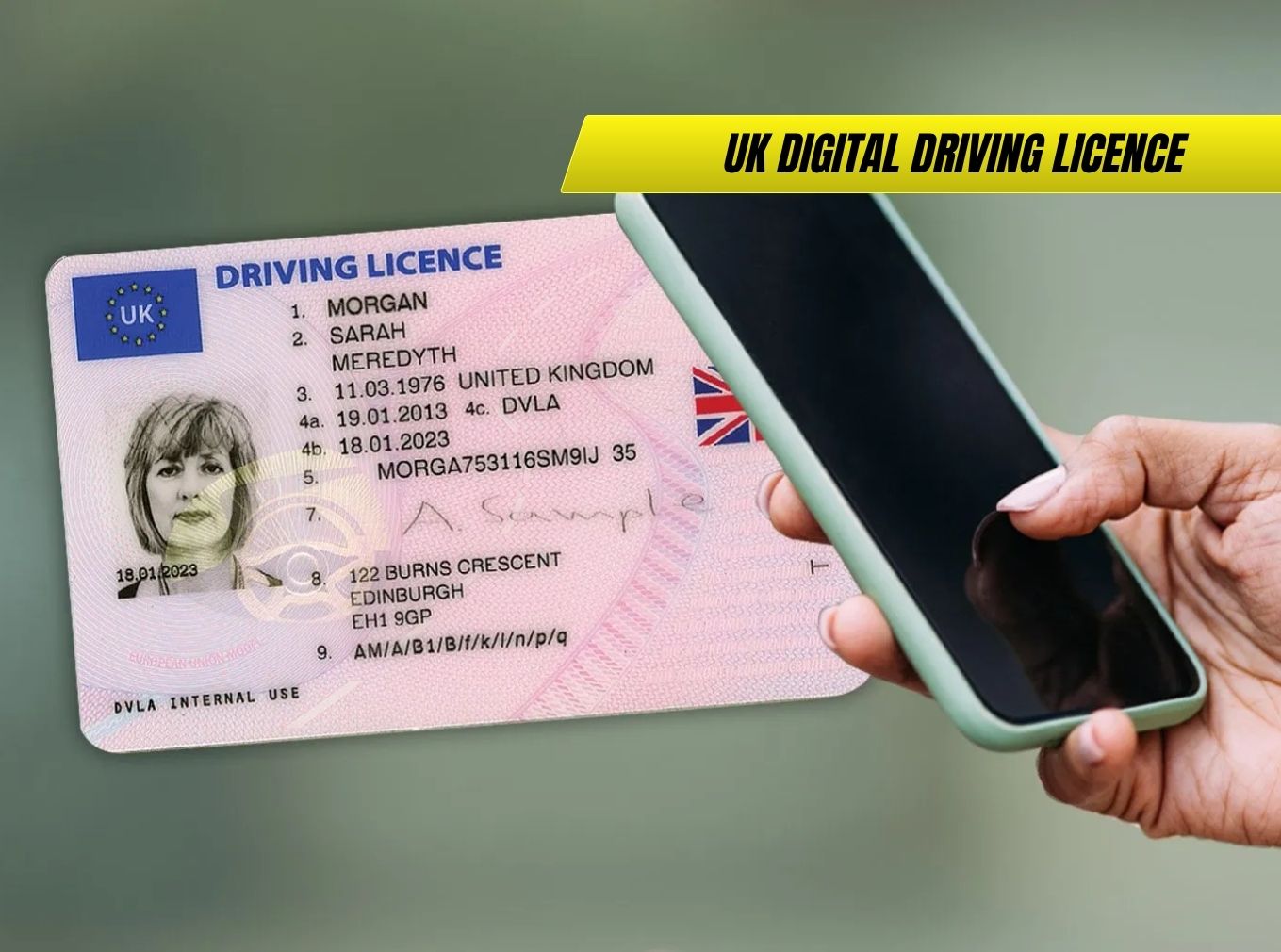
Explore UK digital driving licence developments and digital document technology. Learn about current options, security features, and future implementation plans for 2025.
The concept of digital driving licences represents a significant evolution in how British drivers could interact with official documentation in the near future. While the UK has not yet implemented a comprehensive digital driving licence system like some other countries, understanding the technology, benefits, and potential implementation pathways helps UK drivers prepare for inevitable digital transformation in official documentation.
Current UK digital initiatives focus primarily on online services for licence checking, renewal processes, and penalty point monitoring through the DVLA’s digital platforms. However, global trends toward comprehensive digital identity solutions suggest that fully digital driving licences may become available to British drivers within the coming decade, revolutionising how we carry and present official driving credentials.
Key Digital Driving Licence Concepts for UK Drivers
• Smartphone integration enabling secure digital licence storage and presentation • Real-time data synchronisationensuring current licence status and penalty point information • Enhanced security features including biometric authentication and tamper-proof QR codes • Automatic renewal notifications preventing accidental licence expiry and associated penalties • Cross-border compatibility supporting digital document recognition across international boundaries • Backup documentation options maintaining traditional licence validity alongside digital alternatives
Current UK Digital Driving Services Landscape
The DVLA has progressively digitised many driving licence services, creating a foundation for potential future digital licence implementation. Current digital capabilities include comprehensive online licence checking, digital renewal processes, and integrated penalty point management through secure government platforms.
In my experience analysing UK digital government services, the DVLA’s current digital infrastructure demonstrates sophisticated capability that could readily support comprehensive digital licence implementation when policy decisions enable such development.
Existing UK Digital Driving Solutions
Online licence checking through gov.uk provides immediate access to current licence status, penalty points, and renewal requirements using secure authentication methods. This service offers the core functionality that would underpin comprehensive digital licence systems.
Digital renewal processes enable most UK drivers to renew licences entirely online, demonstrating the technical capability and security infrastructure necessary for broader digital document implementation.
Mobile-responsive services ensure current DVLA digital offerings work effectively on smartphones and tablets, providing user experience insights valuable for future digital licence development.
From my point of view, these existing services demonstrate that the technical foundation for digital driving licences already exists within UK government systems, with implementation primarily requiring policy decisions rather than fundamental technical development.
Security and Authentication Technologies
Digital driving licence systems rely on sophisticated security measures to prevent forgery, unauthorised access, and identity theft. Modern implementations combine multiple authentication layers including biometric verification, encrypted QR codes, and real-time database validation to achieve security levels exceeding traditional physical documents.
The security challenges surrounding digital identity documents require careful balance between accessibility and protection, ensuring legitimate users can easily access their credentials while preventing malicious actors from creating fraudulent documents or accessing unauthorised information.
Multi-Layer Security Approaches
Biometric authentication integrates fingerprint, facial recognition, or other biological markers to ensure only authorised individuals can access digital licences. This technology has matured significantly in recent years, offering robust security with convenient user experience.
Encrypted QR codes enable rapid verification by enforcement officers while preventing unauthorised duplication or modification of digital credentials. The encryption ensures that even if codes are copied, they cannot be modified without detection.
Real-time database validation allows verification systems to confirm current licence status instantly, ensuring that suspended, expired, or revoked licences cannot be used even if the holder retains digital copies.
The combination of these security layers creates digital document security that significantly exceeds traditional physical documents’ protection against forgery or misuse.
International Digital Licence Developments
Several countries have successfully implemented comprehensive digital driving licence systems, providing valuable insights into benefits, challenges, and best practices that could inform UK implementation. These international examples demonstrate both the technical feasibility and practical advantages of digital licence systems.
Countries including Australia, several US states, and European nations have launched digital licence programmes that offer lessons for potential UK implementation. Understanding their approaches helps identify optimal design principles and potential implementation challenges.
Global Best Practices and Lessons Learned
Australian digital licences demonstrate successful integration with law enforcement systems, enabling rapid verification during traffic stops while maintaining strong privacy protections for licence holders.
US state implementations show how digital licences can coexist with traditional physical documents during transition periods, allowing gradual adoption without forcing immediate changes for all drivers.
European digital identity initiatives illustrate cross-border compatibility requirements and standards necessary for digital documents to function effectively across different jurisdictions and legal systems.
These international examples provide practical guidance for how UK digital licence systems might be designed, implemented, and integrated with existing infrastructure and processes.
Potential Benefits for UK Drivers
Digital driving licence implementation could offer numerous advantages for British drivers, addressing common pain points with traditional physical documents while enabling new capabilities impossible with conventional licence systems.
The convenience factors alone could justify digital licence adoption, with the elimination of concerns about forgotten licences, damaged documents, or difficulty accessing renewal information during busy schedules.
Practical Advantages of Digital Implementation
Elimination of forgotten licence concerns would remove the anxiety and potential penalties associated with failing to carry physical licences during vehicle operation.
Automatic renewal reminders could prevent accidental licence expiry and associated legal complications, particularly valuable for busy drivers who may overlook renewal requirements.
Real-time penalty point updates would provide immediate awareness of point accumulation, helping drivers understand their current status and make informed decisions about driving behaviour.
| Benefit Category | Traditional Licence | Digital Licence | Impact for UK Drivers |
|---|---|---|---|
| Convenience | Physical carrying required | Smartphone integration | High – eliminates forgetfulness |
| Data Currency | Manual checking needed | Real-time updates | High – immediate point awareness |
| Renewal Process | Postal/online separation | Integrated notifications | Medium – streamlined process |
| Security | Physical forgery risk | Multi-layer digital protection | High – reduced fraud potential |
In my analysis, the convenience and security benefits would provide compelling value for most UK drivers, particularly those who frequently use vehicles for business or personal transportation.
Implementation Challenges and Considerations
Digital driving licence implementation faces several significant challenges that must be addressed to ensure successful adoption and public acceptance. These challenges encompass technical, legal, privacy, and social considerations that require careful planning and stakeholder consultation.
Understanding these implementation challenges helps set realistic expectations for digital licence development timelines and identify areas requiring particular attention during system design and deployment phases.
Technical Infrastructure Requirements
Smartphone dependency creates accessibility concerns for drivers who don’t own compatible devices or lack technical skills necessary for digital licence management. Alternative solutions must accommodate these users without creating two-tier systems.
Network connectivity requirements for verification systems must account for areas with poor mobile coverage, ensuring digital licences remain functional even when internet access is limited or unavailable.
Cross-platform compatibility across different smartphone operating systems and device types requires careful system design to ensure consistent functionality and user experience regardless of individual technology choices.
Integration with existing systems including police enforcement tools, insurance verification systems, and rental vehicle processes requires extensive coordination and testing to prevent operational disruptions.
Privacy and Data Protection Considerations
Digital licence systems involve extensive collection, storage, and transmission of personal data, requiring robust privacy protections that comply with UK data protection regulations while enabling necessary functionality for law enforcement and administrative purposes.
The balance between functionality and privacy requires careful consideration of data minimisation principles, ensuring systems collect only necessary information while providing adequate functionality for legitimate users and authorities.
GDPR Compliance and Privacy Rights
Data minimisation requirements mandate that digital licence systems collect and store only information directly necessary for driving licence functionality, avoiding excessive data gathering that could compromise privacy.
User control over data sharing must enable individuals to understand and control how their driving licence information is accessed and used by various parties including law enforcement, insurance companies, and government agencies.
Consent mechanisms for additional features beyond basic licence verification must provide clear choices about optional data sharing while ensuring core functionality remains available regardless of consent decisions.
Right to erasure considerations must address how individuals can exercise data deletion rights while maintaining necessary records for law enforcement and administrative purposes.
Integration with UK Vehicle Technology
Modern vehicles increasingly incorporate connectivity and digital integration features that could support comprehensive digital licence systems. Understanding how digital licences might integrate with vehicle technology helps illustrate potential future capabilities and benefits.
The integration possibilities extend beyond simple licence verification to encompass personalised vehicle settings, automated insurance verification, and enhanced security features that could transform the driving experience.
Vehicle System Integration Opportunities
Automatic driver identification could enable vehicles to recognise authorised drivers and adjust settings including seat position, mirror angles, and climate preferences based on digital licence information.
Insurance verification integration could automatically confirm current coverage when digital licences are presented, streamlining rental processes and accident reporting procedures.
Automated compliance checking could alert drivers to licence expiry, required renewals, or other compliance issues through vehicle infotainment systems, providing proactive notification of potential problems.
Vehicles featured in our best family SUVs guide increasingly include sophisticated connectivity features that could readily support digital licence integration when such systems become available.
Rental and Commercial Vehicle Implications
Digital driving licences could significantly streamline vehicle rental processes, reducing paperwork and verification time while improving security and fraud prevention. The implications extend to commercial vehicle operations, fleet management, and business travel scenarios.
Understanding how digital licences might affect these commercial applications helps illustrate the broader economic benefits beyond individual driver convenience.
Commercial Application Benefits
Rental vehicle processes could be dramatically simplified through automated licence verification, identity confirmation, and insurance checking, reducing rental counter wait times and improving customer experience.
Fleet management systems could integrate digital licence monitoring to ensure all authorised drivers maintain valid credentials and appropriate endorsements for specific vehicle types or operational requirements.
Business travel efficiency could improve through automated expense reporting, mileage tracking, and compliance verification for employees using personal or company vehicles for business purposes.
These commercial applications could provide significant economic justification for digital licence system development and implementation costs.
Timeline and Implementation Prospects
While the UK has not announced specific plans for comprehensive digital driving licence implementation, analysis of current government digital initiatives and international trends suggests potential development within the current decade.
The timeline for UK implementation will likely depend on policy priorities, budget allocation, and coordination with broader digital identity initiatives across government departments.
Realistic Development Scenarios
Pilot programme phase could begin within 2-3 years, following patterns established by other digital government services, starting with limited geographical areas or specific driver categories.
Gradual rollout expansion might occur over 3-5 years following successful pilot programmes, allowing system refinement and public adaptation to new technologies and processes.
Full national implementation could achieve completion within 5-8 years, assuming successful pilot programmes and adequate funding for infrastructure development and public education initiatives.
The timeline assumes continued government commitment to digital service transformation and absence of major technical or political obstacles during development phases.
Preparing for Digital Licence Adoption
UK drivers can prepare for eventual digital licence adoption by familiarising themselves with current DVLA digital services, maintaining current smartphone technology, and understanding digital security best practices.
Preparation activities help ensure smooth transition when digital licences become available while providing immediate benefits through improved interaction with existing digital services.
Practical Preparation Steps
DVLA online account creation provides experience with current digital services while enabling efficient transition to enhanced digital licence systems when available.
Smartphone security practices including regular updates, secure authentication methods, and backup procedures help ensure digital licence systems will function reliably and securely.
Digital literacy development through familiarity with government apps and services builds confidence and capability for using more sophisticated digital licence systems.
These preparation activities provide immediate value while building readiness for future digital licence adoption.
Frequently Asked Questions
Does the UK currently have digital driving licences?
The UK does not currently offer comprehensive digital driving licences, though the DVLA provides extensive online services for licence checking, renewal, and management through gov.uk platforms.
When might digital driving licences become available in the UK?
While no official timeline has been announced, analysis of government digital initiatives suggests pilot programmes could begin within 2-3 years, with broader implementation possible within 5-8 years.
Would digital licences replace physical licences completely?
Initial implementations would likely offer digital options alongside traditional physical licences, allowing gradual adoption and accommodation of drivers who prefer or require physical documents.
How would digital licences work without smartphone connectivity?
Digital licence systems must include offline capabilities and alternative verification methods to ensure functionality in areas with poor connectivity or for users without smartphones.
What security measures would protect digital driving licences?
Digital licences would likely incorporate biometric authentication, encrypted QR codes, real-time database validation, and other security measures exceeding traditional physical document protection.
Could digital licences be used internationally?
International recognition would require coordination with other countries and compliance with international standards, likely developing gradually through bilateral agreements and multilateral frameworks.
What happens if your smartphone is lost or damaged?
Digital licence systems would need robust backup and recovery procedures, likely including temporary physical licence issuance and secure account recovery processes through official channels.
Conclusion
Digital driving licence technology represents an inevitable evolution in official document management that will likely reach UK drivers within the coming decade. While comprehensive implementation faces significant technical, legal, and social challenges, the potential benefits for convenience, security, and administrative efficiency provide compelling justification for development.
In my assessment, successful UK digital licence implementation will require careful balance between innovation and accessibility, ensuring new systems provide genuine benefits while accommodating diverse user needs and preferences. The current DVLA digital infrastructure provides a strong foundation for future development, with implementation timing primarily dependent on policy priorities and budget allocation.
UK drivers can prepare for this digital transformation by engaging with existing DVLA online services, maintaining current technology capabilities, and understanding digital security best practices. The transition to digital licences will likely be gradual and voluntary, allowing adequate time for adaptation while preserving traditional options for drivers who prefer or require physical documents.





