
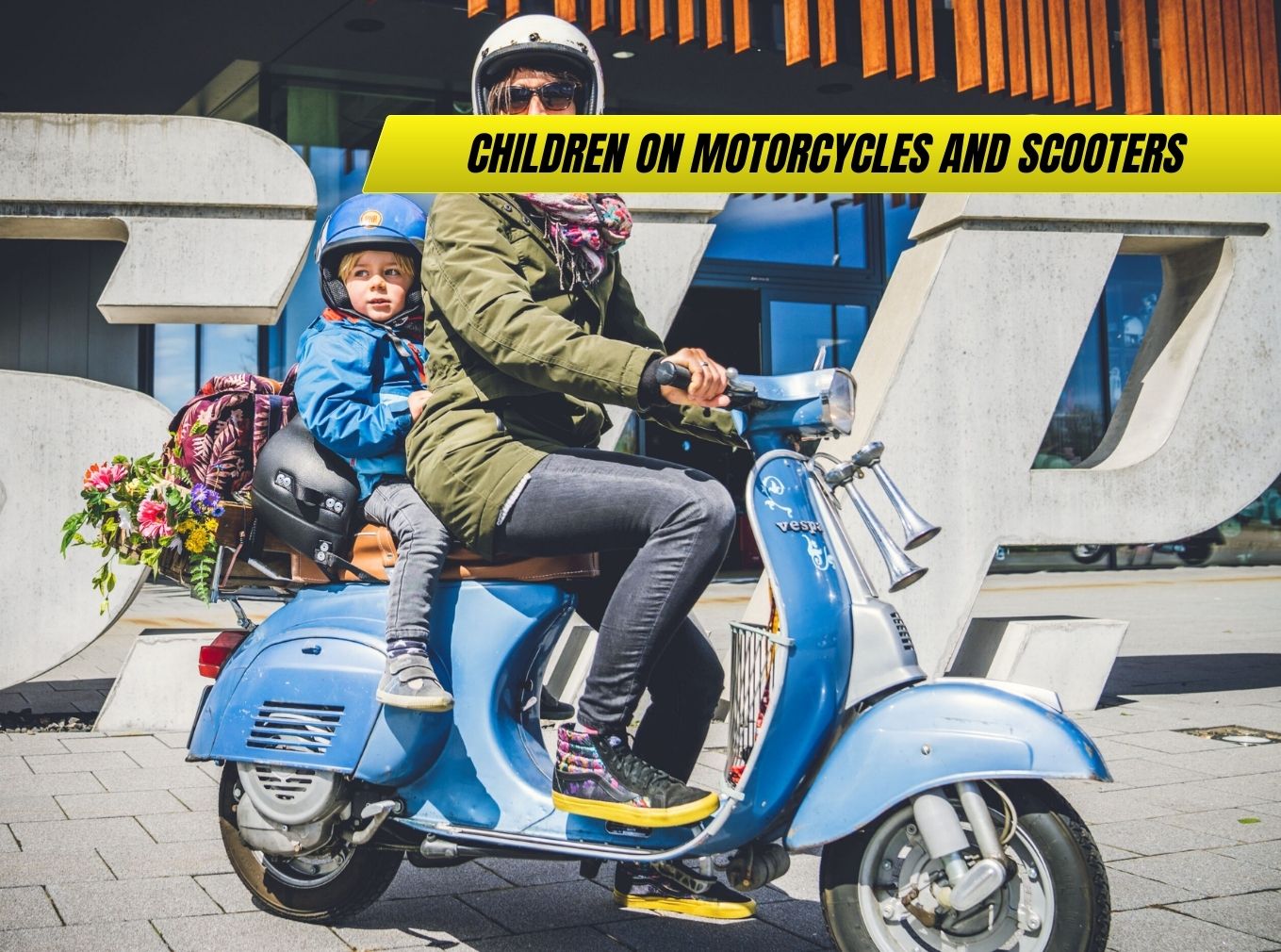
Complete UK guide to children on motorcycles and scooters. Legal requirements, age limits, safety equipment, and practical advice for responsible riding.
Carrying children as passengers on motorcycles and scooters involves complex legal requirements and safety considerations that every UK rider must understand before making this decision. While there’s no specific minimum age limit in UK law, the practical and safety requirements mean that children must meet strict physical and maturity criteria to travel safely as pillion passengers.
This comprehensive guide explains all UK legal requirements, safety equipment obligations, age-related considerations, and practical advice for riders considering carrying child passengers. Understanding these requirements ensures compliance with the law while prioritizing the safety and welfare of young passengers on Britain’s roads.
Key Points Summary
• No minimum age limit exists in UK law, but practical restrictions apply • Physical requirements – child must reach footrests and hold on securely • Mandatory helmet must fit properly and meet British safety standards
• Parental consent required for children under 17 years old • Full licence required – provisional licence holders cannot carry passengers • Insurance coverage must specifically include passenger liability
Understanding UK Legal Framework for Child Passengers
Current Legal Position
UK motorcycle law contains no specific minimum age requirement for pillion passengers, but Highway Code Rule 85establishes strict physical and safety criteria that effectively determine when children can safely travel as passengers. The legislation focuses on capability rather than age, requiring passengers to meet specific physical requirements regardless of their years.
Legal requirements under current UK law:
- Rider must hold full motorcycle licence (Category A1, A2, or A)
- Child must be able to sit astride the motorcycle on a proper seat
- Both feet must reach the designated footrests
- Passenger must face forward and be able to hold on securely
- Appropriate safety helmet must be worn and properly secured
- Parental consent required for passengers under 17 years old
Provisional licence holders are explicitly prohibited from carrying any passengers, regardless of age or relationship. This restriction remains in force until the rider passes their full motorcycle test and receives an unrestricted licence.
The Road Safety (Pillion Passengers) Bill 2005 reinforced these requirements by specifying that “the supports or rests for the feet of the pillion passenger shall be so placed that the passenger can place both feet thereon while sitting in a normal position.” This legislation effectively prevents very young children from legally travelling as passengers.
Insurance and Legal Liability
Motor insurance policies must explicitly cover passenger liability, as standard third-party coverage may not extend to pillion passenger claims. Policy exclusions commonly apply to passengers not properly secured or failing to meet legal requirements, potentially invalidating coverage entirely.
Rider liability extends beyond simple passenger injury to include duty of care obligations ensuring appropriate safety measures, equipment, and route selection when carrying children. Negligence claims can arise from inadequate safety provisions, inappropriate vehicle choice, or failing to assess passenger capability properly.
For essential information about motorcycle warning systems that ensure safe operation, our guide to spanner warning lights provides crucial diagnostic information.
Practical Age and Size Considerations
Physical Development Requirements
Physical capability typically develops around 8-10 years of age for most children, though individual development varies significantly. Height requirements generally mean children need to reach approximately 4 feet 9 inches (145cm) to comfortably and safely access standard motorcycle footrests and seating positions.
Essential physical capabilities include:
- Sufficient leg length to reach footrests from proper seating position
- Upper body strength to maintain secure grip during acceleration and braking
- Core stability to remain balanced during cornering and direction changes
- Coordination to respond appropriately to rider instructions and movements
- Adequate attention span to maintain focus throughout the journey
Individual assessment proves more important than chronological age, as children develop physically and mentally at different rates. Parental judgment regarding maturity, physical capability, and understanding of safety requirements should guide decisions rather than arbitrary age thresholds.
Maturity and Understanding Requirements
Mental maturity requirements extend beyond physical capability to include understanding of safety responsibilities, ability to follow instructions consistently, and comprehension of potential dangers. Impulsive behavior common in younger children can create dangerous situations requiring mature passengers who understand their role.
Key maturity indicators:
- Ability to follow safety instructions consistently
- Understanding of the need to hold on securely at all times
- Capacity to remain still and avoid distracting movements
- Comprehension of basic road safety principles
- Emotional maturity to handle potentially frightening situations
Communication skills prove essential for passenger safety, requiring children to understand and respond to basic instructions about positioning, holding on, and emergency procedures. Fear management also requires sufficient maturity to cope with the motorcycle experience without panic or dangerous reactions.
Safety Equipment Requirements and Standards
Helmet Standards and Fitting
Motorcycle helmets represent the only legally mandatory safety equipment for all motorcycle passengers, including children. British Standard BS 6658:1985 or ECE 22.05/22.06 approval ensures helmets meet minimum safety requirements, with proper sizing and fitting critical for protection effectiveness.
Helmet requirements for children:
- Must meet British safety standards (BS 6658:1985 or ECE 22.05/22.06)
- Correct size ensuring snug fit without movement
- Chin strap properly fastened and adjusted
- Visor clean and in good condition
- No damage to shell, liner, or retention system
Proper fitting requires professional assessment, as incorrectly sized helmets provide inadequate protection and may become projectiles during impacts. Adult helmets should never be used for children, as the size difference compromises protection and may cause neck injuries during accidents.
Replacement schedules should follow manufacturer guidelines, typically every 3-5 years or after any impact, regardless of visible damage. Growth considerations for children mean more frequent replacement to maintain proper fit and protection levels.
Protective Clothing Recommendations
While protective clothing isn’t legally mandated beyond helmets, best practice guidelines strongly recommend comprehensive protection for all passengers, particularly children who may be more vulnerable to road surface injuries.
Recommended protective equipment:
- Long-sleeved jacket or motorcycle-specific upper body protection
- Long trousers (preferably reinforced or motorcycle-specific)
- Closed-toe footwear with ankle protection
- Gloves providing grip and hand protection
- High-visibility clothing for enhanced conspicuity
Quality considerations should prioritize abrasion resistance, impact protection, and proper fit over fashion considerations. Bright colors and reflective elements enhance visibility, particularly important for smaller passengers who may be less visible to other road users.
Weather protection requires appropriate clothing selection for conditions, including waterproof outer layers and warm clothing for cold weather riding. Overheating prevention during hot weather necessitates breathable materials and adequate ventilation.
Vehicle Suitability and Technical Requirements
Motorcycle Specifications for Passenger Carrying
Motorcycle design must specifically accommodate passengers, with proper seating and footrests positioned for safe passenger use. Manufacturer specifications detail maximum passenger weight limits, seating requirements, and any modifications necessary for passenger carrying.
Technical requirements include:
- Designated passenger seat (not temporary or improvised seating)
- Properly positioned footrests for passenger use
- Adequate grab handles or secure holding points
- Compliance with manufacturer’s maximum weight limits
- Appropriate suspension settings for two-up riding
Weight distribution significantly affects motorcycle handling, braking, and stability. Manufacturer recommendations typically include increased tyre pressures, suspension adjustments, and potential load restrictions when carrying passengers.
Engine size considerations affect suitability for passenger carrying, with larger engines generally providing better performance and stability when loaded. Small capacity motorcycles (under 250cc) may struggle with passenger weight, particularly on hills or during acceleration.
Modifications and Adjustments
Passenger-specific modifications may be necessary to safely accommodate children, including adjustable footrests, additional grab handles, or seat modifications to improve security and comfort. Professional installation ensures modifications meet safety standards and don’t compromise vehicle integrity.
Common modifications include:
- Adjustable or repositioned footrests for shorter legs
- Additional grab rails or handles for security
- Seat modifications for improved passenger positioning
- Communication systems for rider-passenger coordination
- Additional lighting for enhanced visibility
Legal compliance requires any modifications to maintain roadworthiness standards and not compromise safety systems. Insurance notification may be required for significant modifications, with potential policy implications if modifications aren’t disclosed.
For guidance on selecting appropriate motorcycles for family use, our comprehensive guide to best family SUVsexplores practical alternatives, while motorcycle-specific guidance focuses on touring and passenger-friendly options.
Practical Safety Guidelines and Best Practices
Pre-Ride Safety Checks and Preparation
Comprehensive preparation extends beyond basic motorcycle checks to include passenger-specific considerations, safety briefings, and equipment verification. Route planning should prioritize safer roads, avoid heavy traffic, and include frequent stops for passenger comfort and confidence building.
Essential pre-ride procedures:
- Complete motorcycle safety inspection including tyres, brakes, and controls
- Verify passenger safety equipment fits properly and is correctly fastened
- Conduct passenger safety briefing covering holding on, positioning, and communication
- Plan appropriate route avoiding high-speed roads for initial rides
- Ensure fuel levels allow for reduced efficiency when carrying passengers
Safety briefings should cover passenger responsibilities, emergency procedures, and communication methods. Practice sessions in safe, controlled environments help establish passenger confidence and communication before venturing onto public roads.
Emergency procedures require passenger understanding of appropriate responses to sudden stops, mechanical problems, or accident situations. Communication systems may include hand signals, intercom systems, or pre-arranged verbal cues for essential communication during riding.
Riding Techniques for Passenger Safety
Passenger-carrying techniques differ significantly from solo riding, requiring smoother inputs, increased following distances, and modified cornering approaches to maintain passenger security and comfort. Acceleration and braking must be more gradual to prevent passenger sliding or loss of grip.
Key technique modifications:
- Smoother throttle, brake, and steering inputs to avoid unsettling passengers
- Increased following distances to allow for longer braking distances
- Reduced cornering speeds to maintain passenger confidence and security
- More frequent stops for passenger comfort and fatigue management
- Heightened awareness of passenger movements and reactions
Communication during riding enables passengers to indicate discomfort, fear, or problems requiring immediate attention. Regular checks through mirrors or brief stops help ensure passenger wellbeing and continued confidence.
Route selection should prioritize passenger comfort and safety over riding enjoyment, avoiding challenging roads, heavy traffic, and high-speed sections until passenger experience develops.
Age-Specific Considerations and Recommendations
Young Children (8-12 Years)
Younger passengers require maximum attention to safety equipment, route selection, and riding technique. Limited physical development may necessitate modified equipment or additional safety measures beyond standard requirements.
Specific considerations for younger children:
- Professional helmet fitting essential due to rapid growth
- Shorter journey durations to prevent fatigue and discomfort
- Simpler routes avoiding complex traffic situations
- Enhanced communication systems for confidence and safety
- More frequent stops for comfort and reassurance
Development monitoring ensures continued suitability as children grow, requiring regular reassessment of equipment fit and passenger capability. Educational approaches help children understand their safety responsibilities and develop good passenger habits.
Teenagers (13-17 Years)
Teenage passengers typically possess sufficient physical development for safe travel but may present different challenges including risk-taking behavior, distraction, and overconfidence in their capabilities.
Teenage passenger management:
- Clear establishment of safety rules and consequences
- Recognition of peer pressure influences on behavior
- Appropriate route progression as experience develops
- Discussion of risks and responsibilities
- Involvement in safety equipment selection and maintenance
Progression planning can include gradual introduction to more challenging routes and conditions as experience and confidence develop. Independence preparation may eventually lead to teenager’s own motorcycle training and licensing.
Insurance and Legal Considerations
Insurance Coverage Requirements
Comprehensive insurance coverage for passenger liability extends beyond basic third-party requirements to include passenger injury compensation, passenger medical expenses, and potential liability for passenger-related incidents. Policy exclusions commonly apply to inadequately equipped or improperly secured passengers.
Essential insurance considerations:
- Passenger liability coverage adequate for serious injury claims
- Medical expense coverage for passenger treatment
- Legal expense coverage for passenger-related incidents
- Coverage validation for modified vehicles or equipment
- Geographic coverage for intended riding areas
Claims implications following passenger injuries can be substantial, with duty of care responsibilities potentially creating liability beyond standard traffic accident scenarios. Professional advice proves valuable for riders regularly carrying passengers, particularly children.
Legal Liability and Responsibility
Rider responsibility extends beyond vehicle operation to include passenger welfare, safety equipment adequacy, and appropriate risk assessment. Negligence claims may arise from inadequate safety provisions, inappropriate vehicle choice, or failing to assess passenger suitability properly.
Parental consent requirements for passengers under 17 create additional legal considerations, particularly regarding liability limitation and emergency decision-making authority. Written consent documentation may prove valuable for regular passenger arrangements.
Emergency Procedures and Risk Management
Emergency Response Planning
Emergency procedures require passenger understanding of appropriate responses to mechanical failures, accidents, or medical emergencies. Communication systems must enable rapid assistance requests and location identification during emergencies.
Essential emergency preparations:
- Passenger understanding of emergency stop procedures
- Communication systems for assistance requests
- Emergency contact information readily available
- First aid knowledge and equipment for rider
- Breakdown recovery arrangements including passenger transportation
Medical emergency responses require consideration of passenger capability to summon help or provide assistance. Lone rider concerns are amplified when carrying passengers who may be unable to help during emergencies.
Risk Assessment and Management
Ongoing risk assessment should consider changing conditions, passenger fatigue, weather changes, and route challenges. Dynamic decision-making may require route changes, earlier stops, or journey termination based on developing conditions.
Risk factors requiring particular attention:
- Weather deterioration affecting visibility or road conditions
- Traffic density increases creating more complex riding conditions
- Passenger fatigue or discomfort affecting concentration
- Mechanical issues potentially compromising safety
- Time pressures encouraging inappropriate risk-taking
For comprehensive vehicle troubleshooting that ensures safe operation, our detailed guide to AdBlue warning lightsprovides essential diagnostic information, though diesel systems are less common in motorcycles.
Frequently Asked Questions
What is the minimum age for children to ride as passengers on motorcycles in the UK? UK law doesn’t specify a minimum age, but children must meet physical requirements including reaching footrests, sitting properly astride the seat, and holding on securely. Most children can meet these requirements around 8-10 years old, though individual development varies. Physical capability and maturity matter more than chronological age.
Can learner riders carry children as passengers? No, provisional licence holders are prohibited from carrying any passengers regardless of age or relationship. Only riders with full motorcycle licences (Category A1, A2, or A) can legally carry passengers. This restriction applies to all learner riders regardless of experience or passenger age.
Do children need special motorcycle helmets or can they use bicycle helmets? Children must wear motorcycle helmets meeting British standards (BS 6658:1985 or ECE 22.05/22.06). Bicycle helmets don’t provide adequate protection for motorcycle use and aren’t legally acceptable. Proper sizing is crucial – adult helmets should never be used for children as they compromise protection.
Is parental consent required for children riding as motorcycle passengers? Yes, parental consent is required for passengers under 17 years old. This applies even when riding with parents or guardians on other motorcycles. Written consent documentation may be advisable for regular arrangements with non-parent riders. Operating without proper consent constitutes a legal offence.
What safety equipment is legally required for child passengers? Only properly fitted, standards-compliant helmets are legally mandatory. However, protective clothing including gloves, boots, long trousers, and protective jackets is strongly recommended. High-visibility clothing enhances safety, particularly for smaller passengers who may be less visible to other road users.
Can children ride on motorcycle sidecars instead of as pillion passengers? Sidecar travel may be suitable for younger children who can’t safely ride as pillion passengers. However, proper restraint systems, helmets, and age-appropriate seating arrangements remain essential. Sidecar regulations differ from pillion passenger rules, potentially allowing younger passengers with appropriate safety measures.
How does carrying a child passenger affect motorcycle insurance? Insurance policies must specifically cover passenger liability, which may not be included in basic coverage. Carrying passengers without appropriate coverage can invalidate policies entirely. Notify insurers about regular passenger carrying, particularly with children, as this may affect premiums but ensures proper coverage.
Conclusion and Safety Recommendations
Carrying children as motorcycle passengers requires careful consideration of legal requirements, safety obligations, and individual child capability that extends far beyond simple age considerations. While UK law doesn’t impose minimum age limits, the practical safety requirements effectively determine when children can safely travel as passengers.
In my experience advising riders on passenger safety, the most important factors are honest assessment of child capability, appropriate safety equipment, and graduated introduction to motorcycle travel starting with short, simple journeys in ideal conditions. Rushing this process or compromising on safety equipment creates unnecessary risks for vulnerable passengers.
The responsibility of carrying child passengers encompasses not only legal compliance but also moral obligations to ensure their safety, comfort, and positive introduction to motorcycling. This responsibility includes investing in proper safety equipment, developing appropriate riding techniques, and continuously assessing passenger suitability as conditions change.
Looking ahead, technological developments in protective equipment, communication systems, and motorcycle safety features continue to enhance passenger safety options. However, these advances cannot substitute for good judgment, appropriate preparation, and prioritizing safety over convenience or adventure.
The key message for UK riders is that carrying child passengers represents a significant responsibility requiring legal compliance, appropriate equipment, suitable vehicles, and modified riding techniques. Success depends on honest assessment of all factors involved, comprehensive preparation, and continuous attention to passenger welfare throughout the riding experience.
For riders committed to sharing their passion for motorcycling with children, following these guidelines provides the foundation for safe, enjoyable experiences that may inspire lifelong interest in motorcycling while maintaining the highest safety standards. The investment in proper preparation, equipment, and technique development proves essential for successful and responsible passenger carrying.





