
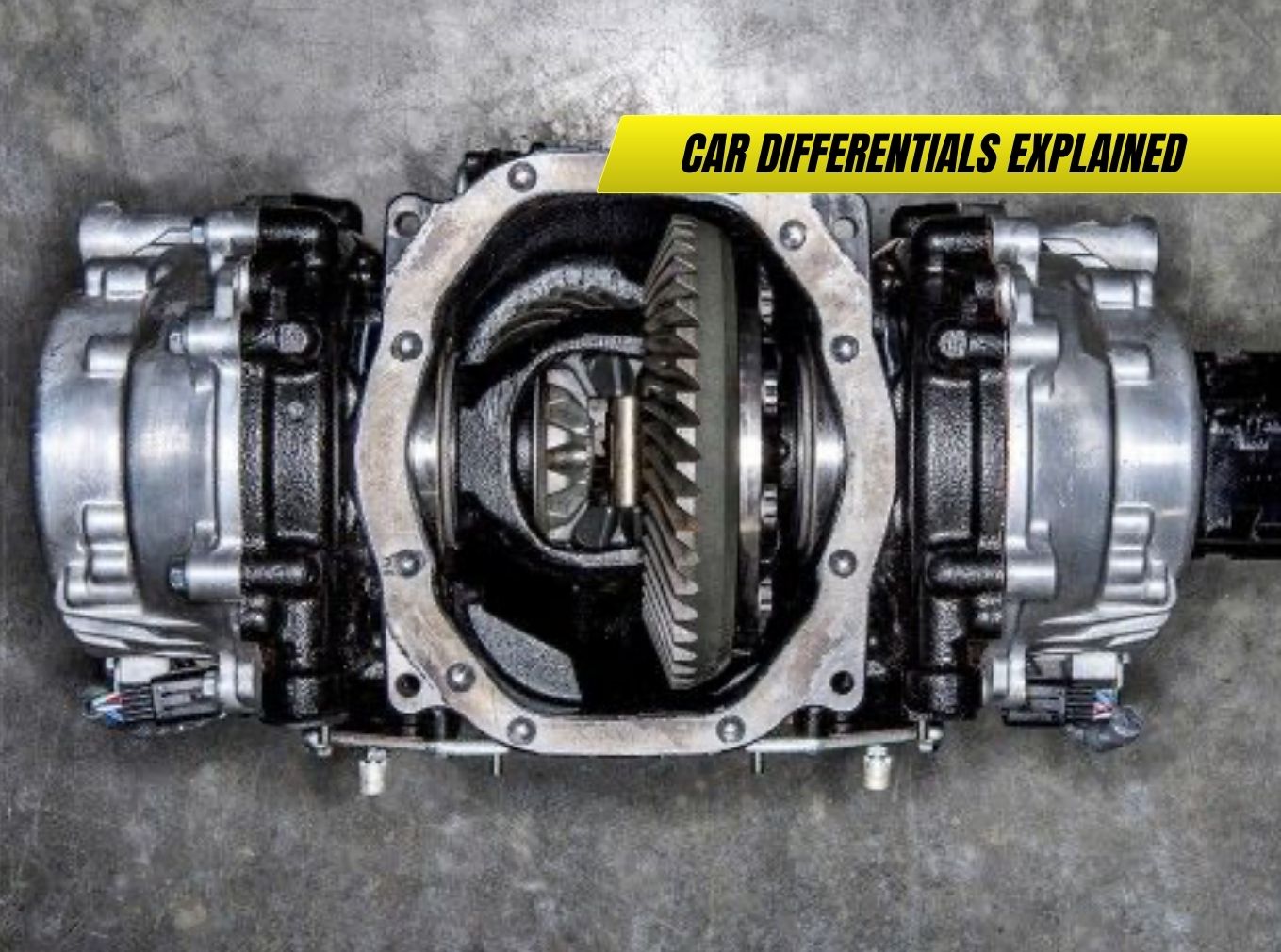
Discover how car differentials work, types available, and maintenance tips. Complete UK driver’s guide to LSD, open differentials, and electronic systems in 2025.
Understanding your car’s differential system is crucial for every UK driver, whether you’re navigating tight London streets or tackling challenging Welsh mountain roads. The differential is one of your vehicle’s most important but often overlooked components, directly affecting handling, safety, and tyre wear. In this comprehensive guide, we’ll explore everything you need to know about differentials, from basic functionality to advanced electronic systems found in modern vehicles.
Key Points Summary
- Essential component: Differentials allow wheels to rotate at different speeds during cornering
- Multiple types available: Open, limited-slip, locking, and electronic differentials each serve different purposes
- Maintenance matters: Regular servicing can prevent costly repairs and extend component life
- Performance impact: The right differential type significantly affects vehicle handling and safety
- UK-specific considerations: Different systems suit various British driving conditions and vehicle types
- Cost implications: Differential repairs can be expensive, making preventive maintenance essential
Understanding Car Differentials: The Basics
A car differential is a mechanical device that allows the drive wheels to rotate at different speeds while maintaining power delivery to both wheels. This functionality becomes essential when cornering, as the outer wheel must travel further than the inner wheel. Without a differential, one wheel would be forced to slip, causing excessive tyre wear, poor handling, and potential damage to the drivetrain.
The differential sits between the drive wheels and receives power from the transmission through the driveshaft. Inside the differential housing, a complex arrangement of gears distributes torque between the wheels while accommodating speed differences. This ingenious system ensures smooth cornering and optimal traction in various driving conditions.
From my experience testing vehicles across different UK terrains, a well-functioning differential makes an enormous difference in vehicle behaviour. Modern cars rely heavily on sophisticated differential systems to deliver the refined driving experience we expect today. Understanding differential types becomes particularly relevant when choosing between the best family SUVs or affordable options under £30,000, as different vehicle categories often feature distinct differential technologies.
Types of Differentials Available in UK Vehicles
Open Differentials
The most common type found in standard passenger cars, open differentials provide basic functionality for everyday driving. They automatically direct power to the wheel with the least resistance, making them ideal for normal road conditions. However, this characteristic becomes a disadvantage in low-grip situations, where power may be sent entirely to a spinning wheel.
Advantages:
- Simple, reliable design
- Lower manufacturing costs
- Smooth operation in normal conditions
- Minimal maintenance requirements
Disadvantages:
- Poor performance in slippery conditions
- Power loss to spinning wheels
- Limited off-road capability
Limited-Slip Differentials (LSD)
Limited-slip differentials represent a significant upgrade over open systems, using various mechanisms to limit speed differences between wheels. When one wheel begins to spin, the LSD automatically transfers more power to the wheel with better grip. This technology is increasingly common in performance cars and SUVs sold in the UK market.
I would recommend LSD-equipped vehicles for drivers who frequently encounter challenging conditions, such as steep hills in Scotland or wet country lanes throughout Britain. The improved traction and stability make a noticeable difference in these situations. Many modern diesel SUVs feature advanced differential systems specifically designed for challenging terrain, while electric alternatives in our guide to the best cheap electric SUVs increasingly incorporate electronic torque vectoring for superior control.
Locking Differentials
Primarily found in off-road vehicles and commercial trucks, locking differentials can completely lock both wheels together, ensuring equal power distribution. This feature proves invaluable for serious off-road driving or when maximum traction is essential. However, locked differentials must be disengaged for normal road driving to prevent drivetrain damage and excessive tyre wear.
Electronic Differentials and Torque Vectoring
Modern vehicles increasingly feature electronic differential systems that use sensors and computer control to optimise power distribution. These systems can react much faster than mechanical alternatives, providing superior handling and stability. Many premium vehicles sold in the UK now incorporate torque vectoring technology, which can actively transfer power between wheels to enhance cornering performance.
How Differentials Impact Vehicle Performance
The differential type significantly influences various aspects of vehicle behaviour, particularly in challenging conditions common throughout the UK. During wet weather, which accounts for approximately 150 days annually in most British regions, differential performance becomes crucial for maintaining control and safety.
Traction and Grip Different differential types handle low-grip situations very differently. Open differentials may struggle on wet roundabouts or hill starts, while limited-slip systems provide much better traction. Electronic systems offer the most sophisticated response, constantly adjusting power distribution based on road conditions.
Fuel Economy Considerations The differential type can also impact fuel consumption, though the effect varies depending on driving conditions. Mechanical limited-slip differentials may create slight additional drag, while electronic systems optimise power delivery for maximum efficiency. Given current UK fuel prices, this consideration becomes increasingly relevant for cost-conscious drivers.
Handling Characteristics From my point of view, the differential dramatically affects how a vehicle handles, particularly when navigating the varied road conditions found across Britain. A well-designed differential system enhances confidence when tackling challenging routes, whether that’s the winding roads of the Lake District or busy urban environments.
Differential Maintenance and Common Problems
Regular differential maintenance is essential for longevity and performance, yet many UK drivers overlook this important service item. The differential oil should typically be changed every 30,000-60,000 miles, depending on the manufacturer’s recommendations and driving conditions. Just like understanding timing chain maintenance, differential servicing forms part of comprehensive vehicle care that prevents expensive repairs.
Warning Signs of Differential Problems
Unusual Noises Whining, grinding, or clicking sounds during cornering often indicate differential wear or damage. These symptoms should be investigated promptly to prevent more serious and expensive problems. Similar to how the spanner warning light alerts drivers to potential issues, unusual differential noises require immediate professional attention.
Vibration and Handling Issues Excessive vibration, particularly during acceleration or cornering, may suggest differential problems. Changes in handling characteristics, such as the vehicle pulling to one side, can also indicate issues.
Fluid Leaks Differential oil leaks are relatively common in older vehicles and should be addressed quickly. Low fluid levels can cause rapid wear and complete failure of internal components.
Maintenance Best Practices
I recommend having the differential inspected during regular services, particularly in vehicles approaching high mileage. The relatively modest cost of preventive maintenance far outweighs the expense of major repairs or replacement.
Professional servicing becomes particularly important for limited-slip and electronic differentials, which require specific procedures and fluids. Using incorrect oil types can damage clutch packs or electronic components, leading to expensive repairs. The DVLA vehicle testing standards include drivetrain components, making proper maintenance essential for MOT compliance. For comprehensive technical information about automotive differentials, the Society of Motor Manufacturers and Traders provides detailed industry guidance on maintenance standards and best practices.
Choosing the Right Differential for UK Conditions
Selecting the appropriate differential type depends on your specific driving requirements and the conditions you regularly encounter. For most UK drivers, a standard open differential provides adequate performance for daily commuting and general road use.
However, if you frequently drive in challenging conditions – such as steep hills, unpaved roads, or areas prone to snow and ice – investing in a limited-slip differential or all-wheel-drive system with advanced differential technology makes considerable sense. When comparing options, consider vehicles from our best cars under £25,000 guide, many of which offer sophisticated differential systems as standard equipment.
Urban Driving City drivers primarily benefit from smooth, quiet operation rather than maximum traction capability. Open differentials typically provide the best balance of refinement and cost-effectiveness for urban use.
Rural and Mountainous Areas
Drivers in areas like the Scottish Highlands, Welsh valleys, or the Yorkshire Dales will appreciate the enhanced traction provided by limited-slip or electronic differential systems. The improved capability in challenging conditions enhances both safety and confidence.
Performance Applications Enthusiastic drivers who enjoy spirited driving on country roads will benefit significantly from advanced differential technology. Torque vectoring systems, in particular, can dramatically improve cornering performance and overall driving enjoyment.
Cost Considerations and Value for Money
Differential-related repairs can be expensive, with major overhauls potentially costing £1,000-£3,000 depending on the vehicle and system complexity. Electronic systems, while offering superior performance, typically cost more to repair when problems occur.
When purchasing a used vehicle, the differential condition should be part of your inspection checklist. A well-maintained differential system can provide many years of trouble-free service, while a neglected unit may require immediate attention.
Insurance considerations also come into play, as some high-performance differential systems may affect premiums. It’s worth checking with your insurer when considering vehicles with advanced differential technology.
Future Developments in Differential Technology
The automotive industry continues to evolve differential technology, with electric vehicles presenting new opportunities and challenges. Electric motors’ instant torque delivery and precise control capabilities enable even more sophisticated differential systems.
Many electric vehicles use individual motors for each wheel, effectively creating electronic differentials with unprecedented control over power distribution. This technology promises to deliver superior performance while maintaining the efficiency that electric vehicle owners expect.
Frequently Asked Questions
What does a car differential do?
A car differential allows the drive wheels to rotate at different speeds while cornering, preventing tyre scrub and drivetrain stress. It automatically distributes power between the wheels based on resistance and road conditions.
How do I know if my differential needs attention?
Common signs include unusual noises during cornering, vibration, handling changes, or visible fluid leaks. Any of these symptoms warrant professional inspection to prevent more serious damage.
What’s the difference between open and limited-slip differentials?
Open differentials send power to the wheel with least resistance, while limited-slip differentials can transfer power to the wheel with better grip. Limited-slip systems provide superior traction in challenging conditions.
How much does differential maintenance cost in the UK?
Basic differential service (oil change) typically costs £80-£150, while major repairs can range from £500-£3,000 depending on the system complexity and extent of damage required.
Do all cars have differentials?
Most cars have at least one differential (usually rear or front), while all-wheel-drive vehicles typically have three differentials (front, rear, and centre). The configuration depends on the drivetrain layout.
Can I upgrade my car’s differential?
Aftermarket differential upgrades are possible for some vehicles, though costs can be substantial. Professional installation is essential, and the modification may affect insurance and warranty coverage.
How long do differentials typically last?
With proper maintenance, differentials can last 150,000+ miles. However, severe operating conditions, lack of maintenance, or component defects can significantly reduce service life.
Conclusion
Understanding your vehicle’s differential system enhances both your driving knowledge and ability to maintain your car effectively. Whether you drive a simple city car with an open differential or a performance vehicle with advanced torque vectoring, regular maintenance and awareness of system capabilities will serve you well.
In my experience, investing in appropriate differential technology for your driving needs pays dividends in terms of safety, performance, and long-term reliability. As vehicle technology continues advancing, differentials remain fundamental to delivering the refined, capable driving experience we expect from modern cars.
For UK drivers, the varied road conditions and weather patterns make understanding differential behaviour particularly valuable. From navigating wet roundabouts to tackling steep hill starts, your differential works constantly to maintain traction and control – making it worthy of your attention and care.





