
Comprehensive guide to ABS braking systems for UK drivers. Learn how anti-lock brakes work, maintenance tips, and MOT requirements in 2025.
The Anti-lock Braking System (ABS) represents one of the most significant safety advances in automotive history, yet many UK drivers don’t fully understand how this life-saving technology works. Whether you’re navigating wet motorways, emergency braking in urban traffic, or tackling challenging conditions on country roads, ABS plays a crucial role in maintaining vehicle control and preventing accidents. This comprehensive guide explains everything UK drivers need to know about ABS systems, from basic operation principles to maintenance requirements and MOT implications.
Key Points Summary
- Safety essential: ABS prevents wheel lockup during emergency braking, maintaining steering control
- Legal requirement: Mandatory on all UK vehicles registered after 2004
- MOT critical: ABS malfunction results in automatic MOT failure
- Weather advantage: Particularly beneficial in wet conditions common throughout Britain
- Maintenance matters: Regular brake system servicing ensures optimal ABS performance
- Warning recognition: Dashboard lights and unusual pedal feel indicate potential ABS issues
Understanding ABS Technology and Operation
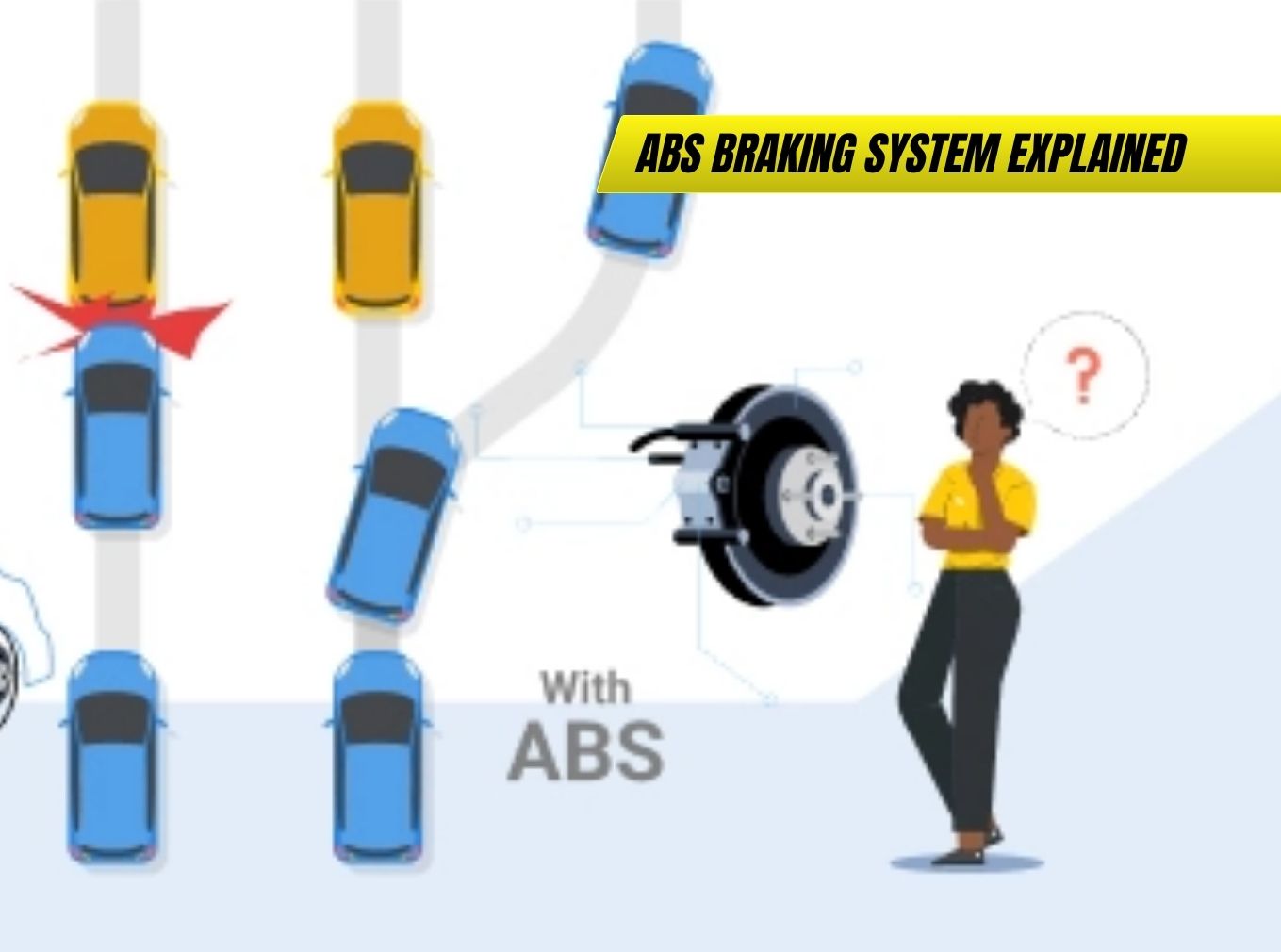
Anti-lock Braking System technology prevents wheels from locking during heavy braking, allowing drivers to maintain steering control while achieving maximum braking effectiveness. The system continuously monitors wheel speed through electronic sensors, detecting when a wheel begins to decelerate too rapidly compared to the others.
When the ABS control module identifies potential wheel lockup, it rapidly modulates brake pressure to that specific wheel, typically cycling between applying and releasing pressure 15-20 times per second. This rapid pulsation creates the characteristic pedal vibration that drivers feel during ABS activation, often accompanied by audible clicking or buzzing sounds from the brake system.
The fundamental principle behind ABS centres on the physics of tyre grip and stopping distances. A locked wheel loses almost all steering capability and actually increases stopping distances on most road surfaces. By preventing lockup, ABS maintains the optimal slip ratio between tyre and road surface, maximising both braking force and directional control.
From my experience testing various vehicles across different UK road conditions, ABS performance varies significantly between manufacturers and system sophistication levels. Modern systems integrate seamlessly with other safety technologies, while older implementations may feel more intrusive during activation.
ABS System Components and Architecture
Electronic Control Unit (ECU)
The ABS control module serves as the system’s brain, processing wheel speed data and commanding brake pressure adjustments. This sophisticated computer continuously compares wheel speeds, vehicle deceleration rates, and other parameters to determine when intervention is necessary.
Modern ABS ECUs integrate with broader vehicle stability systems, sharing data with traction control, electronic stability programme (ESP), and even advanced driver assistance features. The complexity of these integrated systems requires specialised diagnostic equipment for proper servicing and repair.
Wheel Speed Sensors
Each wheel incorporates a speed sensor that monitors rotational velocity, typically using magnetic or optical detection methods. These sensors must operate accurately across extreme conditions, from freezing winter temperatures to the heat generated during heavy braking.
Sensor contamination from road debris, corrosion, or damage frequently causes ABS malfunctions. Regular cleaning during routine maintenance helps prevent these issues, particularly important given UK road conditions involving salt, mud, and standing water.
Hydraulic Modulator Unit
The hydraulic modulator contains electronically controlled valves that regulate brake fluid pressure to each wheel independently. This unit represents the most complex and expensive component within the ABS system, incorporating high-precision solenoid valves and hydraulic pumps.
When ABS activates, the modulator rapidly cycles these valves to achieve the precise pressure control necessary for optimal braking. The unit’s complexity means repairs typically require complete replacement rather than individual component servicing.
ABS Performance in UK Driving Conditions
Wet Weather Advantages
Britain’s frequent rainfall makes ABS particularly valuable for UK drivers, as wet road surfaces dramatically reduce tyre grip levels. On wet tarmac, locked wheels can cause complete loss of vehicle control, making ABS intervention crucial for maintaining safety.
Testing data demonstrates that ABS can reduce stopping distances by 20-30% on wet surfaces compared to locked wheels, while simultaneously preserving steering control. This combination proves especially important when navigating busy roundabouts or avoiding obstacles during emergency braking situations.
I would recommend understanding how ABS feels during activation, as the pedal pulsation and noise can be alarming for drivers experiencing it for the first time. The proper response involves maintaining firm, steady brake pressure while steering around obstacles if necessary.
Performance on Different Road Surfaces
ABS effectiveness varies considerably depending on road surface conditions. On dry tarmac, the system provides modest stopping distance improvements while maintaining steering control. However, on loose surfaces like gravel or snow, ABS may actually increase stopping distances compared to locked wheels.
Understanding these limitations becomes important when driving on varied UK terrain, from motorways to country lanes with different surface types. Modern ABS systems incorporate surface detection algorithms that adjust intervention strategies based on detected conditions.
Integration with Modern Safety Systems
Contemporary vehicles integrate ABS with broader stability and safety systems, creating comprehensive protection packages that work synergistically. Electronic Stability Programme (ESP) relies on ABS components and functionality to prevent skidding and loss of control during cornering.
Traction control systems use ABS wheel speed sensors and hydraulic modulators to prevent wheel spin during acceleration, particularly valuable when pulling away on slippery surfaces common throughout the UK. Many modern family SUVs feature sophisticated integration between these systems for enhanced all-weather capability.
Advanced Driver Assistance Systems (ADAS) increasingly depend on ABS components for functions like automatic emergency braking and collision avoidance. This integration means ABS system health directly impacts multiple vehicle safety features beyond basic braking performance.
Maintenance Requirements and Best Practices
Regular brake system maintenance becomes even more critical with ABS-equipped vehicles, as the system’s complexity introduces additional service requirements. Beyond standard brake pad and disc replacement, ABS systems require periodic brake fluid replacement and electronic system diagnostics.
Brake fluid contamination poses particular risks for ABS systems, as moisture absorption can cause internal corrosion within the hydraulic modulator unit. The high pressures and rapid cycling associated with ABS operation make the system especially sensitive to fluid degradation.
Professional servicing should include ABS system testing using diagnostic equipment capable of activating individual components and verifying sensor operation. Many issues that might seem minor in conventional brake systems can cause complete ABS failure, making professional diagnosis essential.
Similar to understanding timing chain maintenance schedules, ABS servicing requires attention to manufacturer specifications and service intervals. Neglecting these requirements can result in expensive repairs and compromised safety performance.
Common ABS Problems and Warning Signs
Dashboard Warning Lights
The ABS warning light represents the primary indicator of system problems, illuminating when the control module detects faults. Unlike some warning systems such as the spanner warning light, ABS warnings typically indicate immediate attention requirements.
When the ABS light remains illuminated, the system typically reverts to conventional braking operation, meaning emergency stops will lock the wheels. While basic braking capability remains, the safety advantages of ABS are lost until repairs are completed.
Unusual Brake Pedal Behaviour
Changes in brake pedal feel often indicate ABS-related problems, particularly if the pedal becomes spongy, travels further before engaging, or feels unusually firm. These symptoms may suggest issues with the hydraulic modulator, brake fluid contamination, or sensor malfunctions.
Unexpected pedal pulsation during normal braking (not emergency stops) can indicate ABS false activation caused by sensor problems or system faults. This condition requires immediate professional diagnosis to prevent potential safety risks.
Strange Noises and Vibrations
Unusual grinding, clicking, or buzzing sounds from the brake area may indicate ABS component wear or failure. While some noise during ABS activation is normal, persistent sounds during regular driving suggest service requirements.
Vibrations through the brake pedal or steering wheel during normal braking can indicate various ABS-related issues, from sensor problems to hydraulic system faults. These symptoms warrant prompt professional inspection.
MOT Requirements and Legal Compliance
ABS systems are subject to strict MOT testing requirements, with any detected malfunction resulting in automatic test failure. The DVLA MOT testing standards specifically include ABS functionality checks using specialised diagnostic equipment.
MOT testing includes verification of warning light operation, system response testing, and electronic diagnostic checks. Even minor ABS faults that don’t significantly affect braking performance can cause MOT failure, emphasising the importance of regular system maintenance.
For vehicles purchased from our guide to best cars under £25,000, ensuring ABS system health should form part of the pre-purchase inspection process. Repair costs for ABS systems can be substantial, making pre-purchase checks financially prudent.
Comparison Table: ABS vs Non-ABS Performance
| Condition | Non-ABS Stopping Distance | ABS Stopping Distance | Steering Control |
|---|---|---|---|
| Dry Tarmac | 100% (baseline) | 95-100% | Maintained |
| Wet Tarmac | 100% (baseline) | 70-80% | Maintained |
| Snow/Ice | 100% (baseline) | 90-110% | Maintained |
| Gravel | 100% (baseline) | 110-120% | Maintained |
Distances shown as percentage comparison to non-ABS baseline
ABS in Different Vehicle Categories
Performance and Sports Cars
High-performance vehicles typically feature sophisticated ABS systems with multiple intervention modes and integration with advanced stability systems. These systems often include track modes that modify ABS intervention thresholds for circuit driving conditions.
Racing-derived ABS systems found in sports cars provide more aggressive intervention strategies suited to high-performance driving, though they require more frequent maintenance due to increased system stress.
Family and Economy Vehicles
Standard family cars feature proven ABS technology optimised for everyday driving conditions, emphasising reliability and cost-effectiveness over ultimate performance. When considering options from guides like best SUVs under £30,000, ABS system quality varies between manufacturers and price points.
Economy vehicles may feature simpler ABS implementations with fewer sensors or less sophisticated control algorithms. While still effective for safety, these systems may feel less refined during activation compared to premium alternatives.
Electric and Hybrid Vehicles
Electric vehicles present unique challenges for ABS systems, as regenerative braking creates additional complexity in brake system coordination. Modern EVs feature integrated brake management systems that seamlessly blend regenerative and friction braking while maintaining ABS functionality.
The instant torque delivery characteristic of electric motors requires particularly sophisticated ABS calibration to prevent wheel spin and maintain control. Many vehicles from our best cheap electric SUVs guide feature advanced ABS systems specifically tuned for electric powertrain characteristics.
Future Developments in ABS Technology
ABS technology continues evolving with advances in sensor technology, computing power, and integration with autonomous driving systems. Next-generation systems incorporate predictive algorithms that anticipate braking requirements based on road conditions, traffic patterns, and driver behaviour.
Vehicle-to-vehicle communication systems will eventually allow ABS systems to receive advance warning of emergency braking situations, pre-conditioning the brake system for optimal response. These developments promise further improvements in both safety and braking performance.
The integration of artificial intelligence into ABS control algorithms enables systems to learn individual driver preferences and adapt intervention strategies accordingly. This personalisation could improve both safety and driver acceptance of system operation.
Cost Considerations and Value Analysis
ABS system repairs can be expensive, with hydraulic modulator replacement costs ranging from £800-£2,500 depending on vehicle type and system complexity. However, the safety benefits and insurance implications typically justify these costs from both financial and safety perspectives.
Many insurance companies offer discounts for ABS-equipped vehicles, recognising the system’s accident prevention benefits. When combined with the reduced accident risk, ABS systems provide clear value despite their higher maintenance requirements.
Preventive maintenance proves much more cost-effective than major repairs, making regular brake system servicing a wise investment. The Society of Motor Manufacturers and Traders provides guidance on maintenance standards and recommended service intervals for various ABS system types.
Frequently Asked Questions
What does ABS actually do during emergency braking?
ABS prevents wheel lockup by rapidly modulating brake pressure to each wheel, typically cycling 15-20 times per second. This maintains steering control while achieving maximum braking effectiveness, allowing drivers to steer around obstacles during emergency stops.
Is it normal to feel vibration in the brake pedal during ABS activation?
Yes, pedal pulsation and audible clicking or buzzing sounds are normal during ABS operation. These sensations indicate the system is working correctly, rapidly adjusting brake pressure to prevent wheel lockup.
Can I drive safely if my ABS warning light is on?
While basic braking capability remains when ABS fails, you lose the safety benefits of anti-lock braking. The vehicle will brake like older cars without ABS, meaning wheels can lock during hard braking. Seek professional service promptly.
Does ABS reduce stopping distances in all conditions?
No, ABS primarily maintains steering control rather than reducing stopping distances. On wet surfaces, ABS typically improves stopping distances, but on loose surfaces like snow or gravel, distances may actually increase compared to locked wheels.
How often should ABS systems be serviced?
ABS systems should be checked during regular brake servicing, typically every 12-24 months. Brake fluid replacement every 2-3 years is particularly important for ABS systems due to their sensitivity to fluid contamination.
What causes ABS systems to fail most commonly?
Wheel speed sensor problems account for the majority of ABS failures, often due to contamination, damage, or wiring issues. Brake fluid contamination and hydraulic modulator faults are also common, particularly in older vehicles.
Are there any situations where I should disable ABS?
Modern ABS systems should rarely be disabled, as they’re calibrated for various conditions. Some off-road situations might benefit from locked wheels for maximum stopping power in loose surfaces, but this requires significant driving experience to manage safely.
Conclusion
Understanding ABS technology empowers UK drivers to make informed decisions about vehicle safety, maintenance, and emergency braking techniques. While the system operates transparently during normal driving, recognising its operation and limitations can prove crucial during emergency situations.
In my experience, ABS represents one of the most cost-effective safety technologies available, providing significant accident prevention benefits for a relatively modest cost premium. The system’s integration with modern safety technologies makes it increasingly important as vehicles become more sophisticated.
For UK drivers, ABS systems offer particular value given our challenging weather conditions and varied road surfaces. The combination of safety benefits, legal requirements, and insurance implications makes ABS system maintenance a priority for responsible vehicle ownership. Regular servicing and prompt attention to warning signs ensure this vital safety system remains ready when needed most.





