
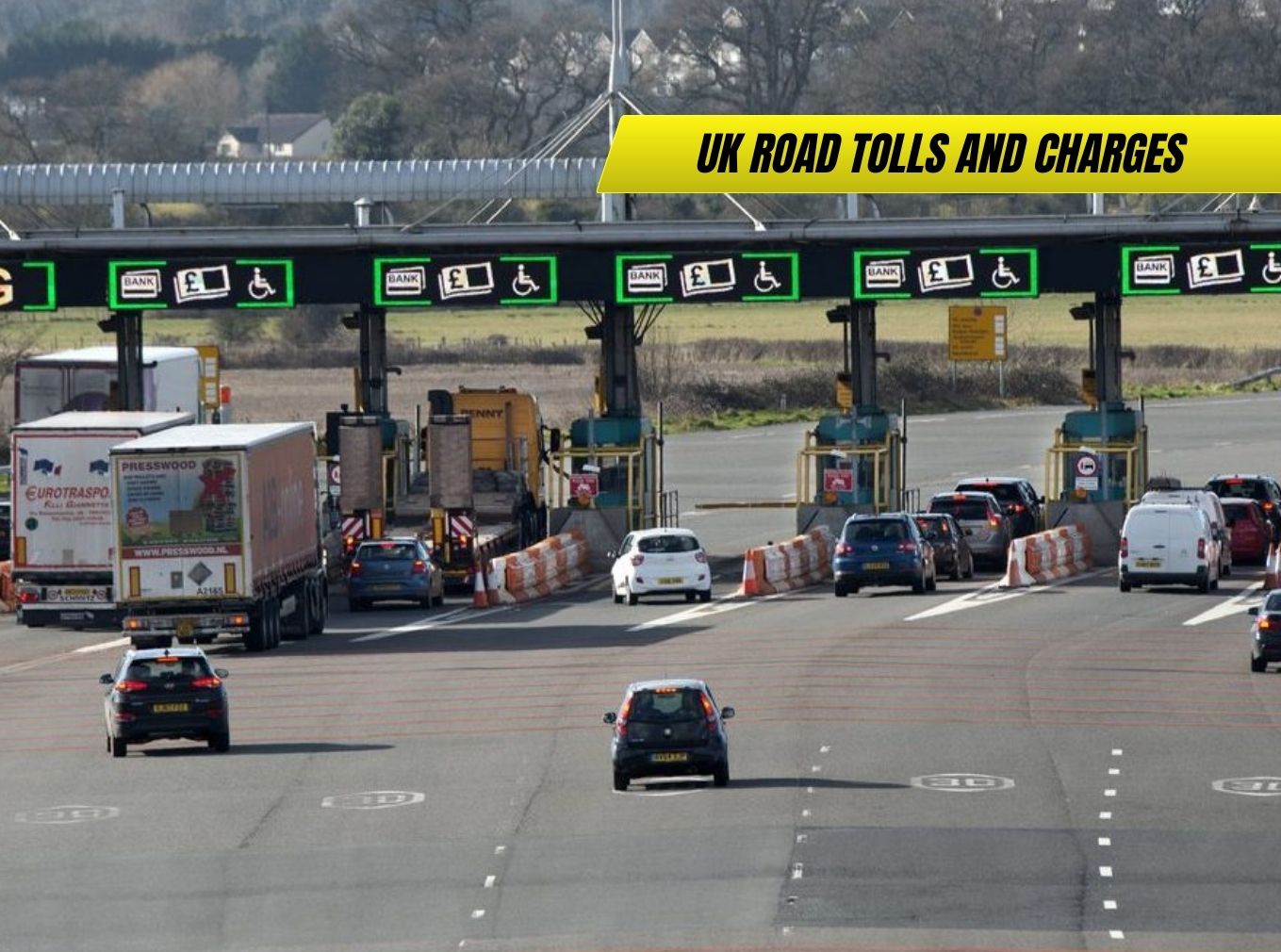
Complete UK road tolls guide for 2025. Toll roads, congestion charges, ULEZ fees, bridge crossings, and payment methods explained for drivers.
The UK’s road charging system combines traditional toll roads with modern urban charging schemes, creating a complex landscape of fees that can significantly impact journey costs and route planning. Understanding these various charges, payment methods, and avoidance strategies helps drivers navigate efficiently while minimizing unexpected costs. From the M6 Toll to London’s congestion charge and emerging clean air zones, this comprehensive guide explains everything UK drivers need to know about road tolls and charges in 2025.
Key Points Summary
- Multiple charging systems: Traditional tolls, congestion charges, emission zones, and bridge crossings each operate differently
- London charges dominant: Congestion charge and ULEZ represent the most significant urban charging schemes
- Payment complexity: Different systems require various payment methods and timing requirements
- Route alternatives: Most toll roads offer free alternative routes, though with longer journey times
- Expanding coverage: Clean air zones and emission-based charges continue expanding across UK cities
- Cost planning essential: Understanding charges helps budget journey costs and optimize route selection
Overview of UK Road Charging Systems
The UK operates several distinct road charging systems including traditional toll roads funded through user fees, urban congestion charges designed to manage traffic flow, emission-based zones targeting air quality improvement, and historic bridge crossings maintaining infrastructure through tolls.
Unlike many European countries with extensive toll networks, the UK primarily relies on fuel taxation and vehicle licensing for road funding, making direct charging relatively limited but concentrated in specific high-impact areas and premium routes.
Understanding the different charging philosophies helps drivers recognize why various systems exist and how they integrate with broader transport policy objectives including traffic management, environmental improvement, and infrastructure funding.
From my experience advising drivers on route planning, understanding UK charging systems prevents costly surprises while enabling informed decisions about route selection, timing, and payment methods for optimal journey outcomes.
Major UK Toll Roads
M6 Toll (Birmingham Northern Relief Road)
The M6 Toll represents the UK’s most significant toll motorway, providing a 27-mile alternative to the congested M6 through the Birmingham area. Understanding pricing and alternatives helps drivers make informed decisions about using this premium route.
M6 Toll Pricing Structure (2025):
| Vehicle Class | Peak Hours | Off-Peak Hours | Weekend/Holiday |
|---|---|---|---|
| Car | £7.50 | £6.70 | £6.70 |
| Small Van | £7.50 | £6.70 | £6.70 |
| Large Van/HGV | £15.00 | £13.40 | £13.40 |
| Motorcycle | £3.75 | £3.35 | £3.35 |
Payment Methods:
- Electronic toll collection via tags for regular users
- Contactless payment at toll plazas
- Cash payment still accepted at most plazas
- Mobile app payment options available
- Account-based payment for fleet operators
The M6 Toll offers significant time savings during peak periods, though cost-benefit analysis depends on journey frequency, time value, and fuel costs for alternative routes through Birmingham.
Dartford Crossing (M25)
The Dartford Crossing uses the Dart Charge system, requiring advance or same-day payment rather than traditional toll booths, creating unique payment requirements that catch unprepared drivers with penalty charges.
Dartford Crossing Charges:
- Cars: £2.50
- Motorcycles: Free
- Small vans: £3.00
- Large vans/HGVs: £6.00
- Payment required by midnight following day of crossing
The automated payment system eliminates traffic delays but requires understanding payment procedures to avoid £70 penalty charges for missed payments.
Regional Toll Roads and Crossings
Several regional toll roads and bridge crossings throughout the UK charge user fees for specific infrastructure, each with distinct pricing and payment arrangements.
Notable Regional Tolls:
- Severn Bridge crossings (recently removed but infrastructure remains)
- Mersey Tunnels serving Liverpool area
- Tyne Tunnel connecting North and South Tyneside
- Various smaller bridge and tunnel crossings
- Historic toll roads in Wales and Scotland
These regional charges typically reflect infrastructure maintenance costs while providing essential connectivity that might otherwise require significant detours.
London Charging Schemes
Congestion Charge Zone
London’s congestion charge operates in central London during specified hours, aiming to reduce traffic congestion while generating revenue for transport improvements. Understanding coverage, timing, and exemptions helps minimize costs while accessing central London.
Congestion Charge Details (2025):
- Standard charge: £15.00 per day
- Operating hours: 7:00 AM – 6:00 PM, Monday to Friday
- Weekend and bank holiday exemptions
- Various resident discounts and exemptions available
- Payment required by midnight following travel day
Payment Options:
- Online payment via Transport for London website
- Phone payment using automated systems
- Mobile app payment for convenience
- Auto pay accounts for regular users
- Retail outlet payment at selected locations
Understanding exemptions including electric vehicles, disabled drivers, and residents helps legitimate users avoid unnecessary charges while accessing central London services.
Ultra Low Emission Zone (ULEZ)
ULEZ charges vehicles not meeting emission standards across an expanded London area, creating significant cost implications for older vehicles while encouraging cleaner transport choices.
ULEZ Charges (2025):
- Cars, motorcycles, vans: £12.50 per day
- Lorries, coaches, specialist vehicles: £100.00 per day
- Operating hours: 24 hours, 7 days per week
- Coverage: Greater London area within M25 boundary
- Euro 6 diesel and Euro 4 petrol standards required for exemption
Vehicle Compliance:
- Free vehicle checker available online
- Euro standard requirements vary by vehicle type
- Classic vehicle exemptions for vehicles over 40 years old
- Disabled passenger vehicle exemptions available
- Retrofit options available for some non-compliant vehicles
ULEZ significantly affects vehicle choice for London area drivers, making emission standards a crucial consideration for vehicle purchases and route planning.
When evaluating vehicle options from guides like best family SUVs or best cars under £25,000, ULEZ compliance should be prioritized for drivers regularly accessing London areas.
Clean Air Zones and Emission Charges
Birmingham Clean Air Zone
Birmingham operates a Clean Air Zone charging non-compliant vehicles in the city center, following London’s model but with different boundaries, charges, and compliance standards.
Birmingham CAZ Charges:
- Cars and motorcycles: Currently suspended
- Vans and taxis: £8.00 per day
- Lorries, buses, coaches: £50.00 per day
- Operating hours: 24 hours, 7 days per week
Other UK Clean Air Zones
Various UK cities have implemented or plan Clean Air Zones with different charge structures, compliance requirements, and operational approaches reflecting local air quality needs and political priorities.
Operational and Planned CAZ Areas:
- Bath: Class C zone charging commercial vehicles
- Bradford: Planned implementation with phased introduction
- Sheffield: Under consideration with consultation processes
- Manchester: Planned Greater Manchester-wide charging zone
- Portsmouth: Limited area charging for commercial vehicles
Understanding Clean Air Zone development helps anticipate future charging implications for vehicle choice and route planning across different UK metropolitan areas.
Payment Systems and Technology
Electronic Payment Integration
Modern UK road charging increasingly relies on Automatic Number Plate Recognition (ANPR) technology combined with online and mobile payment systems, eliminating physical toll collection while requiring digital payment compliance.
Technology Integration Benefits:
- Reduced traffic delays through automated collection
- Multiple payment channel availability
- Account-based payment for regular users
- Integration with vehicle fleet management systems
- Real-time payment confirmation and receipt systems
Digital Payment Challenges:
- Payment deadline requirements creating penalty risks
- Multiple account systems for different charging schemes
- Technology barriers for less digitally confident users
- Mobile phone and internet access requirements
- Payment confirmation and dispute resolution processes
Understanding digital payment requirements helps drivers prepare for modern charging systems while avoiding penalties from missed or incorrect payments.
Account Management and Regular Users
Frequent users of charged roads benefit from account-based payment systems offering convenience, discounts, and automatic payment processing that eliminate daily payment requirements.
Account System Benefits:
- Automatic payment processing reducing administrative burden
- Volume discounts for frequent users
- Fleet management integration for commercial operators
- Payment history and expense tracking capabilities
- Priority customer service for account holders
Account setup requires initial investment in registration and payment method establishment but provides long-term convenience for regular users of charged infrastructure.
Route Planning and Cost Optimization
Alternative Route Analysis
Most UK toll roads and charged areas offer alternative routes, though these typically involve longer journey times or increased fuel consumption that must be weighed against direct charging costs.
Cost-Benefit Considerations:
- Time value versus toll charges for specific journeys
- Fuel costs for longer alternative routes
- Vehicle wear and congestion stress on free alternatives
- Journey reliability and predictability factors
- Parking and destination access considerations
Route analysis becomes particularly important for regular commuters and commercial operators where daily savings compound into significant annual cost differences.
Technology Tools and Apps
Various apps and technology tools help drivers navigate UK charging systems while optimizing routes and managing payments across different systems and operators.
Available Technology Solutions:
- Route planning apps with toll cost integration
- Payment apps for multiple charging systems
- Vehicle compliance checkers for emission zones
- Real-time traffic and charging zone updates
- Expense tracking tools for business users
Technology integration helps simplify the complexity of multiple charging systems while enabling informed decisions about route selection and payment timing.
Similar to using technology for vehicle maintenance tracking, charging system management benefits from systematic approaches and digital tools for optimal outcomes.
Commercial and Fleet Implications
Business Cost Management
Commercial operators face significant cost implications from UK road charging systems, requiring systematic approaches to route optimization, payment management, and cost recovery that may not be necessary for private drivers.
Commercial Considerations:
- Fleet vehicle specification for emission zone compliance
- Route optimization systems reducing unnecessary charges
- Payment account management across multiple systems
- Cost allocation and client charging for commercial journeys
- Tax implications and VAT recovery on business charges
Commercial charging costs often justify investment in fleet management systems, route optimization technology, and administrative processes that may not be cost-effective for individual drivers.
Vehicle Selection for Business Use
Commercial vehicle selection increasingly requires consideration of emission standards and charging zone compliance alongside traditional factors like payload, reliability, and purchase costs.
Fleet Specification Priorities:
- Euro 6 diesel or Euro 4 petrol standards for urban access
- Electric or hybrid alternatives for frequent urban use
- Vehicle size optimization balancing capacity with charge rates
- Technology integration for payment and route management
- Total cost of ownership including charging system costs
Understanding charging implications helps businesses make informed vehicle decisions while maintaining operational efficiency and cost control across different UK metropolitan areas.
Regional Variations and Future Developments
Scottish Charging Initiatives
Scotland continues developing road charging approaches including workplace parking levies and potential trunk road charging that may create additional cost considerations for Scottish drivers and visitors.
Scottish Developments:
- Workplace parking levy considerations in major cities
- Trunk road charging feasibility studies
- Integration with public transport funding strategies
- Environmental policy coordination with charging systems
- Cross-border consistency with English charging approaches
Scottish charging development reflects devolved transport policy while maintaining compatibility with broader UK systems for cross-border travel.
Welsh Charging Policies
Wales balances charging system development with rural access needs and economic development objectives, creating unique approaches to road charging that reflect Welsh political and geographic priorities.
Welsh Considerations:
- Rural access protection in charging system design
- Economic development implications of charging policies
- Integration with Welsh language requirements and accessibility
- Cross-border coordination with English charging systems
- Tourism impact assessment for charging implementations
Welsh charging development demonstrates how regional priorities influence charging system design while maintaining integration with broader UK transport networks.
Enforcement and Penalty Systems
Penalty Charge Procedures
UK road charging enforcement follows established procedures for penalty issue, payment, and appeal that vary between different charging systems while maintaining basic fairness and legal compliance standards.
Standard Penalty Procedures:
- Automatic penalty issue for non-payment or non-compliance
- Reduced penalty rates for early payment (typically 50% discount)
- Formal appeal procedures through independent tribunals
- Debt recovery procedures for unpaid penalties
- Court action for persistent non-compliance
Understanding penalty procedures helps drivers respond appropriately to enforcement action while protecting their legal rights during dispute resolution processes.
Appeal Rights and Dispute Resolution
Drivers wrongly charged or facing disputes with charging systems have specific appeal rights and procedures designed to ensure fair treatment while maintaining system integrity and compliance.
Appeal Process Elements:
- Initial informal challenge to charging authority
- Formal appeal to independent adjudication services
- Evidence requirements and submission procedures
- Independent tribunal hearings for disputed cases
- Final appeal options for exceptional circumstances
Effective appeal preparation requires understanding specific challenge grounds, evidence requirements, and procedural deadlines that vary between different charging systems and enforcement authorities.
Environmental and Policy Context
Air Quality Improvement Objectives
UK road charging systems increasingly focus on air quality improvement through emission-based charges that encourage cleaner vehicle choices while generating revenue for environmental and transport improvements.
Environmental Policy Integration:
- NO2 and particulate matter reduction targets
- Electric vehicle adoption incentives through exemptions
- Public health improvement objectives in urban areas
- Climate change mitigation through transport policy
- Integration with broader environmental policy frameworks
Understanding environmental objectives helps predict future charging system development while informing vehicle choice decisions that may affect long-term charging exposure and costs.
Revenue Generation and Reinvestment
Road charging revenue typically funds transport improvements, environmental initiatives, and infrastructure maintenance that benefit all road users while creating sustainable funding mechanisms for ongoing improvements.
Revenue Utilization Areas:
- Public transport system improvements and expansion
- Air quality monitoring and improvement programs
- Road maintenance and infrastructure enhancement
- Active travel infrastructure including cycling and walking
- Technology system maintenance and development costs
Revenue reinvestment creates positive feedback loops where charging systems fund improvements that benefit all transport users while maintaining public support for charging continuation and expansion.
Frequently Asked Questions
Do I need to pay road tolls for all UK motorways?
No, most UK motorways are free. Only specific toll roads like the M6 Toll charge user fees, while most road funding comes from fuel duty and vehicle taxation rather than direct tolls.
How do I pay for the Dartford Crossing?
The Dartford Crossing uses the Dart Charge system requiring payment online, by phone, or at retail outlets by midnight the day after crossing. There are no toll booths at the crossing itself.
Which vehicles are exempt from London’s ULEZ charge?
Electric vehicles, vehicles meeting Euro 6 (diesel) or Euro 4 (petrol) standards, motorcycles meeting Euro 3 standards, and vehicles over 40 years old are exempt from ULEZ charges.
Can I avoid the M6 Toll and use free alternatives?
Yes, the original M6 motorway provides a free alternative to the M6 Toll, though journey times are typically longer due to higher traffic volumes and potential congestion.
What happens if I forget to pay a road charge?
Most systems issue penalty charges for non-payment, typically £70 reduced to £35 if paid within 14 days. Payment deadlines and penalty procedures vary between different charging systems.
Are there discounts available for frequent users of toll roads?
Many toll roads and charging systems offer account-based payment with discounts for frequent users, electronic tag systems with reduced rates, or business accounts with volume pricing.
How can I check if my vehicle is compliant with emission zone requirements?
Most charging authorities provide free online vehicle checkers where you can enter your registration number to verify compliance with specific emission zone requirements.
Conclusion
Understanding UK road charging systems enables informed journey planning while minimizing unexpected costs and ensuring compliance with various payment requirements. The evolving landscape of tolls and charges requires ongoing awareness of new systems and changing requirements.
In my experience, successful navigation of UK charging systems requires combining route planning with payment preparation and technology utilization for optimal outcomes. The complexity of multiple systems makes systematic approaches more valuable than ad-hoc responses to individual charges.
For UK drivers, road charging represents an increasingly important factor in journey planning and vehicle selection decisions. Whether managing daily commutes through charged zones or planning longer journeys across toll roads, understanding available options and requirements ensures efficient travel while controlling costs and maintaining compliance with evolving charging systems throughout the country.





