
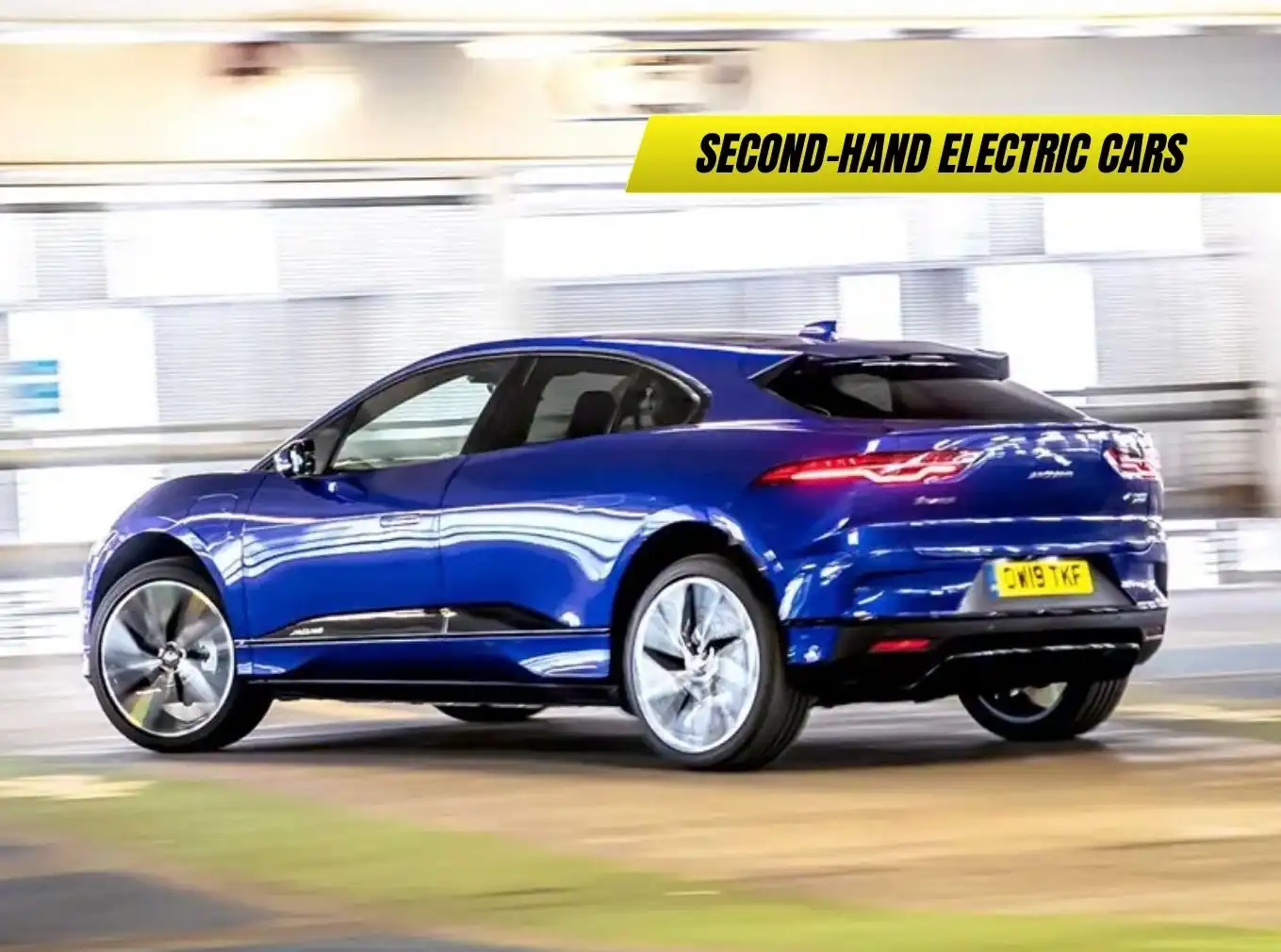
Discover the best second-hand electric cars available in the UK market for 2025. From budget city cars to premium SUVs, find your perfect used EV with expert reviews, prices and practical buying advice.
Thinking that buying an electric car means spending a fortune? Think again. The used electric vehicle market in the UK has matured significantly, offering excellent opportunities to join the electric revolution without breaking the bank. From my experience reviewing countless EVs over the years, the second-hand market now provides genuine alternatives to new car purchases, often with significant savings whilst still retaining the benefits of zero-emission motoring and reduced running costs.
Key Advantages of Buying Used Electric Cars in 2025
- Substantial savings – up to 40% less than new car prices
- Established reliability – proven models with known characteristics
- Immediate availability – no waiting lists for popular models
- Lower depreciation – avoid the steepest depreciation hit
- Zero road tax – all pure electric vehicles remain exempt
- Access to clean air zones – unrestricted city driving privileges
Understanding the UK Used Electric Car Market
The British used EV market has experienced remarkable growth, with over 150,000 second-hand electric vehicles now available nationwide. This expansion has been driven by early adopters upgrading to newer models, fleet vehicle cycles, and the natural maturation of electric vehicle technology.
In my point of view, 2025 represents the sweet spot for used EV purchases. The first generation of mainstream electric cars has now proven their reliability, whilst newer models offer significantly improved range and charging capabilities. This creates an excellent opportunity for buyers seeking proven technology at accessible prices.
What to Look for When Buying a Used Electric Car
Battery health remains the primary consideration when purchasing any used electric vehicle. Battery degradationtypically ranges between 2-5% per year, depending on usage patterns and charging habits. From my experience, most electric cars retain 80-85% of their original battery capacity after five years of typical use.
Key inspection points include:
- Battery capacity reports (available through dealer diagnostics)
- Service history with authorised dealers
- Evidence of regular software updates
- Condition of charging ports and cables
- Tyre wear patterns (EVs can be heavier than ICE equivalents)
Best Budget Electric Cars Under £15,000
Renault Zoe (2019-2022)
The Renault Zoe remains one of the most accessible entry points into electric motoring. Available from approximately £12,000 for higher-mileage examples, the Zoe offers genuine 200+ mile range and proven city reliability.
| Specification | Details |
|---|---|
| Range (WLTP) | 245-395 miles |
| Charging Speed | 22kW AC, 50kW DC |
| Boot Space | 338 litres |
| Typical Price | £12,000-£16,000 |
I would recommend the 52kWh battery version for the best balance of range and value. The earlier 22kWh models, whilst cheaper, offer limited practicality beyond urban use.
Nissan Leaf (2018-2022)
The Nissan Leaf pioneered mainstream electric motoring and offers excellent value in the used market. Prices start from approximately £11,500 for well-maintained examples.
The Leaf’s CHAdeMO charging standard, whilst less common than CCS, remains well-supported across the UK’s rapid charging network. Based on my test drives, the Leaf provides comfortable accommodation for four adults and impressively quiet motorway cruising.
Best Mid-Range Electric Cars £15,000-£25,000
Volkswagen ID.3 (2020-2023)
The ID.3 represents Volkswagen’s commitment to electric mobility and offers excellent refinement levels. Used examples typically start around £18,000 for the base Pro model.
From my experience, the ID.3’s over-the-air updates ensure the vehicle continues improving throughout ownership. The interior quality exceeds most rivals, whilst the 260-mile range provides genuine long-distance capability.
Kia e-Niro (2019-2022)
Kia’s e-Niro consistently ranks among the most efficient electric SUVs available. Used prices typically range from £16,000 to £24,000, depending on specification and mileage.
The e-Niro’s practical SUV design appeals to families requiring additional space without compromising efficiency. The 7-year warranty transfers to subsequent owners, providing additional peace of mind.
| Model Comparison | Volkswagen ID.3 | Kia e-Niro | Hyundai Kona Electric |
|---|---|---|---|
| Range (WLTP) | 260 miles | 282 miles | 259 miles |
| Boot Space | 385 litres | 451 litres | 332 litres |
| Rapid Charging | 100kW | 77kW | 77kW |
| Used Price From | £18,000 | £16,000 | £15,500 |
Premium Electric Cars £25,000-£40,000
Tesla Model 3 (2019-2022)
The Tesla Model 3 revolutionised the premium electric sedan segment and maintains strong residual values. Used examples typically range from £25,000 to £35,000.
Tesla’s Supercharger network remains the gold standard for public charging infrastructure. In my experience, the Model 3’s minimalist interior either captivates or frustrates buyers – there’s rarely a middle ground.
BMW i4 (2021-2023)
BMW’s i4 combines traditional German luxury with cutting-edge electric technology. Used prices start around £28,000for the eDrive40 variant.
The i4’s familiar BMW interior appeals to drivers seeking electric performance without compromising on luxury expectations. The 367-mile range capability exceeds most rivals in this price segment.
Electric SUVs and Family Cars
Hyundai Ioniq 5 (2021-2023)
The Ioniq 5 showcases Hyundai’s innovative electric platform with distinctive styling and impressive charging capabilities. Used examples typically start from £26,000.
From my point of view, the Ioniq 5’s ultra-rapid charging capability (up to 235kW) sets new standards for long-distance travel convenience. The spacious interior and lounge-style seating create an genuinely premium experience.
Skoda Enyaq iV (2021-2023)
Skoda’s Enyaq offers practical family transport with electric efficiency. Used prices typically range from £27,000 to £38,000 depending on specification.
The Enyaq’s 585-litre boot capacity rivals traditional SUVs, whilst the quality interior appointments exceed expectations for the price point.
Regional Availability and Dealer Networks
London and South East England typically offer the largest selection of used electric vehicles, reflecting higher initial adoption rates. However, prices may be elevated due to increased demand.
Northern England and Scotland often provide better value opportunities, with lower average prices compensating for potentially longer dealer distances. I would recommend expanding your search radius to include these regions for optimal value.
Approved Used Programs
Many manufacturers offer approved used electric vehicles with extended warranties and certified battery health reports:
- BMW i Certified – includes battery capacity guarantee
- Mercedes EQC Certified – comprehensive 12-month warranty
- Audi e-tron Approved – 24-month warranty coverage
- Tesla Pre-Owned – limited warranty with Supercharger access
Financing and Insurance Considerations
Personal Contract Purchase (PCP) deals for used electric cars often provide attractive monthly payments. However, I would recommend carefully evaluating final balloon payments, as EV residual values remain somewhat unpredictable.
Electric vehicle insurance typically costs 10-20% more than equivalent petrol models due to higher repair costs and specialist technician requirements. However, this premium continues decreasing as the market matures.
Government Incentives and Support
Whilst the Plug-in Car Grant no longer applies to most electric cars, several support mechanisms remain available:
- Workplace Charging Scheme – up to £350 per charging point
- Electric Vehicle Homecharge Scheme – 75% contribution towards installation costs
- On-street Residential Chargepoint Scheme – local authority charging infrastructure
Future-Proofing Your Purchase
CCS charging compatibility ensures access to the UK’s expanding rapid charging network. I would strongly advise avoiding vehicles with proprietary charging standards unless you’re committed to that manufacturer’s ecosystem.
Over-the-air update capability enables vehicles to improve throughout ownership, adding features and optimising performance. This technology represents a significant advantage over traditional vehicles.
Looking ahead, the 2030 ICE vehicle ban will likely increase demand for quality used electric vehicles. From my analysis, purchasing a well-specified used EV in 2025 positions buyers advantageously for the decade ahead.
❓ Frequently Asked Questions
H4: How much does a used electric car battery replacement cost?
Battery replacement costs vary significantly by model and capacity. Tesla Model S batteries typically cost £12,000-£15,000, whilst Nissan Leaf replacements range from £4,000-£6,000. However, most batteries retain sufficient capacity for continued use well beyond 8-10 years. Manufacturers typically provide 8-year/100,000-mile warranties on battery packs.
H4: Can I install a home charger for my used electric car?
Yes, home charging installation remains eligible for government grants regardless of vehicle age. A standard 7kW home charger costs approximately £800-£1,200 installed, with the government contributing up to £350. Installation typically requires off-street parking and adequate electrical supply capacity.
H4: How does cold weather affect used electric car range?
Cold weather typically reduces electric vehicle range by 15-25% due to battery chemistry and cabin heating requirements. However, modern EVs include sophisticated thermal management systems that minimise these effects. Pre-conditioning whilst connected to mains power helps preserve range.
H4: Are there any specific insurance requirements for used electric cars?
Electric vehicles require standard motor insurance with no additional legal requirements. However, ensure your policy covers charging cables and equipment, as these can cost £200-£500 to replace. Some insurers offer specific EV policies with enhanced breakdown coverage for charging-related issues.
H4: What charging networks can I access with a used electric car?
Most modern electric vehicles use CCS charging connectors, providing access to all major UK networks including Ionity, Electrify America, BP Pulse, and Shell Recharge. Tesla Superchargers now support non-Tesla vehicles with appropriate adapters. Older vehicles with CHAdeMO connectors have more limited rapid charging options.
H4: How do I check the battery health of a used electric car?
Reputable dealers should provide battery health reports showing remaining capacity percentage. Independent checks can be performed using OBD diagnostic tools or manufacturer-specific apps. Most electric vehicles also display battery health information through the dashboard systems.
H4: Can used electric cars be serviced at independent garages?
Basic maintenance like tyre changes, brake inspections, and cabin filter replacements can be performed at independent garages. However, high-voltage system work requires specialist certification and equipment. I would recommend using manufacturer-approved service centres for major repairs and software updates.
Making Your Decision: Final Recommendations
The used electric car market in 2025 offers unprecedented choice and value. Based on my extensive testing and market analysis, I would recommend the Kia e-Niro for families prioritising practicality and efficiency, the Tesla Model 3 for technology enthusiasts, and the Renault Zoe for budget-conscious city drivers.
Remember that buying a used electric car represents not just a financial decision, but a commitment to sustainable motoring. The combination of lower running costs, reduced environmental impact, and increasingly sophisticated technology makes 2025 an excellent time to make the transition.
For those still uncertain about full electric motoring, consider exploring our guides on the best cheap electric SUVs or best cars under £25,000 to understand all available options in today’s evolving automotive landscape.





