
New Alfa Romeo Giulia 2027 UK guide covering design changes, electric engines, Quadrifoglio performance, expected pricing and availability for British buyers.
The automotive world is buzzing with anticipation for the revolutionary new Alfa Romeo Giulia, set to arrive in 2027 with a complete transformation that promises to redefine the premium sports saloon segment. This next-generation Giulia represents more than just another model update; it’s a fundamental reimagining of what an Alfa Romeo can be in the electric age. With radical design changes, cutting-edge technology, and the promise of both electric and traditional powertrains, the 2027 Giulia could be the most significant Alfa Romeo launch in decades for UK buyers.
Key Points Summary
• Complete redesign: 2027 Giulia features radical styling departure with possible fastback or crossover-inspired design • STLA Large platform: Built on Stellantis’ advanced modular architecture enabling electric and petrol engines • Dual powertrain strategy: Electric motors as primary focus with traditional engines for specific markets • Quadrifoglio returns: High-performance variant maintaining Alfa Romeo’s sporting heritage and DNA • UK market launch: Expected 2027 arrival with competitive pricing against BMW 3 Series and Mercedes C-Class • Production location: Manufactured at Stellantis Cassino plant ensuring Italian craftsmanship and quality
Revolutionary Design Changes and Styling Direction
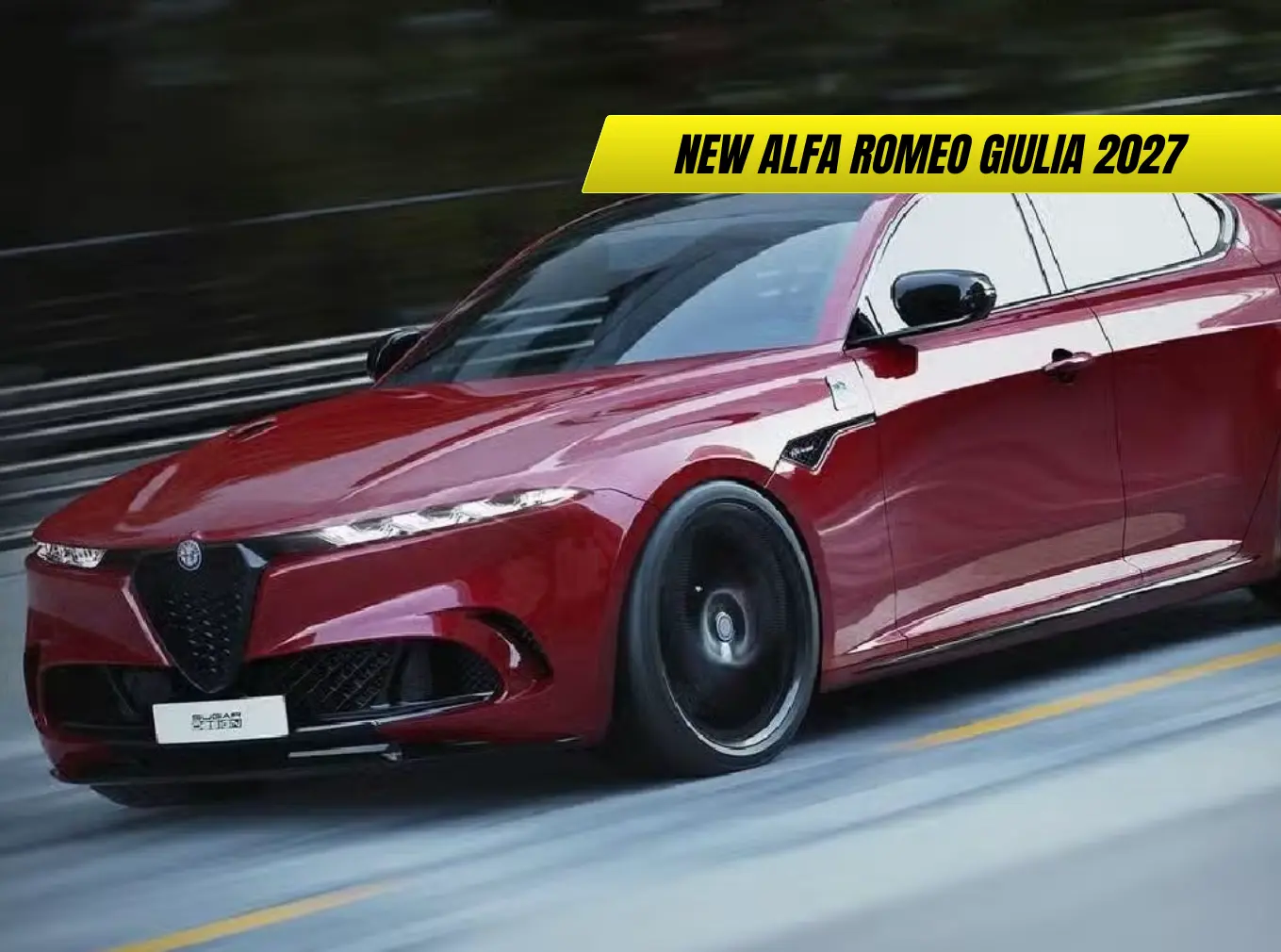
The 2027 Alfa Romeo Giulia marks a radical departure from the current generation’s conservative three-box saloon silhouette. Industry insiders suggest Alfa Romeo is considering a dramatic fastback profile or even a lowered crossover-inspired design that challenges conventional premium saloon aesthetics.
Design philosophy appears to embrace a more coupe-like roofline while maintaining four-door practicality. This approach reflects current market trends where traditional saloons struggle against SUV popularity, yet sports cars continue attracting passionate drivers. The new Giulia aims to bridge this gap with distinctive Italian flair.
Styling cues will likely incorporate Alfa Romeo’s latest design language seen on recent models like the Tonale SUV, featuring the distinctive triangular grille, sleek LED lighting signatures, and muscular proportions that emphasise performance capability over mere elegance.
From my experience covering Alfa Romeo launches, the brand consistently surprises with bold design choices that initially polarise opinion before becoming design benchmarks. The 2027 Giulia appears poised to continue this tradition with even more adventurous styling.
Aerodynamic efficiency becomes crucial for electric range optimisation, likely influencing the fastback profile and potentially explaining the departure from traditional saloon proportions. Modern premium buyers increasingly appreciate distinctive design over conservative styling.
The absence of spy photography maintains secrecy around prototypes, generating intense speculation among enthusiasts and industry observers. This mystery marketing approach typifies Alfa Romeo’s ability to generate excitement through anticipation rather than gradual reveals.
For buyers considering alternatives, our best family SUVs guide explores current premium options, while the 20 best SUVs to buy in 2025 under £40k provides context for the evolving premium market.
STLA Large Platform and Technical Architecture
Stellantis’ STLA Large platform underpins the new Giulia, representing a significant technological advancement over the current generation’s Giorgio architecture. This modular platform enables both electric and traditional powertrains while optimising weight distribution and structural rigidity.
Platform benefits include:
- Multi-energy capability supporting battery electric, hybrid, and pure combustion engines
- Advanced materials utilising high-strength steel and aluminium for weight reduction
- Flexible wheelbase accommodating different body styles and packaging requirements
- Integrated battery packaging for optimal weight distribution in electric variants
- Enhanced crash protection meeting latest global safety standards
Manufacturing location at the Stellantis Cassino plant ensures Italian production heritage while leveraging modern manufacturing techniques. This facility previously produced the current Giulia and Stelvio, providing experienced workforce familiar with Alfa Romeo quality standards.
Quality improvements over the current generation should address previous reliability concerns that affected UK customer satisfaction. The STLA Large platform incorporates lessons learned from earlier Stellantis products while enabling cost-effective production.
UK market implications include potential for right-hand drive optimisation from initial development phases rather than post-production conversion, potentially improving refinement and build quality for British buyers.
| Platform Feature | Current Giorgio | New STLA Large |
|---|---|---|
| Multi-energy support | Limited | Full EV/Hybrid/ICE |
| Weight optimisation | Good | Excellent |
| Production flexibility | Moderate | High |
| Safety standards | Euro NCAP 5* | Latest global standards |
The platform’s versatility enables Alfa Romeo to respond to varying global market demands while maintaining manufacturing efficiency and development cost control.
Engine Options and Powertrain Strategy
Electric powertrains take centre stage in the 2027 Giulia lineup, reflecting Stellantis’ commitment to electrification while acknowledging market realities across different regions. The dual strategy approach ensures broad market appeal without abandoning traditional engine enthusiasts.
Electric motor specifications remain unconfirmed, but STLA Large platform capability suggests:
- Rear-wheel drive single motor variants for efficiency and driving dynamics
- All-wheel drive dual motor options for performance and weather capability
- High-performance tri-motor configurations for Quadrifoglio applications
- Fast charging capability supporting 350kW+ charging speeds
- Range targets exceeding 400 miles for long-distance touring capability
Traditional engines will likely include updated versions of Stellantis’ latest petrol powertrains, potentially featuring mild-hybrid assistance for improved efficiency and performance. These options cater to markets where charging infrastructure remains limited or customer preference favours conventional powertrains.
UK market strategy will probably emphasise electric variants given government policies encouraging EV adoption, though petrol options may remain available for customers requiring longer range or preferring traditional powertrains.
Performance hierarchy should maintain clear distinction between efficiency-focused base models, balanced mid-range variants, and high-performance Quadrifoglio versions regardless of powertrain type.
In my view, Alfa Romeo’s pragmatic approach recognises that forcing full electrification risks alienating existing customers while pure petrol strategy ignores regulatory realities. The flexible powertrain strategy positions the Giulia for success across diverse market conditions.
For context on current market trends, our analysis of why diesel hybrid cars are still relevant in 2025 explores powertrain evolution, while best cheap electric SUVs covers the electric vehicle landscape.
Quadrifoglio Performance Variant Details
The Alfa Romeo Giulia Quadrifoglio represents the pinnacle of the new generation, maintaining the legendary four-leaf clover badge’s association with uncompromising performance and driving excitement. This flagship variant embodies everything Alfa Romeo stands for in terms of sporting heritage and emotional engagement.
Performance targets for the new Quadrifoglio likely exceed the current generation’s impressive 510hp and 3.9-second 0-62mph acceleration. Electric motor torque delivery could enable even more dramatic acceleration while maintaining the distinctive Alfa Romeo character that sets it apart from German competitors.
Powertrain speculation includes possibilities ranging from high-output electric motors producing 600+ horsepower to hybrid systems combining electric assistance with traditional engines. The choice will significantly impact character, with electric motors offering instant torque but potentially lacking the emotional connection of combustion engines.
Chassis development will emphasise the dynamic excellence that made the current Quadrifoglio a benchmark for driving engagement. Alfa Romeo’s expertise in chassis tuning, suspension calibration, and steering feel becomes even more crucial in differentiating electric powertrains that can feel similar across different manufacturers.
Design differentiation for the Quadrifoglio will likely include aggressive aerodynamic elements, distinctive wheel designs, and interior appointments that emphasise its performance focus while maintaining everyday usability.
UK market positioning against rivals like the BMW M3, Mercedes-AMG C63, and Audi RS4 requires the Quadrifoglio to offer distinctive character rather than simply matching specification sheets. Alfa Romeo’s traditional strengths in styling, handling balance, and emotional appeal become even more important.
Pricing strategy will probably position the Quadrifoglio competitively against established German performance saloons while offering superior equipment levels and distinctive Italian design flair.
From my experience, successful Alfa Romeo performance cars combine technical excellence with emotional engagement in ways that pure specification comparisons cannot capture. The new Quadrifoglio’s success depends on maintaining this intangible appeal while embracing modern powertrain technology.
UK Market Launch and Availability Timeline
Launch timing for the UK market appears scheduled for 2027, aligning with global introduction plans and allowing sufficient time for right-hand drive development and local market preparation. This timeline coincides with strengthening electric vehicle infrastructure and evolving customer acceptance of electric premium vehicles.
Market preparation includes dealer network updates, technician training for electric vehicle servicing, and customer education programmes explaining the new technology and capabilities. Alfa Romeo’s UK presence requires strengthening to support the premium positioning and customer service expectations.
Launch sequence will probably begin with electric variants to establish the model’s environmental credentials, followed by traditional powertrains for customers preferring conventional engines. The Quadrifoglio flagship will likely arrive 12-18 months after initial launch to maximise anticipation and market impact.
UK-specific considerations include:
- Right-hand drive optimisation from initial development phases
- Local supplier integration for service parts and maintenance support
- Charging infrastructure partnerships with major UK networks
- Fleet sales programmes targeting company car markets
- Marketing campaigns emphasising Italian heritage and British driving preferences
Dealer network expansion may be necessary to provide adequate coverage for sales and service, particularly given electric vehicle servicing requirements and customer expectations for premium brand support levels.
Launch editions and special variants typically generate initial excitement and establish pricing positioning, with anniversary editions or limited production variants commanding premium prices from enthusiast buyers.
Customer deposit programmes will likely open 12-18 months before delivery, allowing Alfa Romeo to gauge demand and adjust production planning accordingly while generating early revenue and customer commitment.
Expected UK Pricing and Market Positioning
Pricing strategy for the 2027 Giulia must balance premium positioning against established German competitors while reflecting the advanced technology and Italian design appeal. UK pricing will likely start around £45,000-50,000 for base electric variants, positioning above mainstream brands but below traditional luxury leaders.
Trim level hierarchy should include:
- Sprint entry-level focusing on efficiency and essential equipment
- Ti mid-range adding comfort and convenience features
- Veloce sport-oriented with performance styling and dynamic enhancements
- Quadrifoglio flagship delivering maximum performance and exclusivity
Equipment levels must match or exceed German competitors to justify pricing, with particular attention to infotainment technology, driver assistance systems, and interior quality that historically represented Alfa Romeo weak points.
Value proposition relies on distinctive Italian design, engaging driving dynamics, and comprehensive equipment rather than competing purely on specification or badge prestige. The emotional appeal becomes crucial for justifying premium pricing.
Financing options will probably include attractive lease deals and PCP arrangements making monthly payments competitive with German rivals, while electric variants benefit from favourable tax treatment for company car users.
| Trim Level | Expected Price | Key Features | Target Competitor |
|---|---|---|---|
| Sprint | £45,000-48,000 | Essential equipment, efficiency focus | BMW 320i, Mercedes C200 |
| Ti | £50,000-55,000 | Premium comfort, technology | BMW 330i, Mercedes C300 |
| Veloce | £55,000-62,000 | Sport styling, performance | BMW 340i M Sport, Mercedes C43 |
| Quadrifoglio | £75,000-85,000 | Maximum performance, exclusivity | BMW M3, Mercedes-AMG C63 |
Residual value predictions suggest strong performance given Alfa Romeo’s improving reliability reputation and the distinctive design appeal, though electric vehicle depreciation patterns remain uncertain in the luxury segment.
For buyers exploring current alternatives, our guides to best SUVs under £30,000 and best cars under £25,000 provide context for the evolving automotive market.
Competition Analysis and Market Context
Direct competitors for the 2027 Giulia include the BMW 3 Series, Mercedes-Benz C-Class, Audi A4, and emerging electric alternatives like the BMW i4 and Polestar 3. Each offers distinct advantages that the new Giulia must address to capture market share.
BMW 3 Series strengths include established reputation, comprehensive dealer network, strong residual values, and proven driving dynamics. The Giulia must offer superior design appeal and emotional engagement to differentiate from BMW’s technical competence.
Mercedes C-Class advantages encompass luxury interior quality, advanced technology, and comprehensive model range. Alfa Romeo needs to match or exceed interior refinement while maintaining distinctive Italian character.
Audi A4 benefits include virtual cockpit technology, Quattro all-wheel drive capability, and conservative styling appeal. The Giulia’s radical design could attract buyers seeking more distinctive aesthetics.
Electric competitors like Tesla Model 3, BMW i4, and Genesis G60 establish performance and technology benchmarks that the electric Giulia must meet while offering superior design and driving engagement.
Market positioning requires the Giulia to emphasise emotional appeal, distinctive design, and engaging driving dynamics rather than competing purely on specifications or technology features where German brands maintain advantages.
UK market dynamics include strong preference for premium German brands, growing acceptance of electric vehicles, and continued demand for distinctive design among luxury buyers seeking alternatives to mainstream choices.
Success factors for the new Giulia include:
- Distinctive design that stands out in premium car parks
- Improved reliability addressing historical Alfa Romeo concerns
- Competitive technology matching German standards
- Engaging dynamics maintaining Alfa Romeo’s sporting reputation
- Strong dealer support providing confident ownership experience
Interior Technology and Features
Interior design for the 2027 Giulia should represent a significant advancement over the current generation, incorporating lessons learned from customer feedback and competitive analysis while maintaining distinctive Italian aesthetic appeal.
Technology integration will likely feature large touchscreen displays, digital instrument clusters, and advanced driver assistance systems meeting latest European safety standards. The challenge involves implementing these features with intuitive operation and visual appeal.
Material quality requires substantial improvement to compete with German interiors, particularly regarding soft-touch surfaces, fit and finish consistency, and long-term durability. Premium pricing demands premium tactile experiences throughout the cabin.
Connectivity features must include wireless smartphone integration, over-the-air updates, cloud-based services, and comprehensive infotainment capabilities. Modern luxury buyers expect seamless digital integration as standard equipment.
Driver assistance systems should encompass adaptive cruise control, lane keeping assistance, automatic emergency braking, and traffic jam assistance. These features become increasingly important for fleet buyers and insurance considerations.
Comfort amenities like heated and ventilated seats, climate control zones, ambient lighting, and premium audio systems establish baseline expectations for luxury saloon buyers accustomed to comprehensive equipment levels.
Storage solutions and practical considerations often distinguish successful premium saloons, requiring thoughtful design of door pockets, centre console storage, wireless charging pads, and USB connectivity throughout the cabin.
Understanding modern automotive maintenance like timing chain longevity and recognising spanner warning lightsbecomes relevant for premium vehicle ownership.
Frequently Asked Questions
When will the new Alfa Romeo Giulia arrive in UK showrooms?
The new Giulia is expected to launch in 2027, with UK deliveries likely beginning in late 2027 or early 2028. Right-hand drive development and local market preparation will determine exact timing for British buyers.
Will the new Giulia be available with petrol engines?
Yes, Alfa Romeo plans a dual powertrain strategy offering both electric and traditional petrol engines to cater for different market preferences and charging infrastructure availability across various regions.
How much will the new Giulia cost in the UK?
Expected pricing starts around £45,000-50,000 for base electric variants, with the high-performance Quadrifoglio likely priced between £75,000-85,000 to compete with BMW M3 and Mercedes-AMG C63.
What will happen to the current Giulia Quadrifoglio?
The Quadrifoglio badge will continue on the new generation, maintaining Alfa Romeo’s performance heritage while potentially adopting electric or hybrid powertrains for enhanced performance and efficiency.
How will the new Giulia compete with German rivals?
The Giulia will emphasise distinctive Italian design, engaging driving dynamics, and emotional appeal rather than competing purely on specifications, aiming to attract buyers seeking alternatives to conventional German luxury saloons.
Will the new Giulia design be too radical for traditional buyers?
While the design represents a significant departure, Alfa Romeo has historically succeeded with bold styling choices that initially seem controversial but become design benchmarks, suggesting the new approach could attract new customers.
What warranty and service support will be available?
Expect comprehensive warranty coverage matching or exceeding German competitors, with expanded UK dealer network and enhanced service training to support the advanced technology and customer service expectations.
Conclusion
The 2027 Alfa Romeo Giulia represents one of the most significant automotive launches of the decade, combining radical design evolution with advanced technology while maintaining the emotional appeal that defines the Alfa Romeo brand. For UK buyers, this new generation offers the promise of Italian passion wrapped in modern convenience and efficiency.
In my experience, successful Alfa Romeo models have always balanced technical innovation with emotional engagement in ways that specification sheets cannot capture. The 2027 Giulia appears poised to continue this tradition while addressing the practical considerations that modern luxury buyers demand.
The dual powertrain strategy demonstrates pragmatic thinking that acknowledges varying customer preferences and market conditions while ensuring the Giulia remains relevant across different regions and use cases. This flexibility should strengthen rather than compromise the model’s appeal.
For UK buyers considering premium saloon alternatives, the new Giulia promises to offer something genuinely different in a segment often criticised for conservative styling and similar driving experiences. The combination of distinctive design, advanced technology, and Alfa Romeo’s unique character could attract customers seeking alternatives to established German choices.
Looking ahead, the success of the 2027 Giulia will largely depend on execution quality, particularly regarding reliability, interior refinement, and dealer support that have historically challenged Alfa Romeo’s premium ambitions. If these elements align with the promised design and technology advancement, the new Giulia could indeed represent the revolutionary model that redefines what an Alfa Romeo can achieve in the modern automotive landscape.





