
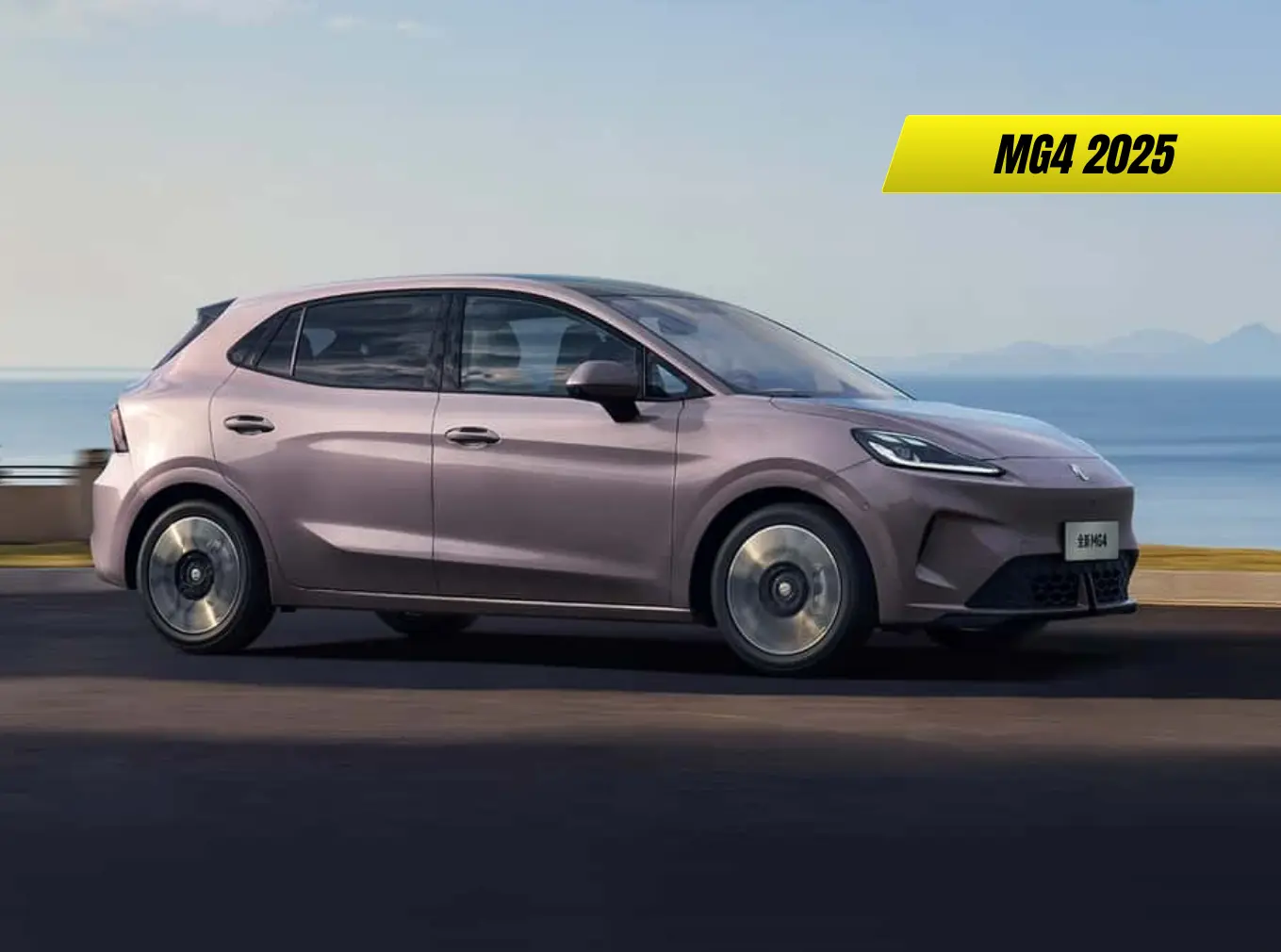
MG4 2025 UK review covering revolutionary semi-solid batteries, 335-mile range, Oppo infotainment system, UK pricing and availability for British electric car buyers.
The electric vehicle revolution takes another significant leap forward with the 2025 MG4, introducing groundbreaking semi-solid battery technology and cutting-edge Oppo infotainment systems that promise to reshape expectations in the compact EV segment. For UK buyers seeking an affordable electric vehicle that doesn’t compromise on technology or range, this latest MG4 evolution represents a compelling proposition that challenges established European competitors while delivering genuine innovation at accessible pricing. With its impressive 335-mile range and advanced digital ecosystem, the MG4 2025 demonstrates how Chinese automotive technology is rapidly advancing beyond simple cost competition.
Key Points Summary
• Revolutionary battery technology: Semi-solid batteries provide 14% more capacity than traditional LFP cells • Exceptional range: 335 miles (537km) real-world range from single charge, class-leading for compact EVs • Advanced infotainment: 15.6-inch Oppo system powered by Snapdragon 8155 processor with AI integration • Premium comfort: Heated and ventilated seats for front and rear passengers with ergonomic design • Competitive pricing: Expected UK pricing around £26,000-32,000 maintaining MG’s value proposition • Enhanced connectivity: Wireless Apple CarPlay and Android Auto with seamless smartphone integration
Revolutionary Semi-Solid Battery Technology
Semi-solid battery innovation represents a significant technological advancement over conventional lithium iron phosphate (LFP) cells, delivering enhanced energy density, improved safety characteristics, and faster charging capabilities that address key concerns for UK electric vehicle adoption.
Technical advantages of semi-solid batteries include 14% higher capacity compared to traditional LFP technology, enabling the MG4 2025 to achieve exceptional range without increasing vehicle weight or dimensions significantly. This breakthrough technology bridges the gap between current lithium-ion systems and future solid-state batteries.
Safety improvements inherent in semi-solid chemistry include reduced thermal runaway risk, enhanced structural stability, and improved performance across varying temperature conditions particularly relevant for UK climate variations from Scottish winters to summer heatwaves.
Charging characteristics benefit from the semi-solid electrolyte composition, enabling faster charging speeds with reduced battery degradation over time. This technology should support rapid charging at speeds exceeding 100kW while maintaining battery health throughout extended ownership periods.
Range achievement of 335 miles (537km) in real-world conditions represents a substantial advancement for the compact EV segment, where range anxiety remains a primary concern for potential UK buyers transitioning from petrol vehicles.
Temperature performance proves particularly relevant for UK conditions, where semi-solid batteries maintain efficiency across wider temperature ranges compared to conventional systems, ensuring consistent performance during British winter conditions that typically reduce EV range significantly.
Longevity benefits include improved cycle life and reduced capacity degradation, addressing UK buyer concerns about battery replacement costs and long-term vehicle value retention that influence purchase decisions.
From my experience with evolving EV technology, semi-solid batteries represent a genuine breakthrough rather than incremental improvement, potentially establishing new benchmarks for affordable electric vehicle capability.
For context on current EV options, our best cheap electric SUVs guide explores the expanding affordable electric vehicle market.
Oppo Infotainment System and Digital Integration
Oppo collaboration brings smartphone technology expertise to automotive applications, delivering the 15.6-inch central display system that redefines user interaction expectations in the compact car segment through intuitive operation and comprehensive functionality.
Snapdragon 8155 processor provides exceptional computing power enabling smooth operation of complex applications, AI-driven features, and real-time processing that ensures responsive performance even when running multiple systems simultaneously.
User interface design reflects Oppo’s consumer electronics experience, offering smartphone-like operation that reduces learning curves for users familiar with modern mobile devices while providing automotive-specific optimisations for driving environments.
AI integration enables personalised suggestions, route optimisation, and predictive features that learn from user behaviour patterns to anticipate needs and improve efficiency during daily driving routines.
Connectivity features encompass wireless Apple CarPlay and Android Auto support, ensuring seamless smartphone integration without cable requirements that often prove inconvenient during daily use and create additional complexity.
Over-the-air updates capability allows continuous feature enhancement and system optimisation without requiring dealer visits, ensuring the infotainment system evolves alongside user expectations and technological developments.
Voice control integration provides hands-free operation for navigation, climate control, and communication functions, supporting safe driving practices while accessing comprehensive vehicle functions.
| Infotainment Feature | MG4 2025 | Typical Competitor |
|---|---|---|
| Screen Size | 15.6 inches | 10-12 inches |
| Processor | Snapdragon 8155 | Various, often slower |
| Wireless CarPlay/Android | Standard | Often optional |
| AI Integration | Advanced | Basic or none |
App ecosystem may include automotive-specific applications optimised for the larger display format, potentially offering enhanced functionality for navigation, entertainment, and vehicle management compared to standard automotive systems.
In my view, the Oppo partnership represents genuine advancement in automotive digital experiences, bringing consumer electronics sophistication to automotive applications in ways that benefit daily usability.
Enhanced Comfort and Interior Technology
Ergonomic seating development addresses long-distance comfort requirements while maintaining support for urban driving, featuring heating and ventilation systems for both front and rear passengers that enhance year-round comfort in UK climate conditions.
Climate control sophistication includes individual zone management, pre-conditioning capabilities, and efficient operation that minimises battery drain while maintaining passenger comfort across varying weather conditions.
Interior materials quality should reflect MG’s improving attention to perceived quality and tactile appeal, addressing previous criticism about Chinese vehicle interior standards while maintaining cost competitiveness.
Storage solutions throughout the cabin provide practical accommodation for modern lifestyle requirements including secure phone storage, charging provision, and organisational features that enhance daily usability.
Acoustic engineering improvements reduce road noise and wind intrusion, creating more refined cabin environments that support conversation and audio system performance during motorway cruising typical of UK driving patterns.
Lighting integration includes ambient systems and customisable interior illumination that enhances premium appeal while providing functional benefits for night driving and passenger comfort.
Safety technology encompasses comprehensive driver assistance features adapted for UK driving conditions, including traffic sign recognition calibrated for British road signage and behaviour patterns.
Rear passenger amenities include dedicated climate controls, charging provision, and comfort features that acknowledge family usage requirements and longer journey comfort for passengers of all ages.
Cargo flexibility should maintain the practical advantages that make compact cars appealing for UK buyers, including fold-flat seating arrangements and versatile loading configurations for diverse transportation needs.
For comparison with current alternatives, our best cars under £25,000 guide provides market context for affordable vehicle features.
UK Market Positioning and Competitive Analysis
Pricing strategy for the MG4 2025 must balance advanced technology with accessibility that has driven MG’s UK success, likely targeting £26,000-32,000 to maintain competitive advantage while reflecting technological enhancements.
Competitive landscape includes established European alternatives like the Volkswagen ID.3, Cupra Born, and emerging rivals including the Renault 5 that combine heritage appeal with modern electric capability.
Value proposition emphasises technology leadership, exceptional range, and comprehensive equipment levels that challenge more expensive alternatives while maintaining the accessibility that appeals to UK buyers seeking electric vehicle adoption.
Market positioning against premium European brands requires demonstrating superior technology and capability rather than competing purely on price, acknowledging evolving UK buyer expectations for electric vehicle sophistication.
Brand perception development continues MG’s transformation from budget alternative to credible mainstream choice, with the 2025 MG4 representing technological advancement that supports premium positioning aspirations.
Dealer network expansion across the UK provides enhanced customer confidence through improved service accessibility and support availability that addresses previous concerns about Chinese brand ownership experience.
Warranty provision should include comprehensive coverage that provides reassurance for advanced battery technology and complex infotainment systems, addressing UK buyer concerns about long-term support for innovative features.
| Competitor | Range | Infotainment | Expected Price |
|---|---|---|---|
| MG4 2025 | 335 miles | 15.6″ Oppo/Snapdragon | £26,000-32,000 |
| VW ID.3 | 260-340 miles | 10-12″ standard | £32,000-42,000 |
| Cupra Born | 260-335 miles | 12″ touchscreen | £30,000-40,000 |
| Renault 5 | 250-300 miles | 10.1″ display | £25,000-32,000 |
Fleet market opportunities include company car programmes where technology leadership and efficiency provide advantages for business users seeking electric vehicle adoption while managing total cost of ownership.
In my experience, MG’s success in the UK market depends on maintaining value advantages while demonstrating genuine technological advancement that justifies consideration alongside established European alternatives.
UK Availability and Launch Timeline
Market introduction timeline suggests the MG4 2025 will arrive in the UK during 2025, following initial Chinese market launch and European adaptation for right-hand drive markets and local regulatory compliance.
Production planning should accommodate UK demand projections while managing global allocation requirements, ensuring adequate inventory for dealer networks without excessive waiting periods that might discourage potential buyers.
Specification adaptation for the UK market may include suspension tuning for British road conditions, enhanced weather sealing for challenging climates, and ergonomic adjustments optimised for right-hand drive operation.
Regulatory compliance encompasses UK safety standards, emissions regulations, and type approval processes that ensure the advanced battery technology and infotainment systems meet British requirements for road use.
Dealer preparation includes technician training for semi-solid battery technology, infotainment system operation, and customer support procedures that ensure confident ownership experience throughout the vehicle lifecycle.
Customer education programmes will be essential given the advanced technology features, helping potential buyers understand semi-solid battery advantages, infotainment capabilities, and charging optimisation for maximum benefit.
Launch marketing should emphasise technological leadership and value proposition while addressing any remaining brand perception challenges through demonstration of advanced capabilities and comprehensive customer support.
Service network readiness requires equipment and training updates to support advanced battery technology and complex electronic systems, ensuring maintenance capability meets customer expectations for innovative features.
Charging infrastructure considerations include optimising the MG4’s capabilities for UK rapid charging networks while providing customer guidance for home charging solutions that maximise convenience and efficiency.
For current market context, our best family SUVs guide includes electric vehicle options and considerations for UK buyers.
Real-World Range and Efficiency Performance
Range testing under UK driving conditions should validate the 335-mile capability across varying scenarios including motorway cruising, urban stop-start traffic, and mixed driving that reflects typical British usage patterns.
Efficiency optimisation through semi-solid battery technology and aerodynamic refinements should deliver exceptional miles-per-kWh figures that translate to lower charging costs and extended range between charging sessions.
Temperature performance proves crucial for UK conditions where winter weather significantly impacts electric vehicle range, with semi-solid batteries potentially maintaining efficiency better than conventional systems during challenging conditions.
Charging speed capabilities should enable rapid top-ups during longer journeys, with the advanced battery chemistry supporting fast charging without excessive degradation concerns that affect long-term ownership satisfaction.
Route planning integration through the Oppo infotainment system should provide accurate range predictions and charging station guidance that accounts for real-time traffic conditions and driving behaviour patterns.
Regenerative braking calibration needs optimisation for UK driving patterns, potentially offering adjustable settings that maximise energy recovery during urban driving while providing natural feel for various user preferences.
Eco modes and driving style adaptation should enable users to maximise range when required while maintaining adequate performance for safe motorway operation and overtaking capability.
Real-world validation by UK automotive press and early adopters will be crucial for establishing credibility regarding range claims and actual performance under British driving conditions and weather patterns.
Charging cost calculations based on UK electricity prices should demonstrate economic advantages over petrol vehicles while accounting for varying charging tariffs and usage patterns that affect total ownership costs.
Understanding maintenance considerations like recognising spanner warning lights becomes relevant for long-term electric vehicle ownership satisfaction.
Technology Integration and Future-Proofing
Software architecture should support continuous updates and feature enhancement throughout ownership, ensuring the advanced infotainment system remains current with evolving technology expectations and user requirements.
5G connectivity preparation may enable enhanced cloud services, real-time traffic optimisation, and remote vehicle management capabilities that improve ownership experience and provide competitive advantages.
Autonomous driving preparation through advanced sensor integration and computing capability positions the MG4 2025 for future feature enhancement as regulatory frameworks evolve to permit higher automation levels.
Smart home integration potential could enable vehicle-to-home energy transfer, pre-conditioning scheduling, and energy management optimisation that maximises efficiency while reducing electricity costs for UK households.
Digital services ecosystem may expand beyond basic connectivity to include subscription services, premium features, and enhanced functionality that generates ongoing revenue while providing customer value.
Cybersecurity protection becomes increasingly important as vehicles become more connected, requiring robust systems that protect personal data and prevent unauthorised access to vehicle functions.
Battery management sophistication through AI learning algorithms should optimise charging patterns, thermal management, and longevity protection based on individual usage patterns and environmental conditions.
Navigation evolution through cloud-based processing and real-time data integration should provide superior route guidance and traffic avoidance compared to traditional standalone systems.
Voice assistant development may progress beyond basic commands to conversational interaction and proactive suggestions that enhance convenience while maintaining focus on driving safety.
Expected UK Pricing and Trim Levels
Entry-level pricing around £26,000-28,000 should maintain MG’s value positioning while reflecting advanced battery technology and enhanced equipment levels that justify modest premium over current generation models.
Mid-specification variants priced £28,000-30,000 could add premium comfort features, enhanced audio systems, and additional convenience technology while maintaining competitive positioning against European alternatives.
Top-tier models reaching £30,000-32,000 should provide comprehensive equipment including advanced driver assistance, premium interior materials, and enhanced technology features that approach premium segment capability.
Equipment standardisation across trim levels should include semi-solid battery technology, Oppo infotainment system, and comprehensive safety features, ensuring advanced capabilities reach maximum customer numbers rather than limiting to expensive variants.
Option packages and individual options should provide customisation opportunities without complex choice matrices, focusing on popular UK preferences for specific features and styling elements.
| Trim Level | Expected Price | Key Features | Target Buyer |
|---|---|---|---|
| SE | £26,000-28,000 | Essential equipment, full tech | Value-conscious buyers |
| Trophy | £28,000-30,000 | Enhanced comfort, premium audio | Mainstream buyers |
| Trophy Connect | £30,000-32,000 | Maximum features, advanced tech | Technology enthusiasts |
Financing options through MG Financial Services should include competitive PCP and lease arrangements that make monthly payments accessible while reflecting residual value expectations for advanced technology vehicles.
Government incentives and tax benefits for electric vehicles should enhance affordability, though these may evolve before launch requiring flexible pricing strategies that remain competitive under various policy scenarios.
Residual value expectations should benefit from advanced technology appeal and limited production volumes, though electric vehicle depreciation patterns remain uncertain and could affect leasing attractiveness.
For broader market context, our guide to why diesel hybrid cars are still relevant in 2025 explores changing powertrain preferences that influence EV adoption.
Frequently Asked Questions
When will the MG4 2025 with semi-solid batteries arrive in the UK?
The MG4 2025 is expected to launch in the UK during 2025, following initial Chinese market introduction and European adaptation for right-hand drive markets and local regulatory compliance.
How much will the new MG4 2025 cost in Britain?
Expected UK pricing ranges from £26,000-32,000 depending on specification level, maintaining MG’s value proposition while reflecting advanced battery technology and enhanced equipment levels.
What real-world range can UK drivers expect?
The semi-solid battery technology should deliver approximately 335 miles of real-world range under UK driving conditions, representing significant improvement over conventional compact electric vehicles.
How does the Oppo infotainment system compare to competitors?
The 15.6-inch Oppo system powered by Snapdragon 8155 processor offers larger display, faster operation, and more advanced AI integration compared to typical automotive infotainment systems.
Are the semi-solid batteries safe and reliable?
Semi-solid battery technology provides enhanced safety characteristics including reduced thermal runaway risk and improved structural stability compared to conventional lithium-ion systems.
Will the advanced technology affect insurance costs?
While comprehensive systems may initially increase insurance premiums, the advanced safety features and driver assistance technology could potentially reduce costs through accident prevention benefits.
How does charging speed compare to current EVs?
The semi-solid battery chemistry should support rapid charging speeds exceeding 100kW while maintaining battery health, enabling faster top-ups during longer journeys across the UK.
Conclusion
The MG4 2025 represents a significant technological leap forward for affordable electric vehicles, combining revolutionary semi-solid battery technology with advanced infotainment systems that challenge established European competitors while maintaining accessible pricing. For UK buyers, this evolution demonstrates how rapidly Chinese automotive technology is advancing beyond simple cost competition to genuine innovation leadership.
In my experience, successful electric vehicle adoption requires addressing range anxiety, charging convenience, and technology sophistication simultaneously. The MG4 2025 appears positioned to excel in all these areas while maintaining the value proposition that has driven MG’s UK market success.
The combination of 335-mile range, cutting-edge Oppo infotainment, and comprehensive comfort features creates compelling advantages over established alternatives that often compromise on technology or pricing to maintain profitability. This approach should attract buyers seeking electric vehicle capability without premium segment pricing.
For UK consumers considering electric vehicle adoption, the MG4 2025 offers genuine technological advancement rather than incremental improvement, potentially establishing new benchmarks for compact EV capability while maintaining accessibility that encourages broader electric vehicle adoption.
Looking ahead, the success of semi-solid battery technology and advanced digital integration in the MG4 2025 could influence industry development priorities while demonstrating that innovation and affordability can coexist successfully in the rapidly evolving electric vehicle landscape.





