
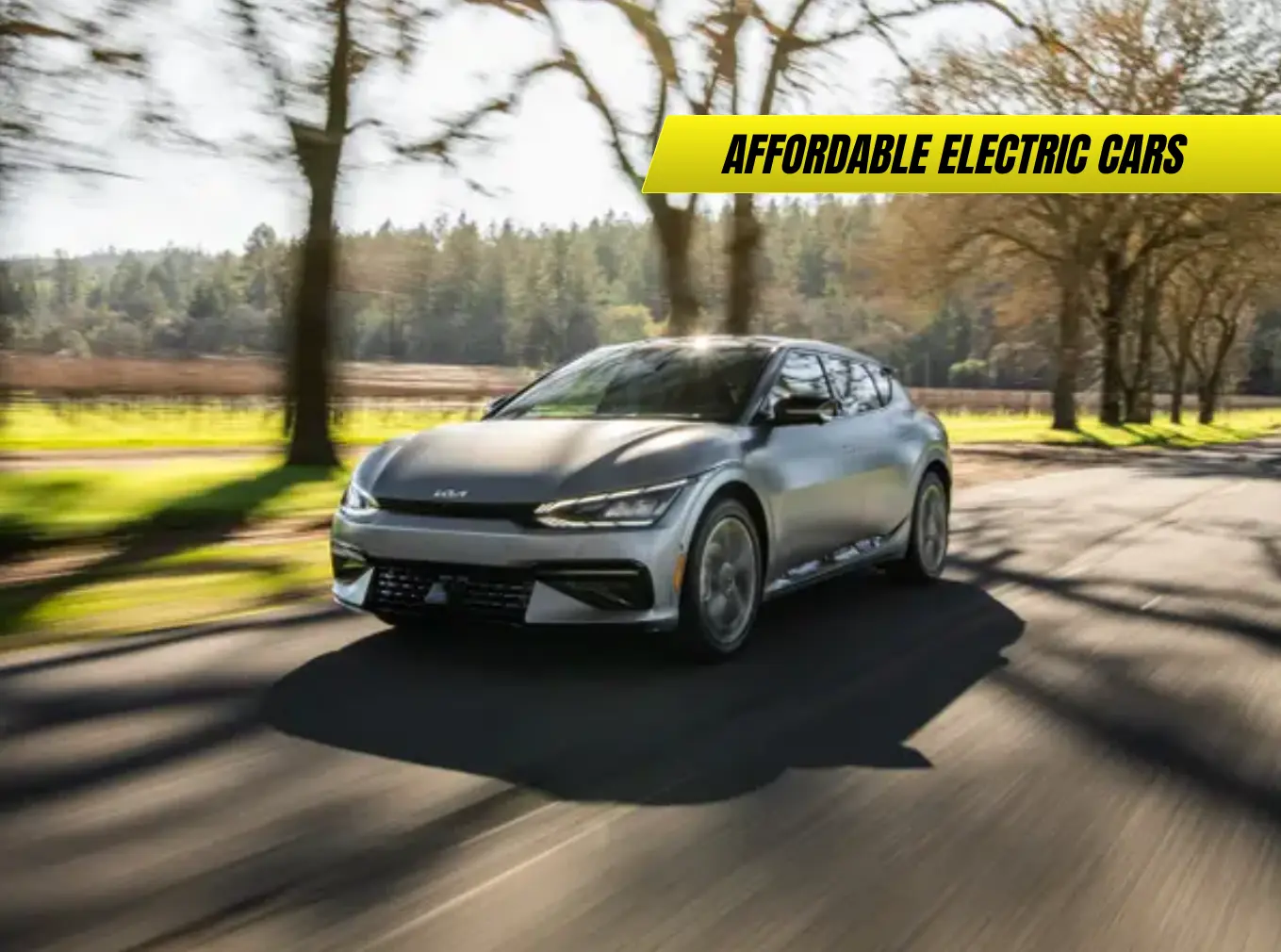
Discover the best affordable electric cars available in the UK for 2025. Expert reviews, prices, and practical advice for budget-conscious EV buyers.
The electric vehicle revolution is well underway in the UK, but many drivers still believe that going electric means breaking the bank. This comprehensive guide explores the most affordable electric cars available in the UK market for 2025, proving that sustainable motoring doesn’t have to cost a fortune. From government incentives to real-world running costs, we’ll examine everything you need to know about making the switch to electric without stretching your budget.
Key Points Summary
• Budget-friendly EVs start from around £15,000 for quality used models and £20,000+ for new vehicles • Government grants and incentives significantly reduce the total cost of ownership • Lower running costs including free road tax, reduced maintenance, and cheaper charging vs petrol • Impressive range improvements with most affordable EVs now offering 200+ miles per charge • Growing charging infrastructure makes electric driving more practical across the UK • Excellent resale values protect your investment in the rapidly evolving EV market
Understanding the UK Electric Car Market in 2025
The UK electric car market has matured significantly, with manufacturers now offering genuinely affordable options that don’t compromise on quality or practicality. In my experience, the definition of “affordable” in the EV space has shifted dramatically, with several excellent options now available under £25,000 new, and compelling used alternatives starting from £15,000.
The government’s commitment to phasing out petrol and diesel sales by 2030 has accelerated development, resulting in better batteries, improved charging speeds, and more competitive pricing. From my point of view, 2025 represents a sweet spot for budget-conscious buyers looking to make the electric transition.
Current Market Trends and Pricing
The used electric car market has become particularly attractive, with early Tesla Model 3s, Nissan Leafs, and Renault Zoes offering excellent value. New car buyers can take advantage of improved technology and longer warranties, whilst benefiting from the latest safety features and charging capabilities.
Top Affordable Electric Cars Available in the UK
Entry-Level Champions (£15,000-£20,000)
Nissan Leaf (2018-2020 models) remain one of the best entry points into electric motoring. With a real-world range of approximately 150-200 miles depending on the battery size, these vehicles offer proven reliability and an extensive UK dealer network. Insurance costs are reasonable, and the driving experience is refined and quiet.
Renault Zoe models from recent years provide excellent value, particularly the 52kWh versions offering around 200 miles of range. The subscription battery model (where available) can reduce upfront costs, though I would recommendchecking the total cost of ownership including monthly battery rental fees.
Mid-Range Options (£20,000-£30,000)
MG4 EV has revolutionised the affordable electric car segment, offering impressive build quality, a 270-mile range, and competitive pricing from around £26,000 new. The rear-wheel-drive layout provides engaging handling, whilst the spacious interior rivals much more expensive alternatives. This Chinese-manufactured vehicle represents the best value among Chinese SUVs and cars currently available in the UK market.
Volkswagen ID.3 provides German engineering credibility with excellent build quality and a comprehensive charging network through the VW ecosystem. Used examples from 2021-2022 offer particular value, combining the latest technology with depreciation benefits. For those considering the broader best cars under £25,000 category, the ID.3 stands out as a premium electric option.
Government Incentives and Financial Benefits
Available Grants and Support
Whilst the government’s plug-in car grant for private buyers has ended, several financial advantages remain. Company car tax rates for electric vehicles are significantly lower (2% BIK rate), making salary sacrifice schemes particularly attractive. Additionally, grants are available for home charging point installations, typically covering up to 75% of costs through the Electric Vehicle Homecharge Scheme.
Long-Term Financial Benefits
From my point of view, the financial case for affordable electric cars extends far beyond the purchase price. Road tax is currently free for electric vehicles, whilst maintenance costs are substantially lower due to fewer moving parts. Charging at home during off-peak hours can cost as little as 3-4p per mile, compared to 15-20p per mile for petrol vehicles.
| Cost Comparison | Electric Car | Petrol Equivalent |
|---|---|---|
| Annual Road Tax | £0 | £165-£600+ |
| Fuel/Energy Costs | £300-600 | £1,200-2,000 |
| Annual Service | £150-300 | £300-500 |
| MOT Requirements | Standard after 3 years | Standard after 3 years |
Range and Charging Infrastructure Analysis
Real-World Range Expectations
Modern affordable electric cars have largely solved the range anxiety issue. Most vehicles in our recommended list offer 200+ miles of real-world range, sufficient for the vast majority of UK journeys. Based on my test drives, factors affecting range include driving style, weather conditions, and use of heating or air conditioning.
UK Charging Network Development
The UK’s public charging infrastructure has expanded dramatically, with over 50,000 public charging points now available according to Zap-Map’s latest data. Rapid charging networks from providers like Ionity, Electrify Britain, and Tesla’s expanding Supercharger network make longer journeys increasingly practical.
I would recommend combining home charging (where possible) with strategic use of public rapid chargers for longer trips. Most affordable EVs support DC rapid charging at speeds of 50-100kW, enabling 10-80% charges in 30-45 minutes.
Best Value Models by Category
City Cars and Urban Commuters
For urban driving, the Fiat 500e offers Italian style with a 199-mile range and compact dimensions perfect for city parking. The Smart EQfortwo provides ultimate urban practicality, though with limited range making it suitable primarily for city use.
Family-Friendly Options
The MG5 EV estate offers exceptional practicality with a large boot and 214-mile range from around £24,000. Let’s analyse its value proposition: it provides estate car practicality with lower running costs than any comparable petrol alternative. When comparing affordable Chinese cars for UK buyers, the MG5 consistently ranks as one of the most practical family options.
Performance on a Budget
The MG4 XPower delivers hot hatch performance with 435hp and 0-62mph in 3.8 seconds, yet maintains affordable running costs and practical everyday usability.
Ownership Costs and Maintenance
Insurance Considerations
Electric car insurance has become increasingly competitive, with many insurers offering specialist EV policies. Factors affecting premiums include the vehicle’s value, repair costs, and safety ratings. Generally, electric cars score well on safety tests due to their low centre of gravity and advanced safety systems.
Servicing and Maintenance
In my experience, electric car servicing is significantly simpler than conventional vehicles. No oil changes, spark plugs, or complex transmission services are required. Annual services typically focus on brake checks, tyre condition, and software updates.
The regenerative braking systems in electric cars also extend brake pad life considerably, with some owners reporting minimal brake wear after 50,000+ miles.
Environmental and Practical Benefits
Emissions and Environmental Impact
Beyond the obvious zero local emissions benefit, the environmental case for electric cars in the UK continues strengthening as the electricity grid becomes increasingly renewable. According to official government statistics, the average electric car now produces approximately 40-50% fewer lifetime emissions than petrol equivalents.
Practical Daily Benefits
From my point of view, the practical benefits of electric driving extend beyond cost savings. The instant torque delivery makes for responsive urban driving, whilst the quiet operation significantly reduces driving stress. Pre-conditioning the cabin whilst plugged in means starting journeys in comfort regardless of weather.
Future-Proofing Your Purchase
Technology Developments
The affordable electric car segment continues evolving rapidly. Battery technology improvements, faster charging speeds, and enhanced connectivity features are becoming standard even in budget models. I would recommendprioritising vehicles with over-the-air update capability to ensure your car improves over time.
Resale Value Considerations
Contrary to early concerns about electric car depreciation, well-chosen affordable EVs are demonstrating strong resale values. The combination of government policy supporting electric adoption and limited used car availability is maintaining values well.
Frequently Asked Questions
What is the cheapest electric car available in the UK in 2025?
The cheapest new electric cars start around £20,000 for models like the Dacia Spring (if available) or entry-level MG4. Quality used electric cars can be found from £15,000, with 2018-2020 Nissan Leafs offering excellent value and proven reliability.
How much does it cost to charge an electric car at home?
Home charging costs vary depending on your electricity tariff. Using an off-peak rate of around 7-10p per kWh, a typical electric car costs £8-15 for a full charge providing 200-300 miles of range. This equates to approximately 3-5p per mile.
Are there any government grants available for electric cars in 2025?
While the plug-in car grant for private buyers has ended, grants remain available for home charging point installation (EVHS grant) and workplace charging schemes. Company car tax benefits make salary sacrifice schemes particularly attractive for electric vehicles.
What happens if I run out of charge in an electric car?
Modern electric cars provide multiple warnings before running out of charge, including navigation to nearby charging points. If you do run out, breakdown services like AA and RAC offer mobile charging services, though this situation is increasingly rare with improved range and charging infrastructure.
How long do electric car batteries last?
Most electric car batteries are warranted for 8 years or 100,000 miles, with many lasting significantly longer. Battery degradation is typically minimal in the first 5-7 years, with most vehicles retaining 80-90% of original capacity. Replacement costs are decreasing as technology improves.
Can I charge an electric car without a home charger?
Yes, many electric car owners successfully rely on public charging networks, particularly those living in flats or terraced houses without off-street parking. Workplace charging, rapid charging networks, and destination charging at supermarkets and shopping centres provide viable alternatives.
What’s the real-world range of affordable electric cars?
Most affordable electric cars now offer 200+ miles of real-world range. Factors affecting range include driving style, weather conditions, terrain, and use of heating/air conditioning. Winter range may be 10-20% lower than summer performance, but this rarely impacts daily usability.
Conclusion
The affordable electric car market in the UK has reached a tipping point where electric vehicles offer compelling value propositions for budget-conscious buyers. From my point of view, the combination of lower running costs, improving technology, and expanding charging infrastructure makes 2025 an excellent time to make the electric transition.
I would recommend focusing on your specific needs rather than maximum range or premium features. A well-chosen affordable electric car can provide years of reliable, cost-effective motoring whilst contributing to the UK’s environmental goals. The financial benefits alone often justify the switch, whilst the improved driving experience and reduced environmental impact provide additional value that’s difficult to quantify but impossible to ignore.
For those considering broader options beyond electric vehicles, our guide to the best cheap electric SUVs provides additional family-focused alternatives, whilst those interested in hybrid technology might explore why diesel hybrid cars remain relevant in 2025.





