
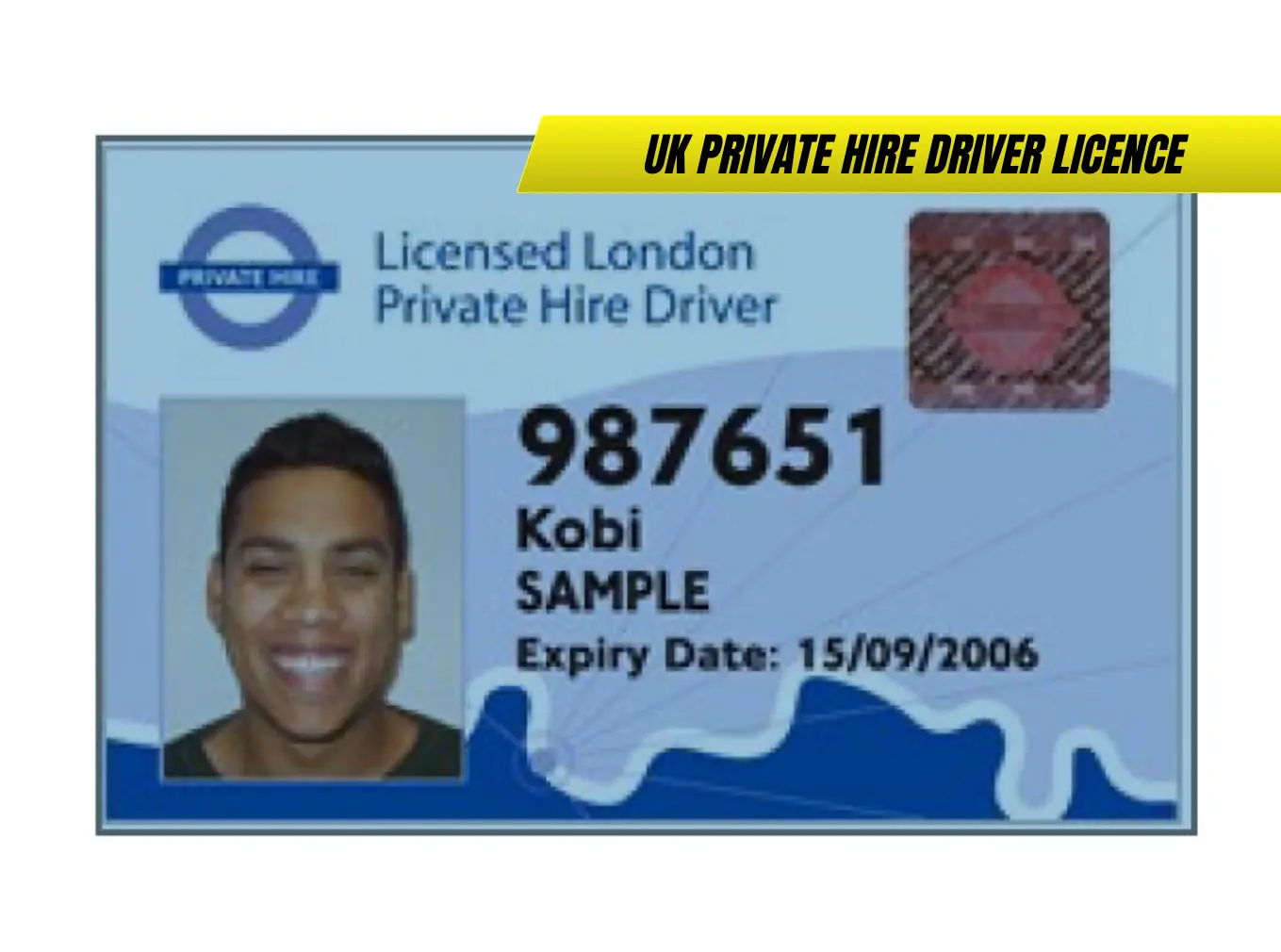
Complete guide to obtaining a UK private hire driver licence in 2025. Requirements, procedures, costs, and regulations for taxi and minicab drivers across Britain.
The private hire industry in the UK continues to evolve rapidly, with increasing demand for professional drivers across taxi services, ride-sharing platforms, and executive transport. Obtaining a private hire driver licence represents the first step towards a potentially lucrative career in passenger transport, though the requirements and procedures vary significantly across different local authorities. This comprehensive guide examines everything aspiring private hire drivers need to know about licensing requirements, application procedures, costs, and ongoing obligations across the UK in 2025.
Key Points Summary
• Local authority licensing means requirements vary significantly between different councils across the UK • Enhanced DBS checks are mandatory for all private hire driver applications with regular renewals required • Medical assessments ensure drivers meet strict health standards for passenger safety • Knowledge tests assess local geography, regulations, and customer service standards • Costs range from £200-£600 for initial licensing depending on location and additional requirements • Annual renewals maintain licence validity with ongoing compliance obligations
Understanding UK Private Hire Licensing
From my point of view, the UK’s fragmented approach to private hire licensing creates both opportunities and challenges for prospective drivers. Unlike many European countries with national licensing systems, the UK delegates responsibility to local authorities, resulting in varying standards and requirements across different regions.
In my experience advising prospective private hire drivers, understanding your local authority’s specific requirements represents the crucial first step. London’s Transport for London (TfL) operates the most complex system, whilst smaller councils often have more streamlined processes.
Legal Framework and Regulatory Structure
Local Government Licensing Powers
UK private hire licensing operates under the Local Government (Miscellaneous Provisions) Act 1976, granting local authorities broad powers to regulate taxi and private hire services within their boundaries. This legislation enables councils to set their own standards for driver competence, vehicle specifications, and operational requirements.
Based on my analysis of licensing frameworks across the UK, this local approach ensures services meet specific community needs whilst creating complexity for drivers operating across multiple authority areas.
Transport for London (TfL) Special Requirements
London operates under separate legislation through Transport for London, creating the most demanding licensing requirements in the UK. TfL licenses cover the entire Greater London area, providing broader geographical scope at the cost of more stringent requirements.
The TfL system includes mandatory English language assessments, comprehensive topographical knowledge tests, and enhanced background checks that exceed most other authorities’ standards.
Essential Requirements for Private Hire Licensing
Age and Driving Experience Criteria
Most UK local authorities require private hire driver applicants to be at least 21 years old with a minimum of 12 months’ driving experience on a full UK or EU driving licence. Some authorities accept older drivers up to age 65-70, though medical requirements become more stringent with age.
I would recommend checking specific age requirements with your local authority, as variations exist between different councils. Rural authorities sometimes accept younger drivers, whilst urban areas may impose stricter age criteria.
Enhanced DBS Criminal Record Checks
All private hire driver applications require Enhanced Disclosure and Barring Service (DBS) checks, examining criminal history to ensure passenger safety. The process typically takes 2-4 weeks and costs £40-60 depending on the checking service used.
From my point of view, the DBS check represents the most critical component of the licensing process. Any criminal convictions, particularly those involving violence, dishonesty, or motoring offences, may result in application refusal.
| Requirement Category | Standard Requirement | TfL Requirement | Typical Cost |
|---|---|---|---|
| Minimum Age | 21 years | 21 years | N/A |
| Driving Experience | 12 months | 12 months | N/A |
| DBS Check | Enhanced | Enhanced | £40-60 |
| Medical Assessment | Group 2 Standard | Group 2 Standard | £80-150 |
| English Language | Varies by authority | Mandatory test | £200 |
| Knowledge Test | Local geography | London topography | £50-200 |
Medical Fitness Requirements
Private hire drivers must meet Group 2 medical standards, the same requirements applied to lorry and bus drivers. This comprehensive medical assessment examines vision, hearing, cardiovascular health, and neurological function to ensure drivers can safely operate passenger vehicles.
Based on my research, medical assessments typically cost £80-150 and must be conducted by approved medical practitioners. The assessment includes eye tests, blood pressure monitoring, and review of medical history.
Application Process and Procedures
Initial Application Submission
The licensing application process begins with completing detailed application forms providing personal information, employment history, and declarations regarding criminal convictions or health conditions. Most authorities now accept online applications, streamlining the initial submission process.
I would recommend gathering all required documentation before starting the application to avoid delays. Incomplete applications often result in rejection and require resubmission with additional fees.
Required Documentation Checklist
Essential documents include full UK driving licence, passport or birth certificate for identity verification, proof of National Insurance number, and proof of address within the licensing authority’s area. Additional documentation may be required for specific circumstances.
In my experience, ensuring all documents are current and clearly legible prevents common application delays. Expired or poor-quality photocopies often result in application rejection.
Knowledge and Competency Testing
Most local authorities require knowledge tests covering local geography, licensing regulations, customer service standards, and basic vehicle safety. Test formats vary from written examinations to practical assessments, depending on local authority preferences.
London’s topographical knowledge test represents the most demanding requirement, requiring detailed knowledge of streets, landmarks, and optimal routes throughout the Greater London area. This test typically requires months of study and costs £200 per attempt.
Costs and Financial Considerations
Initial Licensing Fees
Private hire driver licence fees vary significantly across UK authorities, ranging from £200-300 in smaller councils to £500-600 in major cities like London. These fees typically cover application processing, testing, and initial licence issuance for 1-3 years depending on local policy.
From my analysis of licensing costs across major UK cities, London remains the most expensive but offers the largest potential market, whilst smaller authorities provide more affordable entry but limited earning opportunities.
Ongoing Renewal Costs
Annual licence renewals typically cost £100-200, though some authorities issue multi-year licences to reduce administrative burden. Renewal requirements often include updated DBS checks, medical assessments (every few years), and continuing professional development.
I would recommend budgeting for ongoing costs including insurance, vehicle compliance, and professional development when calculating total licensing expenses.
Additional Professional Costs
Beyond licensing fees, private hire drivers face significant additional costs including specialist insurance (£2,000-4,000 annually), vehicle compliance testing, professional development courses, and equipment such as taxi meters or booking systems.
According to HMRC guidance for taxi drivers, accurate record-keeping of all professional expenses enables tax relief claims that can significantly reduce net operating costs.
Vehicle Requirements and Compliance
Vehicle Age and Specification Limits
Most UK authorities impose vehicle age limits, typically requiring cars to be less than 5-8 years old at first licensing with maximum ages of 10-12 years. Vehicles must meet minimum safety and comfort standards including seat belts, door locks, and adequate passenger space.
Based on my evaluation of vehicle requirements across different authorities, hybrid and electric vehicles often receive preferential treatment through relaxed age limits or reduced fees, reflecting environmental priorities.
MOT and Compliance Testing
Private hire vehicles require MOT testing every six months (compared to annually for private cars), ensuring mechanical safety and roadworthiness. Some authorities operate their own testing stations, whilst others accept approved garage testing with enhanced inspection standards.
Compliance testing costs typically range from £50-100 per test, representing a significant ongoing expense for professional drivers. From my point of view, maintaining vehicles in excellent condition reduces compliance costs and improves passenger satisfaction.
Geographic Scope and Cross-Border Operations
Local Authority Boundaries
Private hire licences typically restrict operations to the licensing authority’s geographical area, though recent legal changes allow some cross-border working under specific circumstances. Understanding these restrictions prevents inadvertent regulatory breaches that could result in licence revocation.
I would recommend consulting legal advice if planning to operate across multiple authority areas, as the regulatory landscape continues evolving through court decisions and legislative changes.
London’s Unique Position
Transport for London licences provide access to the entire Greater London area, representing the UK’s largest single licensing area. However, TfL-licensed drivers cannot legally pick up passengers outside London unless separately licensed by destination authorities.
The size and complexity of London’s private hire market create both opportunities and challenges, with high earning potential offset by intense competition and demanding regulatory requirements.
Professional Development and Training
Mandatory Training Requirements
Many authorities require completion of approved training courses covering customer service, disability awareness, safeguarding, and regulatory compliance before licence issuance. These courses typically cost £100-300 and must be renewed periodically.
In my experience, high-quality professional development training significantly improves driver performance and customer satisfaction, leading to better earnings and fewer complaints.
Continuing Professional Development
Ongoing training requirements ensure drivers maintain professional standards throughout their careers. Topics typically include updated regulations, enhanced customer service techniques, and emerging safety requirements.
From my point of view, voluntary additional training in areas like executive driving, airport transfers, or disability assistance can provide competitive advantages and access to higher-value work opportunities.
Insurance and Financial Protection
Specialist Private Hire Insurance
Private hire drivers require specialist insurance policies covering passenger liability, goods in transit, and professional indemnity. Standard car insurance explicitly excludes commercial passenger transport, making specialist coverage legally mandatory.
Annual insurance costs typically range from £2,000-4,000 depending on driver experience, vehicle type, and operating area. I would recommend obtaining multiple quotes as prices vary significantly between insurers.
Business Structure Considerations
Most private hire drivers operate as sole traders for tax purposes, though some choose limited company structures for liability protection or tax efficiency. The choice affects insurance requirements, tax obligations, and professional responsibilities.
Professional accounting advice helps optimise business structure and ensure compliance with HMRC self-employment regulations, particularly important given the complex nature of private hire earnings and expenses.
Technology and Modern Operations
Booking Systems and Apps
Modern private hire operations increasingly rely on smartphone apps and digital booking systems, requiring drivers to adapt to rapidly evolving technology platforms. Major companies like Uber, Bolt, and local operators each use different systems requiring separate registration and compliance.
Based on my observation of industry trends, technological competence has become essential for successful private hire operations, with traditional radio-based systems declining rapidly in most urban areas.
Payment Processing and Financial Systems
Cashless payment systems dominate modern private hire operations, requiring drivers to manage card payments, digital wallets, and app-based transactions. Understanding these systems ensures maximum earning potential and customer satisfaction.
I would recommend maintaining both digital payment capabilities and cash acceptance to accommodate all customer preferences, particularly in areas with diverse demographics or tourist populations.
Enforcement and Compliance
Regulatory Enforcement Powers
Local authorities possess significant enforcement powers including licence suspension, vehicle impoundment, and criminal prosecution for regulatory breaches. Understanding these powers helps drivers maintain compliance and avoid serious consequences.
From my point of view, maintaining meticulous records of all professional activities provides protection against false allegations and demonstrates professionalism during any regulatory investigations.
Common Compliance Issues
Frequent compliance problems include operating outside licensed areas, inadequate insurance coverage, vehicle maintenance failures, and inappropriate driver behaviour. Most issues result from misunderstanding regulations rather than deliberate violations.
Regular review of licensing conditions and professional development help prevent common compliance failures that could jeopardise driver careers and financial security.
Frequently Asked Questions
How long does it take to get a private hire driver licence in the UK?
The licensing process typically takes 6-12 weeks from application submission to licence issuance, depending on local authority efficiency and application complexity. London TfL applications often take longer due to enhanced requirements and higher application volumes.
Can I work as a private hire driver with points on my driving licence?
Minor driving convictions may not prevent licensing, but authorities assess each case individually considering conviction type, timing, and overall driving record. Serious motoring offences or multiple convictions typically result in application refusal.
Do I need to live in the area where I want a private hire licence?
Most authorities require drivers to live within their licensing area or demonstrate strong local connections. Some authorities accept drivers from adjacent areas, whilst others impose strict residency requirements. Check specific requirements with your intended licensing authority.
How much can private hire drivers earn in the UK?
Earnings vary significantly by location, working hours, and operator type. London drivers often earn £25,000-40,000+ annually, whilst smaller cities typically generate £18,000-25,000. Factors include fuel costs, vehicle expenses, insurance, and local demand patterns.
Moving typically requires obtaining a new licence from your new local authority, as licences generally aren’t transferable between different councils. Some authorities offer expedited processing for experienced drivers, but full application processes usually apply.
Can private hire drivers refuse passenger requests?
Drivers can refuse requests for reasonable grounds including safety concerns, destination outside their licensed area, or passengers under the influence of alcohol. However, discrimination based on protected characteristics violates equality legislation and licensing conditions.
Do electric vehicles get preferential treatment for private hire licensing?
Many authorities offer incentives for electric and hybrid vehicles including relaxed age limits, reduced licensing fees, or expedited processing. These policies reflect environmental priorities and often provide significant cost advantages for environmentally conscious drivers.
Conclusion
Obtaining a UK private hire driver licence requires careful navigation of local authority requirements, significant financial investment, and ongoing commitment to professional standards. In my experience, successful drivers combine thorough preparation with realistic expectations about costs, earnings, and professional obligations.
I would recommend thoroughly researching your local authority’s specific requirements and speaking with existing drivers to understand real-world operational challenges. The private hire industry offers genuine opportunities for motivated individuals willing to meet demanding professional standards.
For those considering vehicle purchase decisions, our guides to best cars under £25,000 and family SUV optionsprovide valuable context for selecting appropriate private hire vehicles.
We recommend viewing private hire licensing as the beginning of a professional career requiring ongoing development, regulatory compliance, and customer service excellence. Success in this industry rewards those who approach it with professionalism, dedication, and thorough understanding of both regulatory requirements and customer expectations.





