
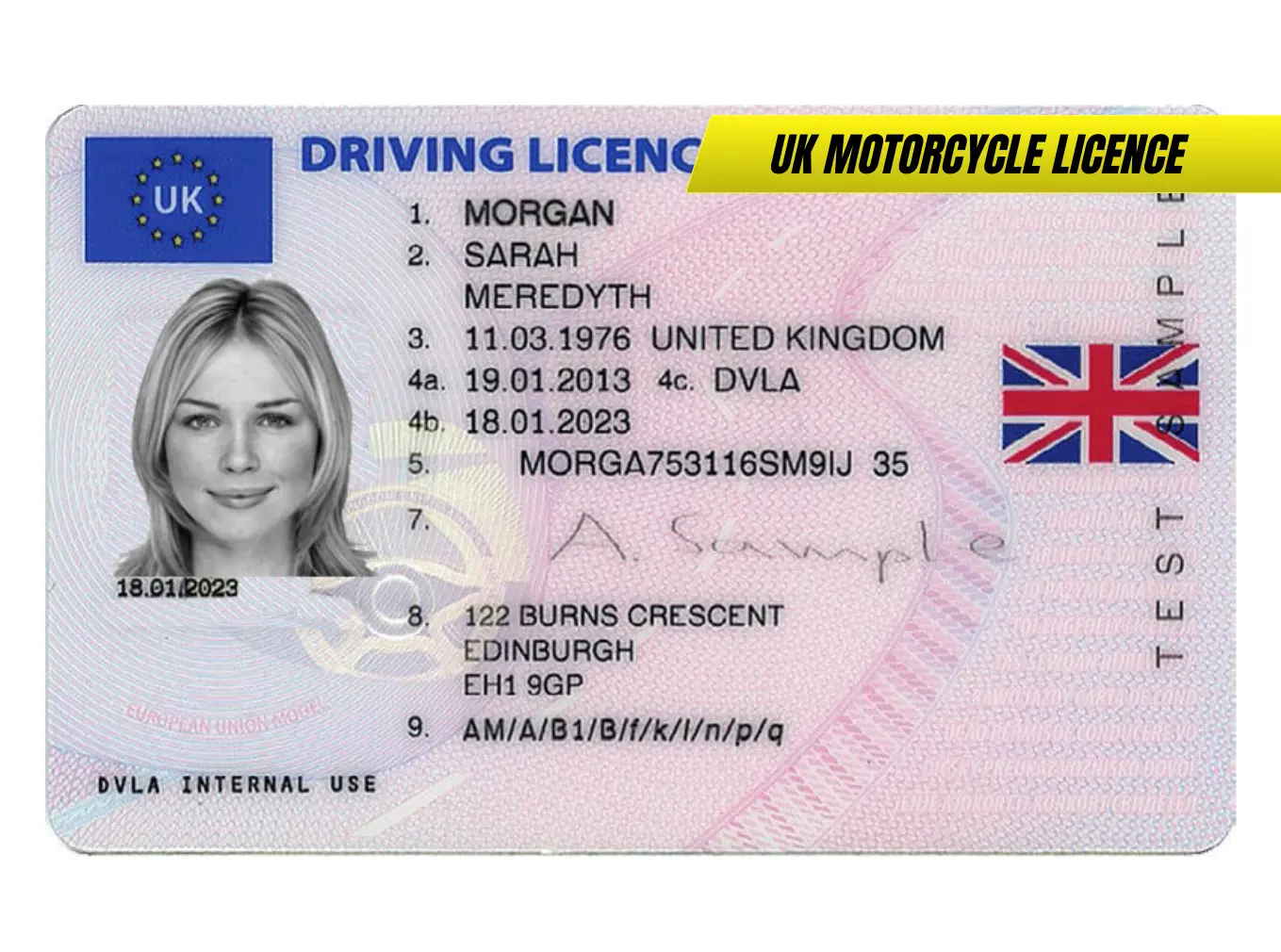
Complete guide to UK motorcycle licences in 2025. Requirements, costs, and procedures for A1, A2, A, AM, and CBT categories. Expert advice for aspiring motorcyclists.
The UK motorcycle licensing system provides a structured pathway for riders to progress from basic moped riding to high-performance motorcycles, ensuring safety whilst enabling personal transport freedom. Understanding the various licence categories, their requirements, and progression routes can save both time and money whilst ensuring legal compliance on UK roads. This comprehensive guide examines everything aspiring motorcyclists need to know about obtaining motorcycle licences in 2025, from initial CBT training through to full A category licensing for unlimited motorcycle riding.
Key Points Summary
• Compulsory Basic Training (CBT) is required for all powered two-wheeler riding and must be renewed every two years • Progressive licensing system allows riders to advance through categories based on age and experience • A1, A2, and A licences provide access to increasingly powerful motorcycles with different age requirements • Direct Access Scheme enables experienced riders over 24 to obtain full A licences immediately • Total costs range from £200-£1,000 depending on chosen route and training requirements • Practical and theory tests ensure riders meet safety standards before operating on public roads
Understanding UK Motorcycle Licence Categories
From my point of view, the UK’s progressive motorcycle licensing system successfully balances road safety with rider development, though the complexity can initially overwhelm newcomers. The system encourages gradual skill development whilst preventing inexperienced riders from accessing inappropriately powerful machines.
In my experience advising new motorcyclists, understanding the progression routes and restrictions helps riders plan their licensing journey effectively, potentially saving hundreds of pounds in unnecessary training and testing.
Compulsory Basic Training (CBT) – The Foundation
CBT Requirements and Process
All UK motorcycle and moped riders must complete Compulsory Basic Training (CBT) before riding on public roads. This one-day course covers basic motorcycle operation, highway code knowledge, and practical riding skills without requiring a formal test. CBT certificates remain valid for two years and cost approximately £100-150.
I would recommend completing CBT with an established training school offering quality instruction and modern equipment. The training typically takes 6-8 hours and includes both classroom theory and practical riding exercises in controlled environments.
CBT Course Structure
The CBT course comprises five distinct elements: introduction and eyesight check, highway code and safety knowledge, off-road riding training, on-road riding preparation, and supervised on-road riding. Successful completion of all elements results in certificate issuance enabling legal road riding.
Based on my observation of CBT training, the quality varies significantly between providers. Research training schools thoroughly, reading reviews and visiting facilities before booking to ensure quality instruction that properly prepares riders for road riding.
Vehicle Categories Covered by CBT
CBT enables riding of mopeds (50cc, maximum 28mph) and motorcycles up to 125cc with maximum power output of 11kW. Riders must display L-plates, cannot carry passengers, and cannot use motorways. These restrictions apply until progression to full motorcycle licences.
From my point of view, CBT provides an excellent introduction to motorcycling whilst maintaining appropriate safety restrictions for inexperienced riders.
AM Category – Moped Licence
AM Licence Requirements
The AM category covers mopeds and light quadricycles, available from age 16 with CBT completion. This licence enables independent transport for young people whilst maintaining strict power and speed limitations for safety.
AM licence holders can ride mopeds up to 50cc with maximum speeds of 28mph (45km/h). The licence also covers light quadricycles up to 350kg unladen weight with similar power restrictions.
Progression and Limitations
I would recommend the AM category for young riders seeking basic transport independence, particularly in rural areas with limited public transport. However, the speed limitations significantly restrict utility on faster roads common throughout the UK.
The AM licence provides excellent preparation for progression to higher categories, developing basic traffic awareness and machine control skills essential for larger motorcycles.
| Licence Category | Minimum Age | Vehicle Restrictions | Test Requirements | Typical Cost |
|---|---|---|---|---|
| AM | 16 years | 50cc moped, 28mph max | CBT + Theory + Practical | £300-400 |
| A1 | 17 years | 125cc, 11kW max | CBT + Theory + Practical | £400-600 |
| A2 | 19 years | 35kW max, 0.2kW/kg | CBT + Theory + Practical | £500-700 |
| A | 24 years (Direct) | Unlimited | CBT + Theory + Practical | £600-800 |
| A | 21 years (Progressive) | Unlimited after 2 years A2 | Practical test only | £200-300 |
A1 Category – Light Motorcycle Licence
A1 Licence Capabilities
The A1 category permits motorcycles up to 125cc with maximum power output of 11kW and power-to-weight ratio not exceeding 0.1kW per kg. Available from age 17, this licence removes CBT restrictions including L-plates, passenger carrying, and motorway prohibitions.
In my experience, the A1 licence provides genuine motorcycling freedom for younger riders, enabling longer journeys and passenger carrying that significantly extends utility beyond CBT limitations.
Training and Testing Requirements
A1 licensing requires theory test completion followed by practical testing on motorcycles within the category limits. Most training schools offer complete packages including bike hire, instruction, and test bookings for approximately £400-600.
The practical test comprises Module 1 (off-road manoeuvres and exercises) and Module 2 (on-road riding assessment). Both modules must be passed within two years of theory test completion.
A1 Practical Applications
From my point of view, A1 licences suit riders seeking reliable transport with moderate performance capabilities. Modern 125cc motorcycles offer excellent fuel economy (80-100mpg) and sufficient performance for most UK roads excluding motorways.
The licence particularly benefits younger riders in rural areas where public transport options remain limited and car ownership proves expensive.
A2 Category – Medium Motorcycle Licence
A2 Power and Weight Restrictions
Available from age 19, the A2 category permits motorcycles up to 35kW (47hp) with power-to-weight ratios not exceeding 0.2kW per kg. Motorcycles exceeding these limits when unrestricted cannot be used even with power restriction modifications.
I would recommend the A2 category for riders seeking genuine performance capabilities whilst maintaining legal compliance. The power limits accommodate most real-world riding requirements including motorway cruising and two-up touring.
Popular A2 Motorcycle Options
Modern A2-compliant motorcycles include sport bikes, adventure tourers, naked bikes, and cruisers offering diverse riding experiences within legal restrictions. Manufacturers increasingly design motorcycles specifically for A2 compliance, providing excellent options without restriction requirements.
Based on my testing of various A2 motorcycles, the performance proves more than adequate for UK conditions, with many machines feeling substantially more powerful than their paper specifications suggest.
Training Investment and Progression
A2 training typically costs £500-700 including theory test preparation, practical training, test fees, and motorcycle hire. This investment provides immediate access to meaningful motorcycling whilst enabling progression to full A licences after two years.
The two-year minimum holding period ensures riders develop substantial experience before accessing unlimited power motorcycles, supporting the system’s safety objectives.
A Category – Full Motorcycle Licence
Direct Access Route
Riders aged 24 or over can pursue full A licences immediately through the Direct Access Scheme, bypassing lower categories entirely. This route requires CBT completion, theory test passing, and practical testing on motorcycles exceeding 40kW (54hp).
From my point of view, Direct Access suits mature riders with car driving experience seeking immediate access to high-performance motorcycles. The age requirement ensures emotional maturity appropriate for unlimited power machines.
Progressive Access Route
A2 licence holders can progress to full A licences after two years by completing practical testing only, avoiding theory test repetition. This route typically costs £200-300, significantly less than initial licensing whilst providing unlimited riding privileges.
I would recommend the progressive route for younger riders, as the experience gained during A2 holding provides valuable preparation for high-performance motorcycle operation.
Unlimited Riding Privileges
Full A licences remove all power and weight restrictions, enabling operation of any motorcycle legally available in the UK. This includes superbikes, large touring machines, and high-performance adventure motorcycles exceeding 100hp.
Theory Test Requirements and Preparation
Theory Test Structure
All motorcycle licence categories require theory test completion comprising multiple-choice questions and hazard perception assessment. The motorcycle theory test contains 50 questions with 43 correct answers required for passing, plus hazard perception scoring requiring 57 points from 75 maximum.
Based on my analysis of theory test statistics, preparation significantly improves passing rates. Official DVSA materials provide comprehensive coverage of required knowledge, whilst commercial apps offer convenient practice opportunities.
Hazard Perception Training
The hazard perception element challenges riders to identify developing hazards through video scenarios. Scoring requires clicking when hazards begin developing, with points awarded for appropriate timing and hazard recognition.
In my experience, hazard perception training significantly improves road safety awareness beyond test requirements. The skills developed during preparation translate directly to safer riding practices in real-world conditions.
Study Materials and Costs
Theory test fees cost £23, whilst preparation materials range from free online resources to comprehensive commercial packages costing £30-50. I would recommend using official DVSA materials supplemented by commercial apps for convenient practice.
According to DVSA guidance, thorough preparation typically requires 20-40 hours of study depending on existing road traffic knowledge and learning preferences.
Practical Test Components and Assessment
Module 1 – Off-Road Assessment
Module 1 comprises controlled manoeuvres including slalom, figure-of-eight, slow riding, U-turn, cornering, and emergency stop exercises. These assessments evaluate basic machine control and low-speed handling essential for safe road riding.
The test takes place in secure off-road environments using training school motorcycles appropriate for the licence category pursued. From my observation, consistent practice significantly improves passing rates whilst developing essential riding skills.
Module 2 – On-Road Evaluation
Module 2 assesses road riding competence through approximately 40 minutes of supervised riding covering diverse road types and traffic conditions. Examiners evaluate positioning, observation, signals, speed control, and overall safety awareness.
I would recommend extensive road practice before attempting Module 2, as the assessment covers complex traffic situations requiring confident decision-making and machine control under pressure.
Common Test Failures and Prevention
Frequent test failures include poor observation at junctions, inappropriate speed for conditions, inadequate following distances, and positioning errors. Most failures result from nervousness rather than fundamental skill deficiencies.
Based on my experience with test preparation, addressing nervousness through extensive practice and mock tests significantly improves passing probability whilst developing genuine riding competence.
Training School Selection and Quality
Choosing Quality Instruction
Training school quality varies significantly across the UK, affecting both learning outcomes and test passing rates. Research schools thoroughly, reading reviews, visiting facilities, and speaking with former students before committing to training packages.
From my point of view, quality instruction represents excellent value through improved learning efficiency and higher first-time passing rates. Poor instruction often results in multiple test attempts and extended training periods increasing total costs substantially.
Training Package Components
Comprehensive training packages typically include CBT completion, theory test preparation, practical training for both modules, test booking assistance, and motorcycle hire for assessments. Package deals often provide better value than individual component purchasing.
I would recommend packages including post-test support such as advanced riding courses or bike purchase advice, as the learning journey continues beyond licence acquisition.
Costs and Financial Planning
Total Investment Requirements
Complete motorcycle licensing costs range from £300-£1,000 depending on chosen route, training requirements, and test success rates. Direct Access represents the most expensive option but provides immediate access to unlimited riding privileges.
Based on my analysis of licensing costs across different routes, the progressive approach often proves most cost-effective for younger riders whilst providing appropriate skill development periods.
Additional Equipment Costs
Beyond licensing fees, new riders face significant equipment costs including helmets (£50-500), protective clothing (£200-1,000), and potentially motorcycle purchase or finance arrangements. Quality protective equipment represents essential safety investment.
I would recommend prioritising safety equipment quality over cost savings, as superior protection significantly reduces injury risk in accident situations common during early riding careers.
Legal Obligations and Compliance
Insurance Requirements
All UK motorcycles require minimum third-party insurance coverage, with costs varying significantly based on rider experience, motorcycle type, and geographical location. New riders often face premium costs of £500-2,000+ annually.
From my point of view, comprehensive insurance comparison shopping can identify significant savings, whilst advanced riding course completion often qualifies for premium discounts offsetting training costs.
Road Tax and Registration
Motorcycles require annual road tax payment and DVLA registration maintenance. Road tax rates depend on engine size and emissions, ranging from £0 for some small machines to £100+ for high-performance motorcycles.
According to DVLA guidelines, electric motorcycles currently qualify for zero road tax, providing ongoing cost advantages supporting environmental objectives.
Advanced Training and Skill Development
Post-Test Training Options
Advanced riding courses including Enhanced Rider Scheme, BikeSafe, and commercial track days provide skill development beyond basic licensing requirements. These courses often qualify for insurance discounts whilst significantly improving riding safety and enjoyment.
I would recommend pursuing advanced training within six months of licence acquisition, as the transition from training school environments to independent riding often reveals skill gaps requiring professional attention.
Continuing Education Benefits
Regular skills assessments and training updates help riders adapt to changing road conditions, traffic patterns, and personal capabilities throughout their riding careers. Many experienced riders credit ongoing training with accident prevention and enhanced riding pleasure.
Frequently Asked Questions
Can I ride any motorcycle with a full car driving licence?
No, motorcycle riding requires specific motorcycle licences regardless of car driving experience. However, car drivers can complete CBT and immediately ride 125cc motorcycles with L-plates, providing basic motorcycle access without full licensing.
How long does it take to get a full motorcycle licence?
For riders over 24, Direct Access typically takes 4-8 weeks from starting CBT to obtaining full A licences. Younger riders following progressive routes require minimum periods: A1 at 17, A2 at 19, then A after two years A2 experience.
What happens if I fail my motorcycle test?
Failed tests can be retaken after 10 working days for theory tests and 10 working days for practical tests. Additional training often proves beneficial before retakes, particularly for practical test failures involving fundamental skill deficiencies.
Do I need my own motorcycle for training and testing?
Training schools typically provide motorcycles for both instruction and testing, included in package pricing. Some experienced riders prefer using personal motorcycles for testing, though this requires appropriate insurance and category compliance.
Can I upgrade from A2 to A licence without additional training?
The A2 to A upgrade requires only practical testing without mandatory additional training, though many riders benefit from refresher lessons before testing. The test uses unlimited power motorcycles requiring confidence with higher performance machines.
Are there any medical requirements for motorcycle licences?
Standard UK driving licence medical requirements apply to motorcycle licences. Riders must declare medical conditions that might affect riding ability, though most conditions don’t prevent licensing with appropriate medical clearance.
What’s the difference between theory tests for cars and motorcycles?
Motorcycle theory tests include motorcycle-specific questions covering vulnerable road user interactions, weather effects on motorcycle handling, and motorcycle-specific highway code provisions. The hazard perception element uses motorcycle-perspective scenarios.
Conclusion
The UK motorcycle licensing system provides a comprehensive framework enabling safe progression from basic riding to unlimited motorcycle operation. In my experience, the structured approach successfully balances safety objectives with riding freedom, though the complexity requires careful planning to optimise time and cost efficiency.
I would recommend viewing motorcycle licensing as an investment in long-term riding safety and enjoyment rather than simply meeting minimum legal requirements. Quality training and progressive skill development create confident, competent riders whilst reducing accident risk throughout riding careers.
For those considering motorcycle purchase decisions, our guides to best vehicles under £25,000 provide context for transport budget planning, whilst family vehicle options help evaluate motorcycles alongside alternative transport solutions.
We recommend approaching motorcycle licensing with realistic timescales, adequate budget provision, and commitment to ongoing skill development. The freedom and efficiency of motorcycle transport rewards those who invest properly in training, equipment, and continuing education throughout their riding careers.





