
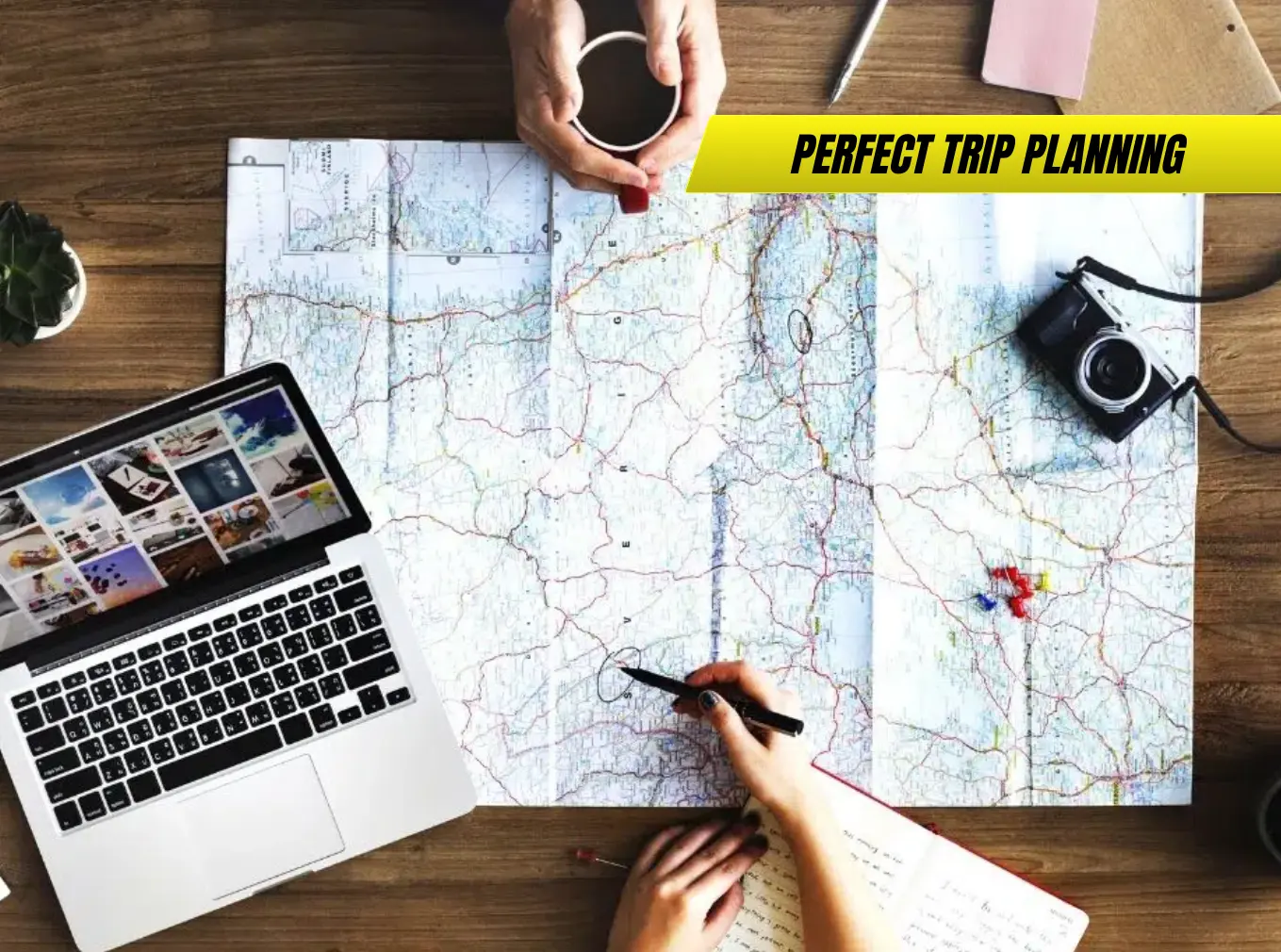
Ultimate UK trip planning guide 2025: Expert route planning, accommodation booking, transport options, budget tips, and essential apps for the perfect British adventure.
Planning the perfect UK trip requires more than just booking flights and hotels – it demands understanding Britain’s unique geography, transport systems, weather patterns, and cultural nuances that can make or break your experience. Whether you’re organising a weekend city break, a comprehensive multi-region tour, or a scenic road trip through the countryside, successful UK travel planning involves balancing logistics, costs, and experiences to create memories that last a lifetime. This comprehensive guide provides everything you need to craft your ideal British adventure.
Key Takeaways:
- ✓ UK’s compact size allows comprehensive touring, but realistic timing prevents rushed experiences
- ✓ Transport flexibility between trains, rental cars, and domestic flights optimises different regions
- ✓ Seasonal planning dramatically affects costs, weather, and attraction availability
- ✓ Advanced booking saves money but flexibility enhances spontaneous discovery opportunities
- ✓ Regional variations in costs, culture, and logistics require tailored planning approaches
Understanding UK Geography and Regional Planning
The United Kingdom’s deceptively compact size creates both opportunities and challenges for trip planning. In my experience organising UK travel for over 15 years, the biggest mistake visitors make is underestimating travel times and attempting to cover too much ground too quickly.
The UK comprises four distinct countries – England, Scotland, Wales, and Northern Ireland – each offering unique landscapes, cultures, and experiences within a landmass smaller than many US states. However, the dense population, narrow roads, and varied terrain mean distances that appear short on maps often require significant travel time, particularly in mountainous regions like the Scottish Highlands or rural areas of Wales.
From my point of view, successful UK trip planning requires understanding regional characteristics and matching them to your interests and available time. England offers the greatest diversity in a compact area, from London’s urban sophistication to the Cotswolds’ rural charm. Scotland provides dramatic landscapes and cultural heritage but requires more time for meaningful exploration. Wales delivers outstanding natural beauty concentrated in accessible areas, while Northern Ireland offers unique history and geology often overlooked by mainstream tourism.
Regional Time Allocations:
- London: Minimum 3-4 days for major attractions
- England beyond London: 5-7 days for meaningful regional exploration
- Scotland: 7-10 days to experience Highlands, cities, and islands properly
- Wales: 4-5 days covers major attractions and natural areas
- Northern Ireland: 3-4 days sufficient for highlights including Giant’s Causeway
For those planning to drive during their UK visit, understanding current regulations is essential. Our guide to UK speed camera regulations provides crucial information for safe and legal driving.
Seasonal Planning: Timing Your UK Adventure
Understanding Britain’s seasonal variations affects every aspect of trip planning, from costs and weather to attraction opening hours and cultural events.
Spring (March-May): Renewal and Awakening
Advantages:
- Mild Weather: Temperatures 8-15°C, increasing daylight hours
- Garden Splendour: Famous gardens at peak bloom, including Kew and Chelsea Flower Show
- Lower Costs: Pre-peak season pricing for accommodation and attractions
- Easter Events: Traditional celebrations and family-friendly activities
Considerations:
- Variable Weather: Changeable conditions requiring flexible clothing
- Bank Holidays: Easter weekend affects transport and accommodation availability
- Limited Daylight: Still shorter days in March, improving through May
Best For: Garden enthusiasts, budget-conscious travellers, families during Easter holidays
Summer (June-August): Peak Season Glory
Advantages:
- Long Days: Up to 18 hours of daylight in Scotland, 16+ hours in England
- Warmest Weather: Temperatures 15-25°C, optimal for outdoor activities
- Festival Season: Edinburgh Fringe, Glastonbury, countless local events
- Full Access: All attractions open, maximum transport services
Challenges:
- Peak Pricing: Highest accommodation costs, advance booking essential
- Crowds: Popular attractions extremely busy, particularly weekends
- School Holidays: July-August especially crowded with family travel
- Weather Unpredictability: Rain possible despite summer timing
Best For: Festival-goers, families with school-age children, outdoor activity enthusiasts
Autumn (September-November): Hidden Gem Season
Advantages:
- Comfortable Weather: September often warmest, pleasant through October
- Stunning Colours: Autumn foliage spectacular, especially in Lake District and Scotland
- Post-Summer Pricing: Reduced costs without sacrificing weather quality
- Harvest Season: Food festivals, apple picking, countryside celebrations
Considerations:
- Decreasing Daylight: Rapidly shortening days, particularly November
- Weather Uncertainty: November can be wet and windy
- Attraction Hours: Reduced opening times as winter approaches
Best For: Photography enthusiasts, food lovers, value-conscious travellers
Winter (December-February): Festive and Cosy
Advantages:
- Christmas Magic: London’s lights, Christmas markets, festive atmosphere
- Indoor Attractions: Museums, galleries, cosy pubs at their most appealing
- Low Season Pricing: Significant savings on accommodation and some attractions
- Burns Night (January): Scottish cultural celebrations and events
Challenges:
- Limited Daylight: 7-8 hours maximum, affecting outdoor activities
- Cold Weather: Temperatures 2-8°C, often wet and windy
- Reduced Services: Some attractions closed, limited rural transport
- Weather Disruption: Potential snow/ice affecting transport
Best For: Christmas enthusiasts, museum lovers, budget travellers, urban explorers
Transport Options: Choosing Your UK Travel Method
Selecting the right transport method dramatically affects your UK experience, costs, and flexibility. Each option offers distinct advantages depending on your itinerary, group size, and travel style.
Rail Travel: The Classic British Experience
Advantages:
- City Centre Connections: Direct links between major destinations
- Scenic Routes: Beautiful countryside views, especially in Scotland and Wales
- Environmental Benefits: Lower carbon footprint than car or air travel
- No Driving Stress: Relax, read, or plan while travelling
- Weather Independence: Operates in conditions that might challenge driving
Rail Passes and Savings:
- BritRail Pass: Unlimited travel for overseas visitors (7-22 days, £199-589)
- Advance Booking: Up to 70% savings booking 12 weeks ahead
- Off-Peak Travel: Significant savings avoiding peak hours (09:30-15:30, after 19:00)
- Railcard Discounts: 16-25, Two Together, Senior, Family railcards offering 1/3 off
Limitations:
- Rural Access: Limited service to remote areas, particularly Scottish islands
- Luggage Restrictions: Space limitations for large groups or extensive luggage
- Strike Disruption: Occasional industrial action affecting services
- Peak Pricing: Expensive during busy periods without advance booking
Self-Drive: Maximum Flexibility
Benefits:
- Complete Freedom: Stop anywhere, anytime, explore hidden gems
- Rural Access: Reach remote locations impossible by public transport
- Cost-Effective Groups: Economical for 3+ people, especially longer trips
- Luggage Freedom: No restrictions on what you carry
- Door-to-Door: Accommodation to accommodation convenience
Considerations:
- Left-Hand Driving: Adjustment period for overseas visitors
- Narrow Roads: Particularly challenging in Scotland, Wales, rural England
- Parking Costs: Expensive in cities (£2-5/hour), limited in popular areas
- Insurance Requirements: Comprehensive coverage essential, check international licences
Driving Tips:
- Sat Nav Essential: GPS navigation crucial for narrow, unmarked roads
- Fuel Planning: Petrol stations sparse in remote areas, particularly Scotland
- City Avoidance: Use park-and-ride schemes for major cities
- Insurance Coverage: Ensure adequate protection for rental vehicles
UK Driving Requirements: International visitors should understand UK driving regulations and licence requirements. Our comprehensive guide to International Driving Permits covers essential documentation needs.
Domestic Flights: Time-Saving for Long Distances
When Effective:
- London to Edinburgh: 1.5 hours vs 4.5 hours by train
- London to Belfast: 1.5 hours vs complex ferry/train combinations
- Island Access: Reaching Scottish islands quickly from mainland
- Time-Critical Travel: Business or short trips requiring maximum efficiency
Budget Airlines:
- EasyJet, Ryanair: London to Edinburgh from £30-80
- British Airways: Premium service, higher costs but more reliability
- Loganair: Scottish island connections, essential for Hebrides access
Hybrid Transport Strategies
Optimal Combinations:
- Train + Car: Rail to regions, hire locally for rural exploration
- Fly + Public Transport: Fly to Scotland, use buses/trains for touring
- City Train + Rural Car: Public transport for cities, driving for countryside
- Base Camps: Stay put for 3-4 days, explore locally without daily packing
Accommodation Strategy: Balancing Comfort, Cost, and Location
Accommodation represents the largest single expense for most UK trips, making strategic selection crucial for budget management while ensuring trip satisfaction.
Hotel Categories and Expectations
Budget Hotels (£40-80/night):
- Premier Inn, Travelodge: Consistent standards, good locations, advance booking discounts
- Facilities: Basic but clean rooms, usually en-suite, limited services
- Best For: Short stays, business travel, budget-conscious families
- Booking Strategy: Advance online booking offers significant savings
Mid-Range Hotels (£80-150/night):
- Independent Hotels: Character properties with local flavour
- Chain Standards: Holiday Inn, Hilton Garden Inn offering reliable comfort
- Facilities: Better locations, room service, concierge services
- Best For: Leisure travel, longer stays, comfort-priority travellers
Luxury Hotels (£150-500+/night):
- Historic Properties: Converted castles, manor houses, heritage buildings
- International Brands: Four Seasons, Mandarin Oriental, ultra-high standards
- Unique Experiences: Spa facilities, fine dining, concierge services
- Best For: Special occasions, luxury experiences, high-end business travel
Alternative Accommodation Options
Bed & Breakfasts (£60-120/night):
- Personal Service: Local knowledge, home-cooked breakfast included
- Character: Often in converted homes, unique properties
- Limitations: Shared facilities possible, limited services
- Best For: Cultural immersion, countryside stays, personal connections
Self-Catering (£50-200/night):
- Cottages: Rural properties, often historic, complete privacy
- Apartments: City centre locations, kitchen facilities, longer stays
- Cost Benefits: Meal preparation saves money, family-friendly
- Best For: Families, groups, extended stays, cooking enthusiasts
Youth Hostels (£15-40/bed):
- YHA Network: Clean, safe, social atmosphere
- Private Rooms: Available alongside dormitory accommodation
- Facilities: Self-catering kitchens, common areas, tour information
- Best For: Budget travel, solo travellers, social experiences
Booking Strategies and Timing
Advance Booking Benefits:
- Price Savings: Up to 50% off booking 6-12 weeks ahead
- Room Selection: Better availability, preferred locations
- Package Deals: Flight + hotel combinations often cost-effective
- Cancellation Policies: Many offer free cancellation for flexibility
Last-Minute Options:
- Hotel Apps: Same-day deals through HotelTonight, Booking.com
- Walk-In Rates: Sometimes negotiable, especially off-season
- Risk Factors: Limited availability, no choice in room type/location
- Best For: Flexible itineraries, off-season travel, spontaneous trips
Essential UK Travel Apps and Digital Tools
Modern technology transforms UK trip planning and navigation, making complex itineraries manageable while uncovering experiences impossible to find otherwise.
Comprehensive Planning Apps
Roadtrippers (Free/£6 monthly premium):
- Route Planning: Custom routes with points of interest automatically suggested
- Hidden Gems: Database of 38+ million locations including quirky attractions
- Offline Maps: Download for areas with poor signal coverage
- Best For: Road trips, discovering unusual attractions, flexible routing
TripIt (Free/£49 annually premium):
- Itinerary Organisation: Consolidates confirmations into chronological schedules
- Document Storage: Boarding passes, hotel confirmations, restaurant bookings
- Real-Time Updates: Flight delays, gate changes, weather alerts
- Best For: Complex itineraries, business travel, group coordination
Wanderlog (Free with premium features):
- Budget Tracking: Expense monitoring with category breakdown
- Collaboration: Share itineraries with travel companions
- Offline Access: Works without internet connection
- Best For: Budget-conscious travellers, group trips, detailed planning
Citymapper (Free):
- Multi-Modal Routing: Combines walking, public transport, cycling, ridesharing
- Real-Time Updates: Live transport information, disruption alerts
- Cost Comparison: Shows cheapest/fastest route options
- Coverage: London, Edinburgh, Manchester, other major UK cities
National Rail Enquiries (Free):
- Live Information: Real-time departures, delays, platform information
- Ticket Purchasing: Mobile tickets, advance booking discounts
- Journey Planning: Multi-leg trips with connection information
- Essential For: All UK rail travel, especially complex routes
RAC Route Planner (Free):
- UK-Specific Routing: Understands British roads, traffic patterns
- Toll Information: Includes toll costs and alternative routes
- Traffic Updates: Real-time congestion information
- Best For: UK driving, avoiding tolls, traffic management
Discovery and Local Experience Apps
AllTrails (Free/£29.99 annually premium):
- Hiking Routes: 50,000+ UK trails with difficulty ratings and reviews
- Offline Maps: Download maps for areas without signal
- Community Reviews: Real user experiences and trail conditions
- Perfect For: Outdoor enthusiasts, Lake District, Scottish Highlands exploration
TimeOut (Free):
- Local Events: Current exhibitions, festivals, restaurant openings
- Curated Recommendations: Editor-selected experiences and hidden gems
- Last-Minute Booking: Restaurant reservations, event tickets
- Best For: City exploration, cultural events, dining discoveries
English Heritage/National Trust Apps (Free):
- Property Information: Opening times, ticket prices, historical context
- Audio Guides: Self-guided tours of historic properties
- Member Benefits: Discounts and exclusive access information
- Essential For: Historical attractions, castle visits, cultural tourism
Budgeting Your UK Trip: Realistic Cost Planning
Understanding UK travel costs helps create realistic budgets while identifying opportunities for savings without compromising experience quality.
Daily Budget Breakdowns
Budget Travel (£40-60/day per person):
- Accommodation: £15-25 (hostels, shared rooms)
- Meals: £15-20 (self-catering, pub meals, casual dining)
- Transport: £5-10 (local buses, off-peak trains, walking)
- Attractions: £5-10 (free museums, walking tours, parks)
Mid-Range Comfort (£80-120/day per person):
- Accommodation: £40-60 (B&Bs, mid-range hotels, private rooms)
- Meals: £25-35 (restaurant lunches, pub dinners, occasional splurges)
- Transport: £15-20 (trains, taxis for convenience, moderate distances)
- Attractions: £15-25 (paid attractions, guided tours, experiences)
Luxury Experience (£200+/day per person):
- Accommodation: £100-200+ (luxury hotels, unique properties)
- Meals: £50-80 (fine dining, afternoon tea, premium experiences)
- Transport: £30-50 (first-class travel, private transfers, convenience)
- Attractions: £30-50 (exclusive tours, premium experiences, theatre)
Regional Cost Variations
London Premium (Add 30-50% to base budgets): London costs significantly exceed other UK regions, particularly accommodation and dining. However, many attractions remain free or reasonably priced.
Scotland Highlands (Add 20-30%): Remote locations command premium pricing due to transport costs and limited supply, especially accommodation and fuel.
Northern England/Wales (Standard budgets): Generally more affordable than London while offering excellent value for attractions and accommodation.
Money-Saving Strategies
Advance Planning Savings:
- Early Booking: 20-50% savings on accommodation, attractions
- Off-Peak Travel: 30-60% savings on transport, accommodation
- Package Deals: Flight + hotel combinations often cost-effective
- Group Bookings: Family tickets, group tours, shared accommodation
Free and Low-Cost Experiences:
- Free Museums: Tate Modern, British Museum, National Gallery (donations welcomed)
- Walking Tours: Free tours in most major cities (tip-based)
- Public Spaces: Parks, markets, architectural walks cost nothing
- Church Visits: Cathedrals often free or low-cost admission
Food and Drink Savings:
- Pub Meals: Better value than restaurants, authentic British experience
- Supermarket Shopping: Self-catering saves 50-70% on meal costs
- Happy Hours: Early bird dining discounts, pub food specials
- Picnics: Scenic outdoor dining costs fraction of restaurant prices
For those concerned about penalty costs affecting travel budgets, our guide to UK driving penalties provides essential information about avoiding fines.
Cultural Preparation and Etiquette
Understanding British cultural norms and expectations enhances your experience while avoiding misunderstandings that can detract from your trip.
Essential British Etiquette
Queueing Culture: British queuing is legendary and taken seriously. Always join the back of queues, never push ahead, and wait your turn patiently. This applies to buses, shops, attractions, and even informal situations.
Pub Protocol:
- Bar Service: No table service – order at the bar
- Round Buying: Groups typically take turns buying drinks for everyone
- Cash Tips: 10-15% for good service, often added to card payments
- Food Ordering: Order at bar, pay immediately, food delivered to table
Public Transport Manners:
- Priority Seating: Offer seats to elderly, disabled, pregnant passengers
- Quiet Zones: Respect silent areas on trains
- Oyster Card/Contactless: London transport requires tap in/out
- Standing Right: On escalators, stand right, walk left
Regional Variations
Scottish Differences:
- Currency: Same currency but Scottish banks issue different notes (legal UK-wide)
- Tipping: Generally lower than England, 10% standard
- Greetings: Often warmer and more personal than English reserve
- Outdoor Culture: Hiking, outdoor activities more integral to daily life
Welsh Identity:
- Language: Welsh widely spoken, especially in north and west
- National Pride: Strong cultural identity separate from English
- Outdoor Focus: Mountain and coastal activities central to culture
- Traditional Music: Celtic influences, local folk traditions
Northern Ireland Considerations:
- Currency: Uses same currency as rest of UK
- Politics: Avoid sectarian topics unless specifically relevant
- Irish Border: No physical border, but different jurisdictions
- Cultural Pride: Strong local identity and historical awareness
Weather Preparation and Packing
Britain’s famously unpredictable weather requires strategic packing and realistic expectations to avoid disappointment and discomfort.
Year-Round Essentials
Layered Clothing System:
- Base Layer: Light wool or synthetic moisture-wicking fabrics
- Insulation Layer: Fleece or light wool jumper
- Shell Layer: Waterproof, breathable jacket
- Benefits: Adaptable to changing conditions, easy to adjust comfort
Footwear Strategy:
- Waterproof Shoes: Essential for countryside walks, city exploration
- Comfortable Walking Shoes: UK trips involve extensive walking
- Smart Shoes: Dinner, theatre, upscale venues
- Extra Socks: Wool or synthetic, quick-drying materials
Weather Protection:
- Compact Umbrella: Small enough for daypack, sturdy construction
- Waterproof Day Pack: Protects electronics, documents, essentials
- Quick-Dry Fabrics: Synthetic materials outperform cotton in wet conditions
- Warm Hat/Gloves: Even summer evenings can be cool, especially Scotland
Seasonal Packing Variations
Summer Additions:
- Light Rain Jacket: Essential despite warm temperatures
- Convertible Trousers: Zip-off legs adapt to changing conditions
- Sun Protection: Hat, sunglasses, SPF 30+ sunscreen (UV still strong)
- Light Evening Layer: Temperatures drop significantly after sunset
Winter Requirements:
- Heavy Coat: Warm, waterproof outer layer
- Thermal Underlayers: Base layers for warmth without bulk
- Warm Footwear: Waterproof boots with good traction
- Hand/Foot Warmers: Disposable warmers for extremely cold days
Health, Safety, and Travel Insurance
Ensuring proper preparation for health and safety issues protects both your wellbeing and travel investment.
Healthcare Considerations
NHS Access for Visitors:
- Emergency Treatment: Free for all visitors at A&E departments
- GP Services: Usually requires payment for non-EU visitors
- Prescription Medications: Ensure adequate supply, understand regulations
- Travel Insurance: Essential for comprehensive healthcare coverage
Common Health Issues:
- Weather-Related: Hypothermia risk in outdoor activities, especially Scotland
- Food Safety: Generally excellent standards, tap water safe everywhere
- Allergies: Clear labelling laws, good awareness in restaurants
- Pollution: London air quality occasionally poor, consider sensitive individuals
Safety Considerations
Personal Safety:
- Crime Rates: Generally low, petty theft main concern in tourist areas
- Emergency Services: 999 or 112 for police, fire, ambulance
- Travel Alerts: Check FCO advice for any regional issues
- Local Knowledge: Tourist information centres provide current safety advice
Vehicle Safety: For those planning to drive, understanding UK road safety is crucial. Our comprehensive guide to vehicle warning systems provides essential safety information.
Travel Insurance Requirements:
- Medical Coverage: Minimum £1 million recommended
- Trip Cancellation: Covers non-refundable bookings
- Personal Belongings: Covers theft, loss of valuables
- Activity Coverage: Ensure outdoor activities covered if relevant
Frequently Asked Questions
How much time do I need for a comprehensive UK trip?
A comprehensive UK trip requires minimum 2-3 weeks to experience all four countries meaningfully. Allow 4-5 days for London, 3-4 days each for major regions (Scotland Highlands, Lake District, Wales), and 2-3 days for cities like Edinburgh, Bath, York. For shorter trips, focus on 1-2 regions rather than rushing through everything. A week allows good coverage of England’s highlights, while 10-14 days enables adding Scotland or Wales. Quality experiences in fewer locations always beat rushed touring of many places.
What’s the most cost-effective way to travel around the UK?
Cost-effectiveness depends on group size, regions visited, and travel style. For solo travellers or couples visiting cities, advance-booking rail tickets offer excellent value (up to 70% savings). For 3+ people or rural exploration, rental cars become more economical, especially with fuel costs shared. BritRail passes work well for extensive rail travel (£199-589 for 7-22 days unlimited travel). Budget £15-30 daily per person for transport using optimal methods. Avoid peak-time travel and book accommodation outside city centres for maximum savings.
When is the best time to visit the UK weather-wise?
May through September offers the most reliable weather, with September often providing the best combination of warm temperatures and fewer crowds. Summer (June-August) has longest days and warmest weather but highest prices and crowds. Spring (April-May) and autumn (September-October) offer good weather with better value and fewer tourists. Winter can be magical for Christmas markets and indoor attractions but expect limited daylight (7-8 hours) and unpredictable weather. Scotland’s weather is more variable year-round, while southern England enjoys more consistent conditions.
Do I need a car to see the UK properly?
Cars aren’t essential for UK exploration but provide maximum flexibility. Cities like London, Edinburgh, Bath, and York are perfectly accessible by public transport, often preferable due to traffic and parking costs. However, rural areas like the Scottish Highlands, Cotswolds, Lake District, and Welsh countryside are best explored by car. Consider hybrid approaches: trains for city-to-city travel, local car rental for countryside exploration. Many visitors successfully tour the UK entirely by public transport, while others find cars essential for their travel style and destinations.
How much should I budget daily for a UK trip?
Daily budgets vary dramatically by travel style and regions. Budget travel: £40-60/day (hostels, self-catering, public transport, free attractions). Mid-range comfort: £80-120/day (B&Bs, restaurant meals, moderate transport, paid attractions). Luxury experience: £200+/day (premium hotels, fine dining, first-class travel, exclusive experiences). London costs 30-50% more than other regions. Scotland Highlands cost 20-30% more due to remoteness. Northern England and Wales offer best value. Factor in one-time costs like National Trust membership (£84 annually) for attraction savings.
What travel apps are essential for UK trips?
Essential apps include Citymapper for urban navigation, National Rail Enquiries for train travel, and Google Maps offline downloads for driving. Weather apps like BBC Weather provide reliable UK forecasts. TripIt organises travel confirmations, while banking apps avoid foreign transaction fees. For discovery, TimeOut finds local events, AllTrails locates hiking routes, and English Heritage/National Trust apps provide attraction information. WhatsApp works internationally for communication. Download offline maps before travel as rural signal coverage can be spotty, especially in Scotland and Wales.
Is it worth getting a National Trust or English Heritage membership?
Memberships pay for themselves with 3-4 visits and provide significant value for culture and history enthusiasts. National Trust (£84 annually) covers 500+ properties including gardens, houses, and countryside. English Heritage (£67 annually) focuses on castles, monuments, and historical sites. Both offer free parking, member-only events, and guidebooks. For short trips (under 2 weeks), day tickets may be more economical. However, memberships provide flexibility and access to some of Britain’s most spectacular properties, making them worthwhile for comprehensive cultural exploration.
Conclusion: Crafting Your Perfect UK Adventure
Planning the perfect UK trip requires balancing ambition with realism, embracing flexibility while maintaining organisation, and understanding that Britain’s greatest treasures often emerge from unexpected discoveries rather than rigid scheduling. The UK’s compact size creates an illusion of ease that can mislead visitors into over-ambitious itineraries, but its incredible diversity rewards those who take time to explore regions thoroughly.
Key Planning Principles:
- Quality Over Quantity: Better to experience fewer places deeply than many superficially
- Weather Flexibility: Pack layers and have indoor backup plans for inevitable rain
- Transport Strategy: Match transport methods to regions and group size for optimal experience
- Cultural Preparation: Understanding British customs enhances every interaction
- Budget Realism: Account for regional cost variations and hidden expenses
The most successful UK trips combine careful advance planning with space for spontaneous discovery. Book accommodation and major transport in advance for savings and peace of mind, but leave time for the unexpected pub conversation, scenic detour, or local festival that transforms good trips into unforgettable experiences.
Modern technology transforms UK travel planning from overwhelming complexity into manageable excitement. Apps like Citymapper, TripIt, and National Rail Enquiries eliminate logistical stress, while discovery tools like AllTrails and TimeOut reveal experiences impossible to find otherwise. However, technology should support rather than dominate your planning – some of Britain’s best experiences still happen when you put away the phone and simply explore.
The UK rewards curious, respectful, and well-prepared visitors with experiences ranging from ancient castles to cutting-edge culture, dramatic highlands to charming villages, world-class museums to cosy pubs. Whether seeking royal history, literary connections, stunning landscapes, or simply the perfect cup of tea, Britain offers depth and variety that satisfy every travel style.
Success lies in matching your planning approach to your travel personality while understanding that the UK’s greatest gift is often the journey itself rather than just the destinations. Plan well, pack appropriately, and prepare to fall in love with one of the world’s most rewarding travel destinations.
For additional guidance on UK travel regulations and requirements, explore our comprehensive guides to UK toll roadsand vehicle maintenance that may affect your travel plans.
Procedo con il prossimo articolo?





