
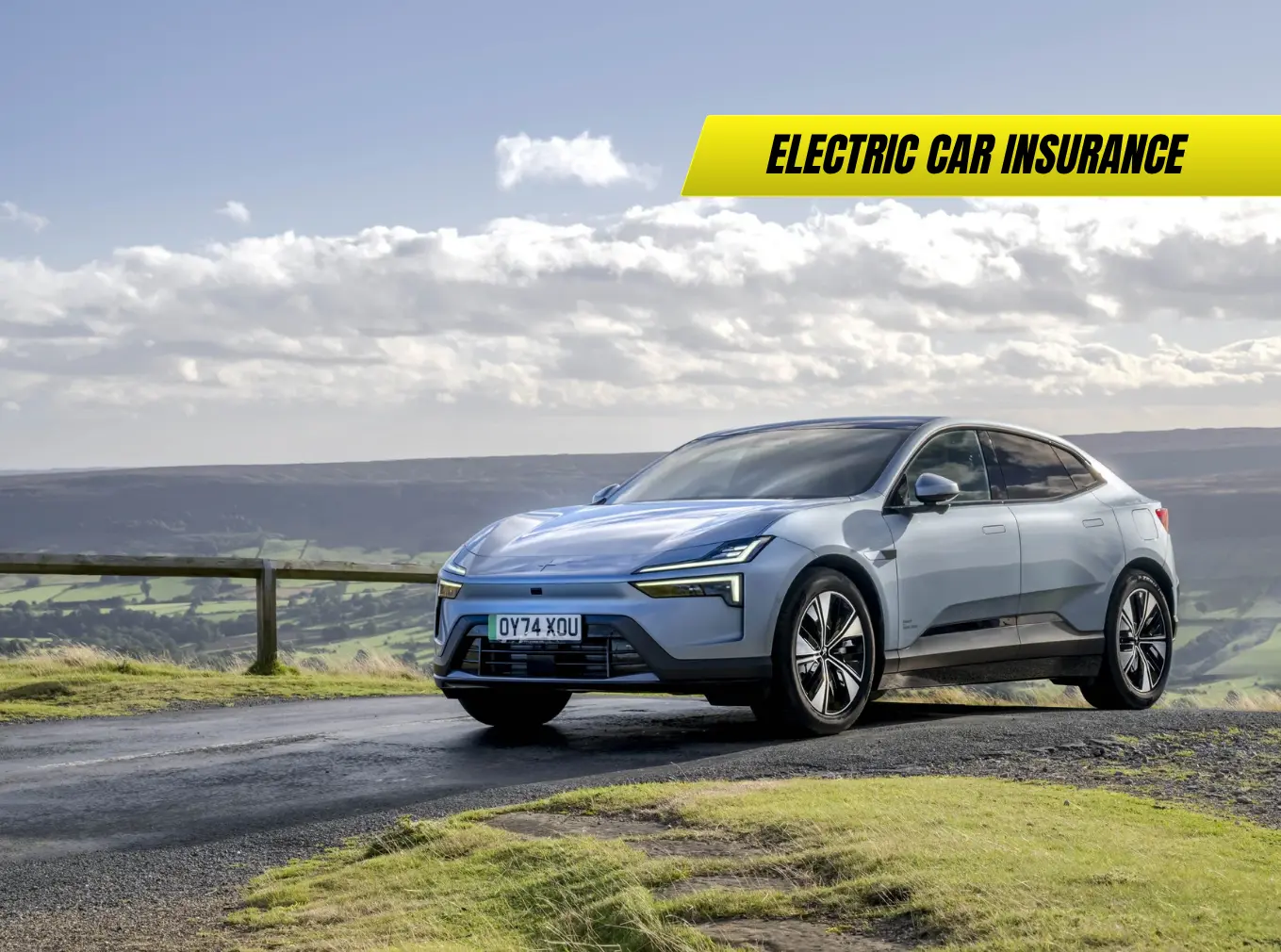
Electric vehicles now dominate UK new car registrations, but many drivers underestimate how their insurance differs from petrol or diesel models. With high battery replacement values, new driver risk profiles, and expanding telematics data, EV insurance in 2025 has evolved into a distinct category. This guide outlines current average premiums, coverage essentials, and practical ways to cut costs without compromising protection.
Key Points
- Average EV insurance premium (2025): £950/year.
- New drivers under 25 pay around £1,800–£2,200.
- Battery and charging equipment now form standard policy components.
- Insurers favour cars with telematics or remote diagnostics.
- Most EVs cost 20–30% less to maintain, lowering repair frequency.
Why EV Insurance Differs
Electric cars are simpler mechanically but more expensive to repair after collisions.
Main cost drivers:
- High-voltage battery packs worth £4,000–£10,000.
- Expensive aluminium body structures and sensors.
- Specialist repair training required for high-voltage systems.
As a result, insurers base quotes on model-specific battery accessibility and body part prices rather than engine size.
Average EV Insurance Premiums (2025)
| Vehicle | Driver Profile | Annual Premium (£) | Change vs 2024 |
|---|---|---|---|
| Tesla Model 3 | Experienced | £1,100 | -5% |
| Kia Niro EV | Experienced | £850 | -8% |
| MG4 EV | New driver | £1,600 | Stable |
| Hyundai Kona Electric | Experienced | £890 | -10% |
| Nissan Leaf | New driver | £1,750 | +3% |
| BMW i4 | Professional, urban | £1,200 | +2% |
The national average (all drivers): £950, compared with £870 for petrol cars.
What’s Covered by Standard EV Insurance
| Coverage | Included | Typical Limit |
|---|---|---|
| Battery damage (owned or leased) | Yes | £10,000–£15,000 |
| Public charging damage | Yes | £1,500 |
| Home charger (theft or fire) | Yes | £1,000–£2,000 |
| Cables and adapters | Yes | Replacement value |
| Accidental fire/electrical fault | Yes | Full repair/replacement |
| Breakdown cover for flat battery | Optional | Add-on (£25–£50/yr) |
Policies automatically include third-party, fire, and theft protection as per UK minimum insurance law.
Battery Ownership and Lease Considerations
Older EVs like the Renault Zoe (2018–2021) may have leased batteries.
In those cases, the battery remains property of the manufacturer or finance provider.
Ensure:
- Insurance lists the battery lease reference number.
- Damage claims specify leased component handling.
- Any total loss settlement includes the lease company’s compensation clause.
Most 2025 models include battery ownership as standard.
Telematics and Smart Insurance
EVs lend themselves to usage-based insurance via integrated connectivity.
Telematics records:
- Acceleration and braking smoothness.
- Night-time driving frequency.
- Annual mileage and charge behaviour.
Drivers with smooth patterns can reduce premiums by 10–25% after six months.
Insurers such as Admiral LittleBox EV, LV= Electric, and Direct Line SmartDrive use this data securely under GDPR.
Insurance Cost Factors (2025)
- Vehicle Value – Tesla and luxury EVs attract higher premiums.
- Repair Network Access – Rural areas have fewer HV-certified garages.
- Driving Profile – Age, postcode, mileage, and occupation still matter most.
- Battery Access Risk – EVs with sealed floor packs are cheaper to repair.
- Public Charger Use – Frequent motorway charging increases incident exposure.
From my point of view, the most effective cost reduction remains careful model selection—mid-size hatchbacks and SUVs carry far lower risk than high-performance EVs.
How to Lower EV Insurance Costs
- Install a home charger in a secure area.
- Choose models with standardised repair networks (e.g., Kia, Hyundai, MG).
- Opt for black box or app-based policies for early driving years.
- Bundle home and vehicle insurance with the same provider.
- Limit mileage through accurate annual declarations.
- Add an experienced named driver to lower risk rating.
Many insurers also apply discounts for drivers who complete advanced or defensive driving courses (IAM RoadSmart, RoSPA).
EV Insurance vs Petrol and Hybrid Cars
| Category | Average Premium (Experienced Driver) | Maintenance Cost | Annual CO₂ Tax |
|---|---|---|---|
| Electric | £950 | £220 | £0 |
| Hybrid | £880 | £350 | £120 |
| Petrol | £870 | £450 | £190 |
| Diesel | £920 | £550 | £190 |
Although EVs cost slightly more to insure, the savings from zero road tax and lower maintenance offset the difference.
Claim Process for EV-Specific Issues
- Contact insurer immediately—EVs require trained recovery operators.
- Vehicle towed to an IMI-accredited EV repair centre.
- Battery isolation and diagnostic test carried out before any mechanical work.
- Claim processed once component safety is verified.
- Replacement battery covered under warranty or insurance (depending on cause).
Average repair turnaround: 7–10 working days, faster than early EV adoption years.
Specialist EV Insurers in the UK (2025)
| Provider | Distinctive Feature |
|---|---|
| LV= Electric Car Insurance | Includes charger and cable protection |
| Direct Line Electric Policy | Battery fire coverage and home charger warranty |
| Admiral EV Plan | Free breakdown for out-of-charge incidents |
| Aviva GreenDrive | Usage-based carbon reduction reward system |
| Marmalade Young EV Driver | Telematics for new drivers, monthly plans |
These insurers maintain lower claim ratios due to driver education and real-time data analytics.
Government and Regulatory Framework
- All EVs must carry minimum third-party insurance under the Road Traffic Act 1988.
- Autonomous driving features now require driver responsibility clauses in policies.
- From 2026, Vehicle Excise Duty (VED) will apply to EVs, but insurers do not factor this yet.
- Motor Insurance Bureau (MIB) covers uninsured driver incidents involving EVs as with any other vehicle.
See GOV.UK – Vehicle Insurance Rules for current requirements.
Real-World Example
A 24-year-old driver in Manchester insured a 2023 MG4 EV under Admiral LittleBox.
Telematics improved their risk score after three months, lowering the monthly payment from £176 to £142, saving over £400 annually.
Charging cable theft and charger fire coverage were included automatically.
Expert Opinion
From my point of view, EV insurance is finally entering parity with traditional car cover.
In 2025, the gap in premiums has narrowed significantly thanks to data-driven underwriting.
The biggest savings now come not from model choice, but from connected policies that reward consistent, calm driving and proper vehicle monitoring.
FAQs
Are EVs more expensive to insure than petrol cars?
Slightly, but the difference is shrinking each year.
Does insurance cover my home charger?
Yes, most comprehensive policies include theft and damage protection.
What if my EV battery catches fire?
Insurers treat it as a total loss; battery fires are rare and fully covered.
Can I get breakdown cover for running out of charge?
Yes, many insurers and recovery firms now provide mobile rapid-charging vans.
Will EV insurance get cheaper?
Yes, as repair networks expand and telematics data improves, premiums should fall 10–15% by 2026.
In 2025, electric car insurance in the UK has matured—transparent, data-driven, and more affordable than ever.
In my experience, the right combination of smart driving, connected coverage, and proactive maintenance now delivers complete peace of mind at sustainable cost for Britain’s growing fleet of electric motorists.





