
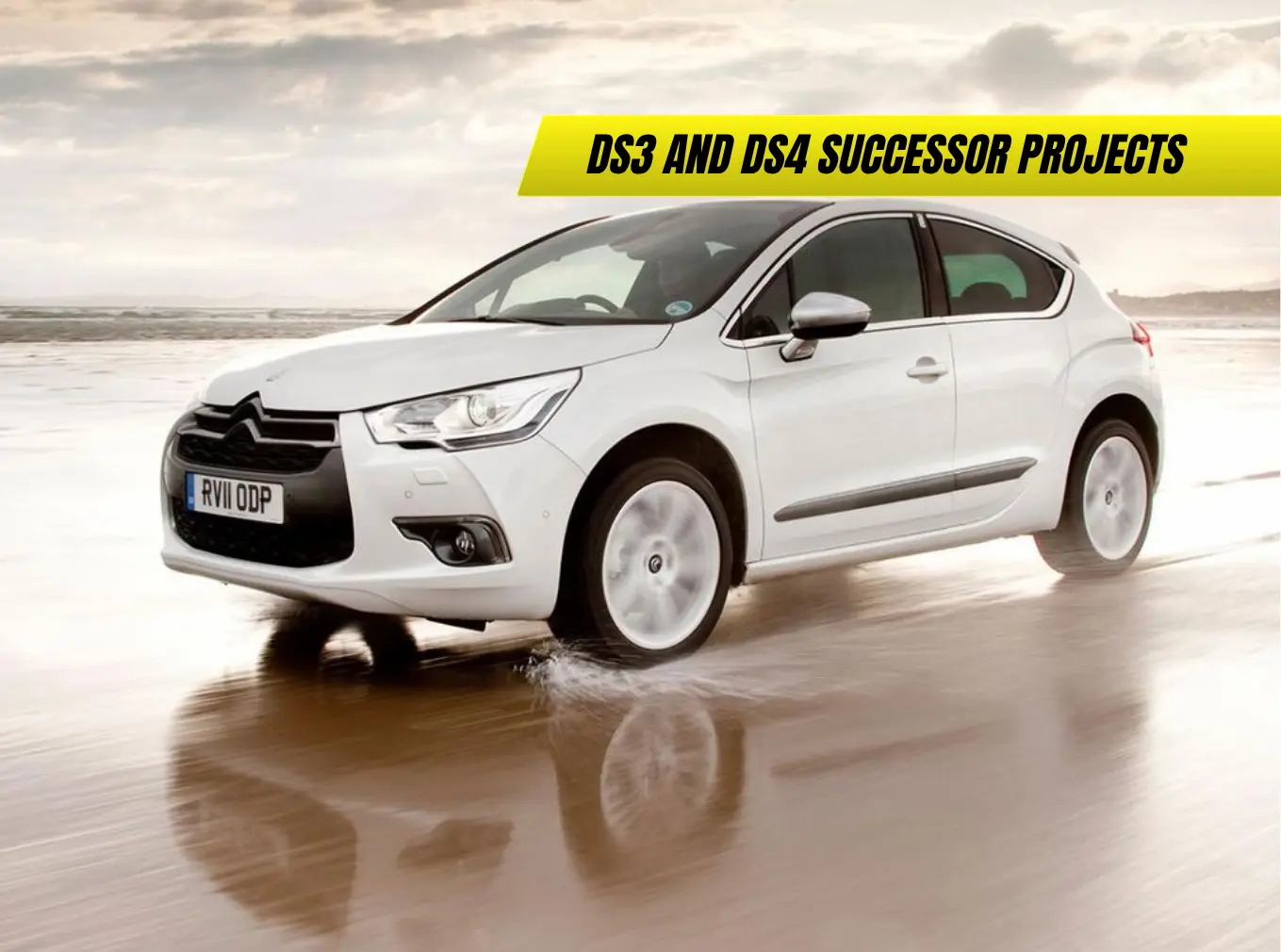
In a surprising strategic pivot, Stellantis — the parent company of DS Automobiles, Peugeot, Citroën, and Opel — has reportedly stopped the development of the next-generation DS3 and DS4. This decision signals a major change in the group’s luxury strategy, aiming to realign the DS brand’s priorities toward fully electric, profitable, and globally scalable models.
From my point of view, this isn’t the end of DS Automobiles — rather, it’s a calculated pause. Stellantis is trimming projects that don’t deliver immediate returns, focusing its resources on the upcoming wave of electric premium crossovers and next-generation platforms that can compete globally.
Key Takeaways
- Stellantis has cancelled development of future DS3 and DS4 models.
- Focus shifts toward electric SUVs and higher-margin DS7 successors.
- The STLA Medium and STLA Large platforms will underpin new EVs.
- DS aims to be 100% electric in Europe by 2026.
- Manufacturing consolidation to optimise costs across brands.
The DS Pause: Context Behind the Decision
The DS brand has struggled to achieve its projected sales volume since its relaunch as a standalone marque in 2014. While the DS7 has enjoyed relative success in Europe, the smaller DS3 and DS4 have underperformed compared to expectations, particularly in the UK market.
According to internal planning sources, Stellantis leadership assessed that developing direct replacements for these models would not provide sufficient return on investment given the group’s aggressive electrification roadmap.
“We are rationalising our future portfolio to strengthen each brand’s identity and profitability,” said a Stellantis spokesperson during the 2025 Paris Investor Forum.
A New Direction for DS
The focus now shifts to premium electric crossovers positioned above the DS4 in both size and technology. Future DS models will be based on the STLA Medium and STLA Large platforms, which allow for long-range electric powertrains, next-generation connectivity, and advanced driver assistance systems.
| Platform | Battery Range (est.) | Output | Key Models |
|---|---|---|---|
| STLA Medium | Up to 440 miles | 200–400 hp | DS7 successor, mid-size EVs |
| STLA Large | Up to 500 miles | 400–680 hp | DS9 replacement, luxury SUV |
This approach mirrors Stellantis’s strategy with Peugeot (E-3008) and Opel (Grandland Electric) — moving away from small-volume hatchbacks and toward globally relevant EVs.
The Fate of DS3 and DS4
The DS3 E-Tense (the all-electric version of the small SUV) will remain on sale until at least late 2026, while the DS4will continue production until 2027, with minor updates. No direct successors are planned, though elements of their design and technology will be repurposed in future EVs.
For DS fans in the UK, this means that the current DS lineup will narrow to the DS4, DS7, and DS9, before being fully replaced by an all-new generation of electric vehicles designed to compete with brands like Polestar, BMW i, and Mercedes EQ.
Market Rationale: Why Stellantis Cut These Models
The European compact premium market is shrinking, especially for non-German brands. The rise of Chinese EV competitors and stricter emissions standards have increased production costs. Stellantis’s analysis revealed that small premium models like the DS3 and DS4 would struggle to remain profitable under new Euro 7 regulations.
At the same time, DS Automobiles has lacked a strong global presence, making these vehicles heavily reliant on European sales. By contrast, higher-end SUVs and electric grand tourers have a more lucrative global market reach.
“We’re moving DS upmarket — fewer models, greater impact,” said Béatrice Foucher, CEO of DS Automobiles.
How This Affects UK Buyers
In the UK, DS will continue offering current stock and limited-run editions through 2026, including:
- DS4 Esprit de Voyage Edition
- DS7 Performance Line+
Both will feature updated digital displays, extended warranties and improved charging software for the E-Tense versions.
Customers can still access after-sales support and warranties through the DS Store network, which Stellantis confirmed will remain active during the transition.
Stellantis’s Broader Electric Plan
This decision aligns with Stellantis’s corporate objective of achieving 100% electric sales in Europe by 2030, while making all premium and luxury models zero-emission by 2027.
The company is heavily investing in:
- Battery factories in France, Italy and Germany (via ACC joint venture)
- A new software ecosystem for connected cars
- Over-the-air updates and Level 3 autonomous capability
Stellantis’s strategy is to streamline platforms — from 14 architectures in 2019 to 4 scalable electric ones by 2026. This will significantly reduce production complexity and cost.
Comparison with Peugeot and Alfa Romeo
| Brand | Upcoming Focus | Platform | Launch Year |
|---|---|---|---|
| DS Automobiles | Premium EVs (DS7 successor, luxury coupe SUV) | STLA Medium | 2026–2027 |
| Peugeot | Mass-market EVs (E-3008, E-5008) | STLA Medium | 2024–2025 |
| Alfa Romeo | Sporty premium crossovers (Milano, Giulia EV) | STLA Large | 2025–2026 |
| Opel/Vauxhall | Compact EVs (Astra Electric, Grandland EV) | STLA Medium | 2024–2025 |
From my point of view, this harmonised structure makes sense — each brand gets a defined space. DS will focus on the premium electric niche where brand storytelling and design can drive value.
What’s Next for DS Automobiles
By 2027, DS will introduce an all-new flagship SUV and a luxury electric crossover coupe, previewed by the DS Aero Sport Lounge Concept. These models will spearhead DS’s move into high-value electric territory, with longer range and more exclusive production volumes.
Citroën and Peugeot will continue covering the mainstream electric segments, allowing DS to concentrate purely on innovation and luxury design.
Implications for Current Owners
Current DS3 and DS4 owners in the UK will not be left unsupported:
- Stellantis guarantees 10-year parts availability after production ends.
- DS Service Centres will remain fully operational.
- Software and navigation updates will continue until at least 2030.
Owners of DS E-Tense models will also benefit from updated battery warranties and dedicated service packages.
FAQ
Why did Stellantis cancel the DS3 and DS4 successors?
Because they were deemed unprofitable under future emissions rules and did not align with Stellantis’s new electric-focused luxury strategy.
Will DS still exist as a brand?
Yes — but with a smaller, all-electric lineup focused on high-end EVs.
When will the next DS model arrive?
The first all-new DS on the STLA Medium platform is expected in 2026.
Will the DS3 and DS4 still be sold in the UK?
Yes, current models remain available until late 2026/27, with updates and support guaranteed.
Is DS Automobiles leaving Europe?
No. DS will remain a European luxury EV brand headquartered in France.
Conclusion
The cancellation of the DS3 and DS4 projects marks a defining moment for DS Automobiles. Stellantis’s strategy is shifting from volume to value — prioritising high-margin, all-electric premium models that can stand on a global stage.
From my point of view, this move is pragmatic. In an era where electrification and profitability rule, trimming less profitable models gives DS the chance to rebuild its image around cutting-edge design, advanced technology, and genuine exclusivity. For UK buyers, the DS brand may shrink in size, but it’s preparing to come back stronger, sleeker, and fully electric.





