
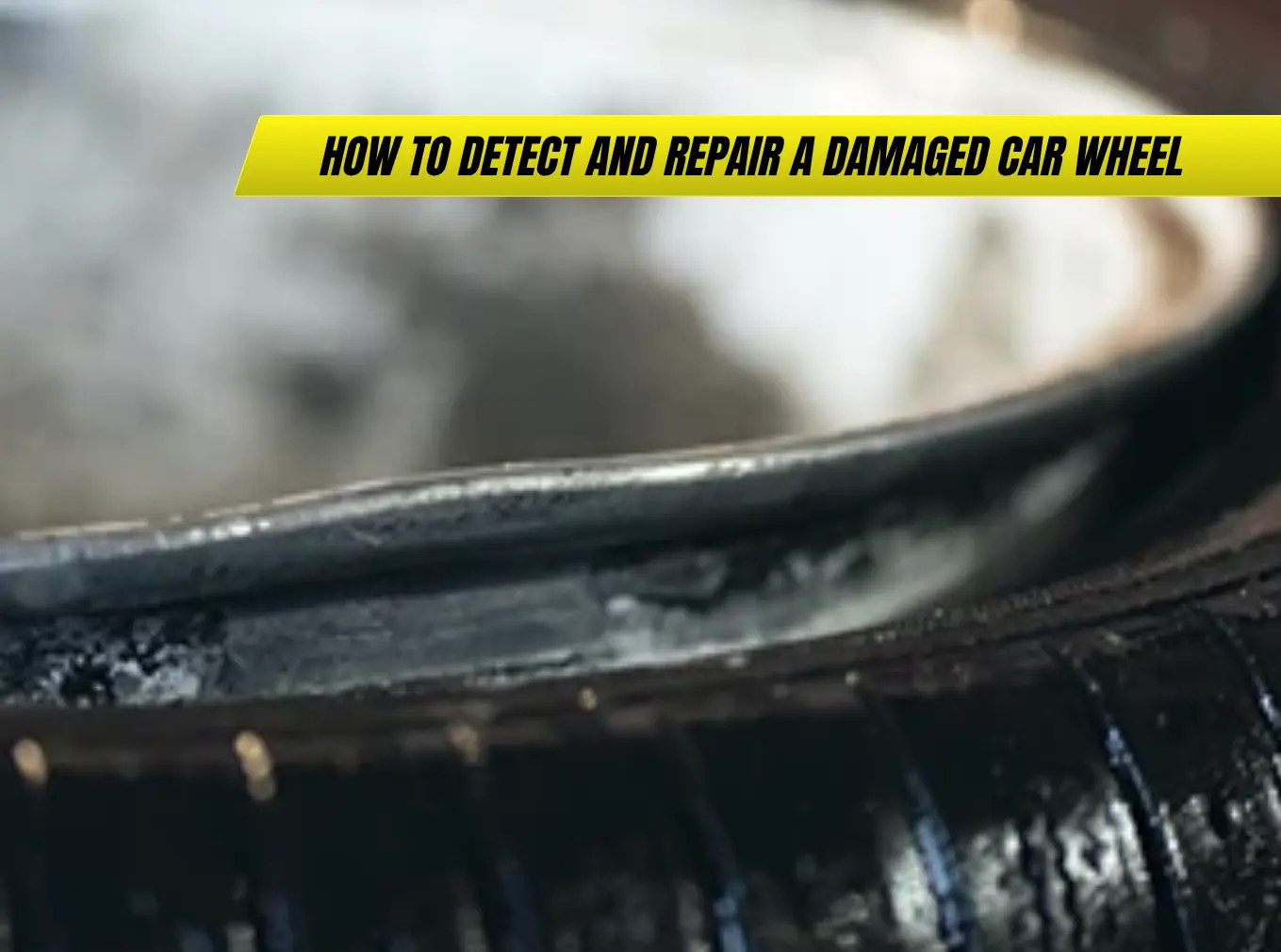
A damaged wheel might seem like a minor issue, but in reality, it’s one of the most common hidden causes of vibration, steering problems, and MOT failures in the UK. Whether from potholes, kerb impacts, or corrosion, wheel damage can compromise safety and tyre life. In 2025, with road surface wear worsening nationwide, knowing how to identify and repair wheel damage is essential for every British driver.
Key Points
- Even small cracks or bends can cause vibration, tyre wear, and MOT failure.
- The average UK driver hits two potholes per week, according to the AA.
- Alloy wheels can often be straightened or welded safely if damage is minor.
- Repairs must comply with BS AU 50-2 and Thatcham standards.
- Replacements are mandatory for structural cracks or weld fatigue.
Common Causes of Wheel Damage
| Cause | Typical Result | Prevention |
| Potholes | Bent rim or crack on inner edge | Keep tyres inflated correctly |
| Kerbing | Cosmetic scuffs or alignment issues | Park parallel, use cameras |
| Corrosion | Flaking lacquer, pressure leaks | Regular cleaning and waxing |
| Improper tyre fitting | Bead seat distortion | Use approved fitters |
| Brake heat / over-torquing | Warped alloys | Check torque after servicing |
The UK’s patchy road quality and extreme winters make pothole strikes the number one culprit. Councils report more than 500,000 wheel-related claims annually.
How to Spot a Damaged Wheel
Visual signs:
- Flat spots, bends, or cracks (especially inner rim edge).
- Paint bubbling or corrosion around the bead.
- Uneven tyre wear or slow punctures.
Driving symptoms:
- Vibration at 40–60 mph.
- Pulling to one side.
- Steering wheel wobble under braking.
- Sudden loss of pressure.
If any of these occur, have the wheel inspected immediately by a Thatcham-accredited repair centre.
Types of Wheel Damage and Repair Options
| Damage Type | Repair Method | Cost Range (UK) | Safe to Repair? |
| Light scuff / curb rash | Sanding + powder coating | £50–£80 | ✅ Yes |
| Bent inner rim | Hydraulic straightening | £80–£120 | ✅ Yes (if no cracks) |
| Hairline crack | TIG welding + machining | £100–£150 | ⚠️ Yes, once only |
| Deep crack / spoke fracture | Replacement required | £250–£600 | ❌ No |
| Severe corrosion | Chemical strip + repaint | £90–£130 | ✅ Yes, cosmetic only |
Repairs must preserve structural integrity. Any welding beyond one third of the rim circumference voids roadworthiness.
Steel vs Alloy Wheels
| Feature | Steel | Alloy |
| Durability | Strong but heavy | Lighter, prone to bending |
| Repair cost | Low (£40–£70) | Higher (£100–£200) |
| Corrosion resistance | Poor | Good with maintenance |
| Common on | Older, budget cars | Modern vehicles |
Steel wheels often survive potholes better, but alloys deliver better performance and economy.
MOT and Legal Standards
Under DVSA MOT inspection manual (2025 update), a car fails if:
- Any wheel has a crack, severe deformation, or distortion.
- Fasteners (nuts/bolts) are insecure.
- Corrosion affects load-bearing areas.
Even cosmetic damage can cause advisory notices. You can check MOT history and advisories for free at GOV.UK MOT Checker.
When to Replace Instead of Repair
You should replace your wheel if:
- The crack extends through a spoke or rim edge.
- The wheel has already been welded once.
- You feel persistent vibration after balancing.
- Welds are within 25 mm of the bead seat.
Many insurers now refuse cover for vehicles using non-certified welded alloys. Always request a repair certificate stating compliance with BS AU 50-2:1995 or equivalent.
Insurance and Claim Options
| Scenario | Covered by Insurance? | Notes |
| Pothole damage | ✅ Usually yes | Must report within 24 hours |
| Kerb impact | ⚠️ Sometimes | Depends on policy |
| Corrosion / wear | ❌ No | Classified as maintenance |
| Tyre blowout from rim damage | ✅ Comprehensive only | Provide repair invoice |
You can also claim compensation from local councils if potholes were unmarked and previously reported.
For details on road damage and claims, see UK Driving Licence Points and Fines Guide.
DIY Repairs – Proceed with Caution
Minor cosmetic scuffs can be sanded and repainted at home. However, do not attempt structural repairs — home welding or hammering bent rims can weaken the metal and cause catastrophic failure.
Professional refinishers use hydraulic presses and heat-controlled welding to maintain strength.
How to Protect Wheels from Future Damage
- Maintain tyre pressure – Underinflation amplifies pothole impact.
- Avoid puddles at speed – Hidden potholes are the worst offenders.
- Apply rim protectors – Silicone or plastic guards reduce kerb damage.
- Wash regularly in winter – Removes road salt and brake dust.
- Rotate tyres every 6,000 miles – Reduces uneven wear and vibration.
From my point of view, investing £100 in a preventive coating or protector saves hundreds in future repairs.
My Point of View
From my point of view, a damaged wheel isn’t just an aesthetic problem — it’s a mechanical hazard.
Ignoring small bends or cracks often ends with a blowout or suspension damage.
Given UK road conditions, a quick annual inspection is as vital as an oil change.
FAQs
Can I drive with a cracked alloy?
No. Even small cracks can spread under stress and cause tyre failure.
Are welded alloys safe?
Yes, if repaired by a certified specialist to BS AU 50-2. Avoid multiple welds.
Can I claim for pothole damage?
Yes. Contact your local council or Highways England with photos and location details.
Will a repaired wheel pass MOT?
Yes, if the repair meets British Standards and no cracks remain visible.
How can I tell if a wheel is bent?
Watch for vibration at 50–60 mph or uneven tyre wear; professional balancing confirms it.
In 2025, with UK roads worsening and repair costs rising, keeping your wheels checked isn’t optional — it’s essential.
In my experience, detecting damage early not only saves money but can prevent an accident waiting to happen.
Vuoi che proceda ora con il prossimo articolo evergreen:
“Scrapping Your Car in the UK 2025 – Step-by-Step Guide”?





