
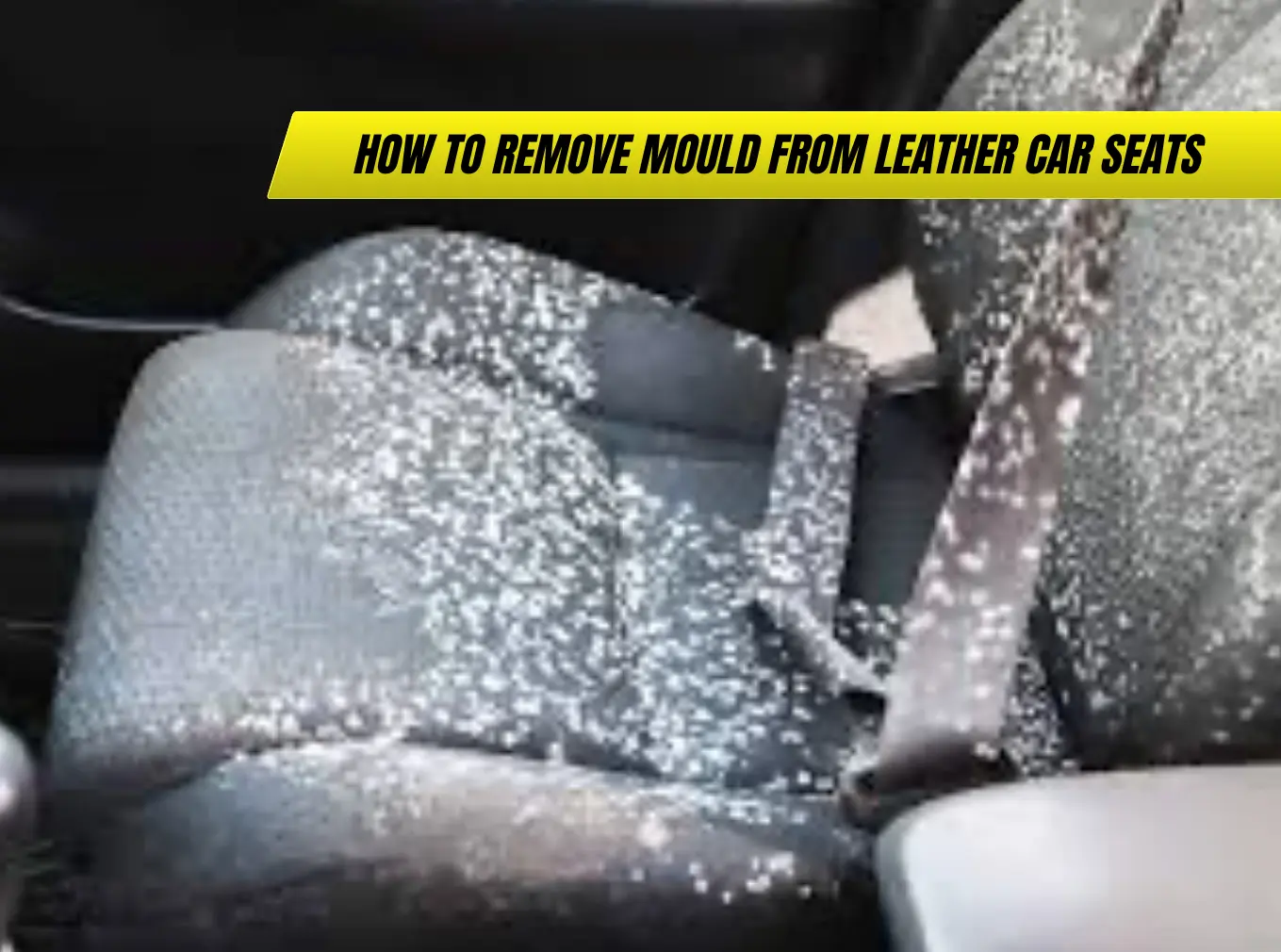
Mould on leather seats is a common problem in the UK due to humidity, condensation and frequent rain exposure. Left untreated, mould can damage leather permanently and affect air quality inside the car. This guide explains how to remove mould safely, which products to use, and how to prevent it from returning.
Key Points
- Treat mould quickly to avoid stains and permanent leather damage.
- Use leather-safe cleaners, not bleach or household detergents.
- Always wear gloves and a mask when dealing with mould.
- Dry the interior completely after cleaning.
- Prevent future growth with proper ventilation and moisture control.
Why Mould Appears on Leather
Leather absorbs moisture from:
- Wet clothes and umbrellas
- Condensation during cold weather
- Poor ventilation
- Leaks from windows or doors
- Long periods of inactivity
When moisture stays trapped, the warm interior creates ideal conditions for mould spores to spread.
Safety First
Before cleaning:
- Wear latex or nitrile gloves
- Use a protective mask
- Work in a ventilated area with doors open
Avoid disturbing mould with vigorous scrubbing, which spreads spores.
Step-by-Step Cleaning Process
1. Vacuum the Area
Use a vacuum with a brush attachment to gently remove loose spores. Do not press hard into the leather.
2. Apply a Leather-Safe Cleaner
Use a product specifically designed for leather mould removal or a mild pH-neutral leather cleaner.
Steps:
- Spray cleaner onto a microfibre cloth, not directly on the leather.
- Dab gently to lift mould without forcing moisture into the material.
- Avoid oversaturating the seat.
3. Brush the Leather
Use a soft leather brush for seams and textured areas. Brush lightly in small circles.
4. Wipe and Rinse
Wipe the area with a clean damp cloth (distilled water), removing all product residue.
5. Dry Thoroughly
Leather must dry completely to prevent mould returning.
Recommended methods:
- Park in a sunny spot
- Use a fan or low-heat hairdryer
- Dehumidifier inside the car for several hours
6. Condition the Leather
Use a quality leather conditioner once the surface is fully dry. This restores oils and prevents cracking after cleaning.
Removing Stubborn or Deep Mould
| Problem | Solution |
|---|---|
| Persistent dark spots | Use a specialist leather mould remover |
| Strong odour | Apply odour-neutralising spray suitable for leather |
| Mould returning quickly | Check for leaks or moisture sources |
| Large affected areas | Seek professional detailing |
Seats with mould deep in the foam may require dismantling or replacement.
Preventing Mould in the Future
- Fix leaks around windows, doors and sunroof.
- Keep the car ventilated regularly.
- Use a car dehumidifier during winter months.
- Avoid leaving damp clothing inside the vehicle.
- Clean and condition leather every 3–6 months.
- Replace cabin filters if airflow is weak or smells musty.
For additional interior maintenance, see the UK guide to dashboard alerts such as the spanner warning light:
My Point of View
From my point of view, mould on leather spreads much faster than most drivers expect. Quick intervention and thorough drying are the keys to preserving the material. Regular conditioning also helps the leather resist moisture far better over time.
FAQs
Does sunlight kill mould on leather?
It helps but does not remove deep mould; cleaning is still required.
Can I use vinegar or bicarbonate?
Not on leather. These can damage the coating and leave residue.
Is steam cleaning safe?
No. Steam introduces too much moisture and can deform leather.
Why does mould keep returning?
There is likely a moisture source such as a leak or high cabin humidity.
Can mould affect health?
Yes. Spores can trigger allergies and respiratory irritation.
Conclusion
Removing mould from leather seats requires gentle cleaning, correct products and thorough drying. With proper ventilation and routine maintenance, UK drivers can keep their leather interiors clean, healthy and protected year-round. In my experience, the best results come from acting early and eliminating moisture at the source.





