
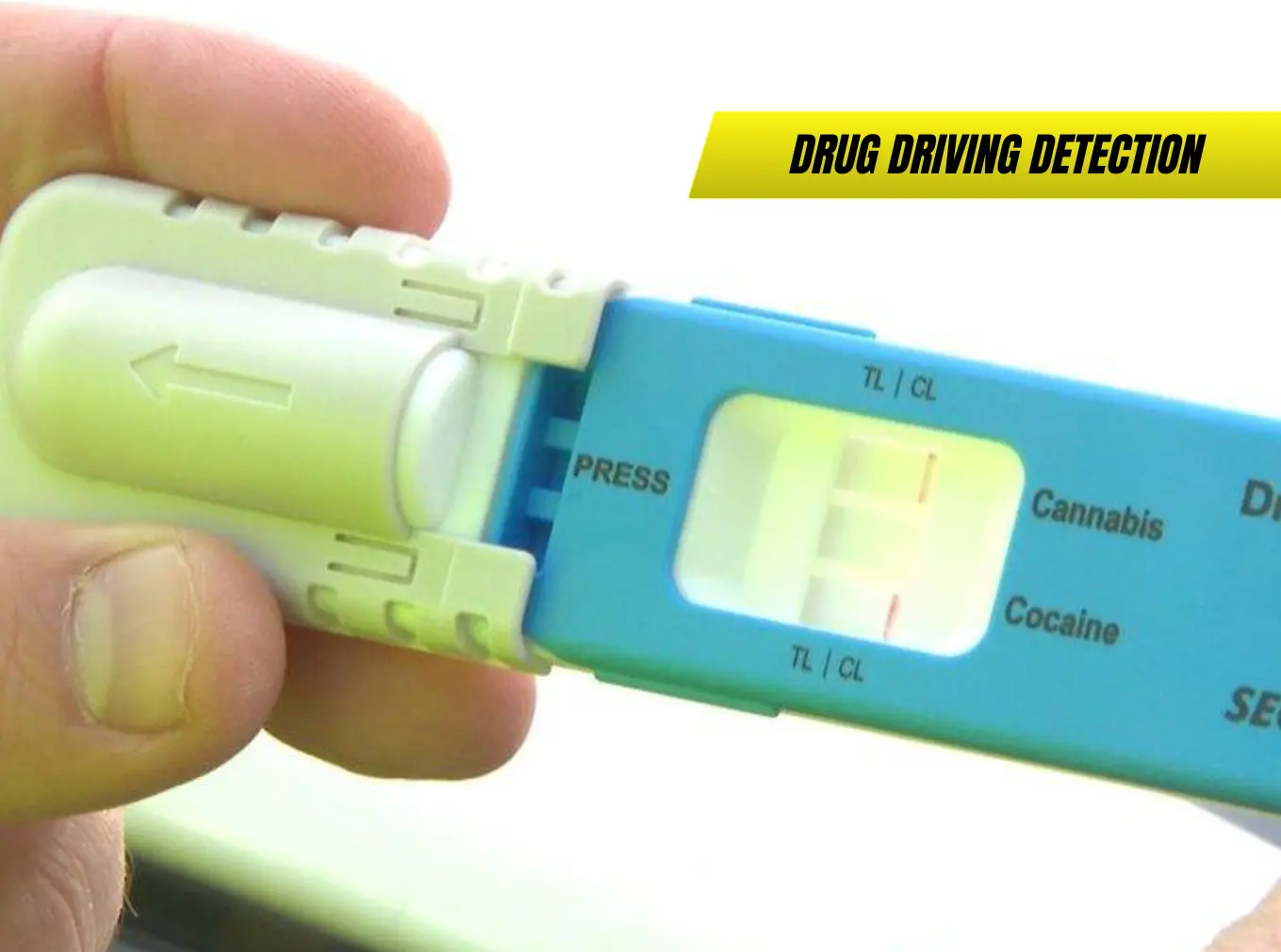
Roadside drug driving tests in the UK use saliva swabs to detect cannabis, cocaine, and other impairing substances within minutes, leading to immediate arrest if positive. Under the 2015 Roadside Drug Testing law, police target drivers showing impairment signs amid rising zero-tolerance enforcement. This guide explains the process, legal limits, prosecution steps, and defence strategies for British motorists.
- Saliva swabs screen for 8 drug groups; blood confirmation follows at station.
- Positive roadside test mandates arrest, blood draw, and custody.
- Limits mirror drink-driving: THC at 2µg/L, cocaine 10µg/L blood.
- Impairment defence possible if under limits but affected.
- Over 10,000 arrests yearly; new drivers risk licence loss fast.
UK Drug Driving Laws Overview
Section 5A Road Traffic Act sets microgram limits for 17 substances including THC, benzoylecgonine, MDMA, and amphetamines. Driving over limits equals per se offence – no impairment proof needed. Police suspect via erratic driving, odour, or eyes, initiating tests. In my experience monitoring cases, night-time motorway stops yield most positives against UK speed camera regulations.
Prescription exemptions require doctor letters proving medical need. Link to UK driving licence points for penalty impacts.
Roadside Testing Procedure Step-by-Step
- Officer observes driving faults or impairment signs.
- Requests saliva swab via Dräger DrugTest 5000 device (2-minute result).
- Positive triggers arrest, caution, station transport.
- Blood sample at police station or hospital (evidential analysis).
- Results processed at forensic lab (2-8 weeks).
Swabs detect recent use: cannabis 4-6 hours, cocaine 1-2 days. False positives rare but challengeable.
| Drug Group | Roadside Swab Time | Blood Limit (µg/L) |
|---|---|---|
| Cannabis (THC) | 4-6 hours | 2.0 |
| Cocaine | 1-2 days | 10.0 |
| Benzoylecgonine | 1-2 days | 50.0 |
| MDMA | 1 day | 10.0 |
Visual Suggestion: Flowchart of swab-to-court timeline; drug detection window infographic.
Police Powers and Arrest Process
No reasonable grounds needed for initial request if suspicion exists. Refusal equals offence with 7 points, £2,500 fine. Custody follows positive swab: fingerprints, photos, blood draw under medical supervision. Bail or charge within 24 hours.
From my point of view, comply fully – resistance worsens outcomes. Official gov.uk drug driving law.
“Positive roadside test leads to immediate arrest and blood sample.”
Lab Analysis and Limits Explained
Forensic Science Service tests blood for active metabolites. THC limit catches recent smokers; benzoylecgonine lingers weeks post-use. Impairment-only prosecutions possible under limits via expert witness.
Defences include laced samples, lab errors, or medical cannabis cards (rarely successful).
Penalties and Sentencing
First offence: 12-month ban minimum, unlimited fine, up to 6 months jail. Repeats double ban to 2 years. Commercial drivers lose vocational licences. Insurance invalidates post-conviction.
New drivers hit 12 points instantly, revoking licences. Relate to phone use while driving.
| Offence | Ban | Fine | Jail |
|---|---|---|---|
| Over limit (1st) | 12 months | Unlimited | 6 months max |
| Refuse test | 12 months | £2,500 | N/A |
| Cause injury | 2+ years | Unlimited | 14 years max |
| Death | Life | Unlimited | Life |
Challenging Test Results
Contest chain of custody, calibration certificates (valid 6 months), or phlebotomist qualifications. Private re-tests cost £300+ but admissible. Magistrates’ court handles defences; success 15-20% with experts.
Link to how to appeal traffic fine for procedures.
Impairment Defence Strategy
Prove genuine impairment below limits via doctor reports, dashcam showing control. Expert toxicologists testify metabolism rates. Costly (£5,000+) but acquits borderline cases.
We recommend solicitor specialising in forensics immediately post-arrest.
Prescription and Medical Exemptions
Valid scripts for ADHD meds (methylphenidate) or painkillers exempt if declared. Medical cannabis rarely qualifies due to driving warnings. Carry doctor confirmation.
Commercial and HGV Driver Rules
DVSA revokes LGV/PCV after positives; retraining mandatory. Employers liable for accidents.
Detection Avoidance Myths Busted
Mouthwash, eye drops fail against swabs. Time delays work for occasional users only. Zero-tolerance prevails.
Link to black box insurance for monitored fleets.
Post-Conviction Rehabilitation
Drink-drive courses unavailable for drugs yet. Reapply post-ban with medical exam for long disqualifications. Update DVLA records.
Winter and Night-Time Risks
Impaired reactions deadly on icy roads – see how to drive safely at night.
Insurance Consequences
Premiums triple post-conviction; non-disclosure voids policies. Five-year disclosure mandatory.
| Period Post-Ban | Premium Increase |
|---|---|
| Year 1 | +200% |
| Years 2-3 | +100% |
| Years 4-5 | +50% |
Employer Notification Rules
Convictions over 11 points trigger job checks. Disclosure duties vary by role.
FAQ
How accurate are roadside drug swabs UK?
95%+ reliable; blood confirms all positives.
Can I drive after medical cannabis prescription?
No, unless doctor confirms non-impairing dose.
Timeframe for THC detection in blood?
Active THC 12 hours; metabolite up to 3 weeks heavy use.
Refusing swab – what penalty?
Same as positive: 12-month ban, fine.
Success rate defending drug drive charges?
15-25% with strong forensic challenge.
HGV drivers extra consequences?
Vocational licence revoked; medical retest required.
Passive cannabis exposure test positive?
Unlikely; needs ingested amount for limits.
Drug driving detection catches UK motorists efficiently through saliva-to-blood protocols, enforcing zero-tolerance limits strictly. In my experience, prevention via abstinence proves simplest defence. I would recommend legal specialists at first suspicion, alongside dashcams documenting behaviour. Safer roads demand personal responsibility always.





