
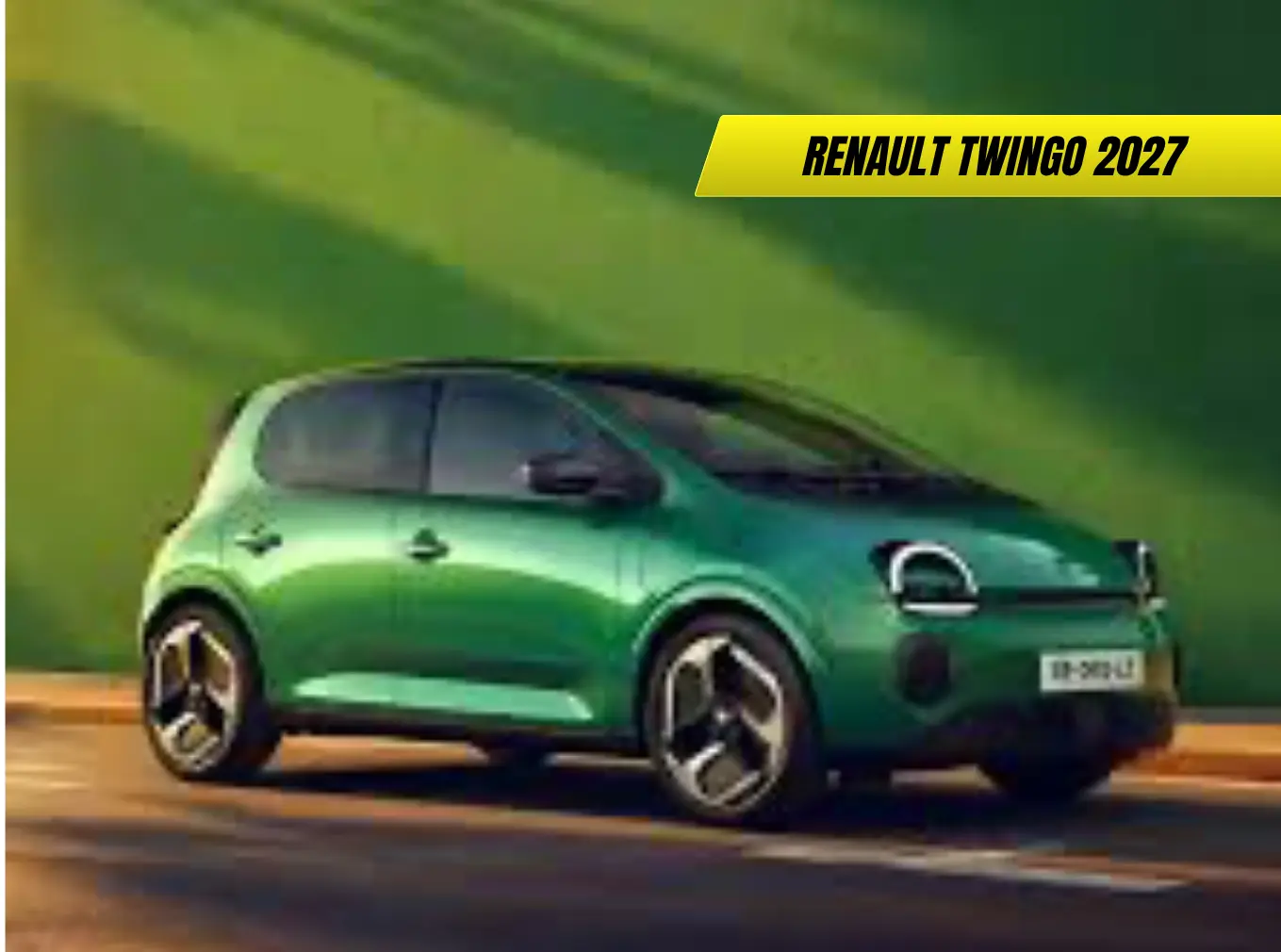
The Renault Twingo IV marks a radical shift from the car that started it all in the early 1990s. While the original Twingo I became an icon thanks to its simplicity, clever packaging and surprising practicality for a tiny city car, the new fourth-generation Twingo embraces full electrification, modern safety standards and a very different interpretation of urban mobility.
The key question for UK buyers is simple: is the new electric Twingo actually more practical than the original, or has progress sacrificed the charm and usability that made the first generation so successful?
Key Points
- Twingo IV is a fully electric city car
- Twingo I was petrol-powered and ultra-simple
- New model prioritises safety and efficiency
- Original focused on maximum space in minimal size
- Interior flexibility has evolved, not disappeared
- Running costs strongly favour the electric Twingo
- Philosophy has changed, but urban usability remains central
Introduction
When Renault launched the Twingo in 1993, it broke every small-car convention. A one-box design, sliding rear bench and airy cabin made it feel far larger inside than its footprint suggested. Three decades later, the Twingo IV arrives as a pure EV, designed for modern cities, emissions regulations and digital lifestyles.
From my point of view, comparing these two cars is less about nostalgia and more about understanding how the definition of “practical” has changed.
Design Philosophy: Then vs Now
Twingo I (1993–2007)
- One-box, almost MPV-like shape
- Minimal overhangs
- Tall roofline and large glass areas
- Friendly, characterful styling
Twingo IV (2026)
- Compact hatchback proportions
- Short bonnet, wide stance
- Optimised aerodynamics
- Neo-retro design cues inspired by the original
While the original prioritised volume above all else, the new model balances space with efficiency and crash safety.
Dimensions and Footprint
| Model | Length | Width | Height |
|---|---|---|---|
| Twingo I | ~3.43 m | ~1.63 m | ~1.42 m |
| Twingo IV | ~3.75 m | ~1.72 m | ~1.50 m |
The new Twingo is clearly larger, but still firmly positioned as a true city car by modern standards.
Interior Space and Layout
Original Twingo I
- Sliding rear bench
- Completely flat floor
- Excellent headroom front and rear
- Surprisingly spacious cabin for four adults
- Spartan but extremely flexible interior
Twingo IV
- Fixed rear bench with split-folding backrest
- Flat EV floor thanks to battery integration
- Improved shoulder room
- More supportive seats
- Better sound insulation
From my point of view, the original still wins for sheer cleverness, but the new model offers a more comfortable and refined experience.
Boot and Storage
| Model | Boot Capacity |
|---|---|
| Twingo I | ~165–285 litres (with sliding bench) |
| Twingo IV | ~220–240 litres |
The Twingo IV offers a more consistent boot size, while the original allowed greater flexibility depending on seat position.
Powertrain Comparison
Twingo I
- Petrol engines from ~55 to 75 hp
- Manual gearbox
- Very light kerb weight
- Simple mechanical layout
Twingo IV
- Fully electric powertrain
- Single electric motor (~85–100 hp expected)
- Automatic transmission
- Battery mounted under the floor
The EV delivers instant torque and smoother urban driving, while the original relied on low weight and simplicity.
Driving Experience
Urban Driving
- Twingo I: agile, mechanical feel, excellent visibility
- Twingo IV: silent, smooth, instant response
Comfort
- Original: basic but compliant
- New: better suspension tuning, improved ride quality
Manoeuvrability
Both generations excel here, but the electric Twingo’s steering and regenerative braking make stop-start traffic far easier.
Technology and Safety
Twingo I
- No driver aids
- Minimal instrumentation
- Air conditioning often optional
Twingo IV
- Advanced driver assistance systems
- Touchscreen infotainment
- Smartphone integration
- Automatic emergency braking
- Lane-keeping assistance
From my point of view, modern safety alone justifies the size and weight increase of the new model.
Running Costs and Efficiency
Fuel vs Electricity
- Twingo I: low fuel consumption, but rising petrol costs
- Twingo IV: significantly lower energy cost per mile
Maintenance
- Electric drivetrain reduces servicing complexity
- Fewer moving parts than petrol engines
For UK urban drivers, the electric Twingo is clearly cheaper to run day to day.
Practicality for Modern UK Use
| Aspect | Twingo I | Twingo IV |
|---|---|---|
| City driving | Excellent | Excellent |
| Motorway comfort | Limited | Improved |
| Safety | Basic | High |
| Emissions zones | Restricted | Fully compliant |
| Daily usability | Simple | Refined |
Which Is More Practical?
The answer depends on definition.
- The original Twingo I is more practical in terms of pure space efficiency and clever packaging.
- The Twingo IV is more practical for modern life, thanks to safety, comfort, zero-emission driving and lower running costs.
From my point of view, the new model doesn’t replace the original’s charm — it reinterprets it for a completely different era.
FAQ
Is the new Twingo bigger than the original?
Yes, but it remains compact by modern standards.
Is the Twingo IV fully electric?
Yes, it is designed as a pure EV.
Does it have the sliding rear bench?
No, that feature has not returned.
Is it cheaper to run than the old Twingo?
Yes, significantly cheaper in urban use.
Is it suitable as a second car?
Absolutely, especially for city-based households.
Conclusion
Comparing the Renault Twingo IV with the original Twingo I highlights how much the meaning of practicality has evolved. The first-generation model maximised space with astonishing ingenuity, while the new electric Twingo focuses on safety, efficiency and everyday comfort in modern cities. From my point of view, the Twingo IV may not replicate the original’s genius in packaging, but it delivers a form of practicality that makes far more sense for UK drivers in 2026 and beyond.





