
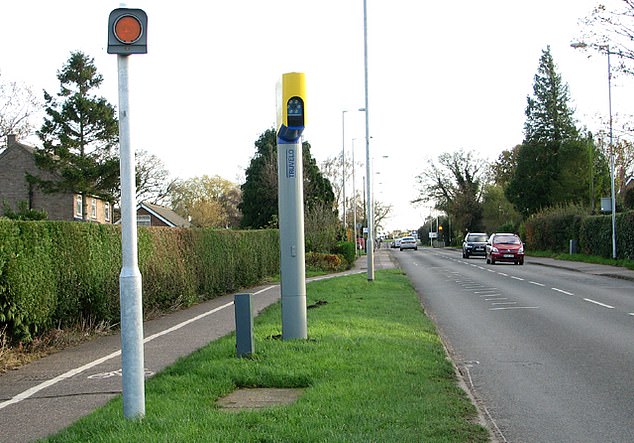
The UK has one of the most extensive speed camera networks in the world, with several distinct technologies in operation across motorways, A-roads, and urban streets. Understanding how each type works — and what it can and cannot detect — is essential knowledge for every British driver in 2026.
Key Points
- The Gatso is the most common fixed speed camera in the UK, using radar and rear-facing photography
- SPECS average speed cameras are becoming increasingly widespread on motorways and A-roads
- Mobile speed cameras can operate from police vans, motorcycles, and unmarked vehicles
- Some cameras enforce both speeding and red light running simultaneously
- HADECS 3 cameras are the primary enforcement tool on UK smart motorways
- Exceeding the speed limit captured by any of these systems can result in points, fines, or a speed awareness course
The Gatso: The UK’s Most Recognisable Camera
The Gatsometer BV — universally known as the Gatso — has been a fixture on UK roads since 1992 and remains the most common fixed speed camera in the country. Originally grey, they were repainted bright yellow following a legal requirement to make cameras visible. The Gatso is a rear-facing, radar-based camera: its radar measures the speed of a passing vehicle, and if that speed exceeds the pre-set limit, the camera takes two photographs in rapid succession of the rear of the vehicle. White lines painted on the road ahead of the camera act as a secondary speed check, corroborating the radar measurement.
Because the Gatso photographs the rear of vehicles, it cannot capture the face of the driver — prosecution relies on registered keeper data from the DVLA. A Gatso positioned to monitor traffic moving in one direction cannot capture vehicles approaching from the opposite direction, though cameras may be rotated periodically. Since 2007, Gatso cameras have been fully digital — they never run out of film, and every trigger produces a usable image.
For a full breakdown of how speed limit enforcement interacts with the legal system, see our guide to UK speed camera regulations 2025.
SPECS Average Speed Cameras
SPECS cameras represent a fundamentally different approach to speed enforcement. Rather than measuring point-in-time speed, SPECS systems measure average speed across a defined stretch of road — often several miles long. A pair (or series) of ANPR (Automatic Number Plate Recognition) cameras at set intervals records the time each vehicle passes; the system then calculates whether the vehicle covered the distance faster than is possible at the speed limit.
SPECS cameras are forward-facing and capture the front of the vehicle and the driver’s face, making them particularly effective for prosecution purposes. They are increasingly common on:
- Motorway roadworks sections
- A-road pinch points and accident hotspots
- Urban dual carriageways
Because SPECS measure average speed, slowing briefly as you approach a camera before accelerating again achieves nothing — the system is calculating your overall pace across the entire zone.
HADECS 3: The Smart Motorway Camera
HADECS 3 (Highways Agency Digital Enforcement Camera System 3) cameras are the primary enforcement tool on the UK’s growing network of smart motorways. They are mounted on overhead gantries above individual lanes and enforce variable speed limits displayed on the gantry signs. Unlike Gatso cameras, HADECS 3 units are small, grey, and easy to miss — they blend into the gantry structure.
A critical point: HADECS 3 cameras can enforce multiple lanes simultaneously and can activate at variable speed limits as low as 40mph during managed motorway conditions. Drivers who ignore overhead gantry signs — or miss them — on smart motorways are at genuine risk of a prosecution they do not see coming. If you observe a spanner warning light on a smart motorway, pull into an emergency refuge area rather than stopping in a live lane.
Truvelo and Forward-Facing Cameras
While the Gatso is rear-facing, the Truvelo camera takes a forward-facing photograph — capturing the driver’s face directly. It uses piezo sensors embedded in the road surface to measure speed, rather than radar. This makes the Truvelo complementary to the Gatso: together they cover both possible objections to prosecution.
The Truvelo Combi combines speed enforcement with red light camera functionality, monitoring both speeding and traffic signal violations through the same unit.
Mobile Speed Cameras
Mobile speed enforcement operates in a variety of forms across the UK:
- Police vans with mobile Gatso units — the most visible type, typically parked in layby positions on accident blackspots
- Laser guns (LIDAR) — handheld devices used by officers to measure the speed of individual vehicles with high precision; can target specific vehicles in traffic
- Radar guns — similar to laser guns but using radar technology; slightly less precise but effective across wider angles
- Unmarked police vehicles — capable of following vehicles and recording speed using calibrated equipment; the footage can be used for prosecution
- DS2 semi-permanent mobile cameras — mounted temporarily on poles at known high-risk locations
Mobile cameras are generally not required to be signed in advance, though many police forces voluntarily publish their scheduled enforcement locations. For information on how penalty points accumulate as a result of camera prosecutions, see our guide to UK driving licence points.
Speed Camera Comparison
| Camera Type | Direction | Technology | Enforces Average? | Common Location |
|---|---|---|---|---|
| Gatso | Rear-facing | Radar | No | Urban roads, A-roads |
| SPECS | Forward-facing | ANPR | Yes | Motorways, A-roads |
| HADECS 3 | Lane-specific | Digital | No | Smart motorways |
| Truvelo | Forward-facing | Piezo sensors | No | Urban roads |
| Truvelo Combi | Forward-facing | Piezo + radar | No | Urban junctions |
| Mobile van | Rear or forward | Radar/laser | No | Variable |
| Unmarked police car | Both | Calibrated video | No | All road types |
What Happens If You’re Caught
If a speed camera captures a vehicle, the registered keeper receives a Notice of Intended Prosecution (NIP) within 14 days of the alleged offence. The keeper must identify the driver at the time. Depending on the severity of the offence and whether it is a first conviction, the outcome may be:
- A Fixed Penalty Notice — typically a £100 fine and 3 penalty points
- An offer to attend a speed awareness course (in lieu of points, for lower-level offences)
- A court summons for excessive speeding — fines can be up to 150% of weekly income, and bans are possible
See our UK toll roads and charges 2025 guide for further context on how road-based enforcement and penalty systems operate across the UK.
External Resources
FAQ
Can a Gatso camera catch you from the front?
No. Standard Gatso cameras are rear-facing and cannot photograph approaching vehicles. However, some locations feature both a rear-facing Gatso and a forward-facing Truvelo on the same stretch.
Do average speed cameras always cover the full zone?
Yes. Every ANPR reading point in a SPECS zone records your time of entry and exit. Slowing near visible cameras makes no difference if you have covered the overall distance too quickly.
Can I be caught speeding by an unmarked police car?
Yes. Unmarked vehicles are equipped with calibrated speed measurement equipment, and the footage they record is admissible as evidence in court.
How long does a speeding NIP take to arrive?
A Notice of Intended Prosecution must be served within 14 days of the alleged offence. If it arrives after this period, the prosecution may be invalid — but seek legal advice before making that argument.
Is there a grace margin above the speed limit before cameras trigger?
Officially, no — cameras can be set to trigger at 1mph over the limit. In practice, many forces apply an informal threshold of 10% + 2mph, but this is not a legal right and should never be relied upon.
What is a HADECS 3 camera, and how do I spot one?
HADECS 3 cameras are small, grey units mounted on smart motorway overhead gantries. They are deliberately unobtrusive and enforce whatever variable speed limit is displayed on the signs above the lane at that moment.
Based on my experience of UK roads, the biggest shift in 2026 is the continued expansion of average speed zones beyond their traditional home in motorway roadworks. Increasingly, they are appearing on rural A-roads and urban dual carriageways — meaning that the old habit of spot-checking your speed is no longer an adequate strategy. Maintaining a consistent, lawful speed throughout any journey is the only reliable approach.





