
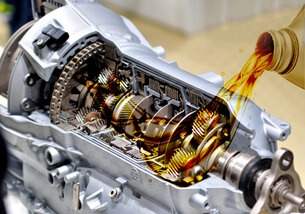
Everything UK drivers need to know about gearbox oil levels and changes — covering manual and automatic gearboxes, symptoms of low or degraded oil, and step-by-step instructions.
Gearbox oil is one of the most overlooked fluids on a UK car, yet its condition directly affects gear change quality, transmission longevity and overall drivetrain reliability. Unlike engine oil, gearbox oil rarely features on a standard service checklist — and many drivers only discover it has been neglected when a noisy or difficult gearbox signals that damage has already begun. This guide covers everything you need to know about checking, topping up and changing the oil in both manual and automatic gearboxes on UK-registered vehicles.
Key Points
- Gearbox oil lubricates the internal gears, bearings and synchromesh rings — degraded oil accelerates wear significantly
- Manual gearboxes typically require an oil change every 30,000–60,000 miles; automatic gearboxes every 40,000–60,000 miles
- Symptoms of low or degraded gearbox oil include difficulty selecting gears, whining noises and excessive heat from the transmission tunnel
- Always use the exact oil specification for your gearbox — the wrong grade or type can cause immediate damage
- Many automatic gearbox manufacturers claim a lifetime fill — this is widely considered misleading by independent mechanics
- The job ranges from straightforward (manual gearbox) to complex (automatic with mechatronic unit) — know your gearbox type before starting
Why Gearbox Oil Matters
The gearbox oil (also called transmission fluid on automatic gearboxes) performs several simultaneous functions inside the transmission. It lubricates the metal gear teeth and bearings to prevent wear, acts as a hydraulic fluid in automatic transmissions to operate clutch packs and valve bodies, and dissipates heat generated by the constant meshing of gears under load. In a manual gearbox, it also lubricates the synchromesh rings — the brass or carbon components that match gear speeds for smooth changes.
Over time and mileage, the oil degrades thermally, accumulates metal particles from normal wear, and loses its viscosity properties. In automatic gearboxes, the friction modifiers that allow clutch packs to engage smoothly also deplete, leading to harsh, shuddering or delayed gear changes. On UK roads, where stop-start urban traffic places disproportionate stress on automatic transmissions, this degradation can occur faster than manufacturer service schedules suggest.
Symptoms of Low or Degraded Gearbox Oil
Catching transmission problems early can prevent very expensive repairs. Watch for these signs:
- Difficulty selecting gears — stiff, notchy or resistant gear changes on a manual gearbox
- Gears popping out of engagement — particularly under load, indicating worn synchromesh or low oil level
- Delayed or harsh gear changes on an automatic — the gearbox hesitates, slams into gear, or hunts between ratios
- Whining, humming or grinding noise from the gearbox tunnel, particularly in specific gears
- Burning smell from the transmission — caused by overheating oil that has lost its lubricating properties
- Visible oil leak beneath the car in the central tunnel area — gearbox oil is typically thicker than engine oil and may appear amber to dark brown
From my experience, notchy or stiff gear selection on a manual gearbox — particularly when the car is cold — is one of the earliest and most reliable indicators that the gearbox oil is degraded or incorrect. This is especially common on older UK cars where the original oil has never been changed and has thickened considerably with age.
Manual vs Automatic: Key Differences
| Manual Gearbox | Automatic Gearbox | |
|---|---|---|
| Oil type | GL-4 or GL-5 gear oil (75W-90 typical) | ATF (Automatic Transmission Fluid — type varies by manufacturer) |
| Change interval | 30,000–60,000 miles | 40,000–60,000 miles (ignore “lifetime” claims) |
| Level check method | Fill/level plug on gearbox casing | Dipstick (older) or fill plug to overflow method (newer) |
| DIY difficulty | Moderate | Moderate to Advanced |
| Consequences of wrong oil | Poor gear change, synchromesh wear | Immediate clutch pack damage possible |
The most important rule for automatic gearboxes is that ATF specification is non-negotiable. Using a generic ATF in a gearbox that requires a manufacturer-specific fluid (such as ZF Lifeguard, BMW ATF-2, or Dexron VI) can cause the friction modifiers to interact incorrectly with the clutch packs, resulting in shuddering, slipping or permanent damage. Always consult your vehicle handbook or identify the gearbox code before purchasing fluid.
Tools and Parts You Will Need
| Item | Notes |
|---|---|
| Correct gearbox oil or ATF | Must match exact specification — do not substitute |
| Oil pump or transfer pump | Essential for filling — gearbox fill holes are rarely accessible with a funnel |
| Socket set and drain tray | For drain and fill plugs |
| Torque wrench | Sump pan bolts and drain plugs must be torqued to specification |
| New drain plug washer or sump gasket | Always replace — reusing a crushed washer risks leaks |
| Inspection light and mirror | Locating plugs on some gearboxes requires good visibility |
| Jack, axle stands, wheel brace | On many vehicles, underbody access requires raising the car |
On automatic gearboxes fitted with a sump pan and filter, always replace the filter and sump gasket at the same time as the fluid change. A new fluid in a blocked filter delivers no benefit and can mask continued degradation.
Step-by-Step: Changing Manual Gearbox Oil
- Warm the engine briefly (5–10 minutes) to reduce oil viscosity and ensure it drains more completely — but do not run to full operating temperature as the oil will be dangerously hot
- Jack the vehicle and place on axle stands for safe underbody access. Locate the gearbox — it sits directly behind the engine, identifiable by the driveshaft flanges
- Locate the fill plug first — typically a square-drive or hex plug on the side of the gearbox casing. Confirm you can open it before draining — if the fill plug is seized, you must not drain the oil
- Open the fill plug and set aside
- Position the drain tray and open the drain plug at the bottom of the gearbox. Allow to drain fully — typically 10–15 minutes
- Refit the drain plug with a new sealing washer and torque to specification — typically 20–35 Nm
- Fill with the correct oil using a hand pump or transfer pump inserted into the fill hole. Fill until oil just begins to seep from the fill hole — this is the correct level on most manual gearboxes
- Refit the fill plug with a new washer and torque to specification
- Lower the vehicle, start the engine and run through all gears to circulate the new oil. Check for leaks
Step-by-Step: Changing Automatic Gearbox Oil (Sump Pan Type)
This procedure applies to automatic gearboxes with an accessible sump pan and replaceable filter — common on most mainstream UK cars with traditional automatic or CVT transmissions.
- Warm the gearbox to operating temperature — automatic transmissions require warm fluid for accurate level checking and complete drainage
- Jack the vehicle and place on axle stands. Locate the automatic gearbox sump pan on the underside
- Loosen the sump pan bolts progressively — do not remove them all at once. Loosen one corner fully to allow controlled drainage before removing all bolts and the pan
- Remove the sump pan and drain completely into the tray. Note the colour and smell of the old fluid — very dark or burnt-smelling fluid indicates significant degradation
- Remove and discard the old filter — it clips or bolts to the valve body above the sump
- Clean the sump pan and mating surface thoroughly, removing all traces of old gasket material
- Fit the new filter, refit the sump pan with a new gasket and torque the bolts evenly in a cross pattern to specification — typically 8–12 Nm
- Refill with the correct ATF through the dipstick tube (older vehicles) or fill plug, using a pump. Initial fill is typically 4–6 litres, but total capacity varies
- Start the engine and run through all selector positions (P–R–N–D–3–2–1 and back) slowly, then check and adjust level with the gearbox at operating temperature
The “Lifetime Fill” Myth
Many manufacturers — particularly in the premium sector — specify their automatic gearboxes as lifetime fill, implying the fluid never needs changing. In my experience, and in the view of most independent transmission specialists, this claim should be treated with significant scepticism. “Lifetime” refers to the manufacturer’s assumed vehicle lifespan, which is typically far shorter than what most UK drivers expect from their cars.
Independent analysis of ATF from high-mileage vehicles regularly shows degraded friction modifiers, elevated metal particle content and reduced viscosity — all of which cause measurable internal wear. For a UK car covering average mileage, changing automatic transmission fluid at 50,000-mile intervals is a prudent investment in transmission longevity, particularly given that automatic gearbox replacement costs typically start at £1,500–£3,000on a mainstream vehicle. For further context on UK vehicle maintenance costs, the SMMT’s annual industry data provides useful insight into the age profile of the UK car parc and the growing proportion of high-mileage vehicles.
Gearbox Oil Change Costs in the UK
| Gearbox Type | Typical Garage Cost | DIY Parts Cost |
|---|---|---|
| Manual gearbox oil change | £60–£120 | £15–£40 |
| Automatic ATF change (drain and fill) | £80–£150 | £25–£70 |
| Automatic ATF + filter + sump gasket | £120–£250 | £40–£100 |
| DSG / dual-clutch oil and filter | £150–£300 | £50–£120 |
| CVT fluid change | £100–£200 | £30–£80 |
Prices are approximate 2026 UK market estimates. Premium brands (BMW, Mercedes, Audi) typically sit at the upper end of these ranges due to manufacturer-specific fluid costs.
If you are carrying out a broader drivetrain service at the same time, it is worth combining a gearbox oil change with an inspection of your wheel bearings and driveshaft components to maximise the value of the underbody access already required. For UK vehicle emissions compliance, our guide on the AdBlue warning light is also relevant for diesel-equipped vehicles undergoing a service.
DIY or Professional Oil Change?
Manual gearbox oil changes are a realistic intermediate DIY task for any UK driver with underbody access and the correct oil. The main pitfalls are using the wrong oil specification, stripping the drain or fill plug (particularly on aluminium gearbox casings), and overfilling — which can cause foam formation and oil leaks from the gearbox breather.
Automatic gearbox oil changes are more involved and carry greater risk from incorrect fluid specification. For DSG, PDK and other dual-clutch transmissions, a mechatronic unit adaptation using manufacturer-specific diagnostic software is often required after the oil change — making this a job that is better suited to a specialist garage equipped with the correct tools. The UK government’s guidance on vehicle maintenance standards provides a useful framework for understanding when professional servicing is advisable over DIY.
How do I know if my gearbox oil needs changing?
If you cannot recall the last gearbox oil change and your vehicle has covered more than 40,000 miles, it is due regardless of symptoms. Signs of degraded oil include notchy gear changes (manual), harsh or delayed shifts (automatic), whining noises under load and a burnt smell from the transmission area.
Can I use engine oil in a manual gearbox?
No. Manual gearbox oil (GL-4 or GL-5 gear oil) has a completely different additive package to engine oil. Using engine oil in a gearbox damages the synchromesh rings and causes rapid internal wear. Always use the specification stated in your vehicle handbook.
What is the difference between GL-4 and GL-5 gear oil?
GL-5 contains more extreme pressure additives than GL-4. While GL-5 offers better protection for hypoid axle gears (used in differentials), the additional additives can attack the yellow metal alloys used in synchromesh rings inside manual gearboxes. Most manual gearboxes require GL-4 — using GL-5 where GL-4 is specified can cause premature synchromesh failure.
How much gearbox oil does a typical UK car hold?
Most manual gearboxes hold between 1.5 and 2.5 litres. Automatic gearboxes typically hold between 4 and 8 litres, depending on whether a torque converter and cooler circuit are included. Always check the vehicle-specific capacity before purchasing oil.
Will changing gearbox oil fix a noisy or crunchy gearbox?
Fresh oil can improve synchromesh feel on a gearbox that has been run on degraded fluid, particularly on cold starts. However, if synchromesh rings or gear teeth are already worn, an oil change will reduce noise and wear progression but cannot reverse existing mechanical damage. It is worth changing the oil first before committing to a gearbox rebuild.
Is automatic gearbox oil change worth doing on a high-mileage car?
Yes — with one caveat. On a very high-mileage automatic gearbox that has never had the fluid changed, a sudden fluid change can occasionally disturb varnish deposits that were acting as unintended seals on worn valve body components. In this situation, a partial drain and refill(replacing 40–50% of the fluid) is a safer approach than a complete flush, gradually refreshing the fluid over two or three intervals.
Does gearbox oil change affect MOT outcome?
Not directly — gearbox oil condition is not assessed at MOT. However, a severe gearbox leak visible during the underside inspection may be noted as an advisory. More importantly, gearbox wear caused by neglected oil changes can eventually cause difficulty engaging gears or drive selection issues that indirectly affect roadworthiness.
Conclusion
Gearbox oil is one of the most neglected maintenance items on UK cars, yet its impact on transmission longevity and driving quality is significant. Whether you drive a manual or automatic, adhering to a realistic oil change interval — rather than relying on manufacturer “lifetime fill” claims — is one of the most cost-effective long-term investments you can make in your vehicle. The job is well within DIY reach for manual gearboxes, and straightforward for conventional automatic transmissions with a sump pan and filter. The golden rule throughout is simple: always use the exact specified oil for your gearbox, without exception. Combined with regular checks of related drivetrain components — including wheel bearings and brake callipers — a gearbox oil service forms part of a comprehensive maintenance approach that keeps your car reliable, efficient and safe on UK roads for years to come.





