
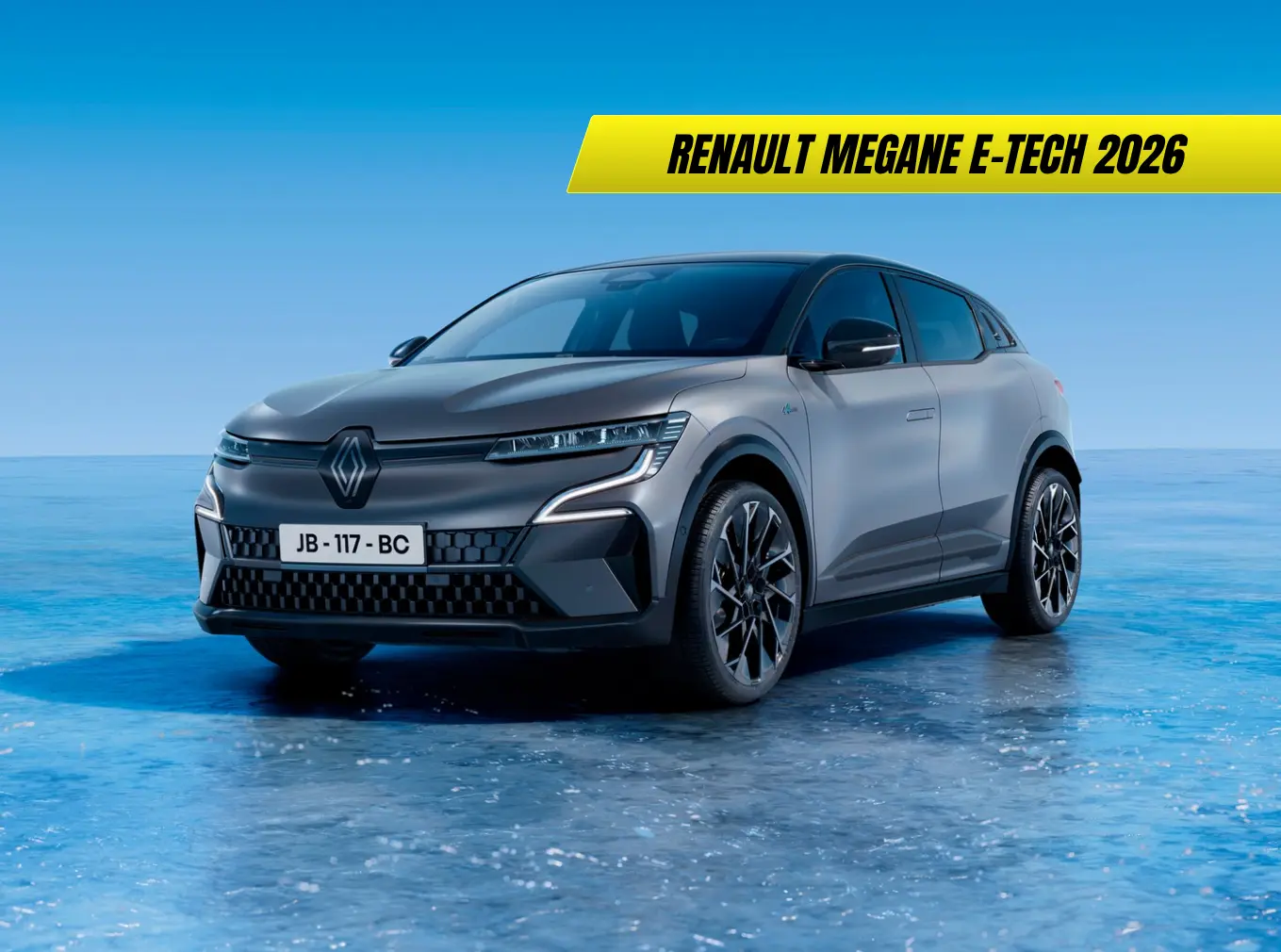
The Renault Megane E‑Tech Electric has transformed the Megane nameplate from a conventional hatchback into a sleek, all‑electric contender. In the UK it takes on models like the Volkswagen ID.3, Cupra Born and MG4, offering a more “hatchback‑like” feel with crossover touches, a tech‑rich cabin and a strong official range around the 280‑mile mark. For British drivers who want something stylish and compact but not a full SUV, the Megane E‑Tech is one of the most interesting electric options on the market.
Key points (summary)
- Fully electric Megane with a 60 kWh battery and front‑mounted motor around 215–220 bhp.
- Official WLTP range close to 280 miles; real‑world motorway range is lower but workable.
- Boot space of about 440 litres, larger than many rival EV hatchbacks.
- Distinctive interior with large Google‑based infotainment screens and high equipment levels.
- Pricing typically starts in the mid‑£30,000s in the UK, rising towards £40,000 for top trims.
Megane E‑Tech in the UK: what it is and who it’s for
The Megane E‑Tech Electric is Renault’s first all‑electric Megane and marks a clear shift away from the old petrol and diesel hatchbacks. It sits on a dedicated EV platform, with:
- A relatively compact footprint, shorter and lower than many SUVs.
- Styling that mixes hatchback proportions with crossover cues (raised sills, cladding, larger wheels).
In the UK, trim levels like Equilibre, Techno, Iconic and Esprit Alpine define equipment, with even mid‑range versions offering a generous kit list. The car aims at drivers who:
- Want a stylish, non‑SUV EV that’s still practical for everyday family use.
- Need enough comfort and range for regular UK motorway trips.
- Value a high‑tech cabin and modern design over plain practicality.
From my point of view, the Megane E‑Tech is ideal for owners who are ready to go fully electric but don’t want something as tall or bulky as many crossovers – it feels more like a “normal car” to drive and park.
Powertrain, performance and range
UK‑spec Megane E‑Tech models are built around a single battery size and a front‑wheel‑drive motor:
- Battery: 60 kWh gross (around 60 kWh usable on most specs).
- Power: about 215 bhp (160 kW) and torque around 300 Nm.
- 0–62 mph: roughly 7.5 seconds.
- Top speed: about 99 mph.
Official WLTP range figures sit around 280–281 miles, though real‑world range will vary:
- Motorway‑heavy use and cold weather can bring this down to the region of 170–200 miles.
- In milder conditions and mixed driving, many drivers see comfortably over 200 miles per charge.
Charging capability:
- DC fast charging: up to around 130 kW, giving roughly 10–80% top‑up in about 35–40 minutes at a suitable rapid charger.
- AC home charging: 11 kW on three‑phase where available; on a typical 7.4 kW UK home wallbox, a full charge from low will usually take overnight.
In my experience, this makes the Megane E‑Tech well suited to:
- Daily commuting and school runs using cheap home electricity.
- Regional trips with one rapid charge stop.
- Longer UK journeys broken by coffee and charging breaks every 2–3 hours.
A useful visual here would be a range and charging infographic, showing how much real‑world distance you can add from different charging speeds over 30 minutes.
Boot space, dimensions and practicality
Despite its compact footprint, the Megane E‑Tech is surprisingly practical in the boot:
- Boot capacity: about 440 litres with the rear seats up.
- With seats folded: roughly 1,332 litres.
That means:
- It offers more boot space than many rival EV hatchbacks such as the VW ID.3, Cupra Born and MG4.
- The boot is deep, with extra storage under the floor for charging cables.
However, there are a couple of trade‑offs:
- The loading lip is quite high, so you have to lift items up and over into a deep boot.
- The boot floor is not completely flat when the seats are folded, which can make loading large items like bikes slightly more awkward.
Passenger space:
- Front seats are roomy with plenty of adjustment.
- Rear legroom is acceptable for adults but a bit tight for taller passengers.
- Rear headroom and shoulder room are fine for children or average‑height adults on shorter journeys.
A practical comparison table could look like this:
| Car | Boot (seats up) | Comment |
|---|---|---|
| Renault Megane E‑Tech | ~440 litres | Very strong for an EV hatch |
| VW ID.3 | ~385 litres | Smaller but easier loading |
| Cupra Born | ~385 litres | Similar to ID.3 |
| MG4 EV | ~363 litres | More compact |
Overall, the Megane’s boot is one of its biggest advantages, especially for UK families who need to carry shopping, pushchairs or luggage but still want a compact car.
Interior, infotainment and comfort
The Megane E‑Tech’s cabin is a major part of its appeal. It blends bold design with serious technology:
- A large vertical central touchscreen (around 12 inches on higher trims) running Google‑based software with built‑in Maps, Assistant and Play integration.
- A digital instrument cluster ahead of the driver, also around 12 inches on high trims.
- Quality materials, ambient lighting and a mix of textiles and soft‑touch surfaces that give a modern, slightly premium feel.
On higher trims like Iconic and Esprit Alpine, you can find:
- 360‑degree cameras.
- Adaptive LED headlights.
- Premium audio (Harman Kardon on some models).
- Heated seats and steering wheel.
- Head‑up display and advanced driver‑assist systems.
From my point of view, the Megane’s interior strikes a nice balance: it feels special and high‑tech without being hard to use. The Google‑based system is particularly handy in the UK, as it benefits from familiar mapping and voice commands when searching for charging stations or addresses.
This section pairs well with internal links explaining EV‑specific warning lights, handbrake or spanner symbols, and UK‑focused guides to using public chargers and paying tolls or congestion charges in an EV.
Driving experience on UK roads
On the road, the Megane E‑Tech is more agile than many taller EV crossovers thanks to:
- A relatively low centre of gravity from its thin battery pack.
- A compact footprint that makes it easy to place on narrower British roads.
- Direct steering and a suspension set‑up that favours a planted, confident feel.
Performance is brisk rather than wild: the ~7.5‑second 0–62 mph time is enough to feel quick in everyday situations, and the instant torque of the electric motor makes overtaking straightforward. The ride is generally comfortable, although large wheel sizes on some trims can make sharp bumps more noticeable.
On motorways, the Megane is stable and quiet, with low wind noise and a well‑insulated cabin. In town, one‑pedal‑like driving from strong regenerative braking (depending on mode) makes stop‑start traffic easier and helps recoup energy.
In my experience, this makes the Megane E‑Tech one of the more enjoyable EVs in its class to drive on twisty UK B‑roads while still being relaxed on longer journeys.
Running costs, charging and UK ownership
As a pure EV, the Megane E‑Tech offers attractive running‑cost advantages for UK owners:
- Electricity vs petrol/diesel: home charging on off‑peak tariffs can significantly reduce “fuel” costs compared with a similar petrol hatch.
- Road tax (VED): currently favourable treatment for EVs compared with many combustion cars.
- ULEZ and clean‑air zones: zero tailpipe emissions make it exempt from many city charges that affect older petrol and diesel cars.
Insurance premiums will depend on driver profile and trim, but as a compact EV with strong safety tech, it sits in a reasonable range for its class. Servicing is generally simpler than for combustion vehicles, with no oil changes and fewer moving parts, though tyre and brake wear still need monitoring.
This section connects naturally to UK articles on toll roads and charges, best EVs and plug‑in hybrids, and guides explaining how road tax and low‑emission zones affect electric car buyers.
Renault Megane E‑Tech vs key rivals
| Model | Key strengths | Main compromises |
|---|---|---|
| Megane E‑Tech | Stylish design, big boot, Google‑based tech | Rear legroom tight, high boot lip |
| VW ID.3 | Spacious cabin, familiar VW image | Smaller boot, more conservative design |
| Cupra Born | Sportier image, engaging drive | Boot smaller than Megane |
| MG4 EV | Very sharp pricing, good handling | Less premium interior, smaller boot |
| Peugeot e‑308 | Premium feel, strong range, great cabin design | Typically higher pricing in top trims |
For UK drivers who want a compact EV that looks distinctive, feels a bit premium inside and still offers a very usable boot, the Megane E‑Tech makes a particularly strong case.
FAQs
What is the real‑world range of the Renault Megane E‑Tech in the UK?
In everyday UK driving, you can typically expect around 170–220 miles on a full charge, depending on temperature, speed and driving style, compared with the official figure close to 280 miles.
How fast does the Megane E‑Tech charge?
Using a rapid DC charger at up to around 130 kW, you can usually get from about 10% to 80% in roughly 35–40 minutes. On a typical 7.4 kW home wallbox, a full overnight charge is easy.
Is the Megane E‑Tech practical enough as a family car?
Yes for many families: the 440‑litre boot is excellent for an EV hatchback and fine for pushchairs and luggage. Rear legroom is the main limitation for taller passengers, so it’s worth checking if you often carry adults in the back.
How comfortable is the Megane E‑Tech on UK roads?
It is generally comfortable and refined, with a secure feel on motorways and a composed ride on most surfaces. Larger wheels on some trims can make sharp bumps slightly more noticeable.
Is the Megane E‑Tech a good first EV?
Yes. Its mix of range, fast‑charging capability, intuitive Google‑based infotainment and practical boot make it a very user‑friendly choice for drivers moving from a petrol or diesel hatchback.
Conclusion
The Renault Megane E‑Tech Electric stands out in the UK EV market by offering something many drivers still want: a compact, stylish hatchback that happens to be electric, rather than another tall SUV. With a strong official range, an excellent boot, a high‑tech and attractive interior and driving manners that feel both composed and engaging, it’s a compelling option for British buyers ready to switch to electric. For those who value design, technology and everyday usability as much as they value zero‑emission motoring, the Megane E‑Tech is one of the most appealing EV hatchbacks currently on sale.





