
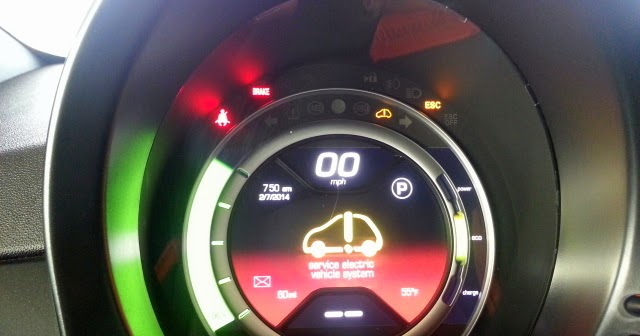
Many modern cars can benefit from a proper system reset after battery replacement, electrical work or a resolved fault. The important part is knowing which systems can be reset safely at home and which ones should only be handled after the underlying problem has been fixed.
Key Points
- Some car systems reset automatically after a few drive cycles, while others need a scan tool.
- Battery disconnection can clear temporary glitches, but it does not fix the root fault.
- Resetting warning lights without repairing the cause is a bad idea.
- Throttle adaptation, service reminders and infotainment systems are often reset separately.
- Some vehicles require a steering angle or window calibration after power loss.
- If a fault returns immediately after reset, the original issue is still present.
When a Reset Makes Sense
A reset is useful after the real issue has been repaired, not before. For example, if a weak battery has been replaced or a sensor has been changed, the car may need a clean restart so the modules can relearn normal values.
That said, a reset should never be used to hide a warning light. If the underlying problem remains, the system will usually store the fault again or place the car back into limp mode.
Common Systems That Reset
Infotainment screens, service interval reminders and some comfort functions often reset by themselves after a battery change or power interruption. Other systems, such as throttle adaptation or steering angle calibration, may need a proper scan tool to complete the process.
Windows, sunroofs and other convenience systems can also lose their learned positions after power loss. In many cases they can be reinitialised with a simple manual procedure, but the exact steps depend on the make and model.
What Not to Do
Do not disconnect the battery repeatedly in the hope of making a fault disappear. That can create new problems, especially on cars with sensitive control modules, and it may erase useful diagnostic information.
It is also a mistake to reset a system before checking voltage, wiring or sensor condition. If the original fault is still present, the reset only delays the diagnosis.
Best Practice
The best sequence is simple: fix the fault, confirm the repair, then reset the relevant system. That gives the modules a clean starting point and makes it easier to see whether the repair actually worked.
If the car requires a calibration procedure after reset, follow the manufacturer’s process exactly. A successful reset should restore normal operation, not create new warning lights or erratic behaviour.
Can I reset a warning light by disconnecting the battery?
Sometimes a temporary light may disappear, but the stored fault usually remains and can return. The fault should be repaired properly rather than masked.
Do all cars need a scan tool for resets?
No. Some systems reset automatically or with a simple manual procedure, but many modern cars need a diagnostic scanner for proper calibration.
Why does my service light come back after reset?
The service interval has probably not been reset correctly, or the system still detects the original condition that triggered the reminder.
What is throttle adaptation?
It is the process by which the engine control unit relearns throttle response after a repair, power loss or component replacement. Some cars do this automatically, others need a scan tool.
Can resetting the battery damage the car?
Not usually, but it can cause settings loss, module resets and occasional calibration issues. On modern cars, a battery reset should be done carefully.
Should I reset first and diagnose later?
No. Diagnosis should come first. Resetting too early can erase the clues needed to identify the actual problem.
What if the fault returns immediately?
That usually means the root cause has not been fixed. Further diagnosis is needed before another reset attempt.
Conclusion
System resets are useful, but only when they are part of a proper repair process. The safest approach is always to fix the problem first, then reset the relevant system so the vehicle can relearn normal operation without hiding an unresolved fault.





