
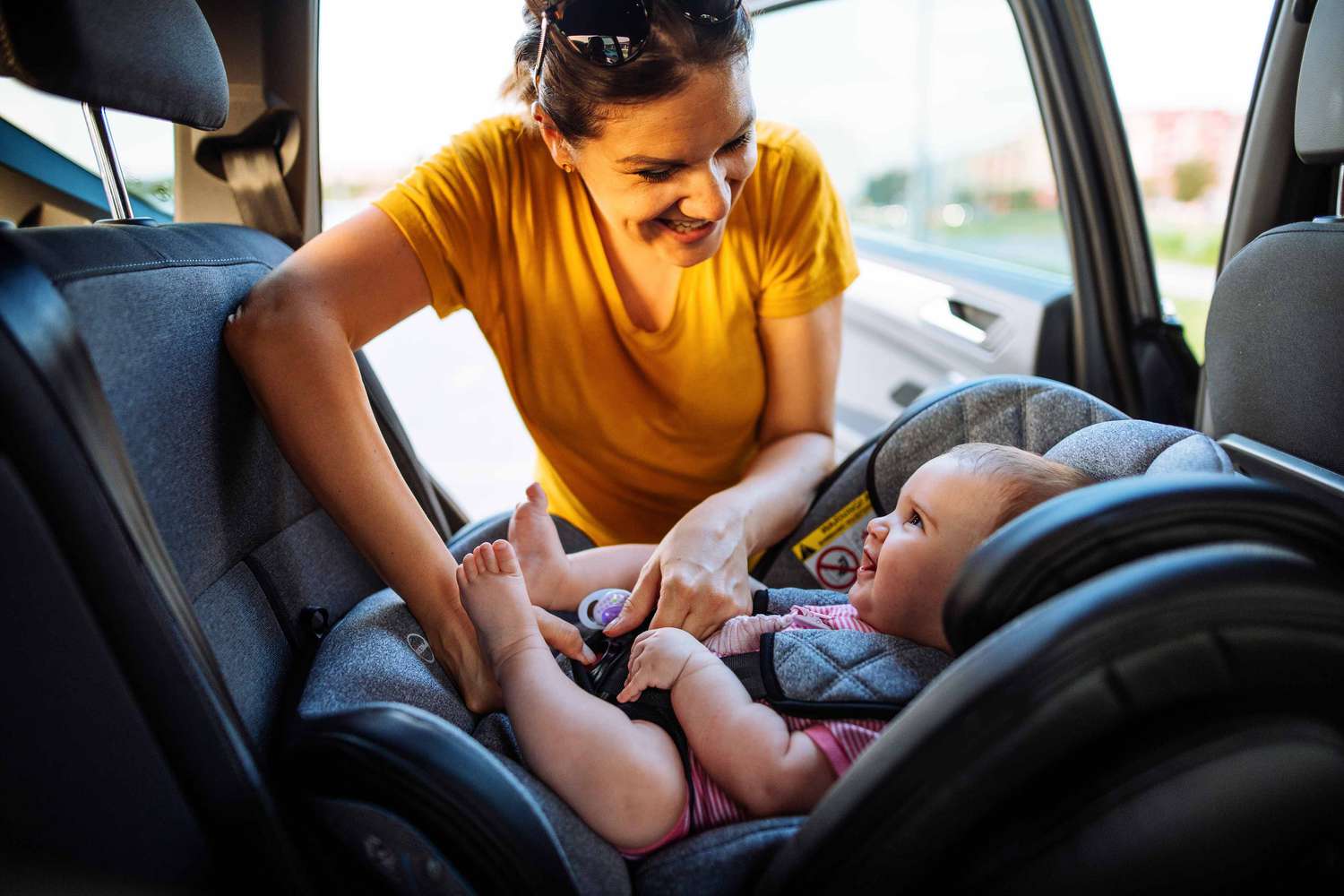
Travelling with children needs a bit more preparation because the seating, restraint and comfort setup has to be right from the start. In the UK, children normally need a child car seat until they are 12 years old or 135 cm tall, whichever comes first, and rear-facing seats must be used until at least 15 months old for height-based seats.
Key Points
- Children normally need a child car seat until age 12 or 135 cm, whichever comes first.
- Rear-facing height-based seats must be used until the child is over 15 months old.
- The seat must suit the child’s size and be fitted correctly in the car.
- The front passenger airbag must be deactivated if a rear-facing child seat is fitted in the front.
- A well-installed seat is only useful if the harness or seat belt is adjusted properly.
- Comfort items, shade and stops matter more on longer spring and summer journeys.
Why Child Safety Matters
The right child seat is only part of the job; correct fitting and correct use matter just as much. The safest setup is one that matches the child’s height or weight, fits the vehicle properly and is used every time the child travels.
It also helps to think beyond the seat itself. Long journeys, warm weather and stop-start traffic can make children restless, so proper planning around comfort and breaks can improve safety as well as convenience.
Seat Fit And Legal Basics
UK law requires children to use an appropriate child restraint until they are 12 years old or 135 cm tall, whichever comes first. Height-based i-Size seats must be rear-facing until the child is over 15 months old, and any rear-facing seat in the front must not be used with an active front passenger airbag.
The seat must also be approved for the child’s size and the vehicle’s belt or ISOFIX arrangement. A correct fit matters because even a compliant seat will not protect properly if it is loose, the harness is twisted or the seat is installed in the wrong position.
Comfort On Longer Trips
Children are easier to keep settled when the cabin is prepared properly before departure. Shade, snacks, water and planned stops all help reduce stress, especially on longer spring or summer journeys where delays and warm temperatures can make the car feel less comfortable.
In practice, the best child-travel setup is the one that combines safety and comfort without adding clutter. A calm, well-prepared cabin usually means fewer distractions for the driver and fewer problems during the journey.
When do children need a car seat in the UK?
Children normally need a child car seat until they are 12 years old or 135 cm tall, whichever comes first. After that, they must wear the seat belt provided.
Can a rear-facing child seat be fitted in the front?
Yes, but only if the front passenger airbag is deactivated. An active airbag and a rear-facing seat are not compatible in the front passenger position.
How long should a child use a rear-facing seat?
For height-based seats, the child must remain rear-facing until they are over 15 months old.
What is the safest place for a child seat?
A correctly fitted child seat in the rear seat is usually the safest arrangement, provided it suits the child and the vehicle correctly.
Do child seats need ISOFIX?
Not always, but ISOFIX can make correct fitting easier where the vehicle and seat support it. The seat still has to match the child’s size.
What if the seat belt does not fit the child properly?
If the child is below the legal height or age threshold, a suitable child restraint must be used. A booster or seat belt alone is only appropriate once the legal requirements are met.
Is it worth checking the seat before every trip?
Yes. Harness adjustment, buckle position and seat stability should be checked regularly, especially if the child seat is moved between cars.
Conclusion
Child car safety starts with the correct seat, the correct installation and the correct use every time the car moves. For UK drivers, the safest approach is simple: choose a seat that fits the child and vehicle properly, follow the legal rules carefully and make the cabin comfortable enough for longer journeys.





