
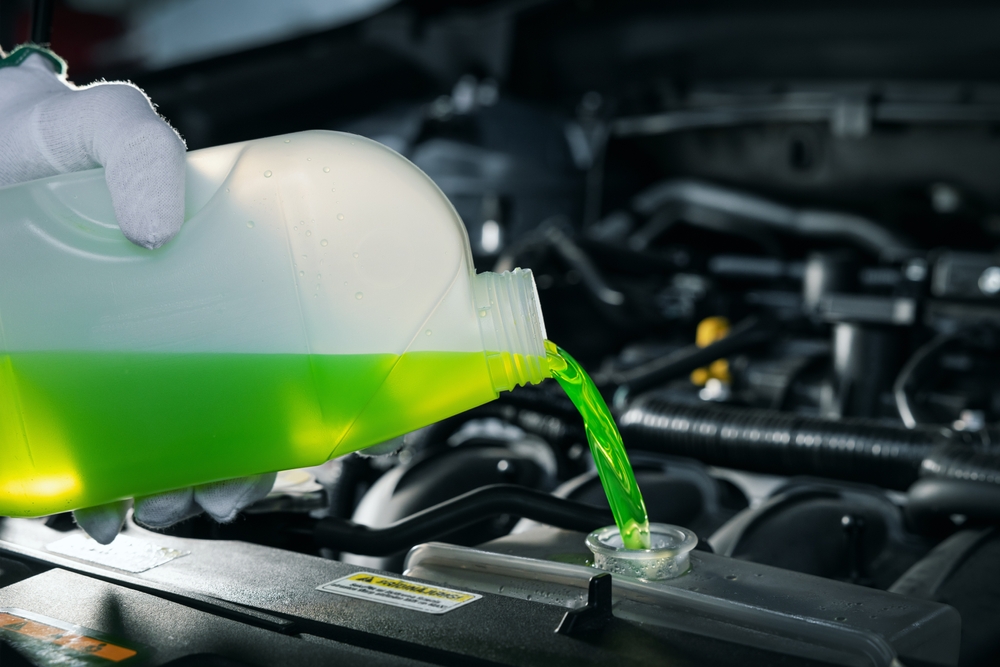
Coolant helps regulate engine temperature, so it is one of the most important fluids to keep an eye on. For UK drivers, the key rule is simple: only check the coolant when the engine is cold, and never open the system while it is hot.
Key Points
- Check coolant when the engine is cold.
- Use the reservoir markings to confirm the level.
- Top up only with the correct coolant type.
- Never open a hot cooling system cap.
- Watch for overheating, warning lights and leaks.
- Recheck the level regularly, especially before long trips.
Why Coolant Matters
Coolant helps stop the engine from overheating in hot weather and freezing in cold weather. It also supports stable running by carrying heat away from the engine and through the radiator.
If the coolant level is too low, the engine may run hotter than normal and the risk of damage increases. That is why a quick check before a long journey or before summer heat is so useful.
How To Check It
Always wait until the engine is completely cold before checking coolant. Open the bonnet and find the coolant reservoir, which usually has minimum and maximum level marks on the side.
The fluid should sit between those marks. If it is below the minimum, top it up carefully using the correct coolant specification for the vehicle and stop once the level reaches the proper point.
What Not To Do
Never remove the coolant cap while the engine is hot, because the system may be under pressure and hot coolant can spray out. That can cause serious burns and make a small maintenance job dangerous very quickly.
You should also avoid guessing the correct fluid. Using the wrong mixture or filling it carelessly can create problems, so it is better to follow the handbook or get advice before topping up.
Warning Signs
A rising temperature gauge, overheating warning light, sweet smell from the engine bay or visible coolant leaks are all signs the system needs attention. If the engine overheats, you should stop as soon as it is safe and let it cool before checking anything.
In my experience, coolant issues are often noticed too late because drivers assume the car will give more warning than it actually does. Regular checks are easier than dealing with a breakdown at the roadside.
When should I check coolant?
Check it when the engine is cold, ideally before a long journey or as part of routine monthly checks.
Where do I look?
Find the coolant reservoir under the bonnet and check the level against the minimum and maximum marks.
Can I open the cap when the engine is hot?
No. That is unsafe because the system can be pressurised and hot coolant may spray out.
What should I top it up with?
Use the correct coolant type specified for your car, not just plain water unless it is an emergency.
What if the level keeps dropping?
That can suggest a leak or another fault, and the system should be inspected properly.
What does an overheating warning mean?
It means the engine should be stopped as soon as it is safe, because continuing to drive could cause damage.
Is coolant the same as antifreeze?
Coolant usually contains antifreeze, but the exact mixture depends on the vehicle and the climate.
Conclusion
Checking coolant is a small job that can prevent a serious engine problem. The safest routine is to check it cold, keep the level within the marked range and react quickly if the engine starts to overheat.





