
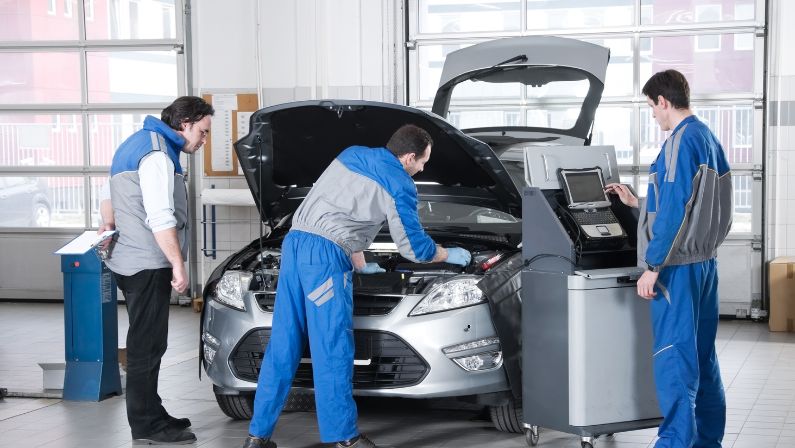
Before departing for summer holidays, completing essential vehicle checks protects you from breakdowns, accidents, and expensive repairs. A well-maintained car handles summer conditions safely and reliably. This comprehensive guide covers everything you need to check before your journey.
Check all fluids (oil, coolant, brake, washer), verify tyre pressure and condition, test battery terminals and connections, inspect brakes for wear, check all lights work properly, ensure safety equipment is present, carry emergency water supply, plan route with reliable apps, schedule breaks every 2 hours.
Fluids to Check Before Departure
Engine Oil
Check engine oil level using the dipstick or electronic monitoring system. The oil should be between minimum and maximum marks. Ensure oil isn’t too dirty – dark black or gritty oil indicates it needs changing. Old oil loses cooling properties and increases engine heat, especially dangerous in summer. Change oil according to manufacturer schedule, typically every 10,000-15,000 miles or annually.
Coolant Fluid
Top up coolant fluid if below minimum level. The coolant, also called radiator fluid or antifreeze, works with engine oil to cool the motor and prevent temperature spikes. Use a 50% coolant and 50% water mixture unless your vehicle specifies otherwise. Never use plain water alone except in emergency situations. Check for leaks around the reservoir, hoses, and radiator. Persistent low coolant indicates a leak requiring professional repair.
Brake Fluid
Check brake fluid for adequate level in the reservoir under the bonnet. The fluid should be between minimum and maximum marks. Low brake fluid reduces braking performance, dangerous on long journeys with frequent stops. If brake fluid is low, have the system inspected for leaks. Brake fluid should be replaced every 2 years as it absorbs moisture over time.
Washer Fluid
Fill washer fluid completely for summer driving conditions. Dust, pollen, and bird droppings are more common in summer, requiring frequent window cleaning. Carry a spare bottle of washer fluid for long journeys. Clean windows are essential for safe driving, especially at night when glare is worse on dirty glass.
Power Steering Fluid
Check power steering fluid level if your vehicle has a dipstick for it. Low power steering fluid causes stiff steering, making manoeuvring difficult. This is particularly important for long journeys with lots of turning and manoeuvring.
Mechanical Checks Before Summer Holidays
Tyre Pressure
Adjust tyre pressure to manufacturer’s recommended levels for summer. Check pressure when tyres are cold – before driving or after the car has been parked for at least 3 hours. Use the recommended levels found on a sticker inside the driver’s door frame or in the handbook. Tyre pressure increases in summer due to heat – hot air expands inside the tyre. Don’t reduce pressure below recommended levels as this increases tyre wear and reduces fuel efficiency. If pressure is slightly above maximum after a long drive, wait for tyres to cool before adjusting. For official tyre pressure recommendations, visit DVLA.
Tyre Condition
Inspect tyres for signs of damage including cracks in the sidewall, uneven wear patterns, or bulges. Check tread depth is at least 1.6mm across the centre three-quarters of the tyre. Replace tyres showing significant wear or damage before summer journeys. Worn tyres have reduced grip in hot conditions and increased blowout risk.
Brakes
Listen for unusual noises when braking – grinding, squealing, or scraping indicates problems. Check brake pad thickness – pads should have at least 3mm of material. Replace pads that are worn thin before long journeys. Test brake response – the car should stop smoothly without pulling to one side. Brake problems are dangerous on long downhill sections common in holiday destinations.
Battery
Check battery terminals are clean and free from corrosion. Ensure connections are tight and secure. Look for cracks or damage to the battery casing. Test battery voltage using a tester or multimeter – a healthy battery shows 12.6V or higher when the engine is off. If voltage is below 12.4V, the battery may need replacement. Batteries typically last 4-6 years – if your battery is older than 5 years, consider replacement before long journeys.
Lights
Test all headlights, brake lights, and indicators. Ensure both headlights work on low and high beam. Check brake lights illuminate when pressing the brake pedal. Verify all indicators flash correctly on both sides. Replace any failing bulbs before departure. Proper lighting is essential for safety, especially if driving at night or in poor weather.
Belts and Hoses
Inspect engine belts for cracks, fraying, or wear. A broken belt can cause immediate engine failure. Check all hoses for cracks, bulges, soft spots, or leaks. Replace deteriorated hoses before long journeys. Cooling system hoses are particularly important – a broken hose causes immediate overheating.
Suspension
Check suspension for unusual noises when driving over bumps. Look for oil leaks from shock absorbers. Test that the car doesn’t bounce excessively after pressing down on the bonnet. Worn suspension reduces handling stability, dangerous on long highway journeys.
Safety Equipment to Verify
First Aid Kit
Ensure first aid kit is complete and accessible. Check that all items are present and not expired. Replace any used or expired items. A first aid kit is essential for treating minor injuries and stabilising serious ones until help arrives. Store the kit in an accessible location, not buried in the boot.
Emergency Triangle
Check emergency triangle is in good condition – the reflective surface should be clean and undamaged. Ensure the stand works properly and the triangle sits securely. The emergency triangle warns other drivers of your presence if you break down on the road.
High-Visibility Jackets
Verify high-visibility jackets are present for all passengers. Check that jackets are in good condition with clean reflective strips. Jackets should be accessible, not buried in luggage. High-visibility clothing is essential if you need to exit the vehicle on a busy road.
Spare Water
Carry enough spare water for long journeys in hot weather. Bring at least 2 litres per person for journeys over 2 hours. Water is essential for drinking and can be used for emergency冷却 if the engine overheats. Store water in the boot, not in the hot cabin where it becomes uncomfortably warm.
Mobile Phone Charger
Ensure you have a working mobile phone charger compatible with your device. Carry both cable charger and wireless charger if possible. A charged phone is essential for calling help if you break down. Test the charger before departure.
Torch and Spare Batteries
Carry a torch with spare batteries for emergency use at night. A bright torch helps you inspect the vehicle, signal for help, or navigate in the dark. LED torches are best – they’re bright and batteries last longer.
Basic Tool Kit
Pack a basic tool kit including screwdrivers, wrenches, pliers, and duct tape. These tools help with minor repairs или adjustments during your journey. Include a tyre pressure gauge and small pump for emergency tyre top-ups.
Spare Set of Keys
Carry a spare set of keys separate from your main keys. If you lock yourself out or lose your keys, the spare saves you from expensive locksmith fees. Store the spare in your luggage, not with your main keys.
Emergency Supplies Checklist
Keep this checklist in your vehicle during summer:
- ✅ First aid kit (complete and accessible)
- ✅ Emergency triangle (good condition)
- ✅ High-visibility jackets (for all passengers)
- ✅ Spare water (2 litres per person minimum)
- ✅ Mobile phone charger (tested working)
- ✅ Torch with spare batteries
- ✅ Basic tool kit
- ✅ Spare set of keys
- ✅ Warning vest
- ✅ Fire extinguisher (small, car-sized)
- ✅ Reflective warning tape
- ✅ Emergency blanket
- ✅ Non-perishable snacks
- ✅ Sunscreen
- ✅ Sunglasses
Route Planning Tips
Plan your route using reliable apps that account for traffic, weather, and road conditions. Google Maps provides real-time traffic updates and alternative routes. Waze offers police alerts and optimal routing based on current conditions. Consider offline maps as backup if you lose data connection.
Consider Alternative Routes
Identify alternative routes to avoid the hottest times of day or busiest traffic periods. Morning departures (6-9 AM) avoid peak heat and traffic. Evening departures (after 7 PM) avoid afternoon heat but may encounter evening traffic.
Check Weather Conditions
Check weather forecasts for your entire route, not just destination. Unexpected rain or extreme heat can affect driving conditions. Adjust your plan if severe weather is expected.
Identify Rest Stops
Map out rest stops every 2 hours or 200 miles. Choose locations with facilities – toilets, food, and shade. Planning rest stops prevents fatigue and ensures you stop regularly.
Schedule Regular Breaks
Stop every 2 hours or 200 miles to rest and check your vehicle. Fatigue is a major cause of accidents on long journeys. Regular breaks refresh you and allow vehicle inspection.
During breaks:
- Walk around and stretch to prevent stiffness
- Check tyre pressure if feeling unusual
- Look for warning signs – leaks, unusual smells
- Refresh yourself with water and light food
- Use facilities to maintain comfort
Stop at shaded locations where possible to let the car cool down. Park under trees or use car parks with cover.
Organise Your Boot Properly
Pack heavier items low and towards the centre of the vehicle for better stability. This improves handling and reduces fuel consumption.
Keep essential items accessible:
- First aid kit
- Emergency water supply
- Mobile phone charger
- Documents and insurance papers
- Spare keys
Use storage boxes to keep smaller items organised and prevent them from moving during driving. Secure loose items to prevent them from becoming projectiles in case of sudden braking.
Leave space for flexibility – don’t pack everything so tightly that you can’t add items during your journey.
Documents to Carry
Ensure you have all necessary documents:
- ✅ Driving licence (valid and up to date)
- ✅ Vehicle insurance certificate
- ✅ Vehicle registration document (V5C)
- ✅ MOT certificate (if vehicle requires it)
- ✅ Breakdown insurance details
- ✅ Health insurance card (for European travel)
- ✅ Passports (for international travel)
- ✅ Hotel booking confirmations
- ✅ Vehicle handbook
Keep documents in a waterproof folder, organised and accessible.
Breakdown Preparation
Know Your Breakdown Insurance
Check your breakdown insurance is active and covers your journey type. Verify what’s included – roadside assistance, home start, onward travel, accommodation. Save the breakdown number in your phone and keep a copy in the vehicle.
Identify Safe Breakdown Locations
Know where you can pull over safely if breakdown occurs. Avoid stopping on blind corners, narrow roads, or busy highways. Use designated breakdown areas or wide shoulders.
Emergency Contact Numbers
Save these numbers in your phone:
- Emergency services: 999
- Non-emergency police: 101
- Breakdown service: [your number]
- Insurance company: [your number]
- Family contact: [your number]
In my experience, thorough pre-holiday checks prevent most breakdowns and accidents. The most common causes of summer breakdowns are low coolant, worn tyres, and old batteries – all preventable with simple checks.
From my point of view, the most important habit is checking fluids weekly during summer. Coolant and oil levels drop gradually, and catching low levels early prevents catastrophic failure.
I would recommend following this checklist completely before any journey over 100 miles. The 30 minutes spent checking saves hours of breakdown frustration and thousands in repair costs. For UK drivers, summer holidays mean long distances in hot conditions – proper preparation is essential for safe, enjoyable travel. For official vehicle maintenance guidance, visit gov.uk. For industry standards, check SMMT.





