
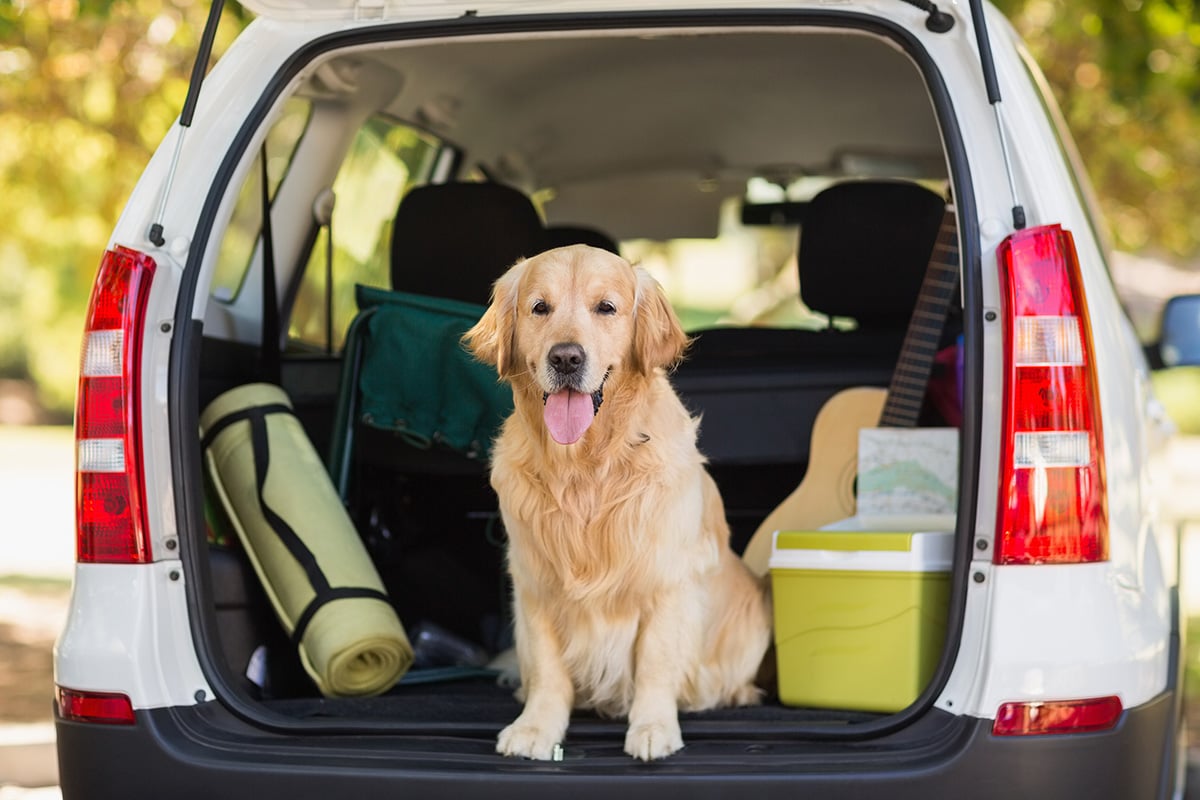
Traveling with pets in summer requires special care to prevent heatstroke, dehydration, and distress. Dogs and cats cannot regulate their body temperature like humans, making them extremely vulnerable to hot car interiors. Following these essential tips keeps your pets safe, comfortable, and healthy during summer journeys.
Key takeaways: Pre-cool the car before pet entry, use proper pet carriers or restraint systems, provide plenty of water in spill-proof containers, stop every 2-3 hours for walks and cooling, find shaded areas with grass, never leave pets alone in parked cars even with windows open, move heatstroke victims to cool location immediately, apply cool water to body, offer small amounts of water, seek veterinary help urgently.
Pre-Cool the Car Before Pet Entry
Pre-cool the car before letting your pet enter and check that seats are not too hot. Pets’ fur traps heat, making them heat up faster than humans. A dog’s body temperature can reach dangerous levels within 10 minutes in a hot car.
How to Pre-Cool Effectively
- Open all windows before approaching the car with your pet
- Run air conditioning for 5 minutes on medium setting before pet enters
- Set temperature to 22°C – cool enough for comfort but not shocking
- Check seat temperature – touch seats before placing pet. If warm, wipe with cool cloth
- Use sunshades to keep interior cool while parked
Interior temperatures reach 70°C in 30 minutes at 35°C outside. Pre-cooling prevents pets from entering a deadly environment.
Why Pre-Cooling Is Critical for Pets
- Fur traps heat – Dogs cannot sweat, only pant, which fails in extreme heat
- Body heats faster – Pets reach dangerous temperatures within 10-20 minutes
- Heatstroke kills quickly – Pets die within 20-30 minutes in extreme heat
- Prevention is simple – 5 minutes prevents hours of suffering or death
Use Proper Pet Carriers or Restraints
Use a proper pet carrier or restraint system. Never allow pets to travel freely in the back seat. Unrestrained pets can become trapped under seats, in corners where heat concentrates, or injured during sudden stops.
Types of Pet Restraints
| Type | Best For | Benefits |
|---|---|---|
| Hard plastic carriers | Small dogs, cats | Secure, protected, ventilated |
| Soft carriers | Small pets | Lightweight, comfortable, ventilated |
| Seat belt harnesses | Medium-large dogs | Allows movement, keeps safe |
| Cargo barriers | Large dogs | Prevents forward movement, safe |
| Boot liners with straps | All sizes | Protects car, secures pet |
Choosing the Right Carrier
Look for:
- Good ventilation – Multiple air holes or mesh panels
- Secure closure – Zippers, locks that won’t fail
- Comfortable interior – Soft padding, not hard plastic
- Proper size – Pet can stand, turn, lie down comfortably
- Safety features – Crash-tested, sturdy construction
Why Restraints Are Essential
- Prevents injury – Pets can’t be thrown during sudden stops
- Reduces heat concentration – Prevents trapping in hot corners
- Controls movement – Pets can’t block driver view or controls
- Legal requirement – UK law requires animals to be suitably restrained
- Easier cleaning – Carriers contain dirt and hair
Never Allow Pets to Travel Freely
Never allow pets to travel freely in the back seat. Unrestrained pets face multiple dangers:
- Heat trapping – Corners and under seats concentrate heat
- Injury risk – Can be thrown during sudden braking
- Driver distraction – Pets moving around block view
- Escape risk – Can jump out if door opens
- Legal violation – UK law requires restraint
Safe Placement Options
Best locations:
- Rear seat with carrier – Protected, ventilated, safe
- Boot with carrier – Cool, separate from heat sources
- Rear seat with harness – Secure, allows movement
- Cargo area with barrier – Large dogs, safe space
Avoid:
- Front seat – Dangerous in collisions, hot from dashboard
- Open boot – No protection, extreme heat
- Free in back – Unrestrained, dangerous
- Under seats – Heat concentrates, poor ventilation
Provide Plenty of Water
Provide plenty of water in a spill-proof container. Pets need more water than humans in heat because they cannot sweat. Dogs lose water through panting, which evaporates quickly in hot conditions.
Water Requirements
- Minimum 500ml per dog for journeys over 1 hour
- 1 litre per large dog for journeys over 2 hours
- More in hot weather – Increase by 50% if temperatures exceed 30°C
- Cool storage – Keep water in cool bags, not hot cabin
- Accessible location – Store where you can reach easily during breaks
Best Containers
- Spill-proof bowls – Prevent water loss during movement
- Bottles with dispensers – Controlled pouring, no spillage
- Portable water bottles – Lightweight, easy to carry
- Collapsible bowls – Pack flat, expand for use
When to Offer Water
- Before journey – Fill up before leaving
- During every break – Offer water at each stop
- If pet panting heavily – Immediate water needed
- Every 30-45 minutes – Regular hydration prevents dehydration
Never force water – Let pets sip slowly. Gulping large amounts causes vomiting.
Stop Every 2-3 Hours for Walks and Cooling
Stop every 2-3 hours to let your pet out, walk, and cool down. Find shaded areas with grass where pets can rest comfortably and exercise.
What to Do During Breaks
- Let pet out of carrier – Release from restraint for movement
- Walk on grass – Cool surface, comfortable for feet
- Find shade – Pets cool down in shaded areas
- Offer water – Rehydrate after walking
- Check temperature – Feel ears and body for heat
- Rest briefly – Allow recovery before continuing
Why Regular Breaks Are Essential
- Prevents heat buildup – Pets can’t cool in carriers
- Reduces stress – Movement reduces anxiety
- Prevents dehydration – Walking increases water needs
- Allows bathroom breaks – Pets need to relieve themselves
- Improves mood – Happy pets travel better
Break Frequency by Pet Size
| Pet Size | Break Frequency |
|---|---|
| Small dogs | Every 1.5-2 hours |
| Medium dogs | Every 2 hours |
| Large dogs | Every 2-2.5 hours |
| Cats | Every 2-3 hours |
Large pets generate more body heat and need more frequent cooling breaks.
Find Shaded Areas with Grass
Find shaded areas with grass where pets can rest comfortably. Grass provides cool surfaces, shade prevents overheating, and open space allows movement.
Why Shade Is Essential for Pets
- Prevents overheating – Pets cool down in shade
- Comfortable rest – Shade makes outdoor activity possible
- Reduced heat stress – Shade lowers body temperature
- Safe exercise – Pets can walk without heating further
Why Grass Is Important
- Cool surface – Grass stays cooler than asphalt or concrete
- Comfortable feet – Soft surface doesn’t burn paw pads
- Natural environment – Pets feel comfortable on grass
- Bathroom area – Pets can relieve themselves naturally
Finding Good Break Locations
Use apps and resources:
- Google Maps – Search for “parks with grass”
- National Trust – Country parks with shaded areas
- Local council websites – Public park information
- AA Roadwatch – Find recommended rest stops with facilities
Ideal locations:
- Woodlands – Natural shade, grassy areas
- Parks – Open grass, shaded trees
- Country parks – Large grassy areas, shade
- Playgrounds – Grass fields, shade structures
Avoid:
- Asphalt parking – Hot surface burns paw pads
- Concrete areas – Retains heat, uncomfortable
- No shade – Direct sun overheats pets
- Busy roads – Safety risk for active pets
Never Leave Pets Alone in Parked Cars
Never leave pets alone in a parked car even with windows open. Interior temperatures can reach dangerous levels within minutes. Windows open 2-3 inches provide minimal cooling – heat still builds rapidly.
Temperature Danger Timeline
| Time Parked | Outside 25°C | Outside 30°C | Outside 35°C |
|---|---|---|---|
| 0 minutes | 25°C | 30°C | 35°C |
| 10 minutes | 35°C | 42°C | 50°C |
| 20 minutes | 45°C | 55°C | 65°C |
| 30 minutes | 52°C | 63°C | 72°C |
Even with windows open:
- 20 minutes: Interior reaches 50°C
- 30 minutes: Interior reaches 60°C
- 45 minutes: Interior reaches 65°C+
These temperatures kill pets within the timeframe.
Why Windows Open Doesn’t Help
- Minimal airflow – 2-3 inch openings don’t provide enough air exchange
- Heat still builds – Sun heats interior regardless of small openings
- No ventilation – Hot air stays trapped inside
- Dangerous quickly – Pets die within 20-30 minutes
Legal Consequences
Leaving pets alone in hot cars can be prosecuted under:
- Animal cruelty laws
- Neglect charges
- Gross negligence (if death occurs)
UK courts treat this seriously – owners have been jailed for leaving pets in hot cars.
Signs of Pet Heatstroke
Early Signs
- Excessive panting – Rapid, heavy breathing
- Bright red tongue or gums – Indicates overheating
- Rapid heartbeat – Heart beating faster than normal
- Weakness or stumbling – Pet appears unsteady
- Drooling excessively – More saliva than normal
- Restlessness – Can’t settle, moving constantly
Severe Signs
- Temperature above 40°C – Dangerously high body temperature
- Gum colour turning purple or white – Blood circulation failing
- Collapse – Pet falls down, can’t stand
- Seizures – Uncontrolled shaking or convulsions
- Unconsciousness – Pet not responding
- Breathing difficulties – Struggling to breathe
Emergency Response for Pet Heatstroke
If Your Pet Shows Heatstroke Signs
Immediate actions:
- Move to cool location immediately – Get out of car into shade or cool indoor area
- Apply cool water to body – Not ice cold, just cool. Wet the fur thoroughly
- Offer small amounts of water – Let them sip slowly, don’t force
- Fan gently – Helps evaporation cooling
- Seek veterinary help urgently – Call vet immediately. Pet heatstroke kills fast
What NOT to Do
Never:
- Use ice or ice water – Too cold, causes shock and worsens condition
- Force water if unconscious – Can cause choking and drowning
- Leave them alone – Condition worsens rapidly without care
- Delay veterinary help – Every minute counts, call immediately
- Put in cold water bath – Too extreme, causes shock
Cooling Steps
- Move to shade – Remove from heat source immediately
- Use cool (not cold) water – Dampen fur with tap water temperature
- Focus on key areas – Neck, chest, belly, paw pads
- Fan gently – Air movement helps evaporation
- Offer water – Small sips, don’t force
- Monitor temperature – Check if cooling is working
- Call vet immediately – Even if pet seems better
Veterinary Care
Contact your vet immediately and explain:
- Pet’s symptoms
- Estimated time in hot car
- Current temperature if known
- Actions you’ve taken
Transport pet to vet – Keep car cool during transport, continue cooling measures.
Carrier Comfort and Safety
Choose Comfortable Carriers
- Soft padding – Comfortable for lying down
- Ventilation – Multiple air holes or mesh
- Proper size – Pet can stand, turn, lie down
- Secure closure – Won’t fail during journey
- Easy access – Open quickly for breaks
Prepare Carriers Before Journey
- Add familiar bedding – Comfort reduces stress
- Include favourite toy – Familiar items reduce anxiety
- Check ventilation – Ensure air holes are clear
- Test security – Verify zippers and locks work
- Clean thoroughly – Remove dirt and odours
Monitor Pets in Carriers
- Check regularly – Look through ventilation holes
- Listen for sounds – Excessive panting indicates problems
- Feel temperature – Touch carrier to check heat
- Respond quickly – If problems appear, stop immediately
Pet-Specific Considerations
Dogs
- Short-nosed breeds – Brasheeds, Pugs, Bulldogs heat up faster, need extra care
- Thick fur – Huskies, Malamutes need more cooling breaks
- Large dogs – Generate more heat, need frequent breaks
- Senior dogs – Less tolerant of heat, need extra precautions
- Puppies – Smaller bodies heat faster, need frequent water
Cats
- More sensitive – Cats stress more in cars than dogs
- Hide behaviour – May hide in carrier, harder to monitor
- Less water intake – Need encouragement to drink
- Need quiet – Calm environment reduces stress
- Short journeys – Prefer shorter trips with more breaks
In my experience, traveling with pets in summer becomes manageable with proper preparation. The most common problems are heat-related stress, dehydration from insufficient water, and anxiety from lack of movement – all preventable with planning.
From my point of view, the most important habit is never leaving pets alone in parked cars and stopping every 2 hours for cooling breaks. These simple rules prevent fatal heatstroke and keep pets comfortable.
I would recommend focusing on essentials first: pre-cool the car, use proper carriers, carry plenty of water, plan breaks at shaded grassy areas, and never leave pets alone. These steps make summer travel with pets safe, comfortable, and stress-free.
For UK drivers, summer temperatures regularly reach 35°C+, making pet safety precautions essential, not optional. Pets die in parked cars every year in Britain from owners who thought windows open would be enough. For pet safety guidelines, visit RSPCA. For veterinary advice, check BVA. For general animal welfare, visit gov.uk.





