
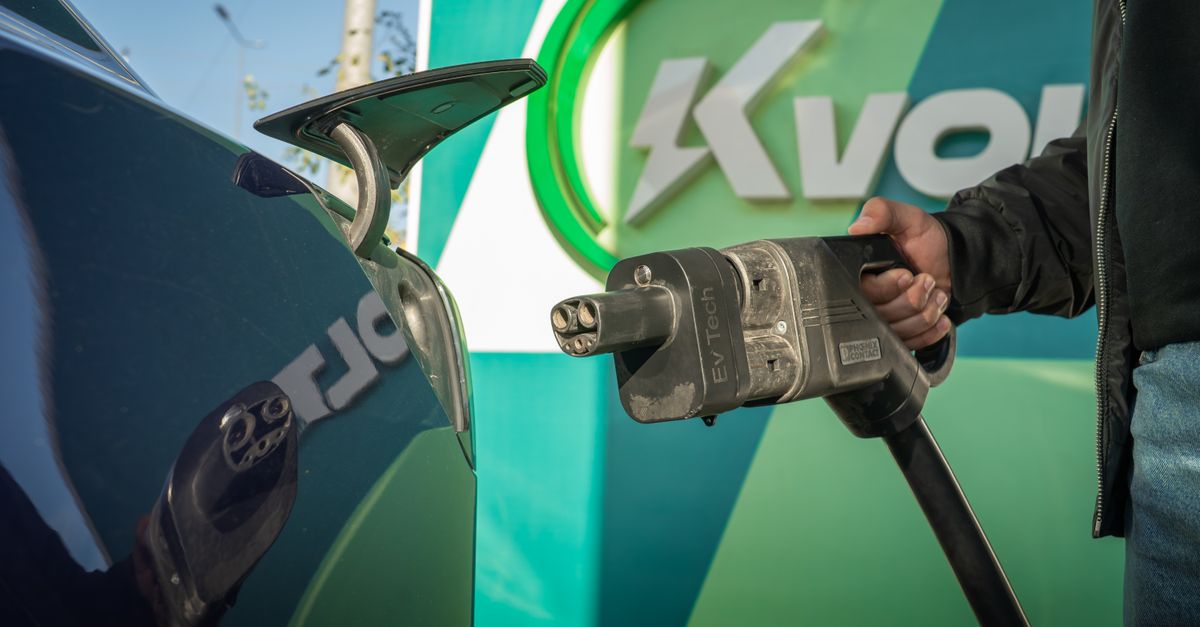
The 2026–27 vehicle tax year runs from 1 April 2026 to 31 March 2027. It does not introduce one flat charge for every car: the amount depends on the vehicle’s first-registration date, CO2 emissions, fuel type, list price where relevant and payment method. The headline change for many buyers is that zero-emission cars are now subject to Vehicle Excise Duty (VED), while the expensive-car supplement threshold for zero-emission cars has also changed. The government’s official 2026–27 vehicle-tax notice sets out the rates.
The 2026–27 rates at a glance
| Vehicle category | 2026–27 position |
|---|---|
| Cars first registered on or after 1 April 2017 and charged at the standard rate | £200 for 12 months, or £210 when paid in 12 monthly Direct Debit instalments |
| Cars first registered on or after 1 April 2026 | A first-year rate based on CO2 emissions and fuel type |
| Cars first registered between 1 March 2001 and 31 March 2017 | CO2 and fuel-based bands, with annual rates ranging from £20 to £790 |
The GOV.UK vehicle-tax tables list the standard rate for a post-1 April 2017 car as £200 for a 12-month payment. Choosing 12 monthly Direct Debit payments makes the total £210. These figures describe the standard rate, so they should not be confused with a car’s separate first-year rate or any applicable supplement.
For a car first registered on or after 1 April 2026, the first-year charge is linked to CO2 emissions and fuel type. Zero-emission cars pay £10 in their first year. At the other end of the table, cars emitting more than 255g/km pay £5,690 in year one if they use petrol, RDE2 diesel or an alternative fuel; non-RDE2 diesel cars in the same band also pay £5,690. That is a first-year figure, not the normal recurring standard rate. The published rate notice contains the full banding.
Electric cars are no longer exempt
Zero-emission cars are no longer outside the VED system. For the published 2026–27 structure, a zero-emission car first registered from 1 April 2025 has a £10 first-year rate followed by the £200 standard rate. A zero-emission car first registered between 1 April 2017 and 31 March 2025 pays the £200 standard rate. The government’s guidance on vehicle tax for electric and low-emission vehicles explains the change.
That means an electric car’s purchase price is no longer the only running-cost figure to check. Some already-registered EVs now have an annual VED bill where they were previously exempt.
The zero-emission expensive-car supplement
From 1 April 2026, the expensive-car supplement threshold for zero-emission cars is £50,000 rather than £40,000. The relevant list price is assessed before discounts. A qualifying car pays an additional £440 a year for five years, starting with the second tax payment, according to the government’s supplement announcement.
Where the £200 standard rate and the £440 supplement both apply, the totals are £640 for a 12-month payment or £672 when paid by 12 monthly Direct Debit instalments. The supplement does not last indefinitely, but it can materially change the cost of owning an eligible car during those five years.
Older cars still use CO2 bands
Cars first registered between 1 March 2001 and 31 March 2017 continue to be taxed according to fuel type and CO2 emissions rather than the post-2017 standard-rate system. For 2026–27, the published annual rates range from £20 for cars emitting up to 110g/km to £790 for cars emitting more than 255g/km. The GOV.UK table for this registration period shows the relevant bands.
How to check your exact bill
- Identify the first-registration date. This determines which VED system applies. A car bought second-hand can still fall under an older rate structure because the important date is when it was first registered.
- Check the vehicle’s official record. Enter the registration number into the GOV.UK vehicle-tax checker to see its current tax status and current rate. The government also says the current rate can be checked using the 11-digit reference on the V5C log book through its DVLA vehicle-information service.
- Confirm the details that can change the band. For cars covered by CO2-based rates, check the emissions figure and fuel type. If the car might cross the expensive-car threshold, use its list price before discounts rather than a temporary dealer offer.
- Select the payment method. Compare the 12-month payment with the total for 12 monthly Direct Debit instalments. For a standard post-2017 car, that difference is £200 versus £210; where the £440 supplement applies, the corresponding totals are £640 and £672.
A generic £200 headline therefore cannot provide an individual driver’s exact bill. The official checker, combined with the vehicle’s first-registration date, emissions, fuel type, list price where relevant and chosen payment method, is the reliable way to establish the amount for a particular UK car.
Source 1 · Source 2 · Source 3 · Source 4 · Source 5 · Source 6 · Source 7 · Source 8





