An advertised monthly payment is only one part of a first electric-car lease. UK drivers should establish four things before signing: whether the annual mileage allowance matches real use, what charging equipment or arrangements are included, what is known about the battery, and what happens when the car is returned. Guidance from Carwow and Octopus EV highlights these checks.
Exact allowances, excess-mileage rates, charging provisions, battery warranties and return conditions vary between vehicles, leasing companies and contracts. There is no single UK-wide lease standard covering all of them.
1. Separate annual mileage from driving range
An electric car’s driving range and a lease’s mileage allowance answer different questions. Range concerns how far the car can travel between charges; the lease allowance concerns how many miles you are contracted to drive over a year.
Base the allowance on routine journeys as well as likely longer trips. That could include commuting, regular family journeys, weekend use and holidays. Do not choose the smallest allowance simply because the car’s headline range appears sufficient.
Ask the leasing company:
- How many miles are included each year?
- What is the excess-mileage rate?
- What would happen if your actual mileage is higher than estimated?
A lower allowance may make the advertised monthly figure look more attractive, but it needs to reflect how the car will actually be used. Compare the excess-mileage rate with the monthly saving before deciding.
2. Find out exactly what is included for charging
Do not assume that every charging item is included because the vehicle is electric. Ask for a clear list of the equipment and charging arrangements covered by the deal.
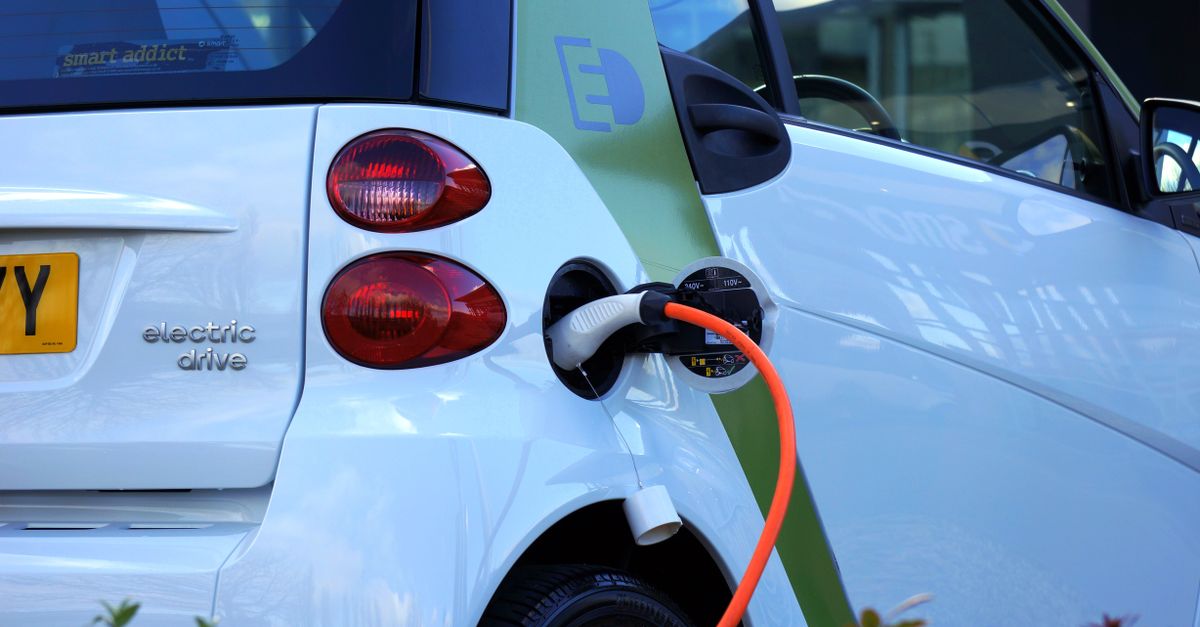
In particular, check whether a Type 2 cable is supplied and, if the car or cable is used, what condition it is in. Carwow specifically recommends checking both the equipment included and the condition of any cable supplied.
It is also worth asking:
- Is the cable included in the monthly agreement or supplied separately?
- What charging arrangements are assumed by the offer?
- Which equipment must be returned with the car?
- What condition must that equipment be in at the end of the lease?
Get the answer in writing rather than relying on a salesperson’s general description of the vehicle. Charging arrangements should be part of the contract comparison, not an afterthought.
3. Ask battery questions, especially on a used EV
For a used electric car, ask about the battery’s current condition or state of health. Also ask what evidence is available to support the description, rather than treating the advertised range as a substitute for a battery assessment.
The key questions are:
- What is known about the battery’s condition or health?
- How much battery warranty remains?
- What does that warranty cover?
- How has the car previously been used and charged?
Previous use and charging history are particularly relevant questions when the vehicle is not new. A provider may not have every detail, but its answer should be clear about what is known and what is not. For a new car, the focus is more likely to be on the battery warranty terms and what protection is included.
Both Carwow’s first-EV checklist and Octopus EV’s leasing guide identify battery condition, warranty and previous use as important areas to investigate.
4. Compare the whole lease, not just the monthly payment
Put competing offers side by side and record:
- the monthly payment;
- the annual mileage allowance;
- the excess-mileage rate;
- what is covered by the payment;
- the vehicle and battery warranty arrangements;
- the charging equipment or arrangements included; and
- the vehicle’s return requirements.
This approach can reveal why two apparently similar electric-car leases are priced differently. A quote with a lower monthly figure may not suit your driving pattern if its mileage allowance is too restrictive or important charging items are excluded.
Octopus EV also recommends comparing the warranty, charging arrangements, excess-mileage terms and return requirements rather than judging a lease solely by its headline price.
A pre-signing checklist for your first EV lease
Before committing, make sure you can answer these questions:
- What is my realistic annual mileage, including longer trips?
- What is the excess-mileage rate if I exceed it?
- Is a Type 2 cable included, and what condition is it in?
- What charging arrangements are part of the agreement?
- What is the battery’s condition or health if the car is used?
- How much battery warranty remains and what does it cover?
- What is known about the car’s previous use and charging?
- What must be returned, and in what condition?
If any answer is unclear, ask the leasing company to confirm it in the written offer or contract. Choosing an allowance based on real use and checking the battery, charging equipment and handback terms will give you a more realistic view of the deal than the monthly payment alone.